
Used Volvo Conventional Sleeper Trucks For Sale in Ohio
Shop used Volvo conventional sleeper trucks in Ohio. Compare VNL specs, D13 power, I-Shift options, sleeper sizes, and long-haul features.
Learn moreNo exact matches found for your search
Showing Used Volvo Conventional Sleeper Trucks instead.
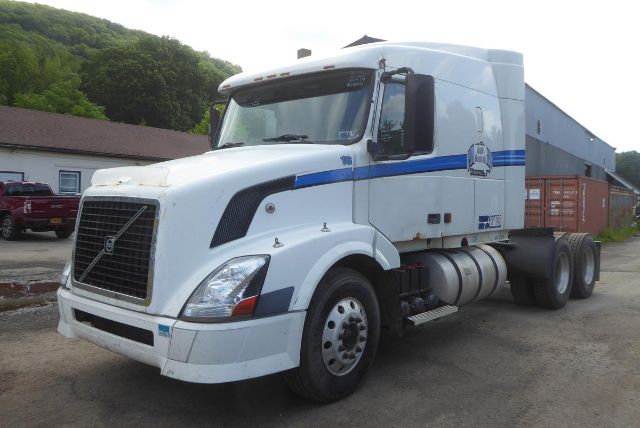
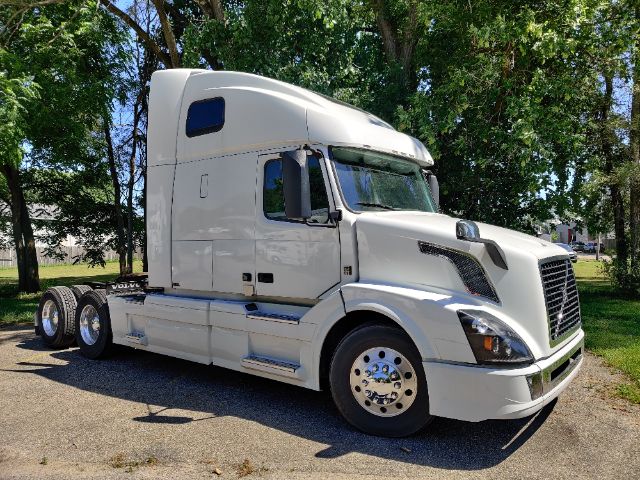
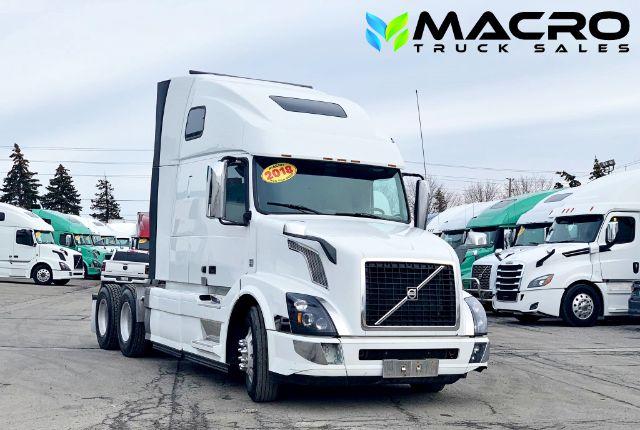
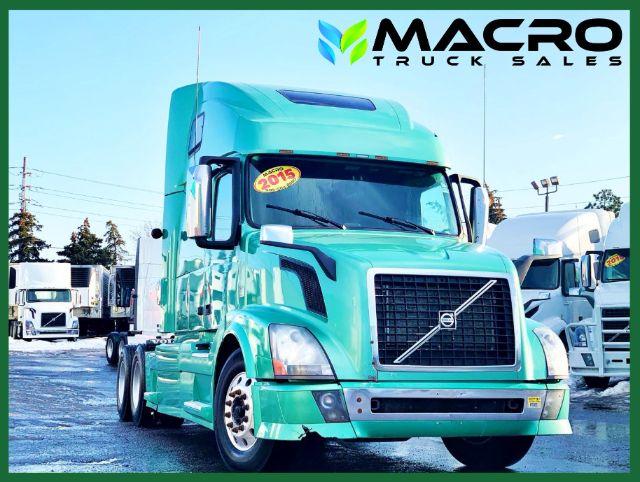
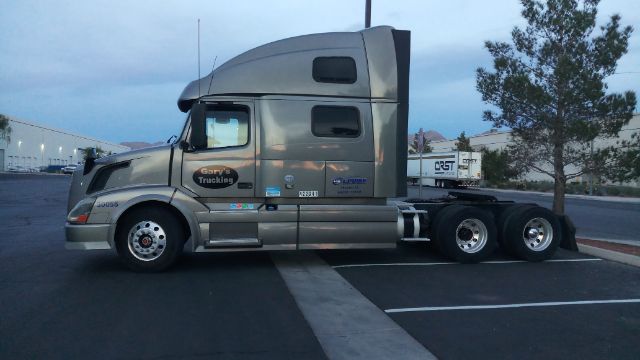
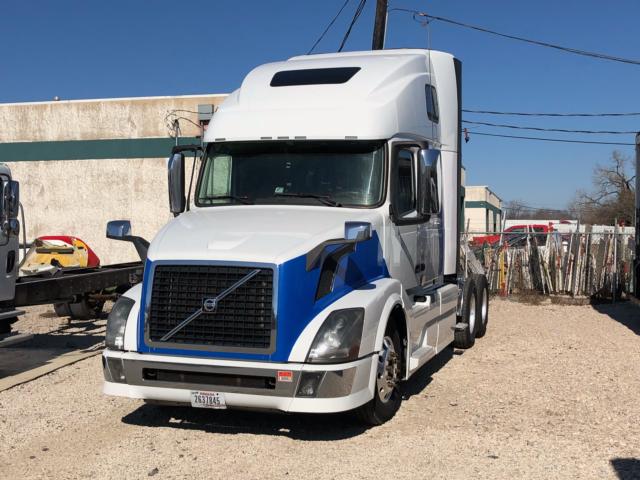
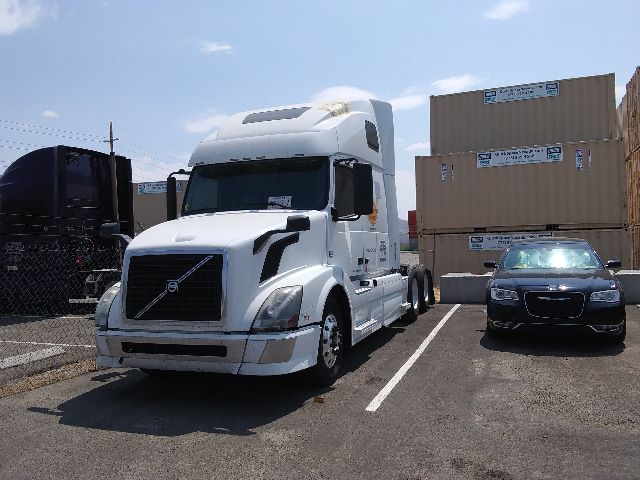
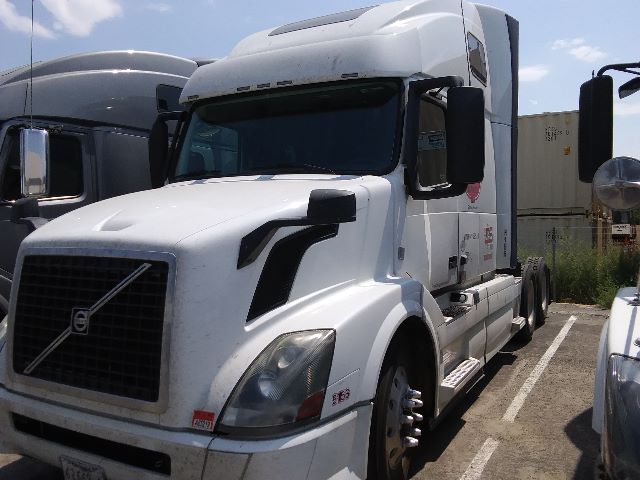
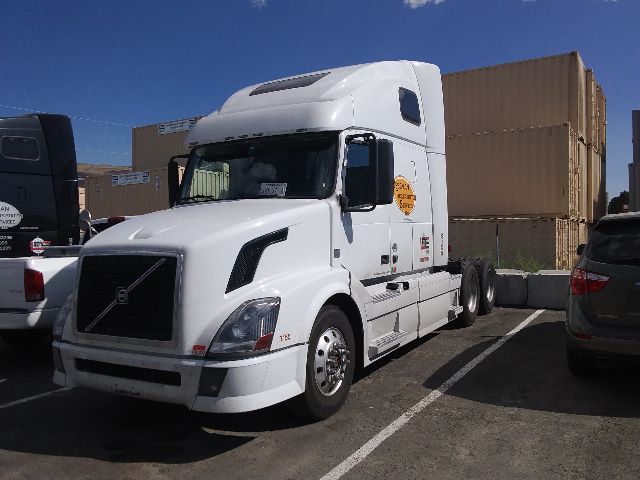
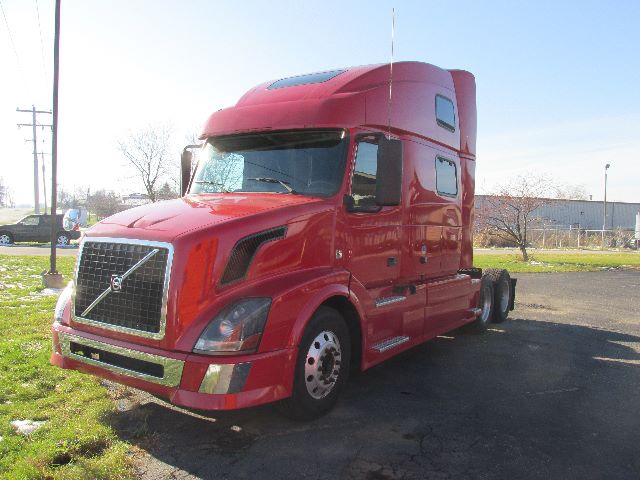
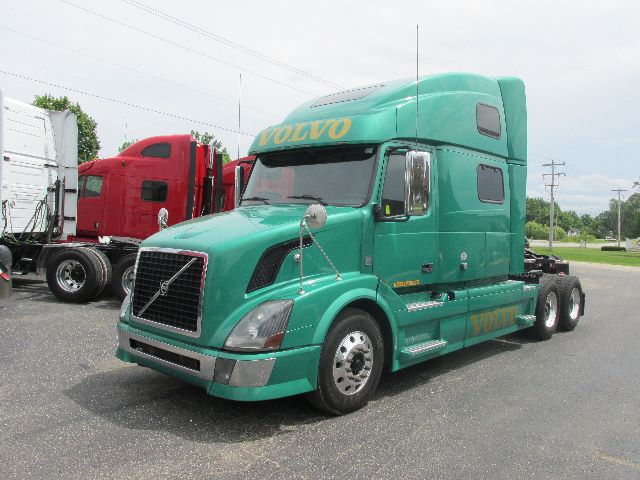
Showing 37 to 47 of 47 results
Have used volvo conventional sleeper truck to sell? List it here to reach thousands of buyers.
About Used Volvo Conventional Sleeper Trucks in Ohio
The core spec decision usually starts with the powertrain. Many used Volvo sleepers are equipped with the Volvo D13 engine in ratings around 405 hp, paired with the Volvo I-Shift automated manual transmission. That combination is common for dry van, reefer, and general freight applications because it balances fuel economy with easy drivability. Buyers should look closely at rear axle ratio, GCWR, and wheelbase, since those specs affect startability, cruise RPM, and trailer compatibility. A 40,000 lb rear axle setup with a tall ratio such as 2.64 is typical for linehaul work and higher-speed interstate operation, while air ride suspension, engine brake, and an air slide fifth wheel add flexibility across different trailer lengths and kingpin settings.
Sleeper size and cab layout matter just as much as engine spec. The VNL 670 is a practical mid-roof to high-roof sleeper choice for fleets that want a lighter, more maneuverable package, while the VNL 760 is often preferred when maximizing driver space and amenities on longer routes. Common features in this class include bunk heaters, power windows, tilt and telescoping steering, cruise control, collision mitigation systems, and dual aluminum fuel tanks for longer range between stops. Buyers comparing used units should pay attention to brake type, tire profile, fairing condition, and interior wear, since those details can tell you a lot about prior duty cycle and maintenance standards.
A used Volvo conventional sleeper is often chosen for regional-expedited and true over-the-road service where uptime, fuel economy, and driver retention all matter. The best buying approach is to match the cab size, wheelbase, and axle ratio to the freight you actually pull. For Ohio-based buyers, that may mean selecting a truck capable of efficient long interstate runs while still handling tighter customer yards and winter road conditions. A clean maintenance history, emissions system records, transmission service documentation, and evidence of proper preventive care are usually more important than cosmetic extras when comparing used Volvo sleeper tractors.
Frequently Asked Questions
What is the difference between a Volvo VNL 670 and a Volvo VNL 760 sleeper truck?
The main difference is sleeper size and overall cab space. A Volvo VNL 670 typically offers a slightly more compact sleeper configuration that can help with weight and maneuverability, while the Volvo VNL 760 is designed with a larger living area for longer over-the-road runs. Buyers who prioritize driver comfort, storage, and extended time away from home often lean toward the 760, while fleets balancing comfort with a slightly tighter package may prefer the 670.
Is the Volvo D13 with I-Shift a good setup in a used conventional sleeper truck?
Yes. The Volvo D13 engine paired with the I-Shift automated manual transmission is one of the most common and well-regarded powertrains in late-model Volvo sleeper tractors. It is popular for highway freight because it delivers solid fuel economy, smooth shifting, and reduced driver workload. On a used truck, the real key is service history. Buyers should verify transmission calibration updates, clutch and driveline condition, engine maintenance intervals, and any emissions-related repairs before making a decision.
What specs matter most when buying a used Volvo sleeper truck in Ohio?
The most important specs are sleeper size, wheelbase, rear axle ratio, horsepower rating, and brake configuration. Ohio buyers should also consider how the truck will be used across a mix of urban pickups, distribution lanes, and interstate hauls. A tall rear ratio can improve fuel economy on long highway runs, but freight type, terrain, and gross combination weight should guide the final choice. Disc brakes, collision mitigation, and a bunk heater are also valuable features for safety, comfort, and year-round operation.
Are Volvo conventional sleeper trucks mainly for over-the-road freight?
Yes. Volvo conventional sleeper trucks, especially the VNL series, are primarily built for over-the-road and regional linehaul service. They are commonly used in dry van, refrigerated, and general freight applications where aerodynamics, fuel efficiency, and driver comfort are priorities. They can also work well in dedicated regional routes if the wheelbase and axle specifications match the operation. The sleeper cab makes them better suited to multi-day runs than a day cab tractor.
What should I inspect first on a used Volvo VNL sleeper tractor?
Start with maintenance records, engine hours, mileage, and fault history. Then inspect the emissions system, engine brake performance, transmission operation, suspension, fifth wheel movement, and brake condition. On the cab and sleeper side, check bunk heater operation, HVAC performance, fairings, cab extenders, and signs of water intrusion or excessive interior wear. A used sleeper truck may look clean cosmetically, but the service documentation and drivetrain condition usually tell the real story.