
Used 2021 Volvo Conventional Sleeper Trucks For Sale in North Carolina
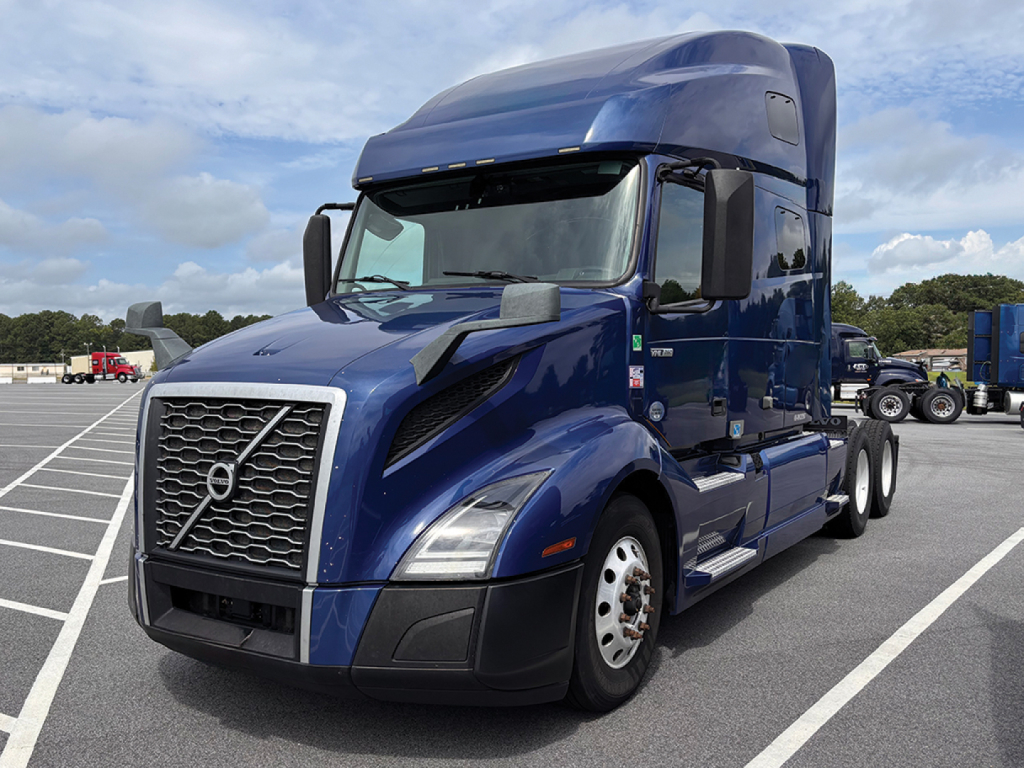
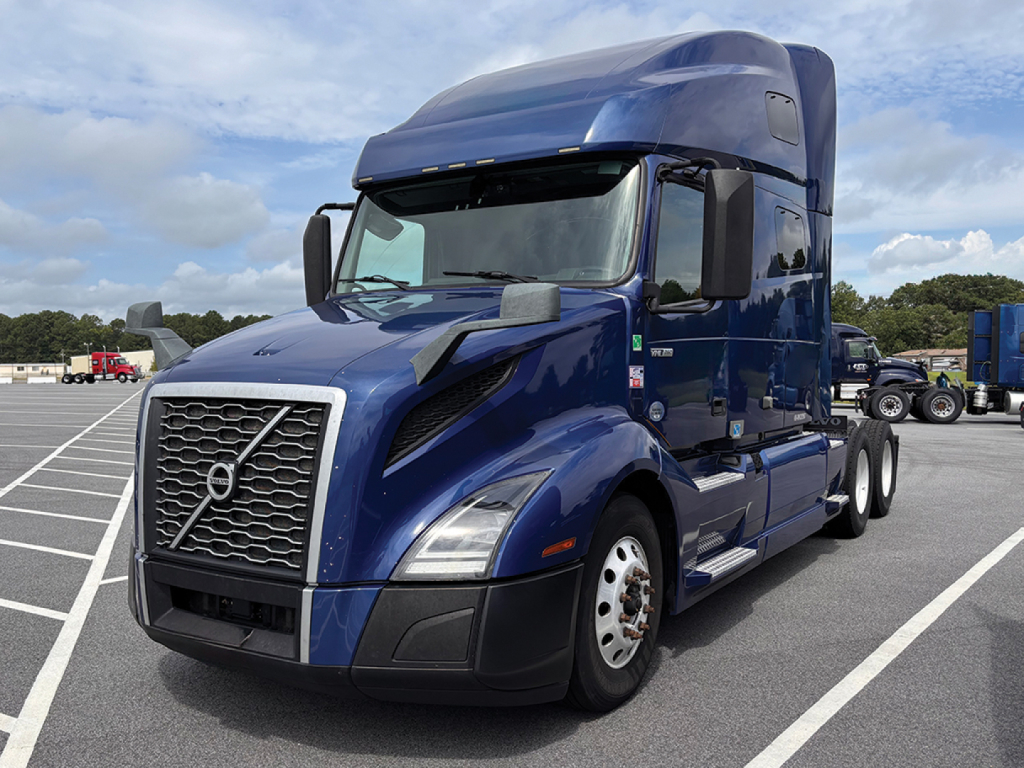
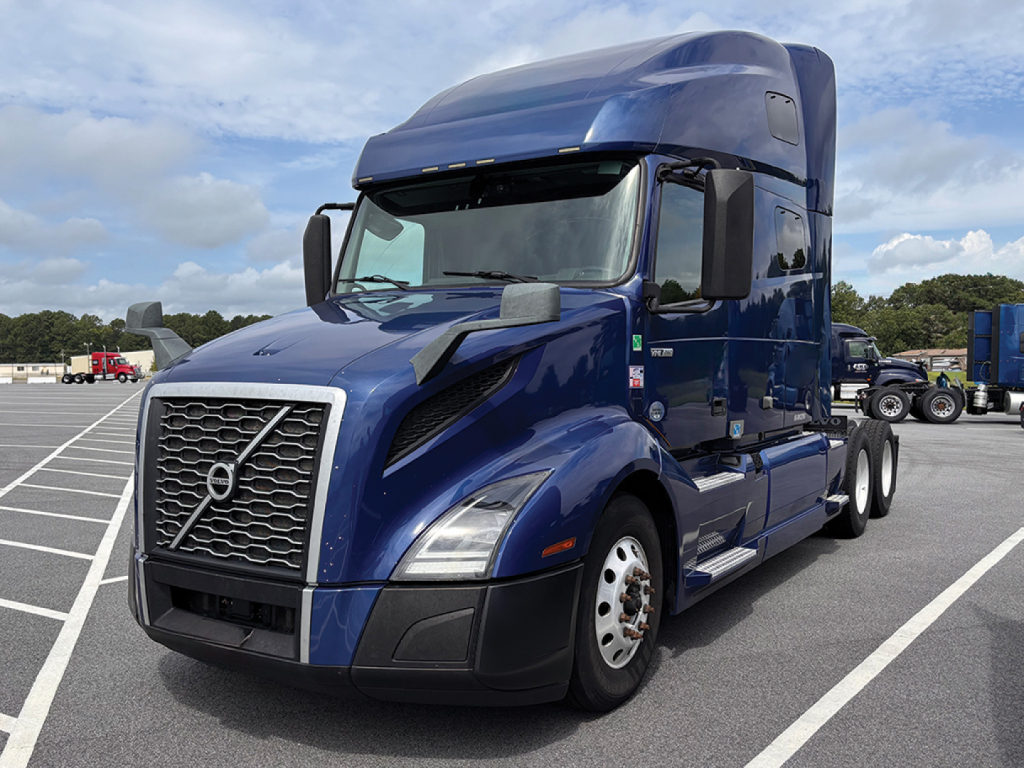
Have used 2021 volvo conventional sleeper truck to sell? List it here to reach thousands of buyers.
Used 2021 Volvo Conventional Sleeper Trucks in North Carolina
A typical 2021 Volvo sleeper spec centers on the Volvo D13 engine in the 425 to 455 horsepower range, commonly paired with the Volvo I-Shift automated manual transmission. That combination is popular for good reason. It delivers smooth shift logic, solid fuel economy, and lower driver fatigue in mixed terrain and heavy traffic. Many 2021 units are spec'd with 40,000-pound rear axles, air ride suspension, and fast rear axle ratios such as 2.64 for highway cruising. Wheelbases in the low 220-inch range are common on VNL 760 sleepers, along with dual aluminum fuel tanks, sliding fifth wheels, and 22.5 low-pro tires. Disc brakes also show up on many later-model Volvo sleepers and are worth noting for stopping performance and maintenance planning.
Sleeper configuration matters as much as the powertrain. A 2021 Volvo conventional sleeper may include a mid-roof or high-roof cab, but the VNL 760 typically gives buyers a larger condo-style interior with room for an upper bunk, stand-up space, and better storage for extended trips. That matters for recruiting and retention, especially in fleets running irregular schedules or team freight. Buyers should also look at fairings, cab extenders, quarter fenders, and other aerodynamic components, because damaged or missing aero equipment can affect fuel economy more than many operators expect. Interior wear, idle hours, bunk HVAC operation, and seat condition also tell you a lot about how the truck was used.
For North Carolina operations, these trucks make sense for freight lanes running up and down I-85, I-40, I-95, and into the Southeast distribution network. A used 2021 Volvo sleeper can be a practical choice for dry van, reefer, and general long-haul service where uptime, parts support, and driver comfort all matter. The best buying decisions usually come down to engine history, transmission service records, aftertreatment condition, brake and tire life, and how well the original spec matches your freight. If the truck is geared for highway speed and fuel economy, it may be ideal for longer runs but less suited to heavier vocational pulls or frequent low-speed work.
Frequently Asked Questions about Used 2021 Volvo Conventional Sleeper Trucks in North Carolina
What engine and transmission are common in a used 2021 Volvo conventional sleeper?
Most used 2021 Volvo conventional sleeper trucks, especially VNL models, are equipped with a Volvo D13 engine and Volvo I-Shift automated manual transmission. Horsepower is commonly in the 425 to 455 HP range. This setup is popular because it balances fuel economy, drivability, and reduced driver fatigue. Buyers should still verify the exact engine rating, transmission model, rear axle ratio, and maintenance history, since those details affect performance and operating cost more than the badge alone.
Is a 2021 Volvo VNL 760 a good sleeper truck for long-haul freight?
Yes, the 2021 Volvo VNL 760 is widely regarded as a solid long-haul sleeper spec. It is designed for over-the-road use and typically offers a high-roof sleeper with stand-up room, bunk space, storage, and a driver-focused cab layout. It is especially well suited for dry van, reefer, and team operations where drivers spend extended time in the truck. The main thing to confirm is whether the truck's wheelbase, gearing, and sleeper configuration match your lanes and payloads.
What should I inspect on a used 2021 Volvo sleeper before buying?
Focus on service records, fault code history, and signs of deferred maintenance. On a 2021 Volvo sleeper, key checkpoints include aftertreatment performance, transmission calibration and clutch data, engine brake operation, suspension wear, brake type and brake life, tire condition, and any leaks around the engine or driveline. Inside the cab, inspect bunk HVAC, refrigerator or auxiliary components if equipped, dash electronics, and overall sleeper condition. Aerodynamic parts such as side fairings and cab extenders also matter because damaged aero pieces can increase fuel consumption.
Are fast rear axle ratios like 2.64 good on a conventional sleeper truck?
A 2.64 rear axle ratio is common on highway-focused sleeper tractors and can be a smart choice for fleets prioritizing fuel economy at cruising speed. Combined with an overdrive automated transmission, a fast ratio helps keep engine RPM lower on interstate runs. The tradeoff is that the truck may feel less suited to heavy starts, steep grades under load, or specialized applications requiring more low-speed pulling power. The right ratio depends on average gross weight, terrain, trailer type, and cruise speed.
Why do many buyers prefer used Volvo conventional sleepers in fleet service?
Volvo conventional sleepers have a strong following in fleet service because they offer an aerodynamic design, driver-friendly interior, and a powertrain package built around efficiency. The Volvo VNL platform is also common enough that many maintenance shops are familiar with it, which helps with service planning. For fleets, the appeal usually comes down to driver acceptance, highway fuel performance, and the availability of standardized specs that make replacement and maintenance easier across multiple trucks.