
Volvo Conventional Sleeper Trucks For Sale in Nevada
Shop Volvo conventional sleeper trucks with VNL and 670 cab options, D13 power, I-Shift or manual transmissions, and long-haul efficiency.
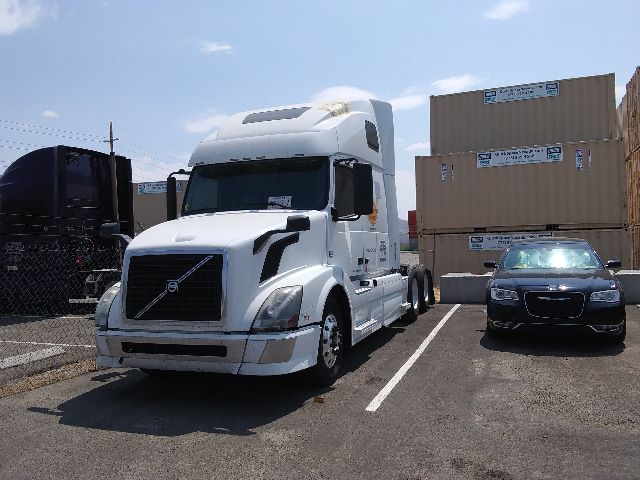
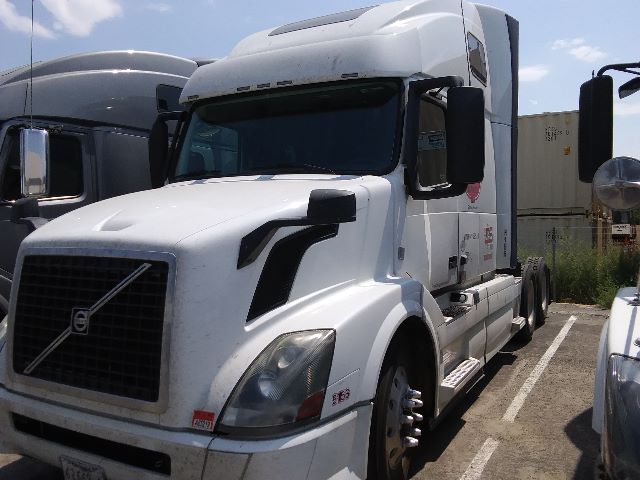
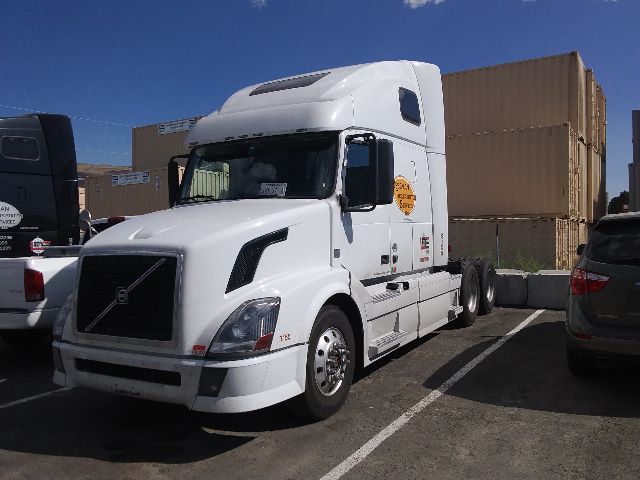
Selling a volvo conventional sleeper truck? List your volvo conventional sleeper truck for sale and reach thousands of commercial buyers.
Volvo Conventional Sleeper Trucks in Nevada
The spec that usually drives the buying decision is the powertrain. Many Volvo sleepers are equipped with the Volvo D13, commonly rated around 425 to 455 horsepower for general van, reefer, and dedicated freight work. Transmissions often include the Volvo I-Shift automated manual, though older trucks may carry 10-speed, 13-speed, or 8LL manual options depending on application. Rear axle ratings around 40,000 pounds are common, and ratios such as 2.47 or 3.08 can tell you a lot about how the truck was intended to run. A tall highway gear favors fuel mileage and lower cruise rpm, while a deeper ratio may fit heavier terrain, mountain lanes, or more stop-and-go duty across Nevada and the West.
Sleeper size and wheelbase also deserve a close look. A VNL 760 or VNL 860 typically offers more living space and storage than older mid-roof or shorter bunk layouts, which matters for teams, extended dispatch cycles, and operators spending multiple nights out. Features like upper bunks, bunk heaters, air ride suspension, air slide fifth wheels, dual aluminum fuel tanks, and full fairing packages are common on long-haul Volvo sleepers because they directly affect comfort, versatility, and operating cost. Buyers comparing trucks in Nevada should also pay attention to cooling system condition, A/C performance, tire spec, and emissions history, especially for trucks that have spent time in hot, dry climates and long highway service.
A good Volvo conventional sleeper should be evaluated as a complete operating package, not just by year and mileage. Engine brake performance, I-Shift service history, suspension wear, sleeper HVAC function, and axle ratio should all line up with the freight you plan to pull. Volvo sleepers are especially popular with carriers running dry van and refrigerated lanes because they balance aerodynamics, cab comfort, and highway manners well. For many buyers, the appeal is straightforward: a Volvo sleeper can be a strong long-distance tractor when the cab spec, drivetrain, and maintenance record match the route profile and load demand.
Frequently Asked Questions about Volvo Conventional Sleeper Trucks in Nevada
What engines are common in Volvo conventional sleeper trucks?
The Volvo D13 is the most common engine found in modern Volvo conventional sleeper trucks, especially in VNL models used for linehaul freight. Ratings in the 425 to 455 horsepower range are typical, which is enough for most van, reefer, and dedicated route applications. Older units may also be found with other Volvo engine variants depending on model year and original fleet spec, but the D13 remains the benchmark for parts support, fuel economy, and general market familiarity.
Is the Volvo I-Shift a good transmission for a sleeper tractor?
The Volvo I-Shift is widely regarded as a strong fit for sleeper tractors because it is designed for highway efficiency, reduced driver fatigue, and consistent shifting across long routes. It can help lower clutch wear and improve fuel economy compared with some manually shifted setups, especially in mixed-driver fleet service. Buyers should still review software update history, clutch and actuator service records, and how the transmission was matched to the rear axle ratio, because the full drivetrain spec has a direct effect on performance.
What is the difference between a Volvo VNL 760 and VNL 860?
The main difference is sleeper size and interior space. A VNL 760 typically offers a spacious high-roof sleeper suited for standard over-the-road use, while a VNL 860 adds more room for storage and living space, which can be valuable for team drivers or longer dispatch cycles. Both are conventional sleeper tractors, but the larger bunk in the 860 can improve driver comfort for operations where the truck serves as a true mobile workspace for days at a time.
What axle ratio works best in a Volvo sleeper truck?
The best axle ratio depends on your freight, terrain, and cruise speed goals. Ratios like 2.47 are generally chosen for fuel-efficient highway operation with lighter to moderate long-haul freight, while something like 3.08 can offer better launch and pulling performance in hilly country or under heavier average loads. Buyers in Nevada and other western states should match the ratio to real route conditions, especially if the truck will run mountain grades, desert heat, or mixed interstate and regional service.
What should I inspect first on a used Volvo conventional sleeper?
Start with maintenance history and powertrain condition. On a used Volvo sleeper, the first key areas are D13 service records, transmission operation, engine brake performance, emissions system history, suspension wear, and sleeper HVAC function. After that, inspect the fifth wheel, tires, fairings, fuel tanks, and cab mounts. A sleeper tractor can look clean and still need expensive work if the drivetrain, cooling system, or bunk components have been neglected.