
Volvo Conventional Sleeper Trucks For Sale in Illinois
Volvo conventional sleeper trucks in Illinois with fuel-efficient VNL drivetrains, strong frames, sleepers, corrosion protection, safety tech.
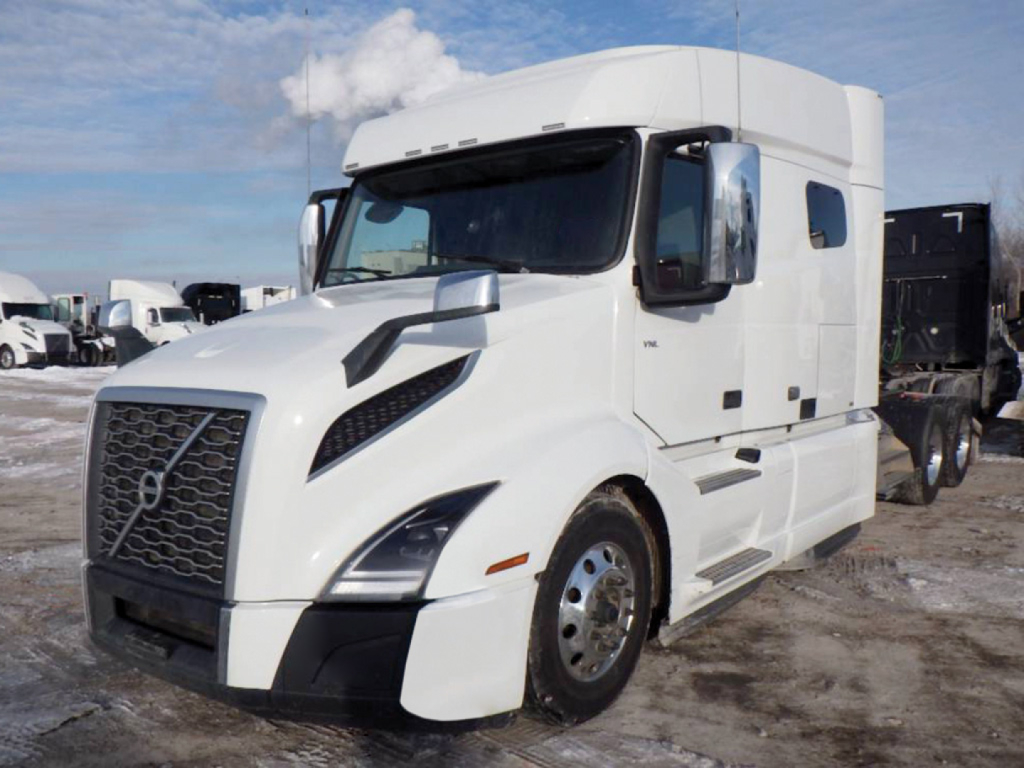
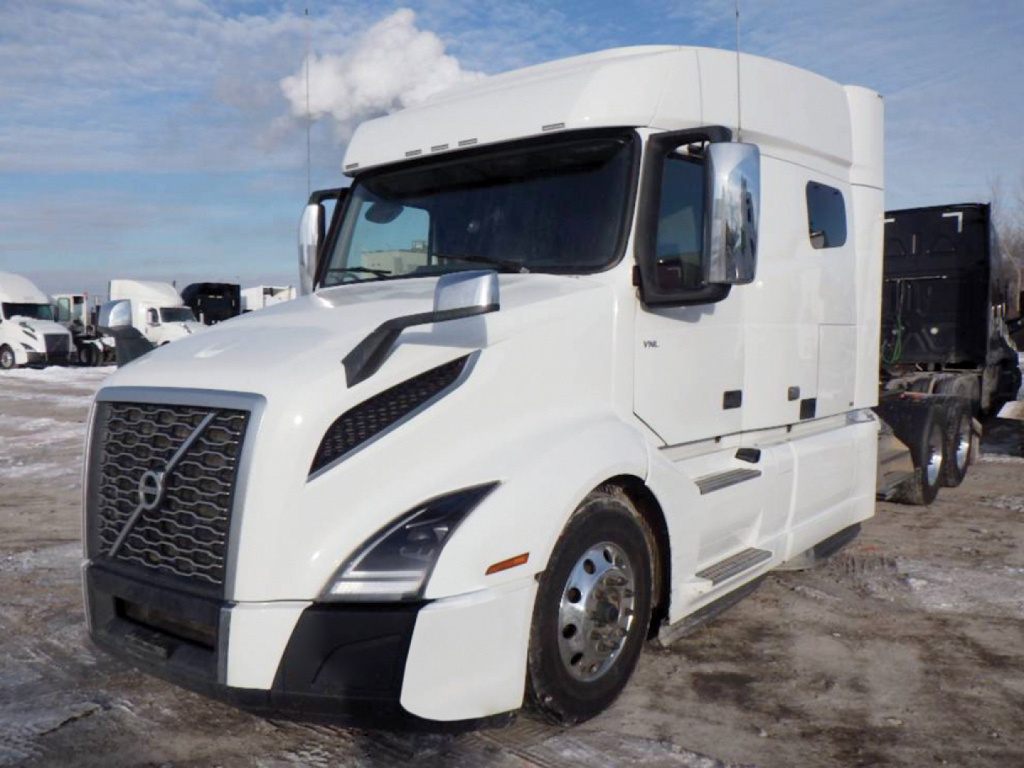
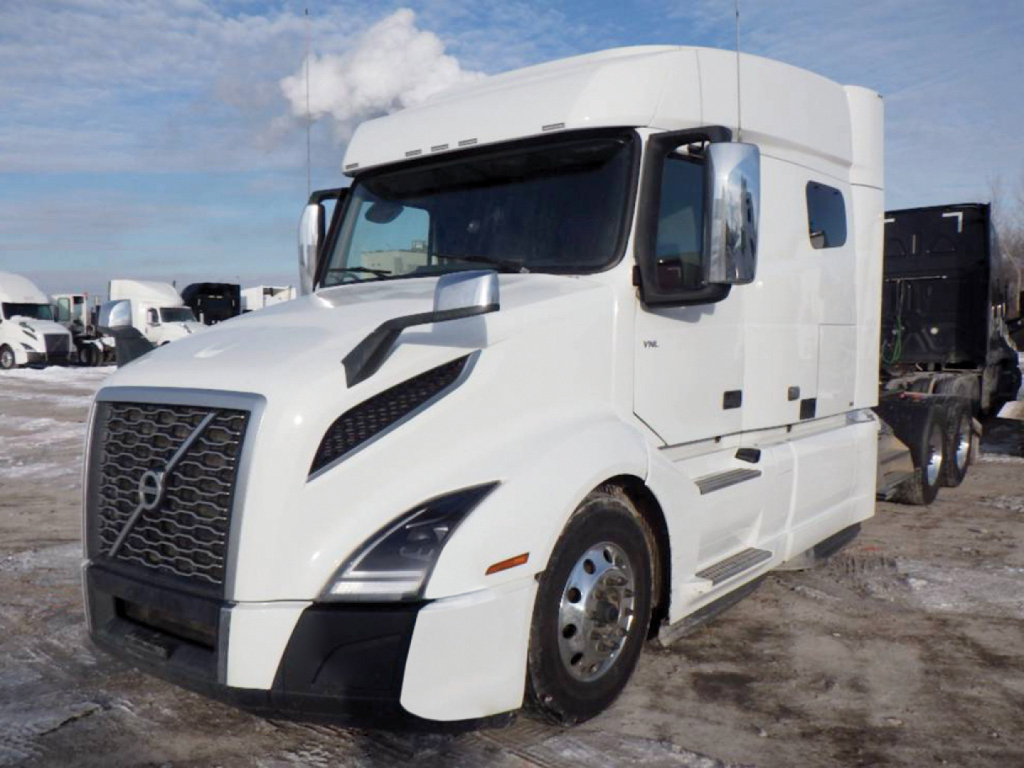
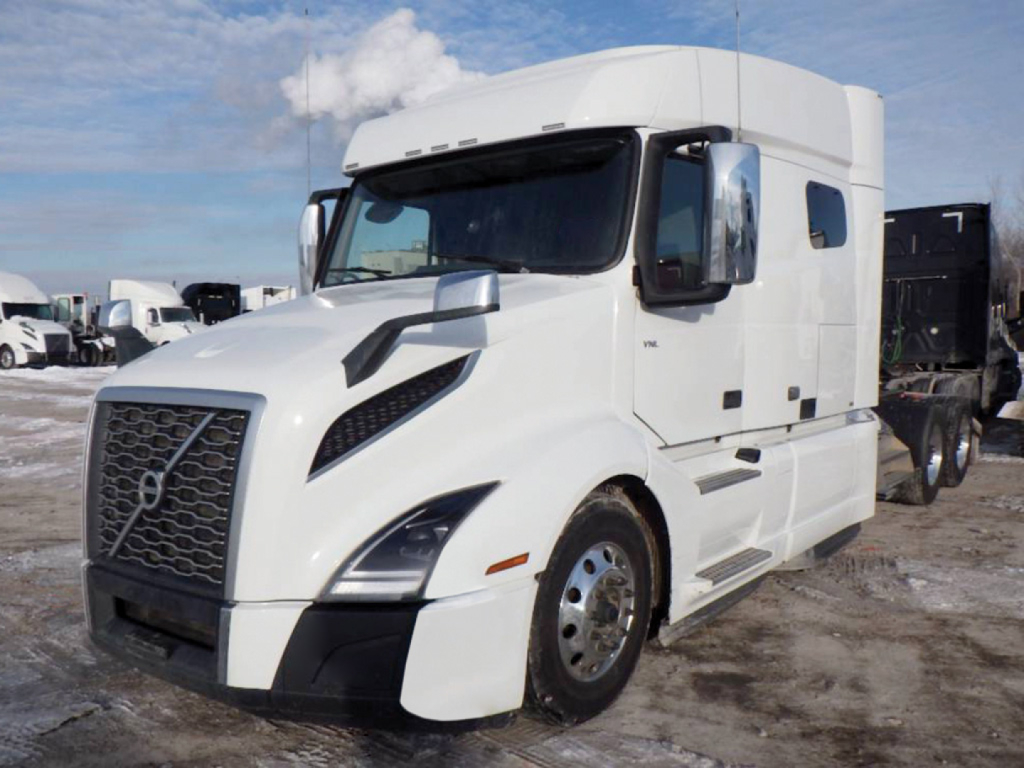
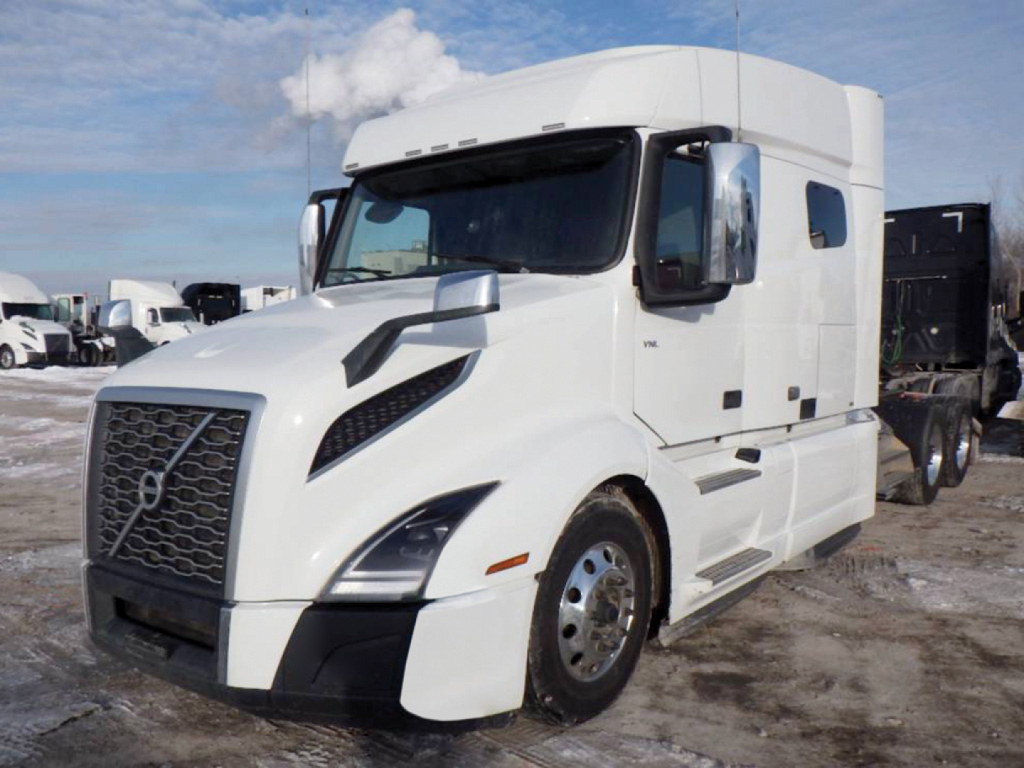
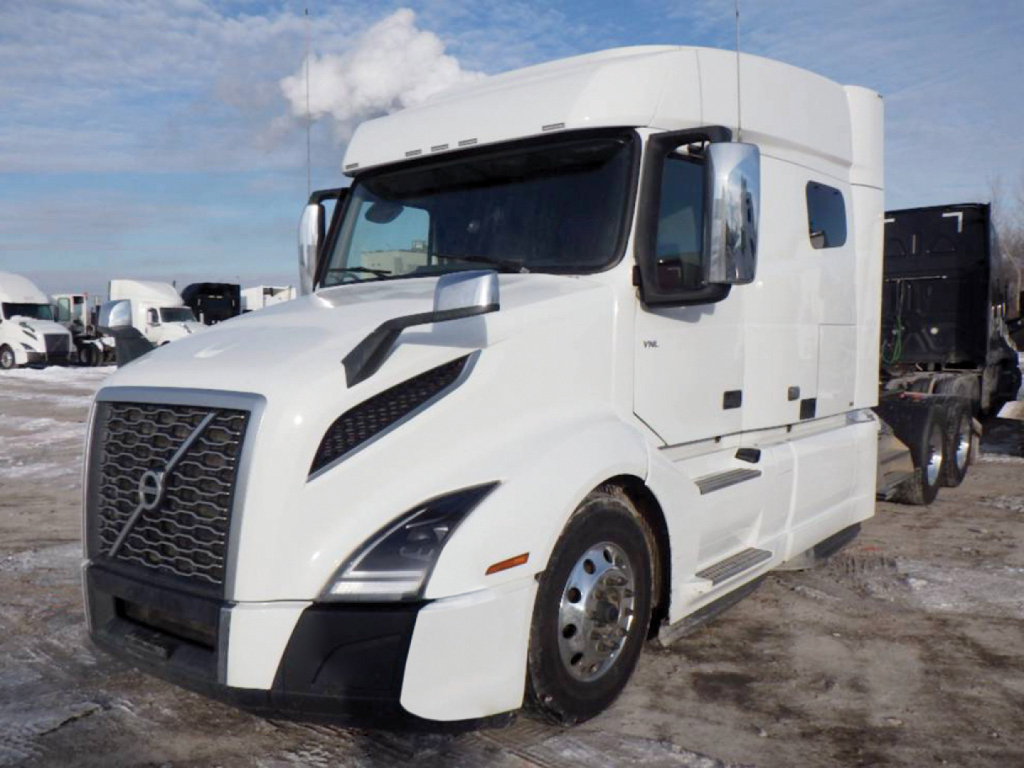
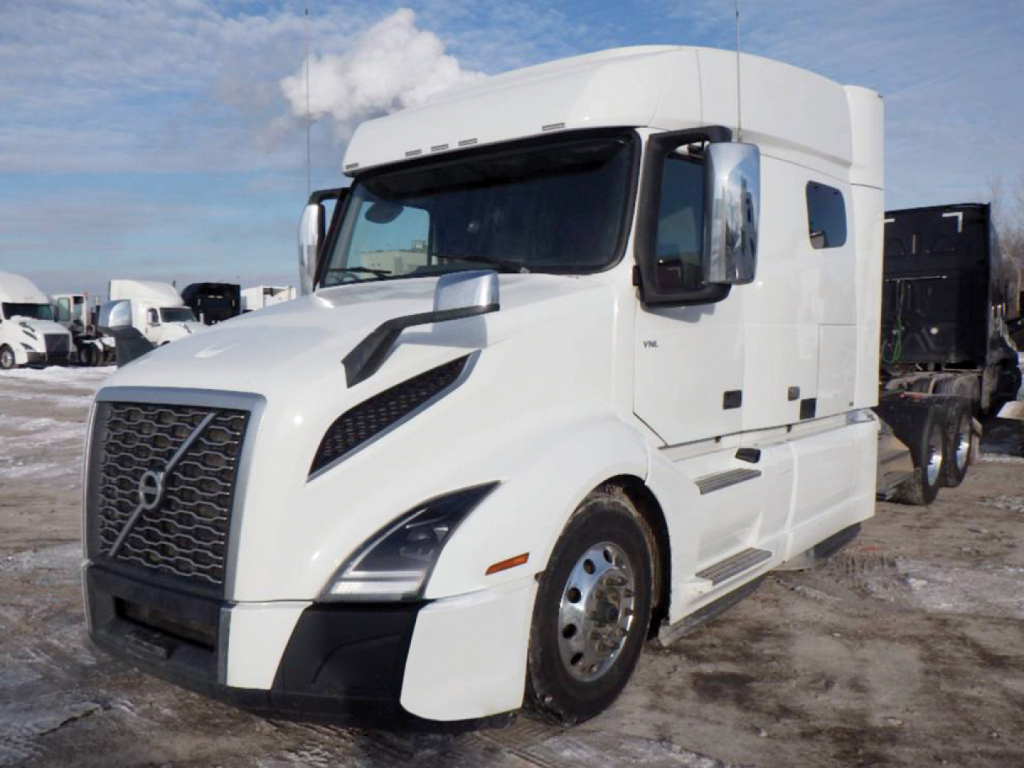
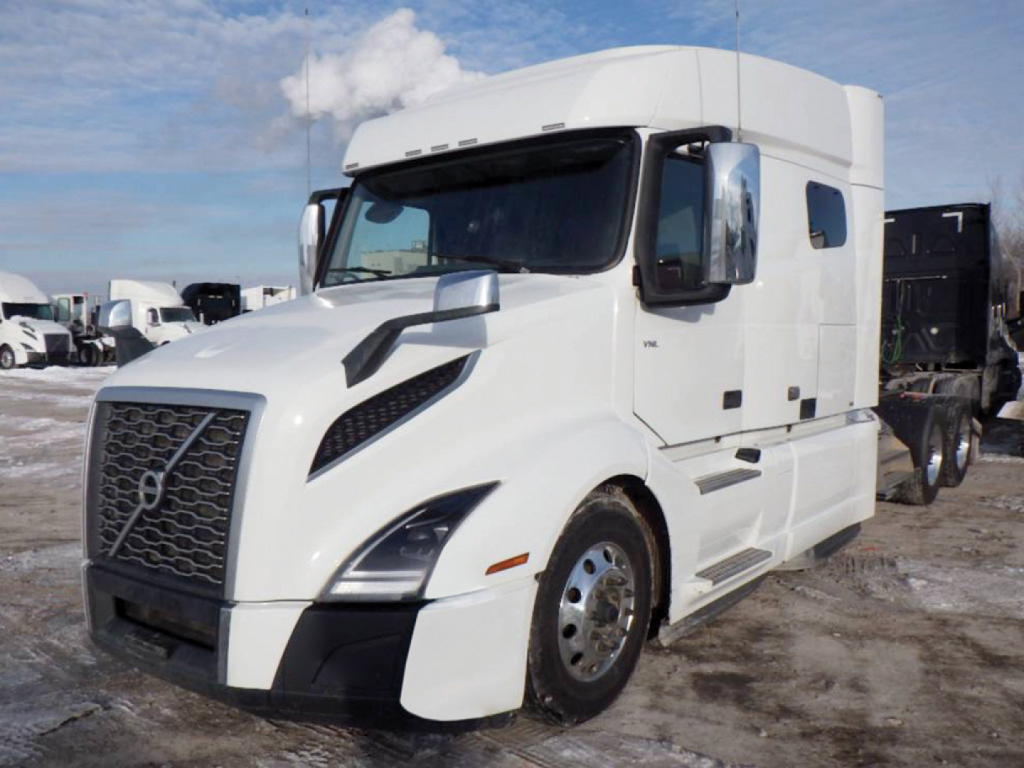
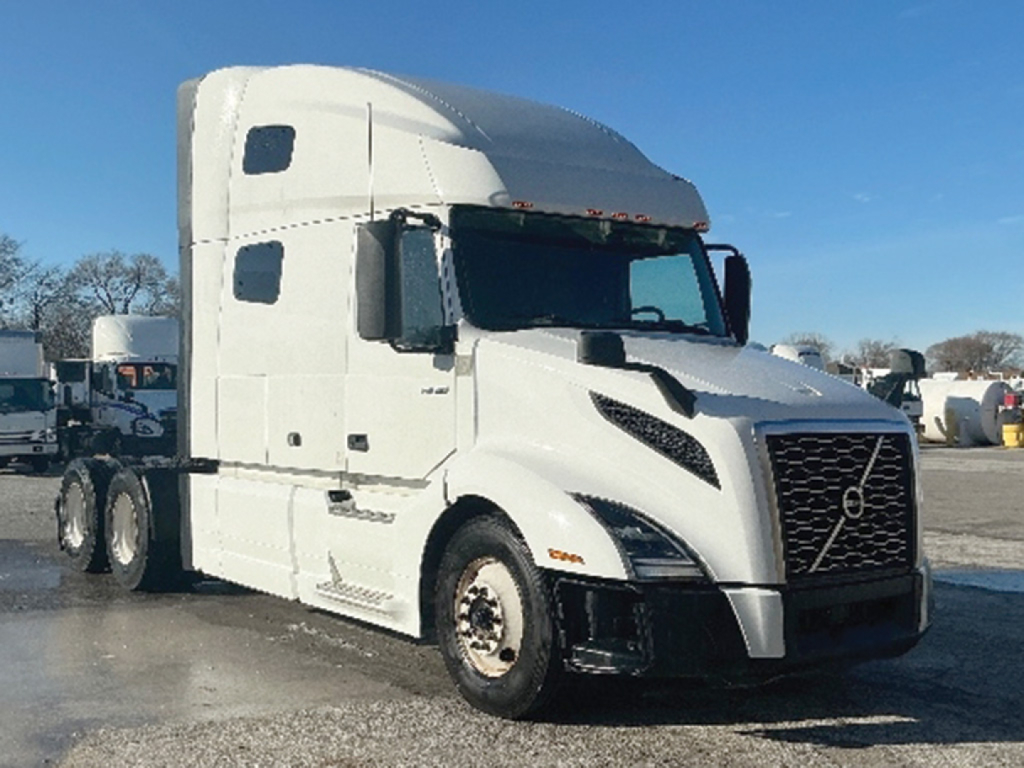

Selling a volvo conventional sleeper truck? List your volvo conventional sleeper truck for sale and reach thousands of commercial buyers.
Volvo Conventional Sleeper Trucks in Illinois
Chassis strength is critical for stability and tire life. Volvo rails use high strength steel with multiple RBM options, and crossmember spacing that supports sliding fifth wheels and heavy pin loads. Inspect for straight rails, tight crossmembers, and a smooth fifth wheel deck that locks square; a rigid frame keeps driveline angles correct and reduces vibration. Inside the cab and sleeper, a solid floor pan, secure bunk mounts, and cabinet fasteners that resist loosening under vibration preserve a quiet cabin and prevent premature interior wear.
Thermal integrity in the sleeper reduces idle time and improves rest quality. Volvo sleepers use insulated panels, sealed door and window gaskets, and effective blackout curtains around the bunk; many units are equipped for parking heaters, optimized idle, or APU integration. For Illinois winters, block heaters, heated mirrors, proper coolant concentration, and fuel system provisions that speed warm-up help cold starts and protect the aftertreatment; in summer heat, a clean HVAC system with intact blend doors and cabin filtration keeps temperatures stable without extended high idle.
Corrosion resistance matters on brine-treated Midwest roads. Volvo cabs feature e-coated, galvanized steel, aluminum tanks and steps, composite aero fairings, and sealed harness connectors to slow rust formation. Still, pay close attention to battery boxes, frame paint behind suspension hangers, air tank brackets, DEF and aftertreatment mounts, and cab mounts for coating loss or rust jacking. Safety and uptime features such as air disc brakes, electronic stability, collision mitigation, lane alerts, remote diagnostics, and over the air updates add measurable value. Match wheelbase to bridge requirements, select rear axle ratios that align cruise speed with the I-Shift’s sweet spot, and choose a liftable pusher 6x2 or full 6x4 based on traction needs for Illinois winters and yard conditions.
Frequently Asked Questions about Volvo Conventional Sleeper Trucks in Illinois
Which engines and transmissions are common on Volvo conventional sleeper trucks, and how do they affect performance?
Most late-model Volvo sleepers use the D13 paired with the I-Shift automated manual. The D13 offers a broad torque band that supports downspeeding, allowing lower cruise rpm for better fuel economy while holding grade at reasonable road speed. The D11 appears on lighter regional sleepers where weight and short-haul efficiency matter. Older units may carry a Cummins ISX or X15 with Eaton Fuller manual or automated transmissions. Direct-drive I-Shift with a numerically lower rear ratio suits flat Illinois routes, while an overdrive with a slightly higher axle ratio can help in rolling terrain.
How can I manage tare weight without sacrificing durability on a Volvo sleeper tractor?
Start with the powertrain and axle configuration, since a 6x2 can trim significant weight compared to a 6x4, though winter traction needs may argue for a 6x4 in Illinois. Aluminum wheels, air disc brakes, and aluminum air tanks reduce pounds without hurting longevity. Right-size fuel capacity for your route density to avoid carrying excess fuel. Mid-roof sleepers can save weight versus high-roof models if freight profile allows. Keep frame RBM appropriate for your application; a lighter rail that is under-spec can lead to flex, driveline wear, and higher lifecycle cost.
What should I inspect to verify frame and floor strength on a used Volvo sleeper?
Sight down both frame rails for bowing or twist and look for rust jacking where crossmembers meet the rails. Check the fifth wheel slide tracks, lock pins, and pull handle for even wear, and verify the deck sits level to maintain proper trailer height. Inspect suspension hangers and torque rod bushings for movement. Inside, lift mats to check the cab floor for moisture or soft spots, verify bunk hinge plates are tight, and look for cabinet fastener fretting. On a test drive, listen for creaks over uneven surfaces, which can indicate crossmember movement or loose interior mounts.
How do Volvo sleepers maintain thermal integrity, and which options matter most for Illinois operations?
Volvo sleepers use insulated wall and roof panels, sealed doors and windows, and a curtain system that isolates the bunk from the cab to reduce heat loss. Parking heaters, inverters, shore power, and APU readiness help cut idle time while keeping the bunk warm or cool. For Illinois winters, a cold-weather package with block heater, heated mirrors, and winter front provisions speeds warm-up and protects the aftertreatment by stabilizing exhaust temperatures. Confirm bunk heater operation, battery health for extended hotel loads, and HVAC performance, including blend door function and condenser cleanliness.
What corrosion concerns are typical for Volvo sleepers used in Illinois, and how does Volvo address them?
Salt and brine target seams and hardware. Volvo mitigates this with e-coated, galvanized cab structures, composite fairings, sealed electrical connectors, and aluminum or stainless components in high-splash areas. Even so, inspect the frame behind steer tires, battery boxes and trays, fuel tank straps, cab corners, DEF tank brackets, air tank saddles, and ground points for coating loss or white corrosion. Regular undercarriage rinsing, touch-up of frame paint, dielectric grease on connectors, and stainless fasteners for common service items will extend service life in Midwest conditions.