
Volvo Conventional Sleeper Trucks For Sale in Georgia
Shop Volvo conventional sleeper trucks in Georgia. Compare VNL 760 and VNL 780 specs, D13 power, I-Shift transmissions, and sleeper options.
Learn more
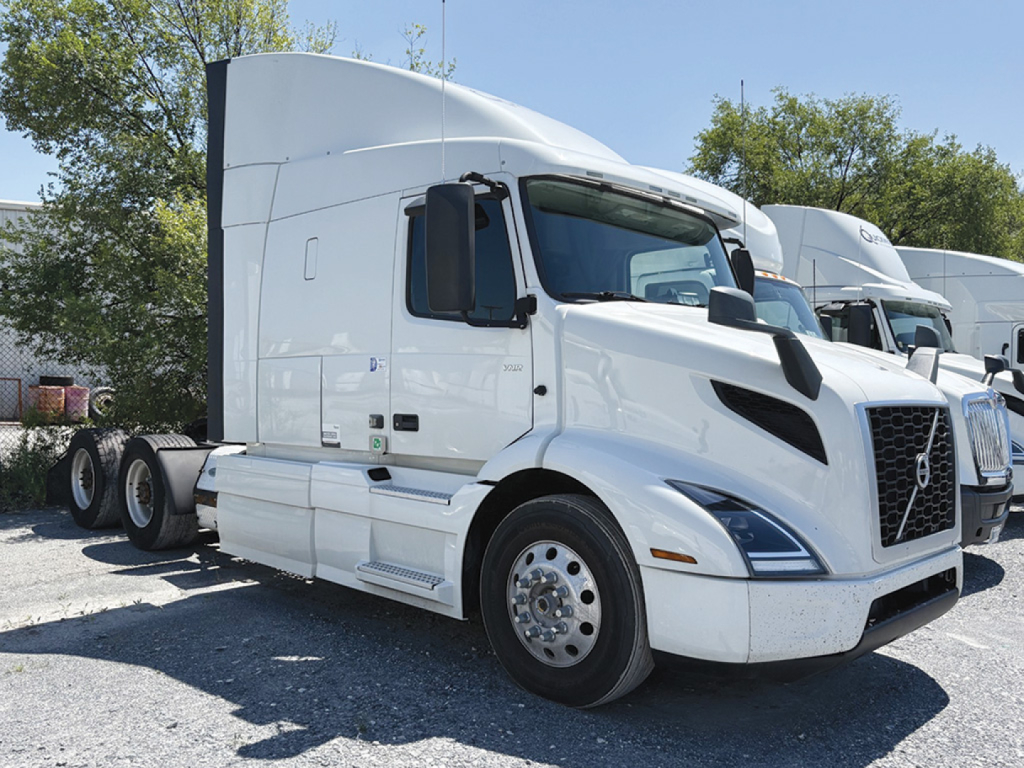
Showing 13 to 24 of 39 results
Have volvo conventional sleeper truck to sell? List it here to reach thousands of buyers.
About Volvo Conventional Sleeper Trucks in Georgia
For most buyers, the first big decision is powertrain. Many Volvo sleeper trucks are spec'd with the Volvo D13 or D13TC engine, often in the 425 to 455 horsepower range, paired with the Volvo I-Shift automated manual transmission. That combination is popular because it balances fuel efficiency with easy drivability in mixed terrain and heavy traffic. Rear axle ratings commonly land around 40,000 pounds, with ratios such as 2.47 or 3.08 depending on whether the truck was ordered for fuel mileage, gradeability, or a blend of both. Wheelbases around the low-220-inch range are common on fleet specs, and buyers should look closely at axle ratio, tire size, and transmission programming together because those three items say a lot about the truck's intended duty cycle.
Sleeper layout matters just as much as engine spec. Volvo conventional sleepers are often equipped with mid-roof or high-roof cabs, double bunks, bunk heaters, storage cabinets, and integrated climate controls that support teams or solo drivers spending multiple nights on the road. Aerodynamic fairings, cab extenders, quarter fenders, and horizontal exhaust are also common on highway tractors in this class. On later-model trucks, it is normal to see disc brakes, collision mitigation systems, cruise control, power windows, air-slide fifth wheels, and other driver-assist or convenience features that improve both safety and trailer interchange flexibility.
A used Volvo conventional sleeper should be evaluated with an eye toward service history, emissions system health, software updates, and the condition of the I-Shift driveline. Buyers also pay attention to sleeper wear, idle management setup, and whether the truck has an APU or bunk heater to reduce engine idle time. In a freight market where operating cost matters as much as purchase price, a well-spec'd Volvo sleeper truck can be a strong choice for van, reefer, and dedicated highway work, especially when the cab, gearing, and sleeper package match the route and the driver's needs.
Frequently Asked Questions
What are the most common Volvo conventional sleeper truck models?
The most common Volvo conventional sleeper trucks are in the VNL series, especially the VNL 760 and VNL 780. These models are designed for highway use and typically feature aerodynamic hoods, high-roof sleeper cabs, and integrated powertrains built around the Volvo D13 engine and I-Shift transmission. The main differences usually come down to sleeper size, interior layout, storage, and how the truck was spec'd for regional or long-haul freight.
Is the Volvo I-Shift a good transmission for a sleeper truck?
The Volvo I-Shift is widely regarded as a strong fit for conventional sleeper trucks because it improves fuel economy, reduces driver fatigue, and shifts consistently in stop-and-go traffic as well as highway cruising. It is especially common in fleet and over-the-road specs where ease of operation and predictable performance matter. When evaluating a used truck, buyers should still confirm software status, clutch condition, and service records because transmission calibration and maintenance history affect how the truck performs under load.
What engine and axle specs are common in Volvo sleeper trucks?
Many Volvo conventional sleeper trucks are equipped with a Volvo D13 or D13TC engine rated around 455 horsepower, backed by tandem rears rated at 40,000 pounds. Common axle ratios include 2.47 for fuel-focused highway use and 3.08 for buyers who want more pull in varied terrain or heavier applications. These specs should always be considered together with transmission model, tire size, and wheelbase because the complete driveline package determines cruise RPM, startability, and fuel economy.
What should I check on a used Volvo sleeper before buying?
The priority items are engine and emissions history, transmission performance, brake type and wear, suspension condition, and sleeper functionality. Buyers should inspect for fault codes, confirm maintenance intervals, and review any repairs related to the aftertreatment system, turbocharger, EGR components, or DEF system. It is also smart to verify that comfort items such as the bunk heater, HVAC controls, upper bunk, and APU if equipped are working properly, since sleeper repairs can add cost after purchase.
Are Volvo conventional sleeper trucks good for long-haul freight in the Southeast?
Yes, Volvo sleeper trucks are well suited for long-haul and regional freight across the Southeast because they are typically spec'd for fuel-efficient highway operation and driver comfort over extended trips. In Georgia and surrounding markets, they are commonly used for dry van, reefer, and dedicated route work moving through major freight corridors and distribution hubs. The best results come from matching the sleeper size, axle ratio, and idle-management equipment to the actual lanes the truck will run.