
2027 Volvo Conventional Sleeper Trucks For Sale in Texas
Shop 2027 Volvo conventional sleeper trucks in Texas. Compare VNL sleeper specs, fuel efficiency, safety systems, and long-haul comfort.
Learn more
Showing 13 to 24 of 45 results
Have 2027 volvo conventional sleeper truck to sell? List it here to reach thousands of buyers.
About 2027 Volvo Conventional Sleeper Trucks in Texas
The powertrain is a major reason many buyers shop Volvo sleepers. The D13 and I-Shift combination is known for smooth shift logic, low driver fatigue, and strong highway efficiency when spec'd correctly. Ratios, rear axle gearing, and cruise speed strategy can make a meaningful difference in real operating cost, especially on long Texas lanes with heavy exposure to sustained highway speeds. Many late-model conventional sleepers also carry predictive cruise, adaptive cruise control, and integrated downhill speed management. Full disc brakes, collision mitigation, lane departure warnings, and stability systems are increasingly common and can be important for both safety performance and insurance considerations.
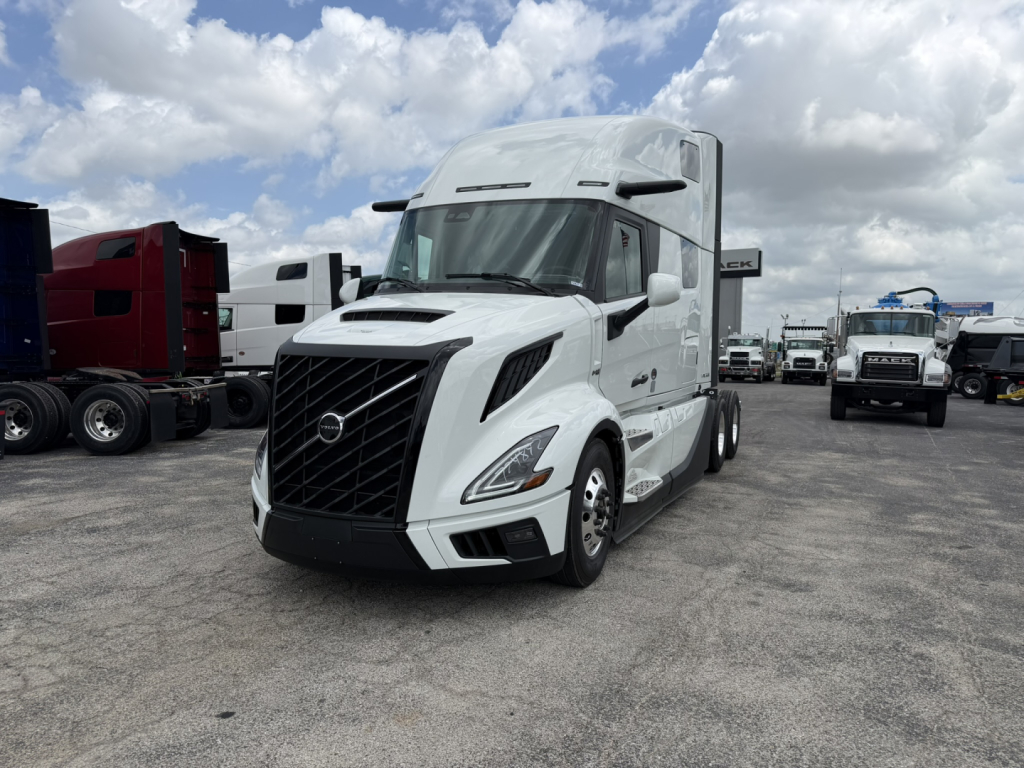
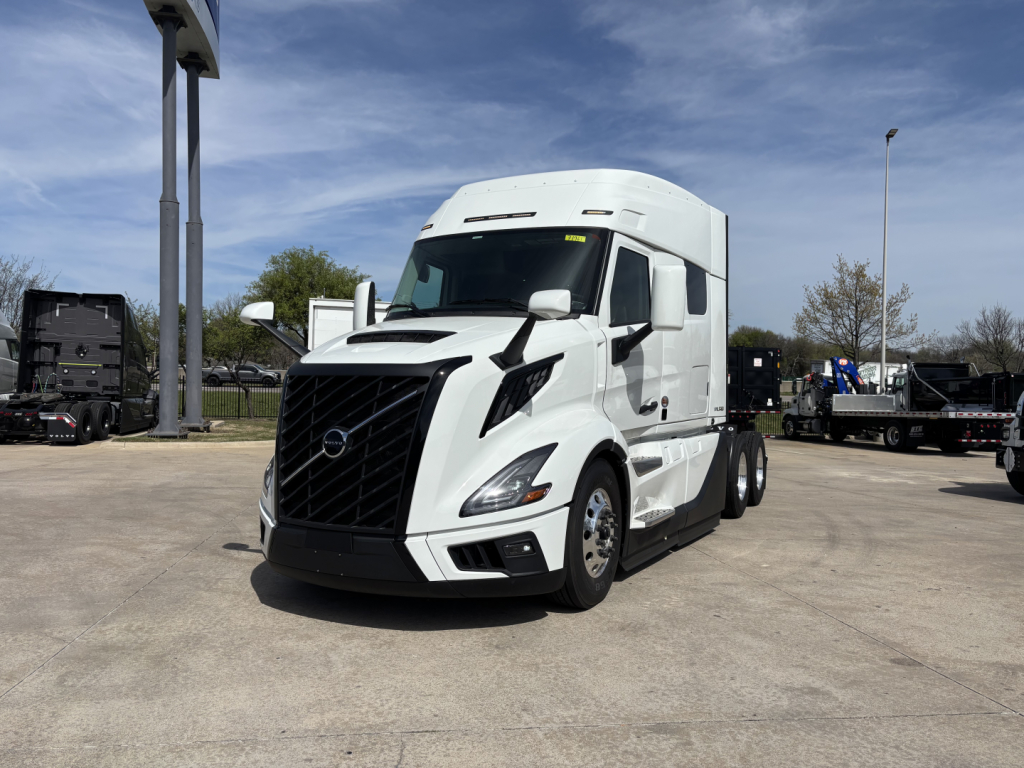
Sleeper size and cab layout should match the type of freight and time spent on the road. Volvo conventional sleepers are often chosen for their driver-focused interior design, quiet cab environment, and practical storage. High-roof configurations such as the VNL 860 are popular for teams, extended runs, and carriers that want stand-up room and a more livable bunk area. Buyers should look at bunk dimensions, inverter setup, APU or electric parking HVAC, refrigerator provisions, and upper cabinet layout if the truck will be used for weeks at a time. Chassis details matter too, including fifth wheel type, frame length, tank placement, suspension spec, and tire package, because they affect weight distribution, trailer gap, serviceability, and how easily the truck fits into an existing fleet.
For a buyer comparing listings, the smart approach is to verify emissions compliance, engine rating, transmission calibration, axle ratio, and active safety content before focusing on cosmetic differences. A 2027 Volvo conventional sleeper can be spec'd for fuel mileage, driver comfort, heavier payload demands, or large fleet standardization, and two similar-looking trucks may perform very differently in service. In Texas, it also makes sense to review cooling system capacity, bunk climate control, and idle management equipment for heat-heavy operations. The best unit for the job is usually the one with a balanced spec that supports your freight type, maintenance plan, and expected trade cycle.
Frequently Asked Questions
What engine and transmission are common in a 2027 Volvo conventional sleeper truck?
Most buyers in this category will encounter Volvo sleeper trucks equipped with a Volvo D13 engine and the Volvo I-Shift automated transmission. Horsepower often falls in the 425 to 455 hp range for general long-haul use, with torque and rear axle gearing selected around the intended gross weight and cruise speed. This combination is popular because it supports fuel efficiency, consistent shifting, and easier driver onboarding than a manual transmission in many fleet applications.
Is a Volvo VNL 860 a good choice for long-haul operation?
The VNL 860 is one of the better-known high-roof sleeper configurations for long-distance freight because it emphasizes living space, storage, and driver comfort without giving up aerodynamic efficiency. It is well suited for solo drivers who stay out for extended periods and for team operations that need more bunk usability. Buyers should still compare sleeper amenities, tank sizes, wheelbase, and weight spec because the same model can be configured very differently depending on the intended application.
What should Texas buyers pay special attention to on a conventional sleeper truck?
Texas buyers should pay close attention to cooling system performance, bunk HVAC, idle reduction equipment, and fuel capacity. Long runs, high ambient temperatures, and extended idle exposure can put extra demand on both the truck and the driver environment. It is also worth reviewing axle ratio and cruise settings for highway efficiency, along with safety technology and brake spec for interstate use and mixed terrain.
Are full disc brakes and collision mitigation worth it on a sleeper tractor?
For many buyers, yes. Full disc brakes can improve stopping consistency, reduce brake fade concerns, and simplify certain maintenance routines compared with drum setups, depending on the fleet's service practices. Collision mitigation, adaptive cruise, lane support features, and stability systems can also improve safety performance and may support lower incident exposure. The value is strongest for high-mileage over-the-road operations where the truck spends most of its life on busy highways.
How do I compare two similar Volvo sleeper truck listings?
Start with the hard specs instead of the model badge alone. Confirm engine rating, torque, transmission version, axle ratio, wheelbase, suspension, fifth wheel, fuel tank capacity, and emissions certification. Then review sleeper equipment such as inverter, APU or parking HVAC, refrigerator prep, and bunk layout. Two conventional sleeper trucks with the same year and model can have very different operating costs, payload characteristics, and driver appeal based on how they were spec'd.