
2023 Volvo Conventional Sleeper Trucks For Sale in Texas
Browse 2023 Volvo conventional sleeper trucks in Texas. Compare VNL sleeper specs, D13 power, I-Shift options, comfort, and safety features.
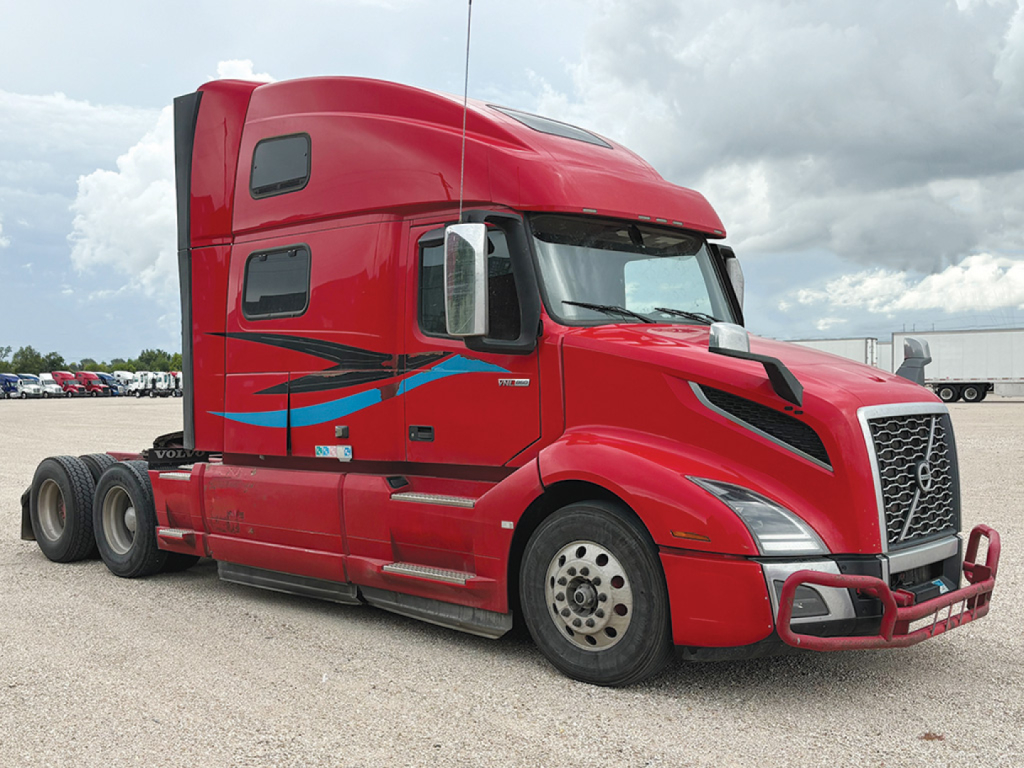
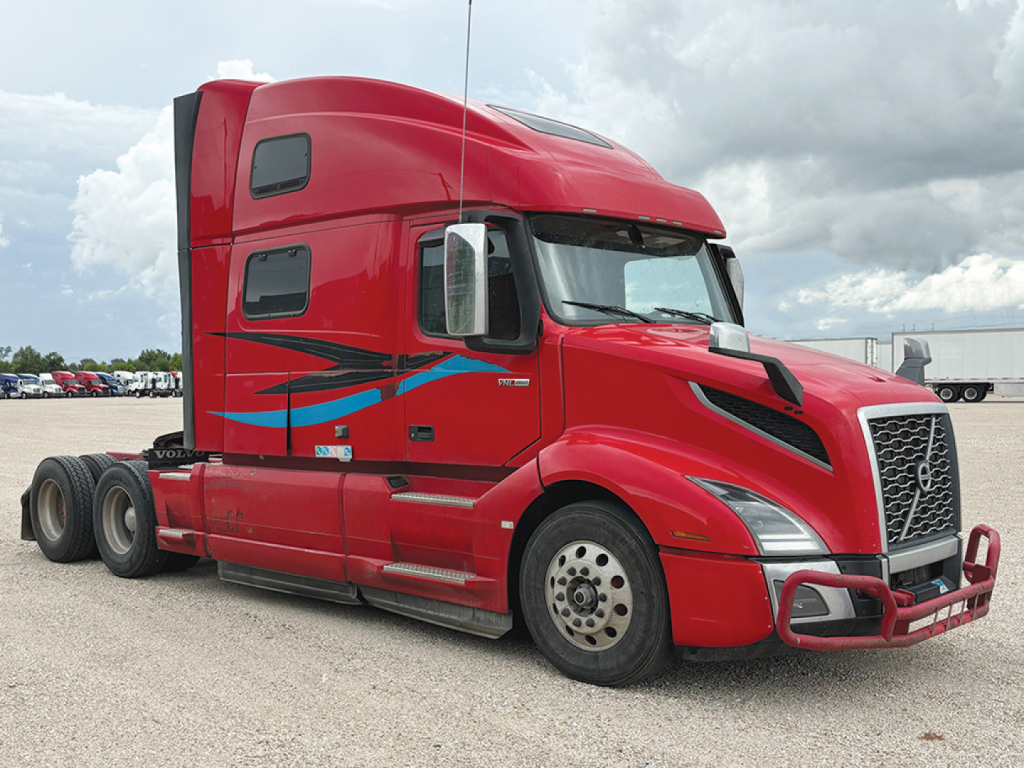
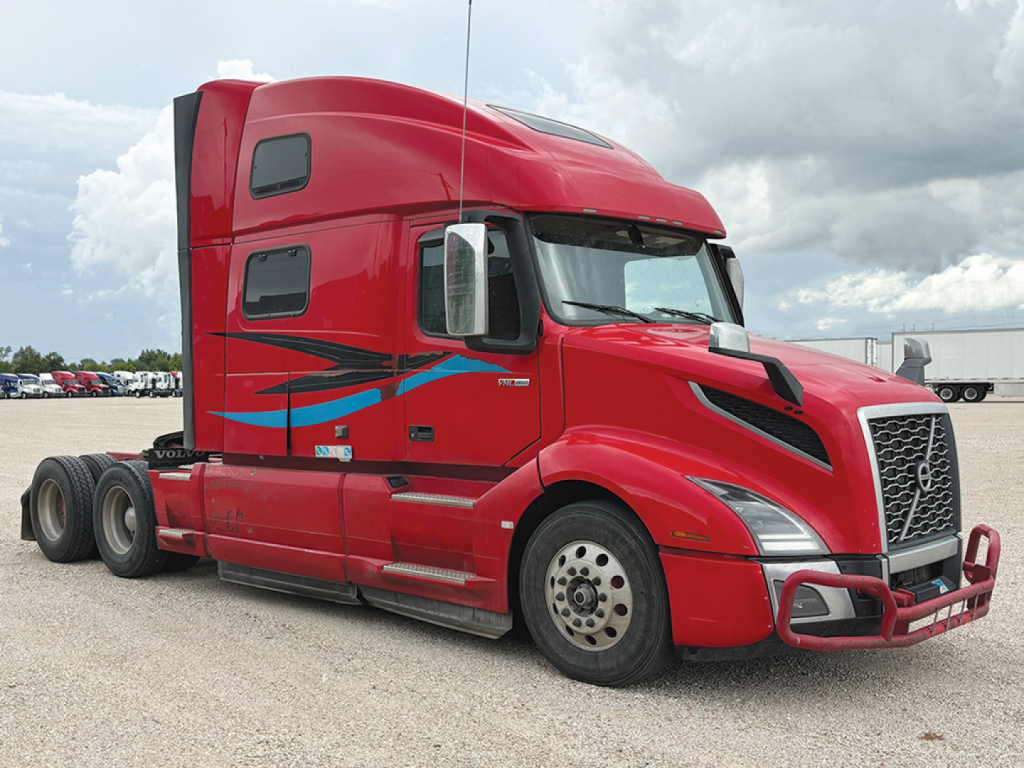
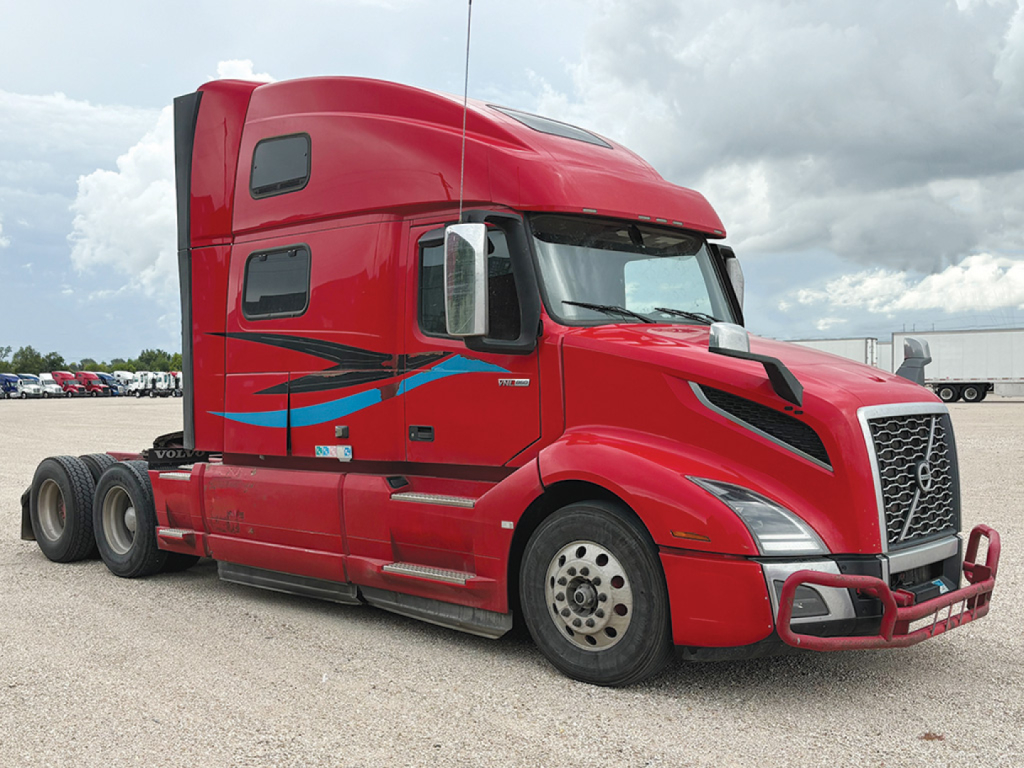
Have 2023 volvo conventional sleeper truck to sell? List it here to reach thousands of buyers.
2023 Volvo Conventional Sleeper Trucks in Texas
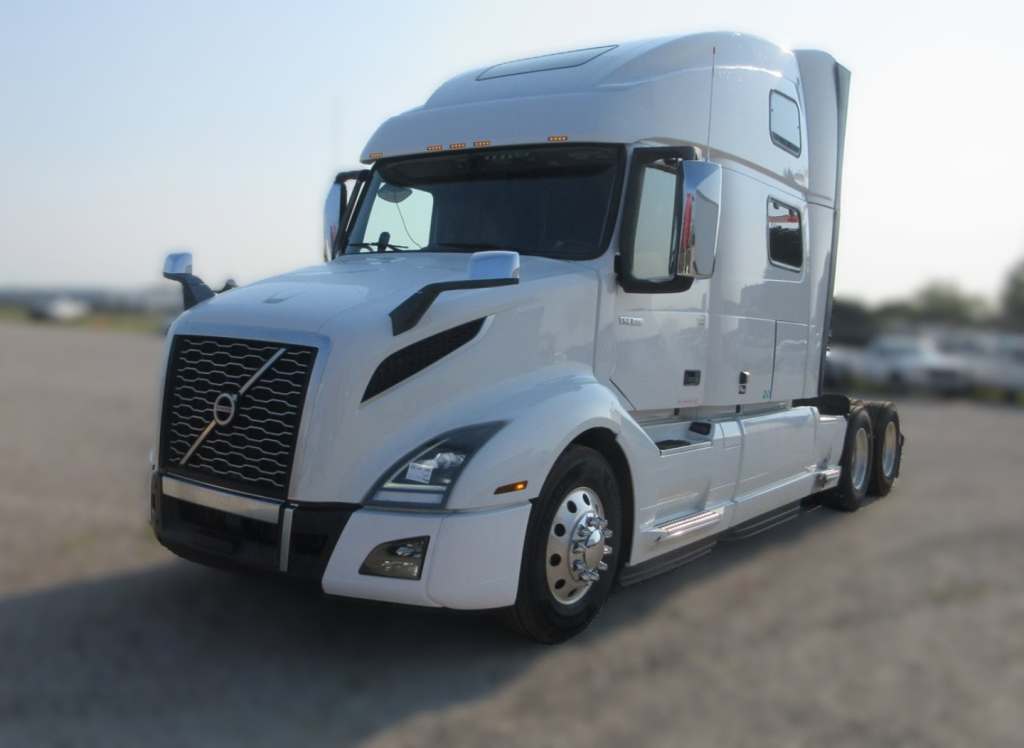
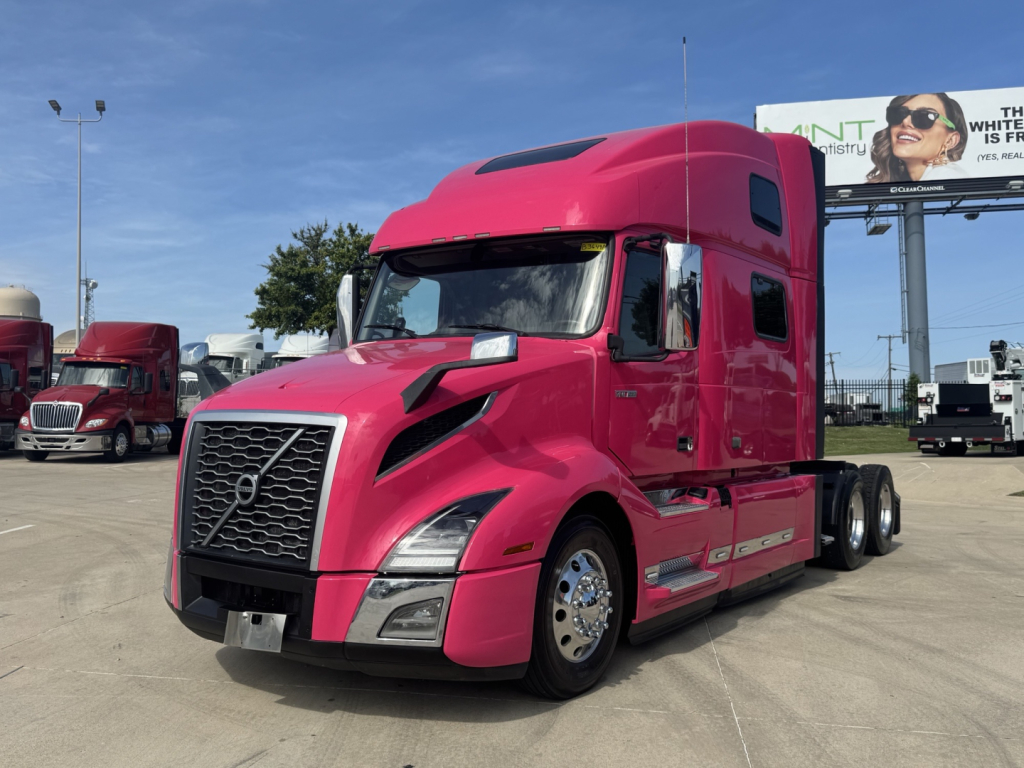
The key buying decision in this category is usually the sleeper and chassis spec, not just horsepower. Buyers should compare roof height, bunk layout, wheelbase, fuel capacity, axle ratings, and rear axle ratio based on the lanes they plan to run. A typical conventional sleeper setup may include a 6x4 tandem axle configuration, 12-speed automated transmission, air ride suspension, and fuel tanks sized for longer range. On premium trims, it is common to see disc brakes, adaptive cruise control, collision mitigation, lane support features, upgraded seats, inverter packages, and refrigerator or microwave prep. If the truck is intended for team operation or extended over-the-road use, interior storage, bunk access, HVAC performance, and idle-management equipment become just as important as drivetrain spec.
Volvo sleeper trucks are also known for a driver-forward cab design, quiet interior, and strong safety integration. Features such as Volvo Dynamic Steering, VADA or driver-assist packages, backup cameras, and factory infotainment systems can improve daily usability and reduce driver fatigue. For fleets and owner-operators alike, maintenance history, software calibration status, emissions compliance, and tire and brake condition should be reviewed closely on a 2023 unit. In Texas, buyers should also think about cooling performance, APU or inverter needs, and whether the truck's fuel and weight spec fit long-haul runs across the Southwest or dedicated regional freight with frequent loading cycles.
A well-matched 2023 Volvo conventional sleeper can serve dry van, reefer, dedicated contract freight, and general over-the-road applications. The best choice depends on balancing cab comfort with payload, gearing, and operating cost. A higher sleeper trim may help with driver retention and time away from home, while a simpler spec may be better for fleets standardizing service parts and reducing upfront cost. When comparing listings, pay attention to engine rating, I-Shift programming, wheelbase, fifth wheel setup, suspension type, and sleeper amenities, because those details determine how the truck will perform in real freight conditions, not just how it looks on paper.
Frequently Asked Questions about 2023 Volvo Conventional Sleeper Trucks in Texas
What engine and transmission are common in a 2023 Volvo conventional sleeper truck?
Most 2023 Volvo conventional sleeper trucks are built around the Volvo D13 engine paired with the Volvo I-Shift automated manual transmission. This is one of the most common combinations in the VNL sleeper market because it delivers a good balance of fuel economy, highway performance, and driver acceptance. Horsepower ratings can vary by application, so buyers should match the engine rating and transmission software to the trailer weight, terrain, and average cruising speed they expect to run.
What should I look for when comparing 2023 Volvo VNL sleeper specs?
The most important items are sleeper size, wheelbase, axle ratings, rear axle ratio, fuel capacity, suspension, and safety equipment. A truck with the right bunk layout but the wrong gearing can be a poor fit for heavy or high-mile lanes. Buyers should also review whether the truck has disc brakes, a sliding fifth wheel, idle-management equipment, navigation, inverter capacity, and driver-assist systems. These details affect uptime, fuel cost, and day-to-day usability more than model badge alone.
Are 2023 Volvo conventional sleeper trucks good for long-haul use in Texas?
Yes, this category is well suited for Texas long-haul and regional work because Volvo sleepers are known for cab comfort, efficient powertrains, and strong highway manners. Texas operations often involve high heat, long interstate distances, and wide variations in freight weight, so cooling performance, fuel tank size, sleeper HVAC, and driver-assist technology matter. A properly spec'd 2023 Volvo sleeper can work well in dry van, reefer, and general freight applications across the state and into surrounding markets.
What safety features are commonly found on a 2023 Volvo conventional sleeper?
Many 2023 Volvo sleepers are equipped with advanced safety systems such as adaptive cruise control, forward collision warning, lane support functions, backup cameras, and Volvo Dynamic Steering. Equipment can vary by trim and original fleet spec, so buyers should confirm exactly which systems are installed and functioning. These features can reduce driver fatigue, improve highway confidence, and support fleet safety goals when the truck is used in high-mile over-the-road service.
How important is sleeper configuration on a 2023 Volvo conventional sleeper truck?
Sleeper configuration is one of the biggest factors in overall value because it affects driver comfort, storage, idle strategy, and suitability for team or solo operation. A larger sleeper with refrigerator, inverter, and bunk amenities may support better retention and longer dispatch cycles, while a simpler sleeper can reduce weight and cost. Buyers should choose the cab and bunk setup based on trip length, home-time schedule, and the level of onboard equipment their operation actually requires.