
2017 Volvo Conventional Sleeper Trucks For Sale
Shop 2017 Volvo conventional sleeper trucks. Compare VNL specs, sleeper sizes, powertrain options, and long-haul features buyers value.
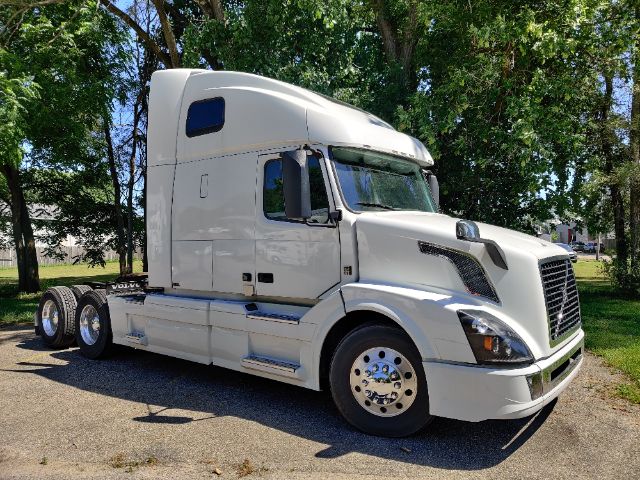
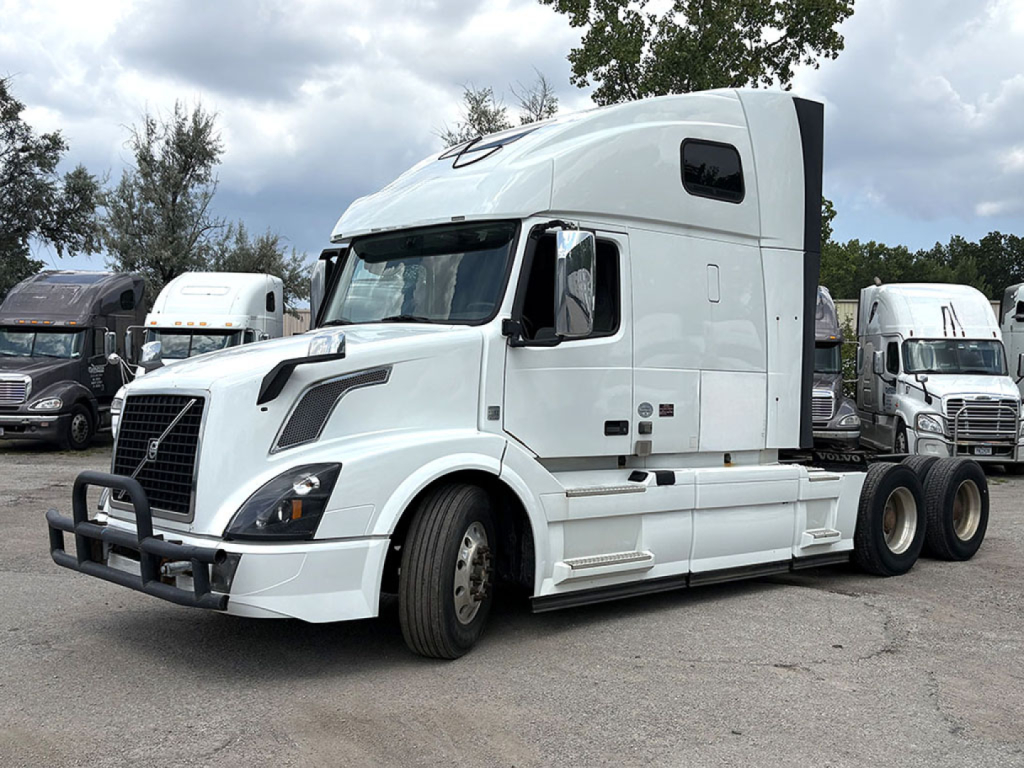

Have 2017 volvo conventional sleeper truck to sell? List it here to reach thousands of buyers.
2017 Volvo Conventional Sleeper Trucks
Powertrain spec is the first place to focus. Many 2017 Volvo sleeper trucks are equipped with Volvo D11 or D13 diesel engines paired with the I-Shift automated manual transmission, although some units may be spec'd differently depending on original duty cycle. The D13 is the more common fit for over-the-road applications, especially where heavier gross combination weights, higher average speeds, or mountainous routes are part of the job. Buyers should compare horsepower and torque ratings, rear axle ratios, and wheelbase against the intended freight. A fuel-efficient linehaul spec can be very different from a heavier regional or multi-stop setup. It also pays to confirm emissions system service history, transmission calibration updates, and whether the truck has been maintained to Volvo's recommended intervals.
Sleeper configuration matters just as much as engine spec. A 2017 Volvo conventional sleeper may be equipped with a 61-inch, 70-inch, or 77-inch sleeper depending on the VNL model, and that directly affects storage, bunk space, and driver acceptance. High-roof sleepers tend to be preferred for teams and extended trips, while smaller sleepers can make sense for cost control and weight savings on shorter lanes. Buyers should look closely at bunk condition, HVAC performance, inverter setup, refrigerator prep or install, idle management systems, and signs of interior wear. On the chassis side, common checkpoints include frame condition, suspension type, fifth wheel wear, tire match, and front-end alignment history. Volvo's steering feel and cab ergonomics are a selling point, but they are best appreciated in a truck that has been kept tight mechanically.
For many operations, the appeal of a 2017 Volvo sleeper is the balance of operating cost and driver-friendly design. These trucks were built for highway efficiency, and the right spec can still be productive in a modern fleet if mileage, maintenance records, and prior application line up. A buyer comparing listings should pay attention to sleeper size, axle configuration, engine family, transmission, and maintenance documentation before focusing on cosmetic details. On a used highway tractor, the best value usually comes from a spec that matches the lane, not just the lowest purchase price.
Frequently Asked Questions about 2017 Volvo Conventional Sleeper Trucks
What engine is commonly found in a 2017 Volvo conventional sleeper truck?
Many 2017 Volvo conventional sleeper trucks are equipped with the Volvo D13 diesel engine, and some lighter or efficiency-focused specs may use the D11. The D13 is generally the most common choice for over-the-road freight because it offers a broad range of horsepower and torque ratings suited to long-haul and heavier gross combination weights. Engine rating should always be matched to terrain, trailer type, and average payload rather than judged by horsepower alone.
Is the Volvo I-Shift a good transmission choice in a 2017 sleeper truck?
The Volvo I-Shift is widely considered one of the stronger automated manual options in the highway tractor market, especially for linehaul work. It is valued for smooth shifting, fuel economy, and reduced driver fatigue in stop-and-go traffic or long-distance operation. On a used 2017 truck, buyers should still verify software updates, clutch life where applicable, fault history, and maintenance records to make sure the transmission performs as intended.
What sleeper sizes are available on 2017 Volvo VNL trucks?
A 2017 Volvo VNL conventional sleeper can commonly be found with several sleeper lengths, often including 61-inch, 70-inch, and 77-inch configurations depending on the model. Smaller sleepers fit regional overnight use and can reduce weight, while larger high-roof sleepers are better suited for long-haul drivers who need more standing room, storage, and living space. The right size depends on route length, solo or team use, and driver retention priorities.
What should I inspect first on a used 2017 Volvo sleeper tractor?
Start with the powertrain and service history before cosmetics. Engine maintenance records, emissions system repairs, transmission service, axle ratios, and fault codes tell you more about long-term value than paint or interior trim. After that, inspect the sleeper HVAC, bunk area, tires, suspension, fifth wheel condition, and any signs of uneven wear that could point to alignment or chassis issues.
Are 2017 Volvo conventional sleeper trucks good for long-haul operations?
Yes, a properly spec'd 2017 Volvo conventional sleeper truck is well suited for long-haul freight. Volvo built the VNL platform around aerodynamics, ride quality, and driver comfort, which are all important in over-the-road service. The best results come from choosing a truck with the right sleeper size, engine rating, rear axle ratio, and documented maintenance history for the lanes it will run.