
Used 2024 Conventional Sleeper Trucks For Sale in Iowa
Browse used 2024 conventional sleeper trucks in Iowa with late-model specs, fuel-efficient powertrains, sleeper options, and fleet-ready features.
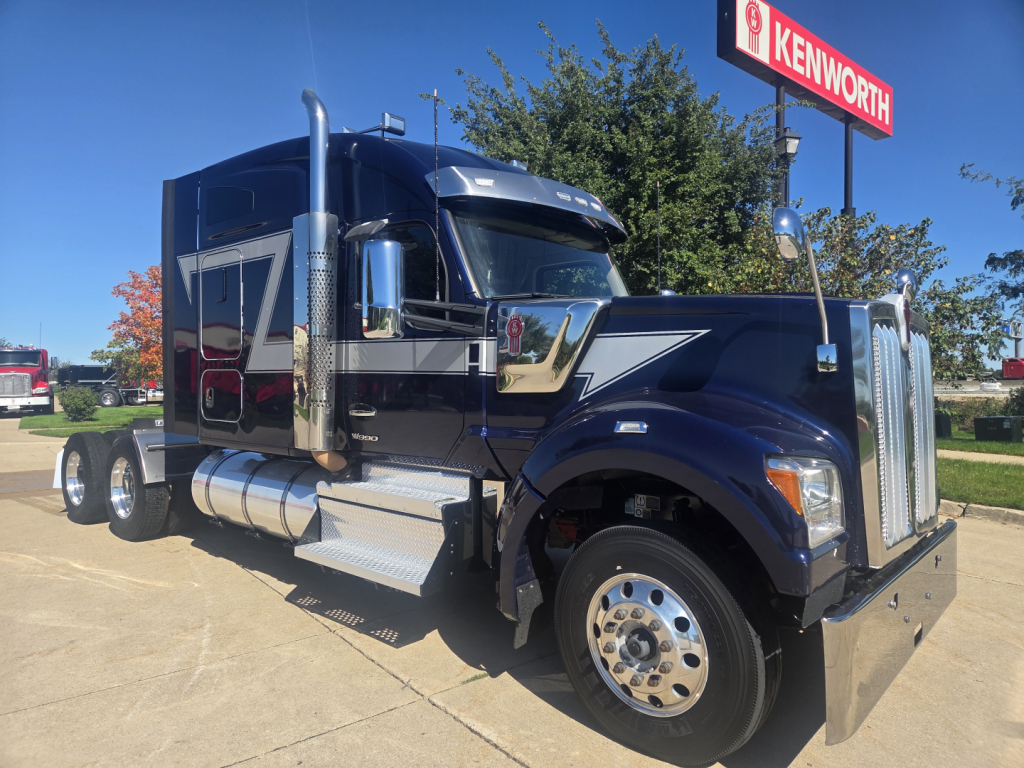
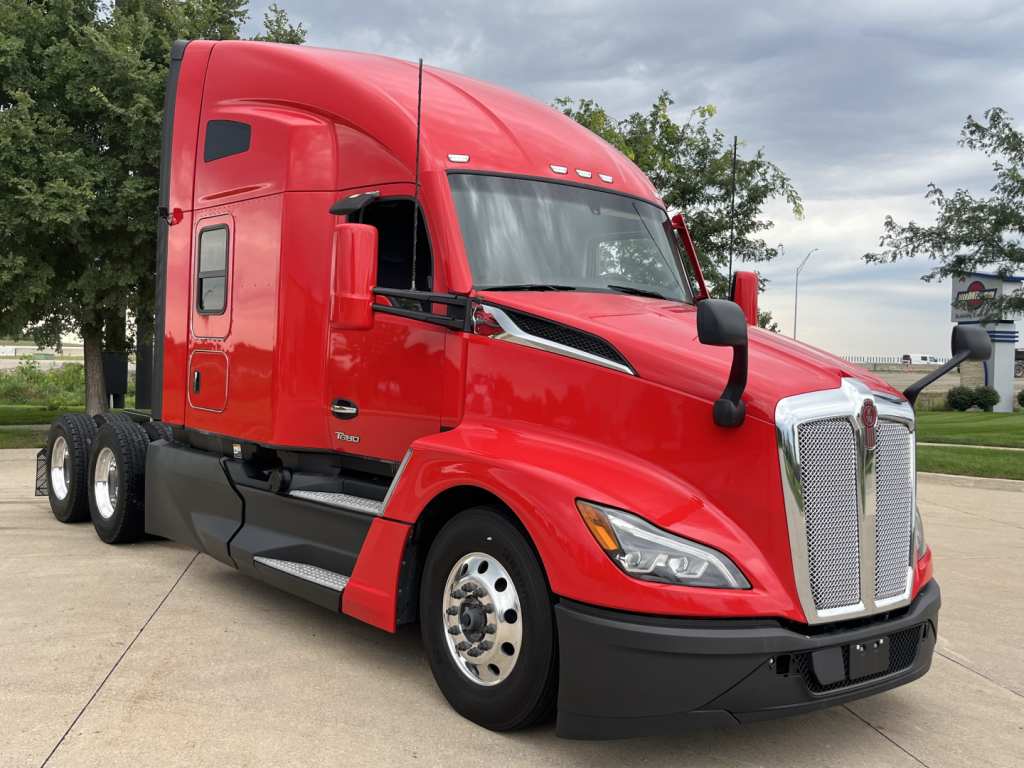
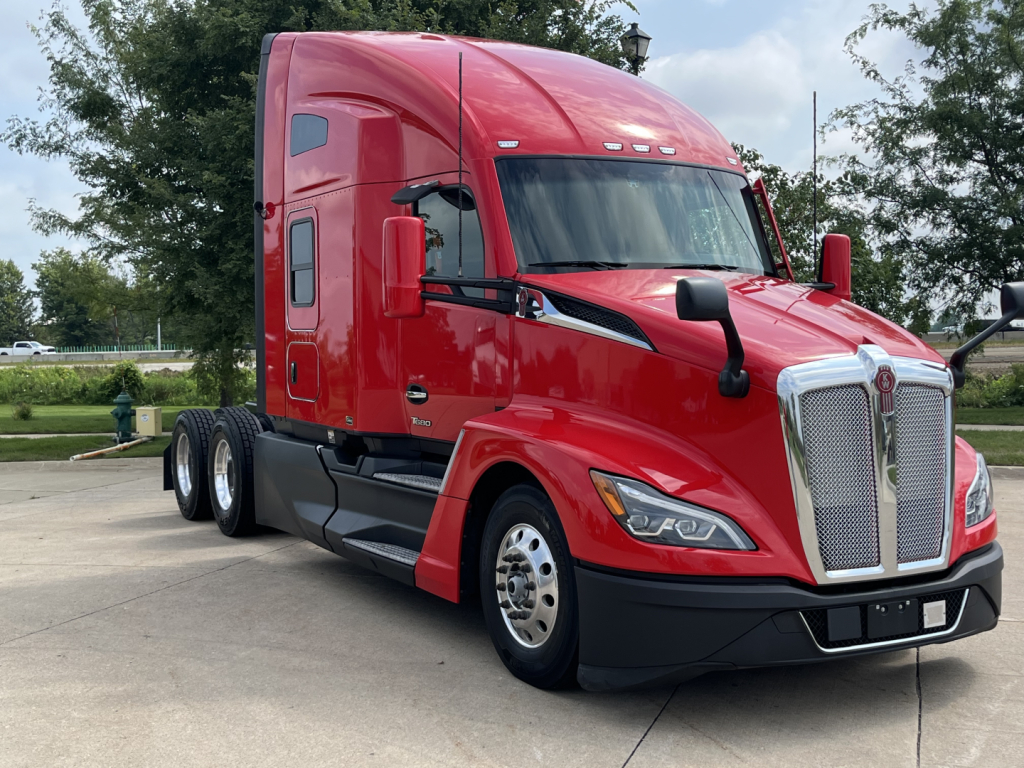
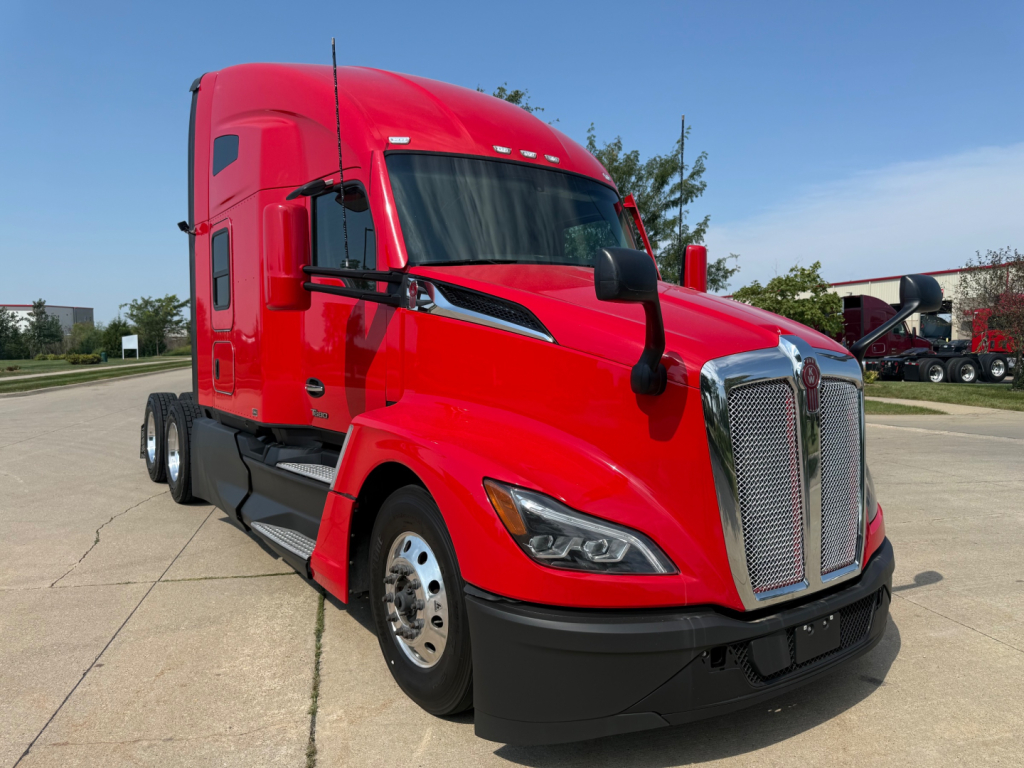
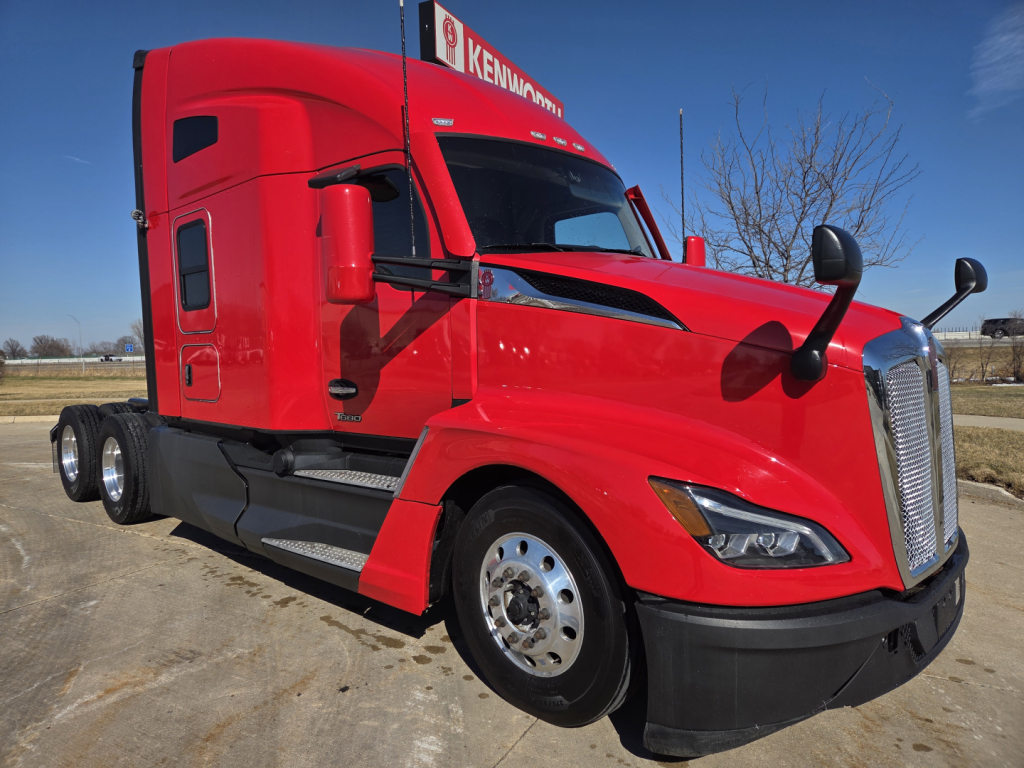
Selling a used 2024 conventional sleeper truck? List your used 2024 conventional sleeper truck for sale and reach thousands of commercial buyers.
Used 2024 Conventional Sleeper Trucks in Iowa
A 2024 model year matters because it often brings newer safety and emissions hardware, updated dash layouts, and more advanced telematics integration than older sleeper trucks. Buyers should pay close attention to remaining factory coverage on the engine, aftertreatment, transmission, and chassis components, since that can materially affect operating cost in the first ownership cycle. Driver-assist features are increasingly common in late-model conventional sleepers, including collision mitigation, adaptive cruise control, lane departure warning, and hill start assist. On the spec side, front disc brakes, dual fuel tanks, idle reduction systems such as electric or diesel APUs, inverters, and bunk climate equipment are all worth evaluating if the truck will stay out for multiple days at a time.
For Iowa operations, spec selection often comes down to balancing interstate efficiency with four-season usability. A sleeper tractor running I-80 or regional Midwest lanes benefits from a clean aero package, tall gearing, and enough fuel capacity to reduce stop frequency, but cold-weather details also matter. Engine block heaters, bunk heaters, heated mirrors, and strong HVAC performance can make a real difference in winter. If the truck will be assigned to a solo driver, a mid-roof or standard raised-roof sleeper may be enough. Team operations or longer over-the-road runs usually justify a double bunk, refrigerator prep, more storage, and hotel-load capability through an inverter or APU.
When comparing used 2024 conventional sleeper trucks, focus less on brand alone and more on the total spec package. Mileage, idle hours, maintenance history, aftertreatment service records, tire and brake life, and any signs of deferred maintenance should all be reviewed alongside sleeper size and comfort features. A truck with the right wheelbase, fifth wheel setup, fuel capacity, and drivetrain ratio for your freight can outperform a higher-horsepower truck that is poorly matched to the lane. Conventional sleeper trucks are also commonly called highway sleepers, sleeper tractors, or road tractors, and the best choice is usually the one that fits your freight network, driver retention goals, and cost-per-mile targets.
Frequently Asked Questions about Used 2024 Conventional Sleeper Trucks in Iowa
What is a conventional sleeper truck used for?
A conventional sleeper truck is designed for over-the-road freight where the driver needs both highway performance and onboard living space. These tractors are commonly used in dry van, refrigerated, flatbed, and dedicated route applications that require overnight or multi-day trips. The sleeper compartment behind the cab gives the truck a clear advantage over a day cab when driver rest, route flexibility, and long-distance utilization are priorities.
What specs matter most on a used 2024 conventional sleeper truck?
The most important specs are the engine rating, transmission type, rear axle ratio, sleeper size, fuel capacity, and safety equipment. Buyers should also review axle configuration, wheelbase, fifth wheel position, brake type, and whether the truck has an APU, inverter, bunk heater, or refrigerator space. On a late-model used truck, warranty balance, emissions system history, and telematics capability can be just as important as horsepower.
Is a 2024 conventional sleeper truck a good fit for Midwest and Iowa freight?
Yes, a 2024 conventional sleeper truck is well suited for Iowa and broader Midwest freight because it combines highway efficiency with the comfort needed for longer runs. Aerodynamic sleeper tractors perform well on interstate lanes, while cold-weather features such as engine heaters, heated mirrors, and dependable cab climate systems support year-round operation. The right drivetrain and fuel tank setup can also help reduce operating costs on longer regional and over-the-road routes.
What is the difference between a day cab and a conventional sleeper?
A day cab is built for shorter routes and does not include a sleeping compartment, which usually makes it lighter and easier to maneuver in local or terminal-based work. A conventional sleeper includes a bunk area behind the driver seats for rest, storage, and extended trip capability. Buyers moving general freight over long distances typically choose a sleeper because it supports Hours of Service compliance, improves driver comfort, and reduces dependence on off-truck accommodations.
How do I evaluate a used late-model sleeper truck before buying?
Start with maintenance records, engine hours, mileage, idle time, and any warranty information that remains on the powertrain or aftertreatment system. Then inspect tire wear, brake condition, suspension components, frame condition, sleeper equipment, and signs of leaks or emissions-related repairs. It is also smart to confirm the truck's gearing, fuel tank capacity, and sleeper amenities match the type of freight, route length, and driver expectations you plan to run.