
Used 2022 Conventional Sleeper Trucks For Sale
Shop used 2022 conventional sleeper trucks with aero cabs, raised-roof sleepers, automated manuals, and specs built for long-haul freight.
Learn moreBrowse Conventional Sleeper Trucks by Make
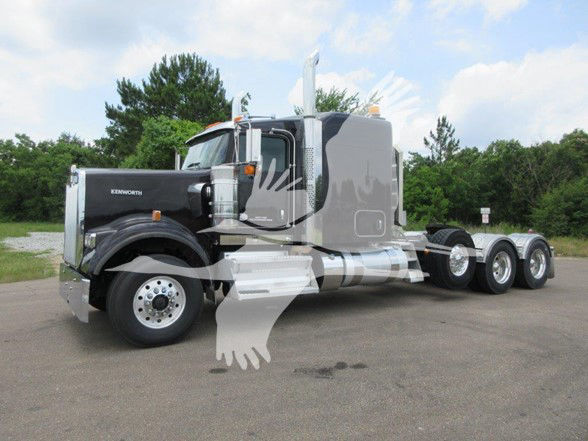
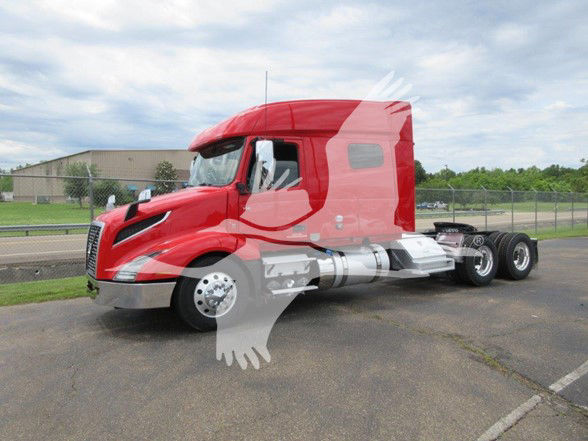
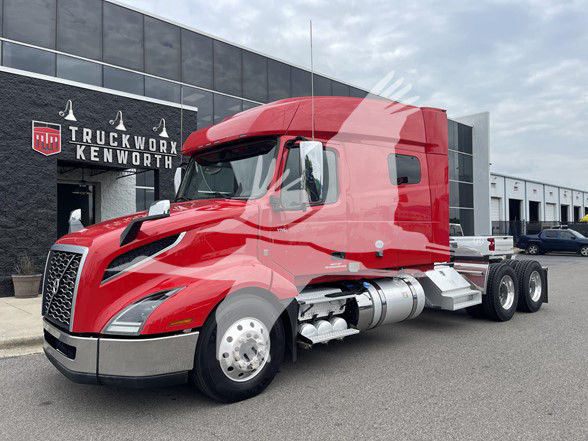
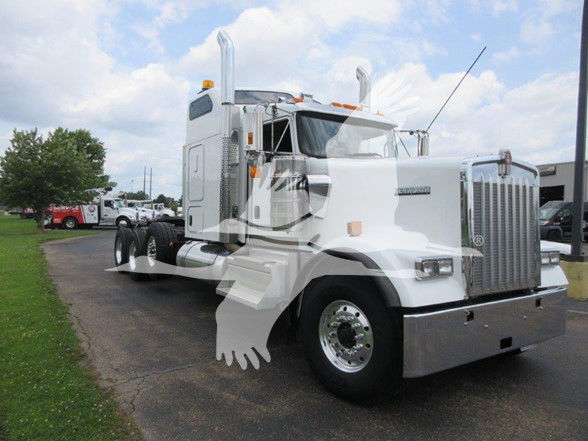
Showing 97 to 100 of 100 results
Have used 2022 conventional sleeper truck to sell? List it here to reach thousands of buyers.
About Used 2022 Conventional Sleeper Trucks
Powertrain spec is where a 2022 conventional sleeper truck either fits the job or misses it. Common engines in this year range include the Cummins X15, Detroit DD15, PACCAR MX-13, and Volvo D13, typically rated from about 400 to 505 horsepower with torque figures from roughly 1,650 to 1,850 lb-ft, and higher in some vocational-adjacent specs. Most used 2022 sleepers on the market are paired with automated manual transmissions such as the Detroit DT12, Eaton Endurant, or Volvo I-Shift, though some buyers still target 13-speed or 18-speed manual trucks for specialized lanes or mountain work. Rear axle ratings often land at 40,000 pounds, with ratios like 2.64, 2.85, or 3.08 aimed at fuel economy, while heavier or more versatile specs may carry 3.25 or deeper gearing. Wheelbase, fifth wheel position, and tank capacity matter more than many buyers expect, especially if the truck needs to handle trailer swaps, tight terminals, or longer stretches between fuel stops.
The sleeper itself is more than a comfort feature. It affects retention, uptime, storage, and the kind of freight the truck can realistically cover. Raised-roof sleepers with double bunks are common in over-the-road applications, while shorter sleepers can make sense for regional routes that still require overnight capability. Buyers should pay attention to bunk HVAC, insulation, cabinet layout, mattress configuration, shore power prep, and whether the truck has an APU or battery-based idle reduction system. Safety and operational tech became more common by 2022, so it is worth looking for collision mitigation, adaptive cruise control, lane departure warning, disc brakes, tire pressure monitoring, and factory telematics integration. These features can influence insurance, maintenance planning, and driver acceptance just as much as engine make.
Condition still separates one used 2022 sleeper from another more than the badge on the hood. Service history on the aftertreatment system, overhead on idle hours versus road hours, brake and tire spec, suspension type, and signs of fairing or sleeper damage all deserve a close look. For buyers planning van, reefer, or general freight work, aerodynamic packages, full side fairings, roof fairings, and cab extenders can make a measurable difference in fuel burn. For heavier loads or regional operations, a lift axle, heavier front axle, or less aggressive axle ratio may be the better fit. A good used 2022 conventional sleeper truck should match the lane, trailer type, terrain, and driver schedule first, then the cosmetic and trim preferences can follow.
Frequently Asked Questions
What is a conventional sleeper truck?
A conventional sleeper truck is a Class 8 tractor with a long hood and a built-in sleeping compartment mounted behind the cab. It is also commonly called a sleeper semi truck, highway tractor, or road tractor. In the 2022 model year, conventional sleepers were typically configured for over-the-road freight, regional haul, and dedicated contract lanes, with aerodynamic bodywork, integrated fairings, and sleepers sized for one or two drivers.
What engines and transmissions are common in used 2022 conventional sleeper trucks?
Used 2022 conventional sleeper trucks commonly feature engines such as the Cummins X15, Detroit DD15, PACCAR MX-13, and Volvo D13. Horsepower usually falls between 400 and 505, depending on the application and fleet spec. Most trucks from this year are equipped with automated manual transmissions like the DT12, Eaton Endurant, or I-Shift, although some manual 13-speed and 18-speed setups still appear in specialty or heavy-duty service.
What sleeper size is best for long-haul work?
For long-haul freight, buyers usually prefer a 72-inch to 80-inch raised-roof sleeper, especially when the truck runs team service or multi-day trips. These layouts generally offer better standing room, more storage, and room for an upper bunk, refrigerator, or cabinet package. A shorter sleeper can still be effective for regional overnight runs, but a larger sleeper tends to improve driver comfort and reduce fatigue on extended routes.
What should I inspect on a used 2022 sleeper truck before buying?
The most important checks are maintenance records, engine hours, idle hours, emissions system service history, tire condition, brake wear, and any fault code history. Buyers should also inspect the sleeper interior, bunk HVAC operation, fairings, hood alignment, frame condition, suspension components, and fifth wheel wear. On a 2022 truck, electronic driver-assist features and telematics hardware should be verified as working correctly because those systems can affect compliance, insurance, and repair costs.
Are 2022 conventional sleeper trucks good for owner-operators?
A used 2022 conventional sleeper truck can be a strong owner-operator choice because it offers newer fuel-efficiency features, updated safety systems, and modern driver amenities without the full cost of a new truck. The key is matching the spec to the revenue lane. An owner-operator pulling dry van or reefer may benefit from an aerodynamic 6x4 with a fuel-efficient axle ratio, while heavier freight or mountain routes may justify more horsepower, deeper gearing, or a heavier-duty drivetrain.