
Used 2022 Conventional Sleeper Trucks For Sale in Oklahoma
Shop used 2022 conventional sleeper trucks in Oklahoma. Compare aero and mid-roof sleepers, powertrains, axle specs, ratios, and sleeper options.
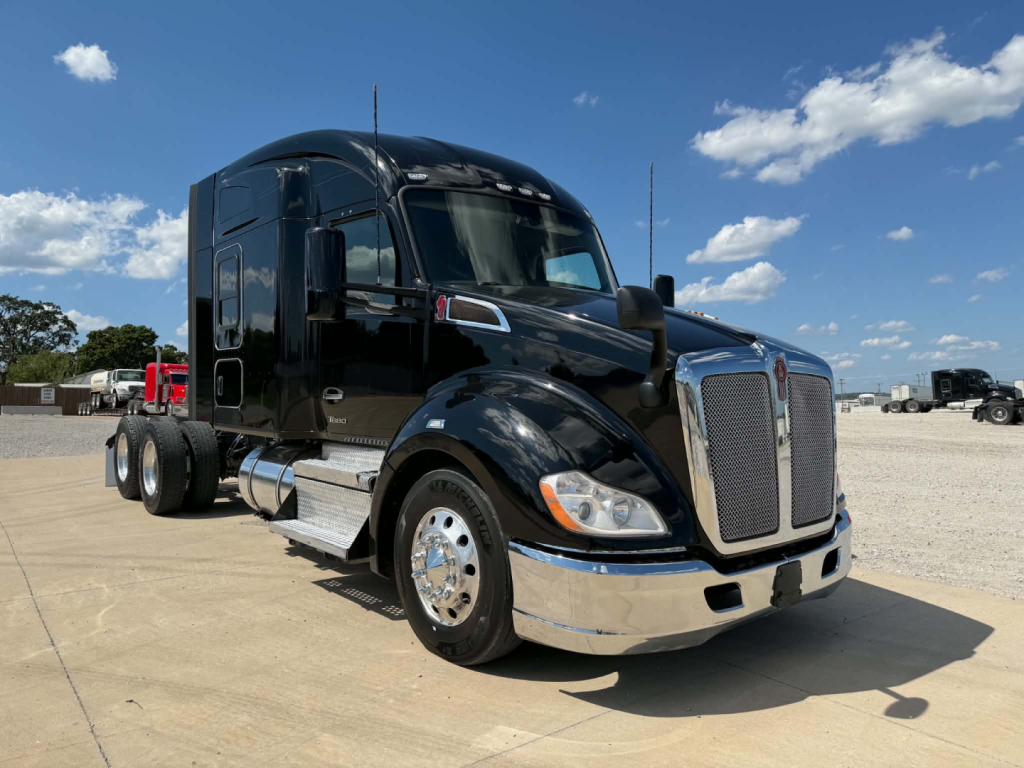
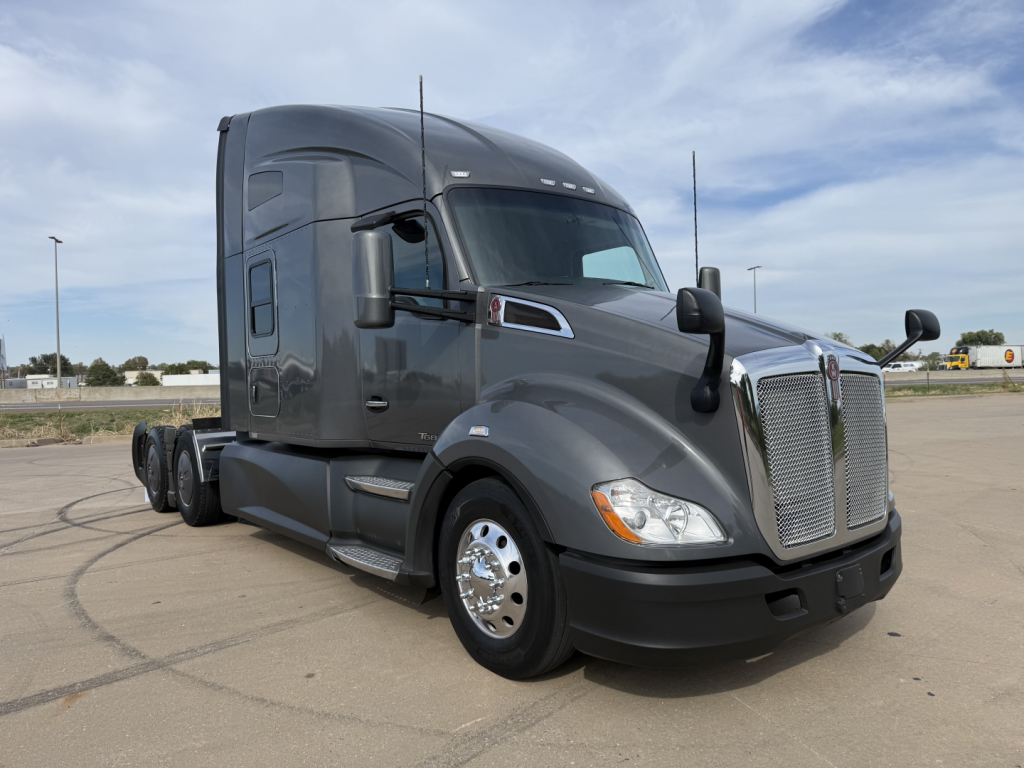
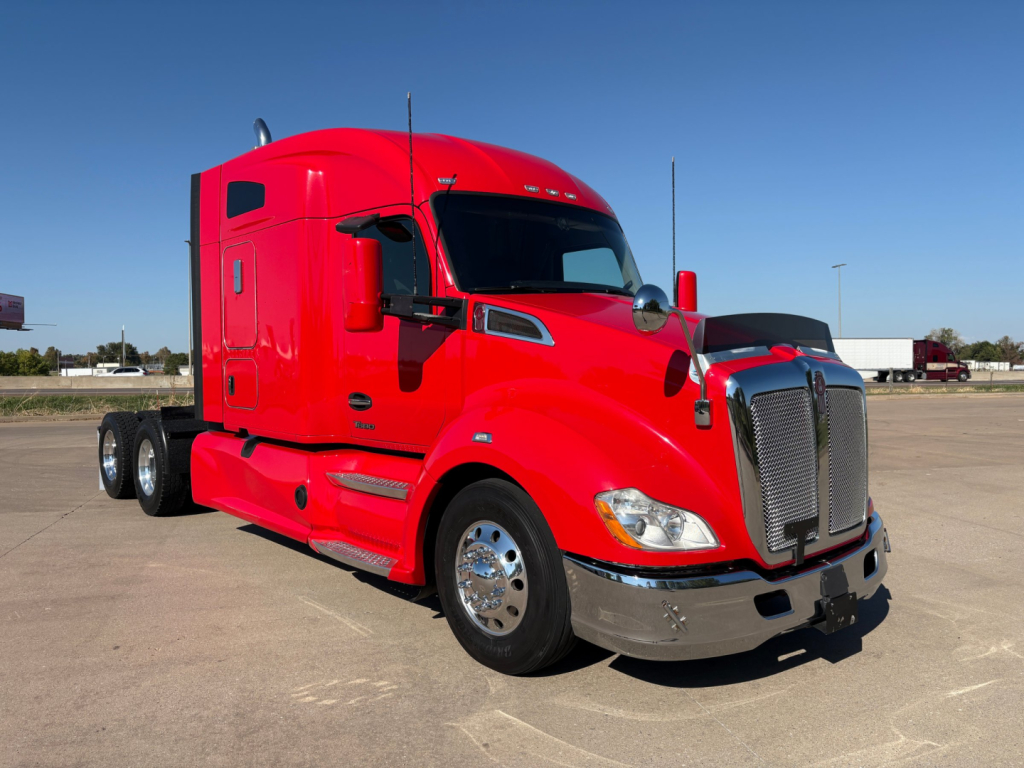
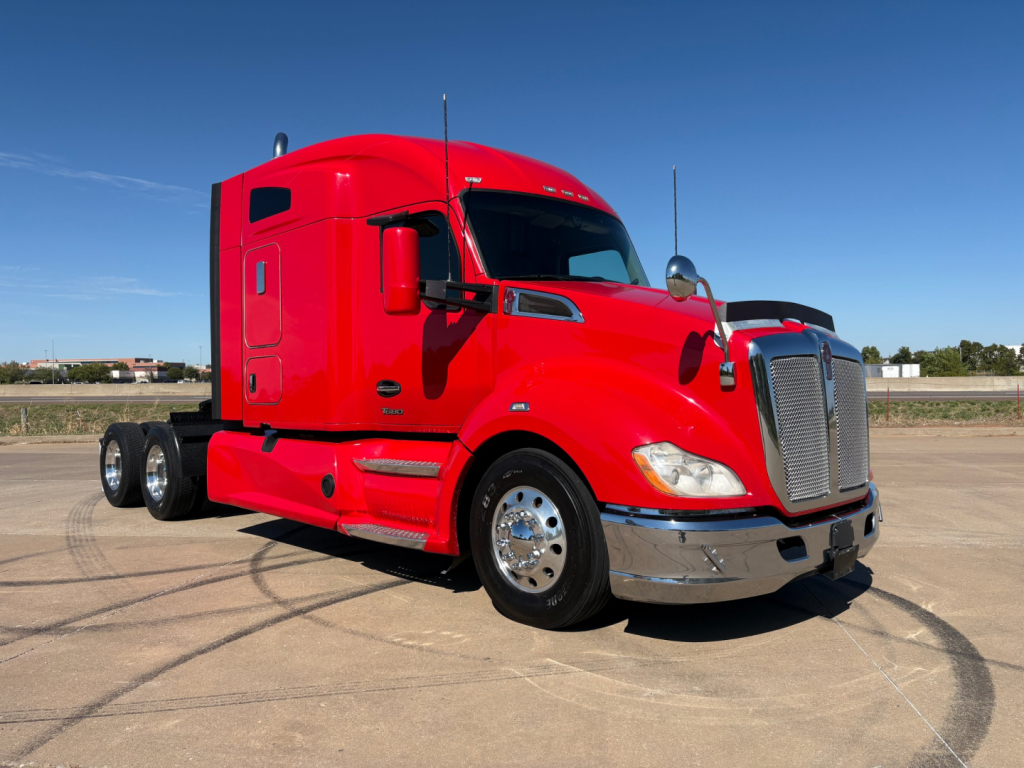
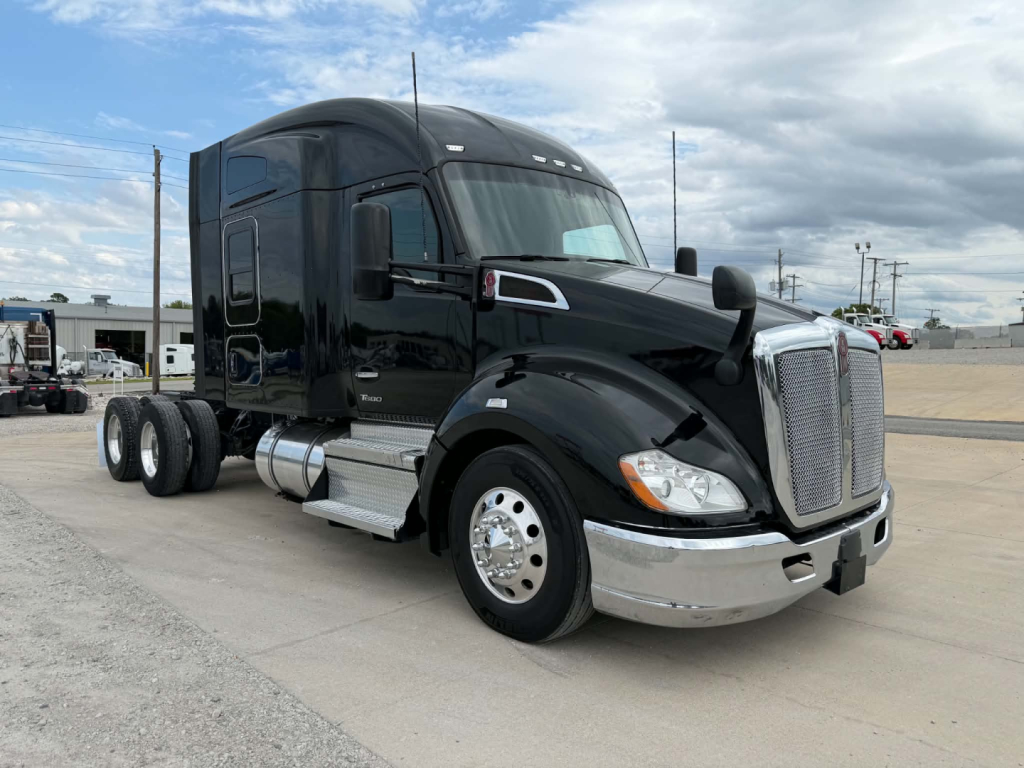
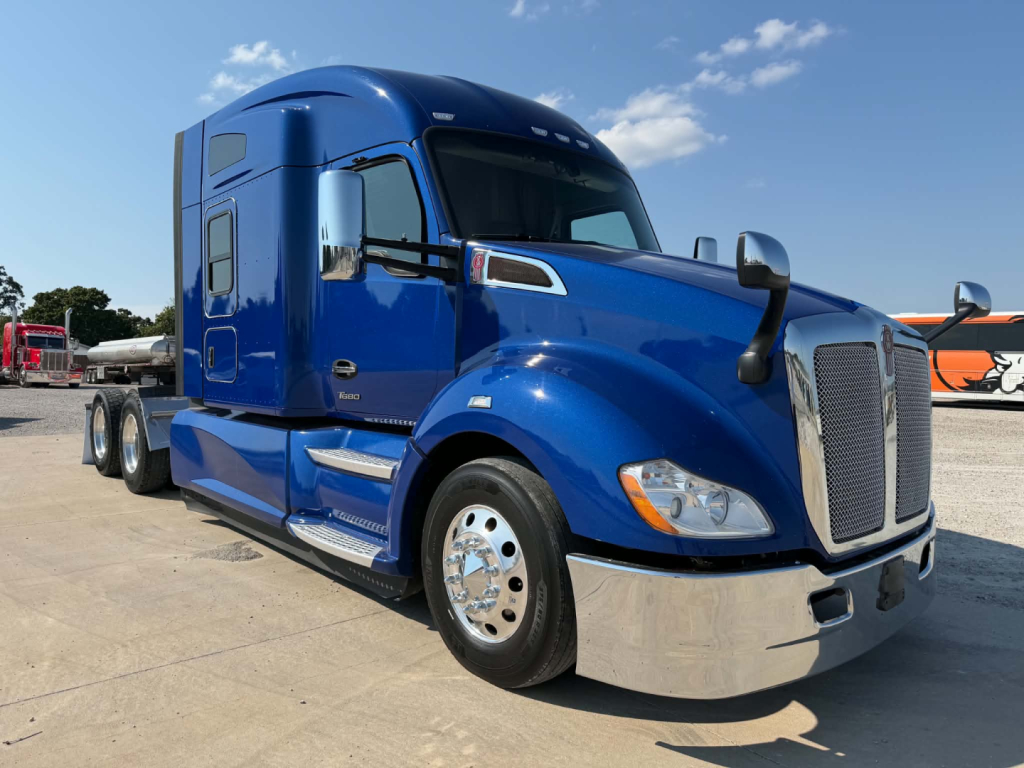
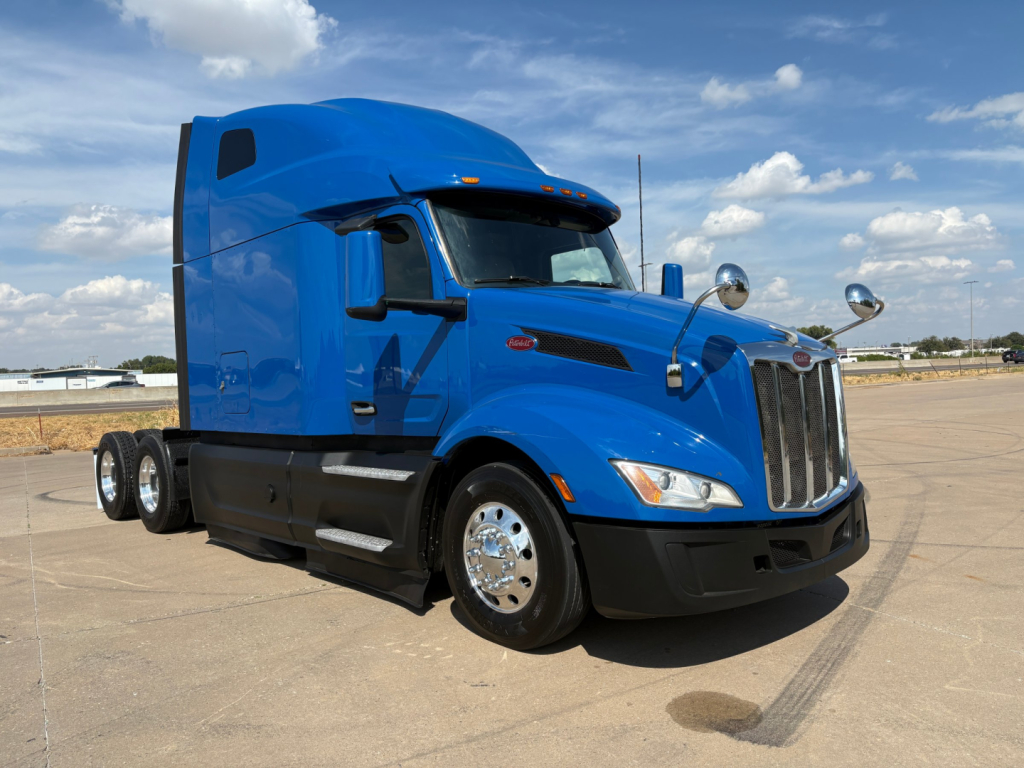
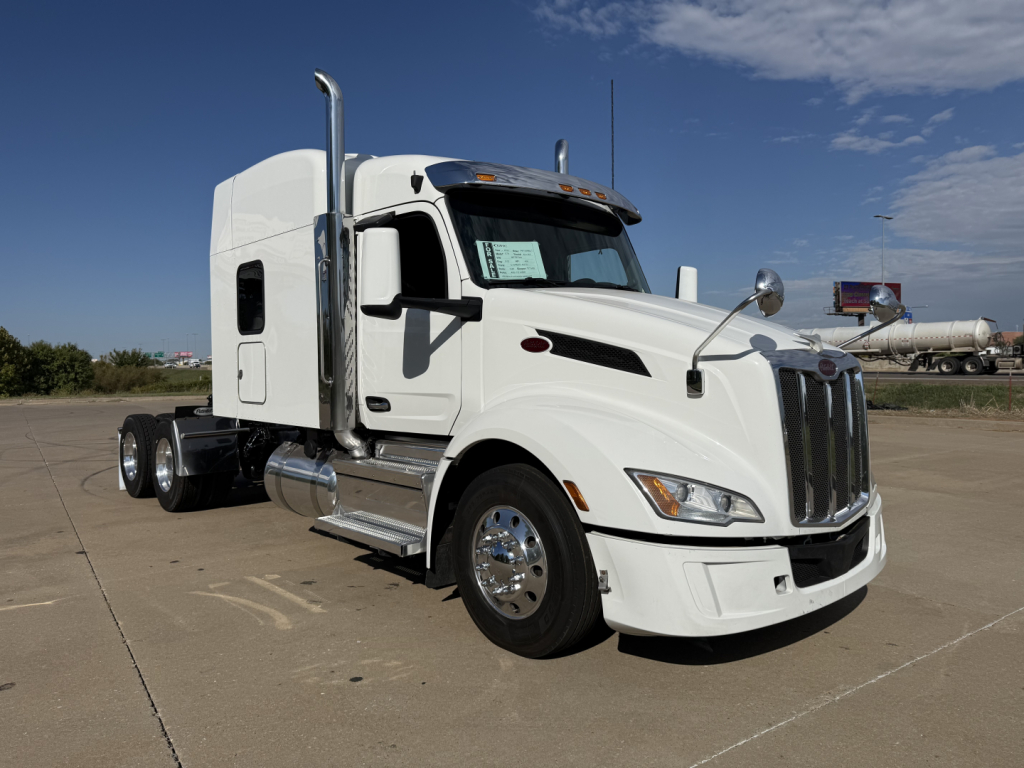
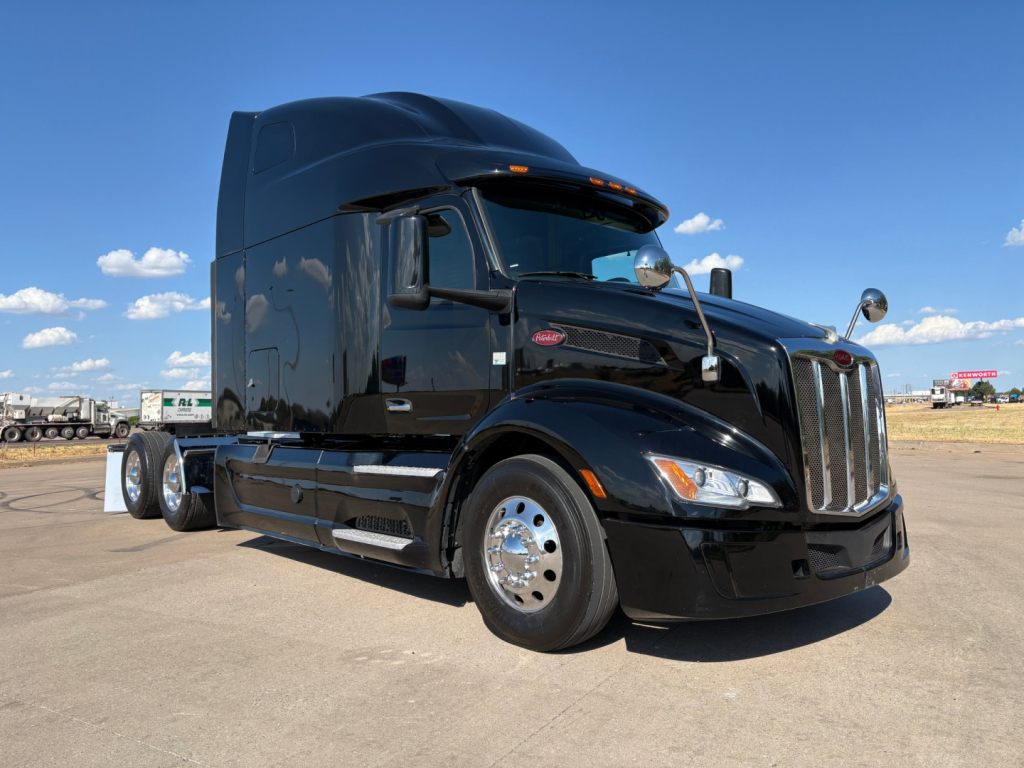
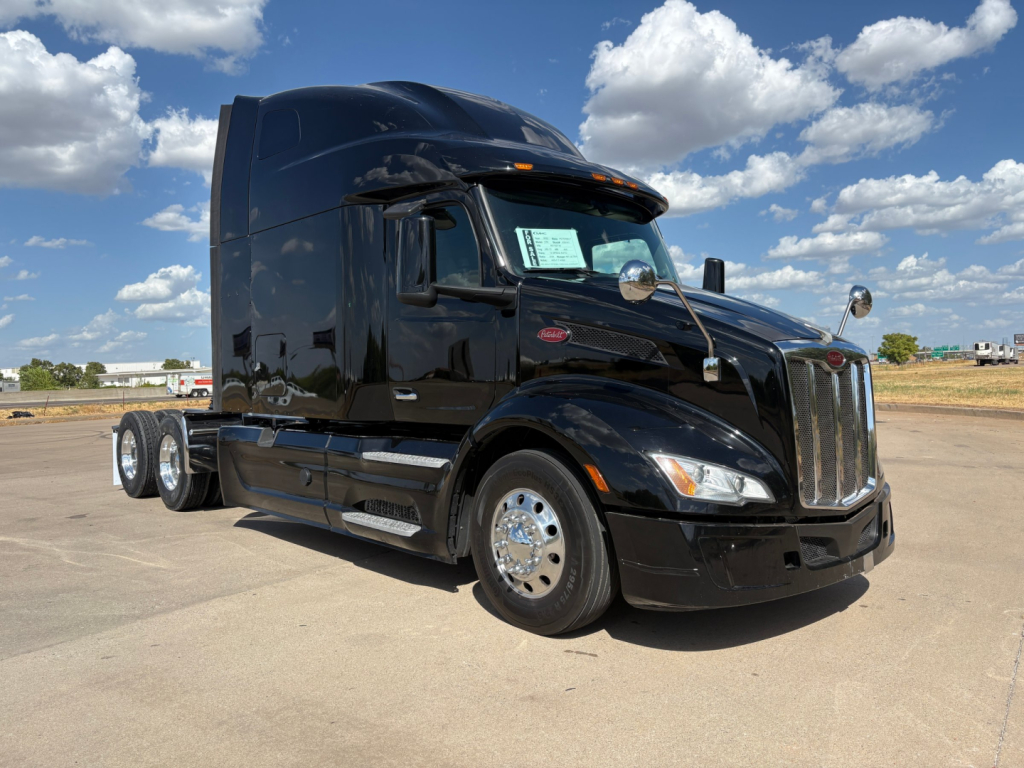

Selling a used 2022 conventional sleeper truck? List your used 2022 conventional sleeper truck for sale and reach thousands of commercial buyers.
Used 2022 Conventional Sleeper Trucks in Oklahoma
The first buying decision is usually sleeper size and roof profile. Mid-roof and 70-inch class sleepers work well for regional work, dedicated lanes, and fleets that want a lighter, simpler package. Larger 72-inch to 80-inch sleepers, including high-roof and ultraloft designs, give drivers more stand-up room, bigger bunk areas, and additional cabinet space for longer over-the-road duty cycles. Powertrain specs on used 2022 conventional sleepers commonly fall in the 400 to 455 horsepower range with torque matched to automated transmissions such as the Eaton Endurant, Detroit DT12, Volvo I-Shift, Mack mDrive, or PACCAR automated platforms. Rear axle ratios like 2.64 or 3.08 are common on fuel-economy highway tractors, while higher ratios may make more sense for heavier freight, tanker work, or routes with more stop-and-go and grade changes.
A serious buyer should look past the badge and focus on how the truck was spec'd. Front axle ratings often land around 12,000 to 13,200 pounds, with 40,000-pound tandem rears on air ride suspensions being the standard highway setup. Wheelbase, fifth wheel travel, fuel capacity, fairings, bunk heater, inverter, and dual exhaust can all change how useful the truck is for a specific lane or trailer pool. In Oklahoma, where a truck may see flat interstate miles one day and wind, heat, and heavy loads the next, it is worth checking cooling system service history, aftertreatment maintenance records, tire wear patterns, and driveline condition. On 2022 models, buyers should also verify software updates, idle hours, and any remaining engine, aftertreatment, or transmission coverage that may still apply.
Mileage on a used 2022 conventional sleeper often reflects exactly what it was built to do: run. That does not automatically make a higher-mile truck a poor choice if the spec matches the application and the maintenance file is strong. A well-maintained 450 horsepower sleeper with a documented service history, clean fault codes, and the right axle ratio can outperform a lower-mile truck that was mismatched to the work. For long-haul dry van, reefer, tanker, or general freight service, the best value usually comes from balancing sleeper comfort, powertrain simplicity, emissions health, and gearing for your average gross weight and cruise speed. Buyers comparing multiple listings should treat cab layout, bunk configuration, suspension type, and maintenance documentation as decision-makers, not just the odometer reading.
Frequently Asked Questions about Used 2022 Conventional Sleeper Trucks in Oklahoma
What is a conventional sleeper truck?
A conventional sleeper truck is a highway tractor with the engine mounted in front of the cab and a built-in sleeping compartment behind the driver area. It is the standard long-haul Class 8 configuration for over-the-road freight. Compared with a day cab, a sleeper adds bunk space, storage, and often options such as a bunk heater, inverter, refrigerator space, and cabinets for multi-day trips.
What engine and transmission specs are common in used 2022 conventional sleeper trucks?
Most used 2022 conventional sleeper trucks are spec'd with 11- to 15-liter diesel engines in roughly the 400 to 455 horsepower range, though higher horsepower setups exist for heavier applications. Automated manual transmissions are very common in this model year, including Eaton Endurant, Detroit DT12, Volvo I-Shift, and Mack mDrive. Buyers should match horsepower, torque, and rear axle ratio to the freight, terrain, and cruising speed instead of shopping by horsepower alone.
Is a used 2022 sleeper truck a good choice for Oklahoma freight?
Yes, a used 2022 sleeper can be a strong fit for Oklahoma operations because it combines late-model aerodynamics, driver comfort, and current emissions technology with lower acquisition cost than new equipment. These trucks are well suited for interstate freight, regional hauling, dedicated lanes, and cross-country work. Buyers in Oklahoma should pay close attention to cooling system condition, aftertreatment service history, tire wear, and axle gearing because heat, wind, and long highway miles can expose a weak spec quickly.
What should I check first on a used 2022 conventional sleeper?
Start with the maintenance records, engine hours, idle hours, and diagnostic fault history. Then verify aftertreatment performance, transmission calibration history, tire condition, brake life, suspension wear, and any signs of uneven driveline or alignment issues. On the sleeper side, inspect bunk HVAC operation, seals, storage components, and electrical accessories such as inverters or APUs. A strong service file is usually more important than a small difference in mileage.
How do I choose the right sleeper size and axle ratio?
Sleeper size should follow trip length and driver needs. A 70-inch or mid-roof sleeper is often enough for regional and shorter over-the-road work, while a 72-inch to 80-inch high-roof sleeper gives more living space for extended runs. Axle ratio should match load profile and road speed. Lower numerical ratios such as 2.64 generally favor fuel economy on highway freight, while ratios like 3.08 or higher can improve startability and flexibility for heavier loads, tanker work, or routes with more grade and stop-and-go conditions.