
Used 2019 Conventional Sleeper Trucks For Sale in Florida
Shop used 2019 conventional sleeper trucks in Florida. Compare roof heights, engine specs, sleeper sizes, wheelbase, and long-haul features.
Learn more
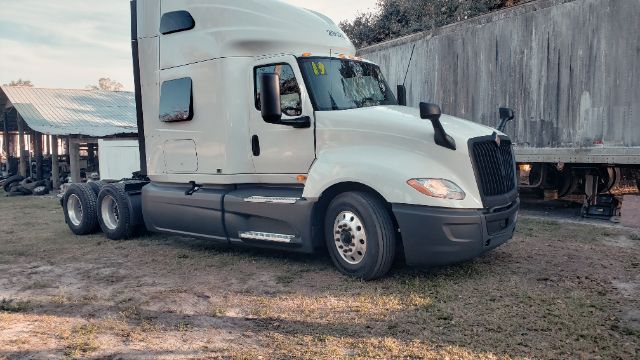
Have used 2019 conventional sleeper truck to sell? List it here to reach thousands of buyers.
About Used 2019 Conventional Sleeper Trucks in Florida
The key buying decisions usually start with powertrain and sleeper configuration. Many 2019 models are equipped with engines such as the Cummins X15, Detroit DD15, Volvo D13, or PACCAR MX series, typically paired with automated manual transmissions that help with fuel economy and driver turnover. Horsepower often falls in the 400 to 455 HP range, with rear axle ratios selected for highway speed and fuel efficiency rather than heavy vocational pulling. Sleeper sizes can range from mid-roof day-and-a-half layouts to 70-inch plus raised-roof sleepers with double bunks, bunk heaters, inverters, refrigerator prep, and APU setups. Buyers should compare wheelbase, fairing condition, fifth wheel type, and fuel capacity because those details directly affect trailer compatibility, maneuverability, and operating range.
For a used 2019 sleeper in Florida, corrosion is usually less of a concern than in northern markets, but heat, humidity, and idle time still matter. A buyer should look closely at A/C performance, DPF and SCR service history, coolant system maintenance, bunk HVAC operation, and tire condition. On highway tractors in this age range, it is also smart to review transmission calibration history, aftertreatment repairs, injector work, and whether the truck has collision mitigation, lane departure warning, adaptive cruise, or tire pressure monitoring. If the truck was part of a fleet, maintenance records may be a major advantage. If it was owner-operated, the truck may show higher cosmetic care but should still be checked for complete service documentation, engine hours, and signs of excessive idle.
The best 2019 conventional sleeper truck is the one that matches your freight lane and cost structure. A lighter aero spec with a 2.64 to 2.85 ratio may be ideal for long interstate runs, while a shorter wheelbase or mid-roof sleeper can make more sense for Southeast regional work with tighter yards and frequent stops. Buyers comparing used conventional sleeper trucks for sale in Florida should pay attention to sleeper height, bunk layout, emissions history, mileage versus engine hours, and front axle and rear axle ratings. Those factors will tell you more about real-world suitability than badge alone.
Frequently Asked Questions
What is a conventional sleeper truck?
A conventional sleeper truck is a highway tractor with a long hood and a built-in sleeping compartment behind the cab. It is designed for over-the-road hauling, team driving, and routes that require overnight stays. Compared with a day cab, a sleeper adds living space and often includes one or two bunks, storage, climate controls, and power options for driver comfort on longer runs.
What engines are common in used 2019 conventional sleeper trucks?
Common engines in 2019 conventional sleepers include the Cummins X15, Detroit DD15, Volvo D13, and PACCAR MX-13. Most are found in the 400 to 455 horsepower range, which is well suited for dry van, reefer, and general highway freight. The right choice depends on your maintenance preference, local dealer support, emissions service history, and how the truck is geared for your operating speed.
What should I inspect first on a used 2019 sleeper tractor?
Start with maintenance records, engine hours, and aftertreatment history. Then inspect the DPF and SCR system, transmission operation, A/C performance, bunk HVAC, tire wear, brakes, and suspension. It is also important to check for excessive idle time, coolant leaks, oil seepage, steering play, and signs of deferred maintenance around the fifth wheel, airbags, and fairings.
Is a 2019 conventional sleeper truck a good choice for Florida operations?
Yes, a 2019 conventional sleeper can be a strong fit for Florida freight because it is modern enough to offer aerodynamic gains, driver-assist features, and efficient powertrains while still being priced below newer models. For Florida use, buyers should place extra attention on cab air conditioning, sleeper climate systems, sun exposure on interior surfaces, and any signs that extended heat and humidity affected seals, wiring, or idle-related wear.
How do I choose between a mid-roof and raised-roof sleeper?
A mid-roof sleeper generally works well for regional service, lower overall height preferences, and buyers who want a more compact tractor. A raised-roof sleeper is usually better for long-haul work because it provides more standing room, storage, and comfort for solo or team operations. The decision should be based on route length, driver retention needs, bunk usage, and the tradeoff between maneuverability and living space.