
Used 2012 Conventional Sleeper Trucks For Sale in North Carolina
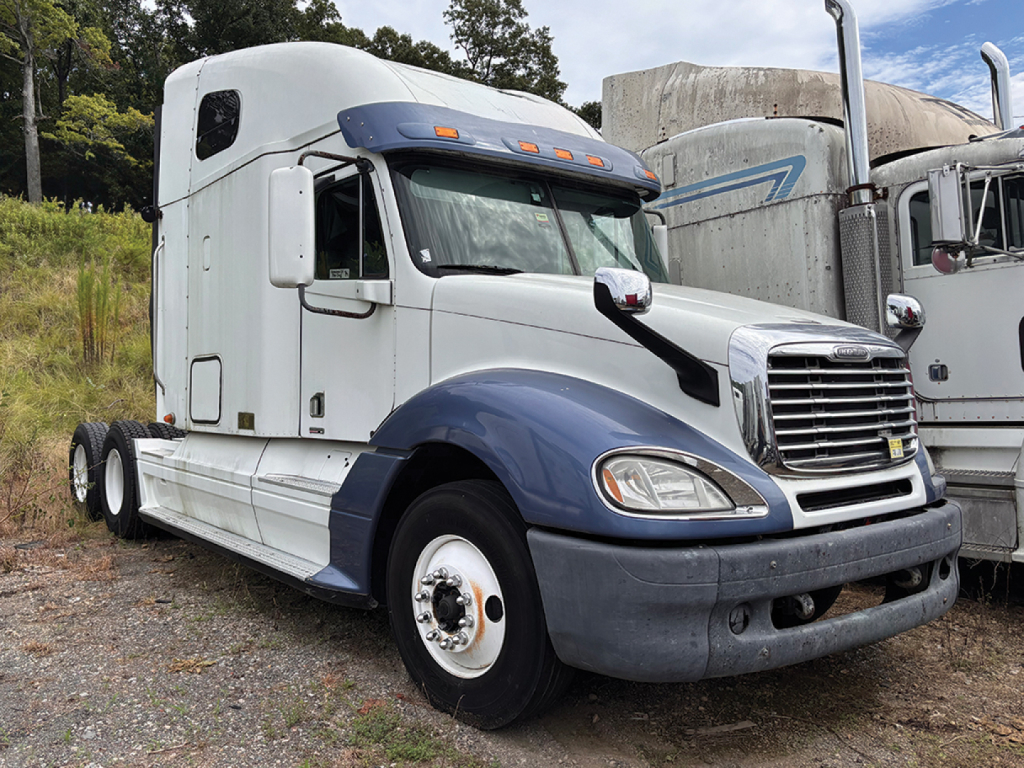
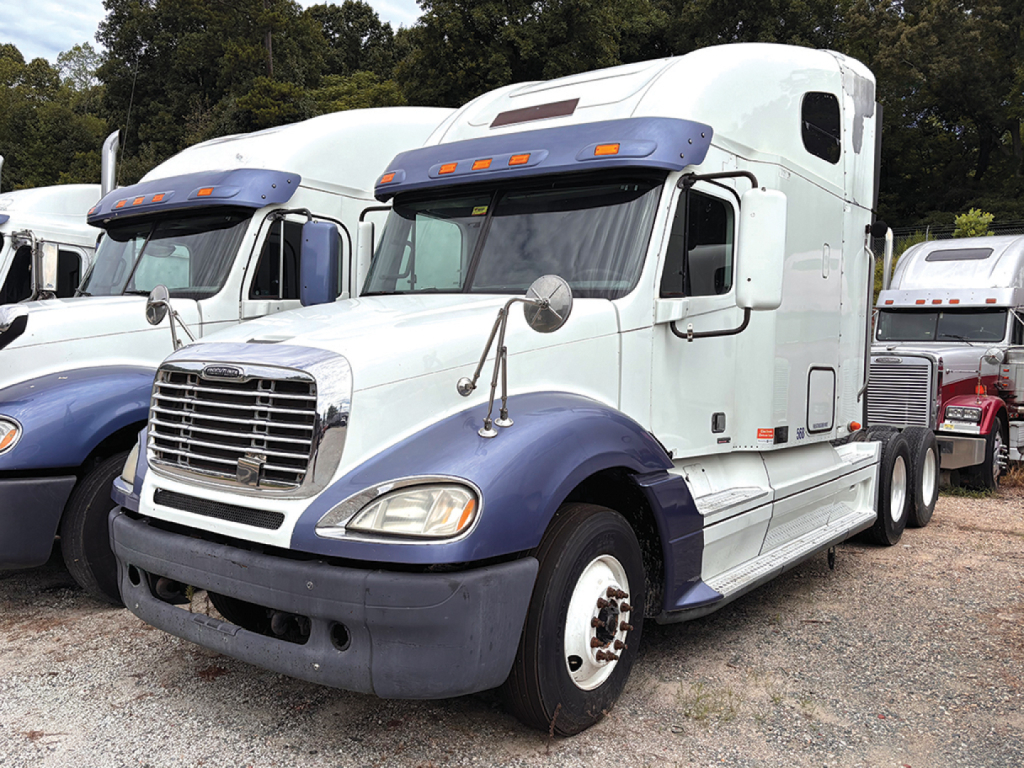
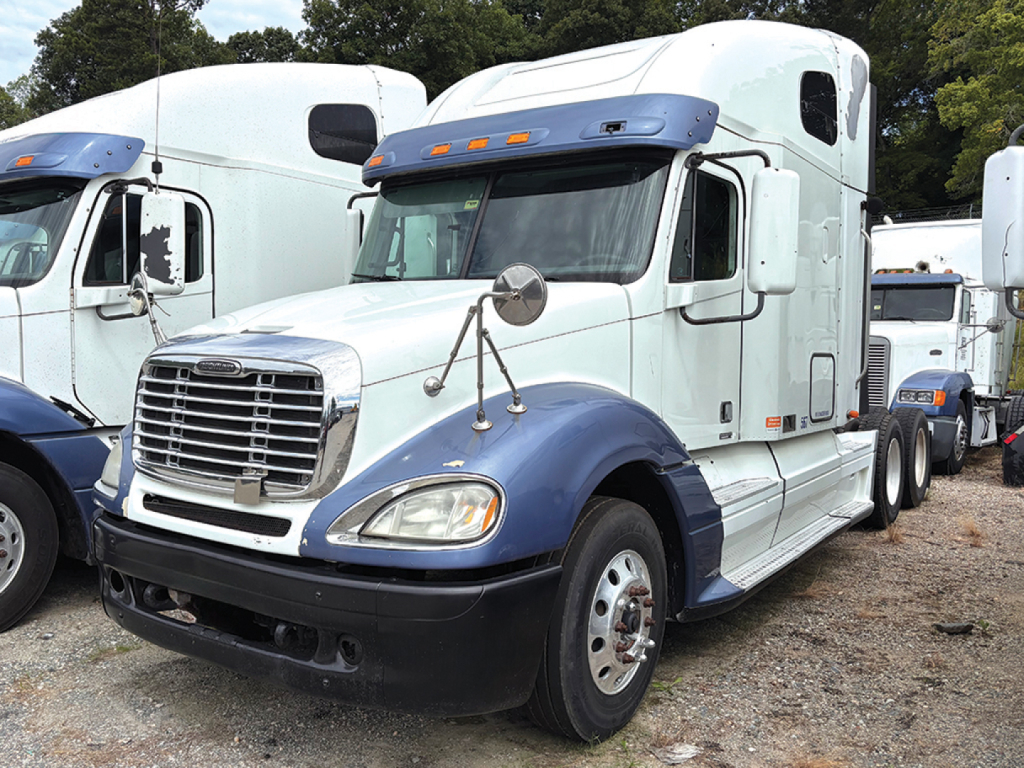

Have used 2012 conventional sleeper truck to sell? List it here to reach thousands of buyers.
Used 2012 Conventional Sleeper Trucks in North Carolina
For a 2012 sleeper, drivetrain spec is usually the first filter. Expect engines in the 400 to 500 horsepower range, often paired with 10-speed, 13-speed, or early automated manual transmissions. Common highway rear axle ratings are around 40,000 pounds, with ratios selected for fuel economy or heavier pulling requirements. Wheelbase, 5th wheel travel, and fuel tank capacity all affect how the truck fits your freight mix. A long wheelbase and larger dual tanks can make sense for long-haul lanes, while a shorter wheelbase may be easier around distribution yards and tighter customer locations. Buyers should also pay attention to suspension type, brake configuration, tire size, and whether the truck has an engine brake, locking differentials, and an air slide 5th wheel.
North Carolina buyers often look closely at cooling system health, emissions history, and overall chassis condition because these trucks may see a mix of interstate miles, regional runs, and warm-weather operation. Since 2012 trucks fall in the emissions-era market, it is important to review DPF, DEF, EGR, and aftertreatment service records where applicable. Mileage alone does not tell the whole story. Idle hours, maintenance intervals, clutch or transmission history, injector work, and signs of frame corrosion or suspension wear can have a bigger impact on total operating cost. Cab and sleeper condition also matter more than many first-time buyers expect, especially if the truck will stay on multi-day routes.
The best used 2012 conventional sleeper truck is the one whose spec matches the lanes it will actually run. A fleet doing dry van or reefer freight on interstate corridors may prioritize aerodynamics, automated shifting, and taller rear axle ratios for fuel economy. A buyer pulling heavier loads or running mountain terrain may lean toward more horsepower, a deeper ratio, and a transmission with broader control over gear selection. Look at the complete package, not just engine brand or sleeper size. Service documentation, drivetrain spec, axle ratio, and sleeper layout usually determine long-term value more than cosmetics alone.
Frequently Asked Questions about Used 2012 Conventional Sleeper Trucks in North Carolina
What should I check first on a used 2012 conventional sleeper truck?
Start with the drivetrain and emissions records. Engine model, transmission type, rear axle ratio, and documented service history will tell you more about the truck's fit for your operation than appearance alone. On a 2012 model, review DPF, DEF, EGR, and aftertreatment work closely, then inspect mileage, engine hours, suspension wear, tire condition, brake type, and the sleeper's HVAC and bunk components.
Are 2012 conventional sleeper trucks good for long-haul freight?
Yes, many 2012 conventional sleeper trucks were built specifically for over-the-road service. They commonly include raised-roof or mid-roof sleepers, larger fuel capacity, aerodynamic fairings, and highway-oriented axle ratios. The right truck for long-haul work should have a spec that supports fuel economy, driver comfort, and dependable emissions performance over sustained interstate miles.
What engine and transmission specs are common in a 2012 sleeper tractor?
A typical 2012 conventional sleeper truck falls in the 400 to 500 horsepower range, depending on the make and intended duty cycle. Buyers will commonly find manual transmissions such as 10-speed and 13-speed units, along with early automated manual options. Rear axle ratings around 40,000 pounds are common, and axle ratio choice has a major effect on cruise rpm, gradeability, and fuel burn.
How important is sleeper size on a used conventional sleeper?
Sleeper size affects driver comfort, storage, resale appeal, and the type of runs the truck can support. Shorter sleepers may work well for regional hauling with occasional overnight trips, while larger raised-roof sleepers are better suited to extended over-the-road service. Buyers should compare bunk layout, cabinet space, standing room, bunk heater or auxiliary climate systems, and overall cab condition, not just published sleeper length.
Why does axle ratio matter on a 2012 highway sleeper truck?
Axle ratio directly affects how the truck performs at highway speed and under load. A taller ratio can reduce engine rpm and improve fuel economy on flat interstate lanes, while a deeper ratio generally helps with startability, heavier freight, and hilly terrain. On a used 2012 conventional sleeper, the axle ratio needs to be evaluated with engine rating, transmission gearing, tire size, and the freight the truck will actually pull.