
Used 1999 Conventional Sleeper Trucks For Sale
Shop used 1999 conventional sleeper trucks with specs, drivetrain insights, sleeper options, and long-haul buying tips.
Learn moreNo exact matches found for your search
Showing Used Conventional Sleeper Trucks instead.
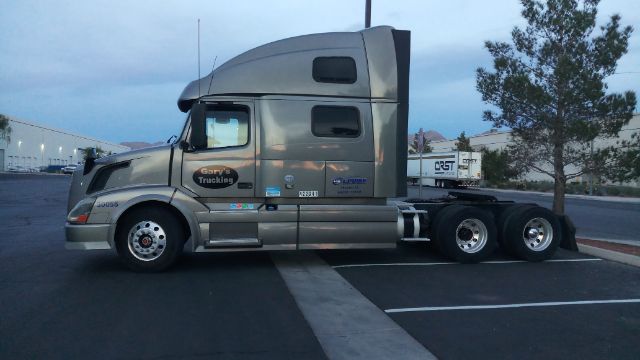
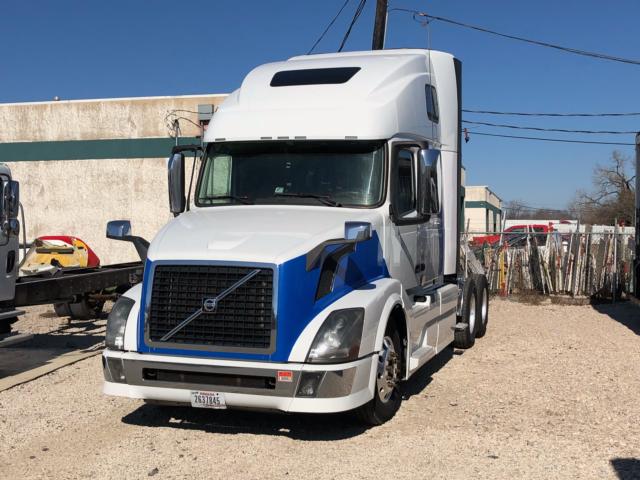
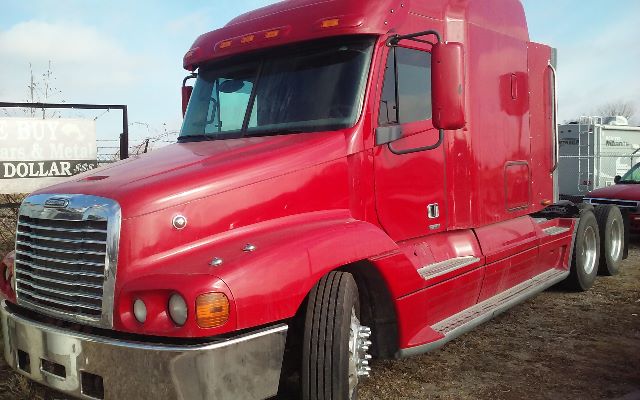
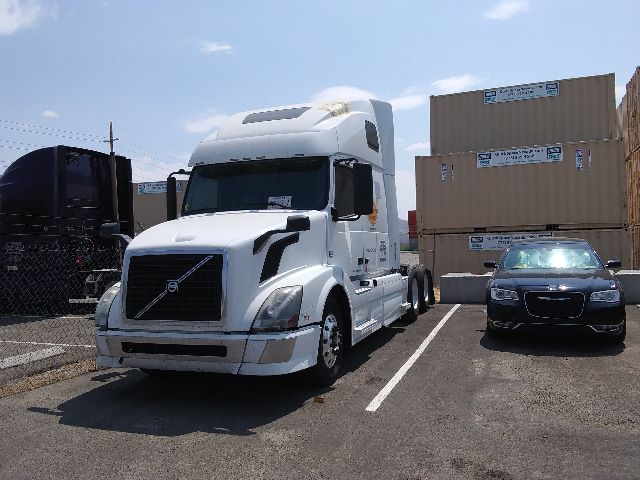
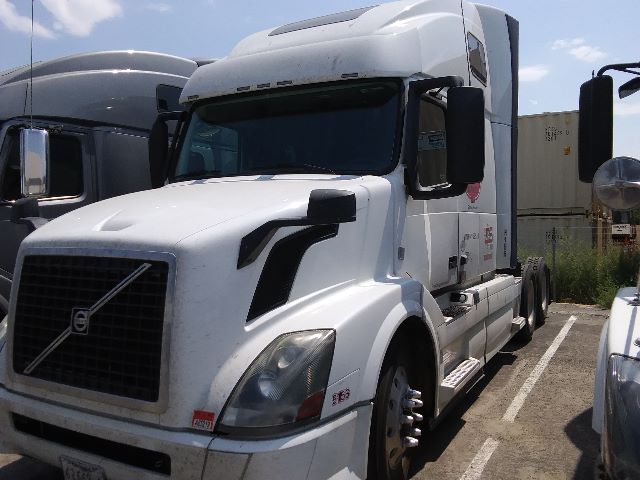
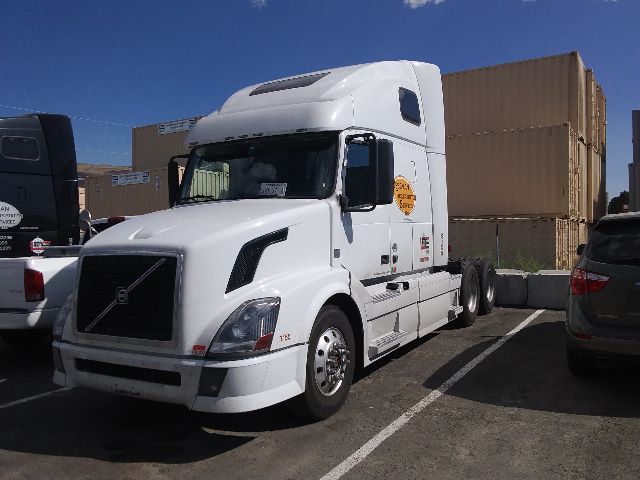
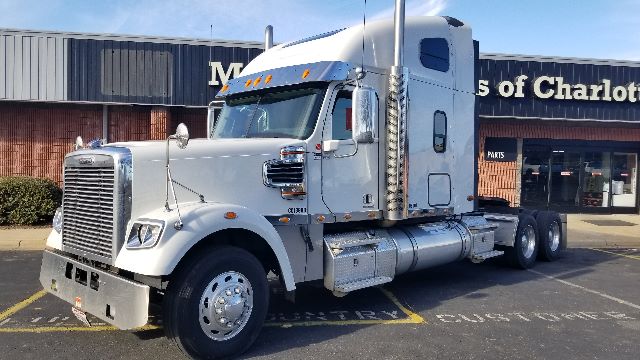
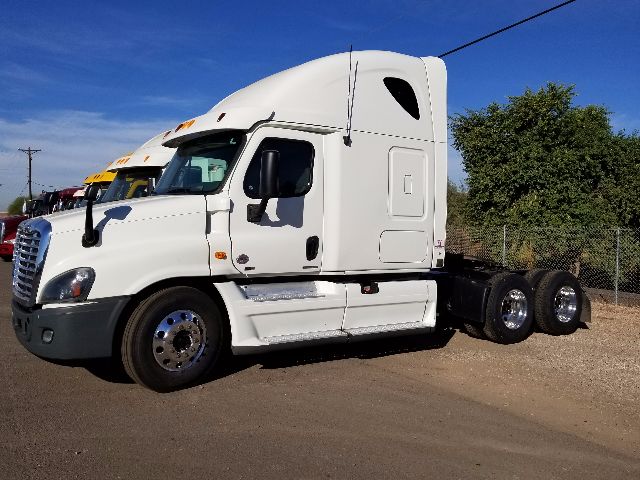
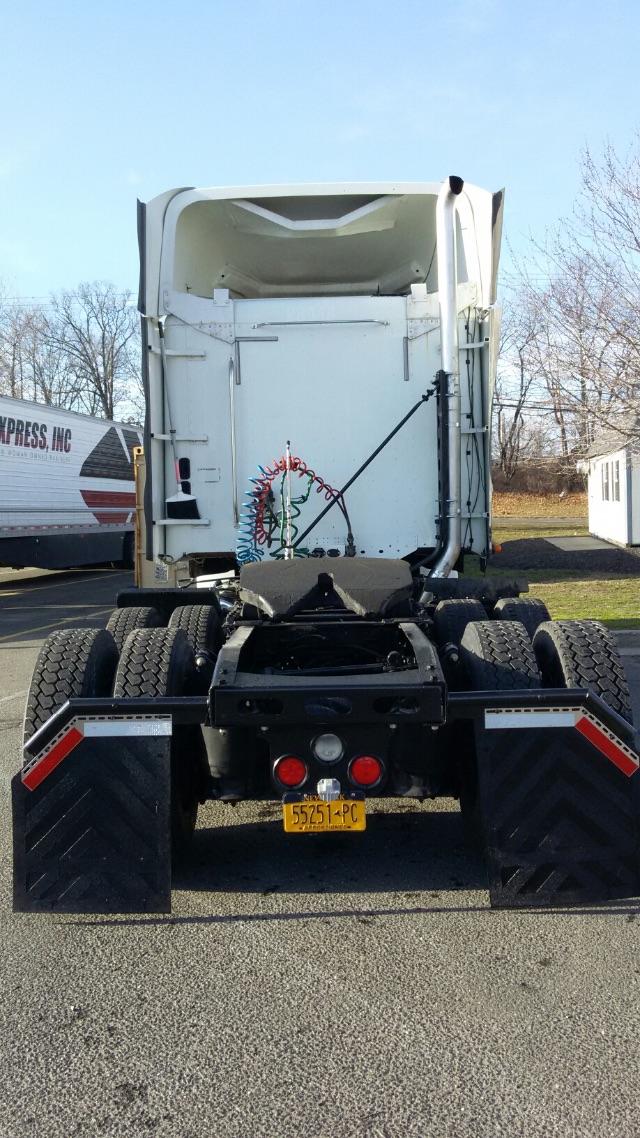
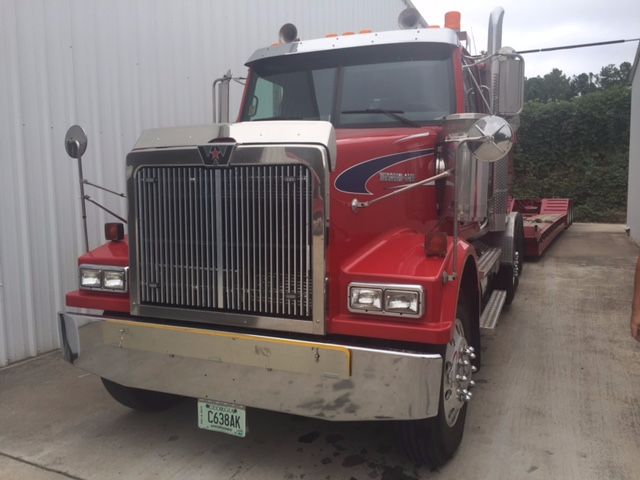
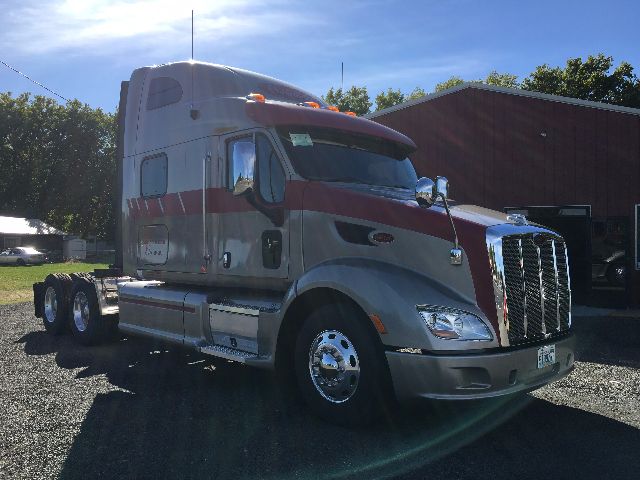
Showing 349 to 360 of 373 results
Have used 1999 conventional sleeper truck to sell? List it here to reach thousands of buyers.
About Used 1999 Conventional Sleeper Trucks
The big buying decision on a 1999 sleeper is drivetrain condition, not just brand or mileage. Engine families from this period may include the Caterpillar 3406E or C15, Cummins N14, Detroit Diesel Series 60, and other mechanical-to-electronic transition platforms. Transmission choice is usually a manual 9-speed, 10-speed, 13-speed, 15-speed, or 18-speed, though some trucks may have older automated setups or converted drivetrains. Rear axle ratios, wheelbase, suspension type, and sleeper length all affect how the truck performs in flatland freight, mountain lanes, heavy haul support, or general van and reefer work. A buyer should pay close attention to blow-by, coolant condition, oil analysis history, clutch wear, transmission synchronizers, differential noise, suspension bushing wear, and signs of frame repair or prior overloading.
Sleeper configuration is another major factor because 1999 conventional sleepers were spec'd for very different jobs. Some have compact mid-roof sleepers suited to shorter regional runs, while others carry larger double-bunk or condo-style sleepers for team operations and long-distance routes. Interior age matters as much as drivetrain age on these trucks. Check bunk structure, HVAC performance, dash functionality, window seals, wiring repairs, and signs of water intrusion around marker lights or roof seams. On the chassis side, look at kingpin setting compatibility, fifth wheel slide travel, fuel tank capacity, brake type, and tire size. Many trucks from this period still run drum brakes all around, though front axle and suspension updates are not uncommon after years in service.
For a buyer comparing used 1999 conventional sleeper trucks for sale, the best value usually comes from documented maintenance and a spec that matches the intended lane. A pre-emissions truck can be attractive for buyers who want fewer emissions-related failure points, but age alone means every major system deserves inspection. Cab mounts, steering components, air system leaks, radiator and charge air cooler condition, wiring integrity, and parts support should all be evaluated before purchase. If the truck will be leased on, hauled across state lines, or put into daily revenue service, confirm current compliance requirements, tire age, brake measurements, and overall roadworthiness. A well-kept 1999 conventional sleeper can still be a practical tractor for the right operation, especially where serviceability and lower acquisition cost are more important than late-model driver amenities.
Frequently Asked Questions
What engines are common in a 1999 conventional sleeper truck?
Common engines in 1999 conventional sleeper trucks include the Detroit Diesel Series 60, Cummins N14, and Caterpillar 3406E or early C15 depending on make and spec. The exact engine matters because parts support, fuel economy, rebuild cost, and resale value can vary significantly by platform. Buyers should verify the engine serial number, horsepower rating, overhaul history, and any documentation for injectors, turbocharger, ECM work, or in-frame repairs.
Is a 1999 conventional sleeper truck considered pre-emissions?
In most cases, yes. A 1999 conventional sleeper truck is generally considered pre-aftertreatment and is attractive to buyers who want to avoid DPF, DEF, and SCR systems found on newer trucks. That does not eliminate maintenance concerns, because older engines still require careful attention to cooling systems, oil leaks, fuel system wear, and electronic controls used during that era. Emissions exemptions and registration rules can vary by state, so buyers should confirm local requirements before putting the truck into service.
What transmission should I look for in a used 1999 sleeper tractor?
That depends on the freight and terrain. Manual 10-speed and 13-speed transmissions are common and practical for general freight, while an 18-speed may be preferred for heavier applications or mixed terrain. The key is less about the number of gears and more about condition, driver familiarity, and how the rear axle ratio matches the intended workload. A road test should include shift quality, clutch engagement, driveline vibration, and any noise under load or deceleration.
What should I inspect first on a used 1999 conventional sleeper?
Start with engine health, transmission operation, rear ends, frame condition, and air system integrity. After that, inspect the sleeper for water leaks, HVAC function, electrical repairs, and bunk condition because interior restoration can add cost quickly. Also check brake measurements, tire date codes, suspension wear points, steering play, and signs of corrosion on crossmembers, cab supports, and battery box mounts. Maintenance records and a thorough pre-purchase inspection usually tell more than the odometer on a truck this age.