
Used Peterbilt Conventional Sleeper Trucks For Sale in Oklahoma
Browse used Peterbilt conventional sleeper trucks in Oklahoma, including 579 and 389 models built for long-haul comfort, efficiency, and uptime.
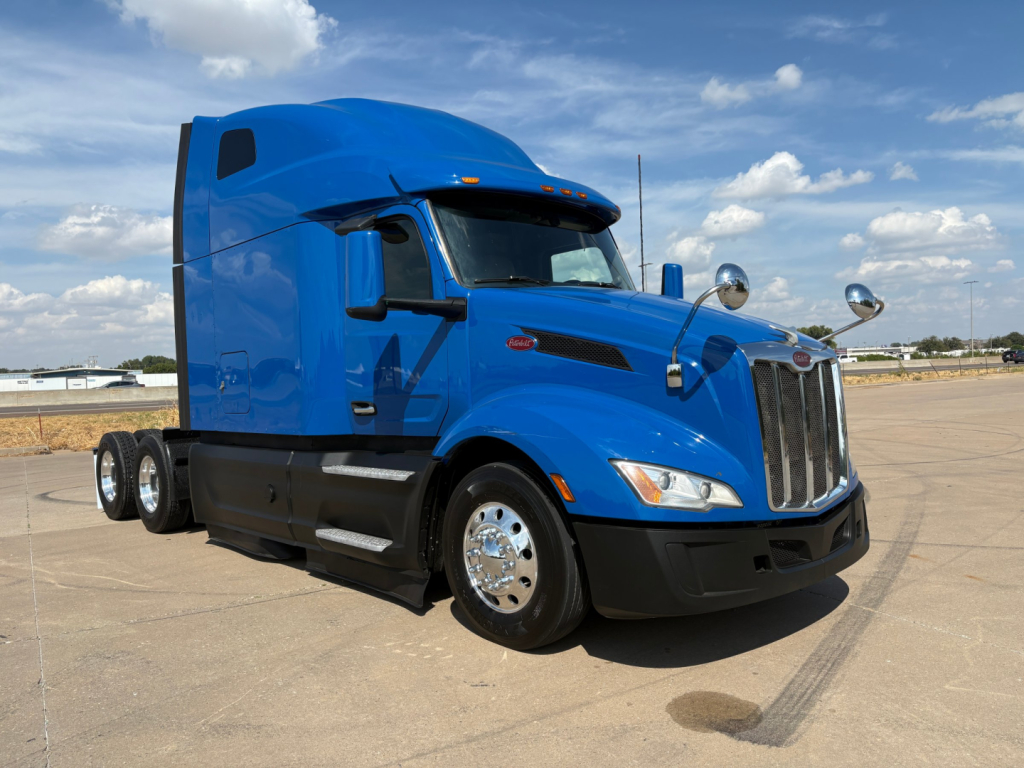
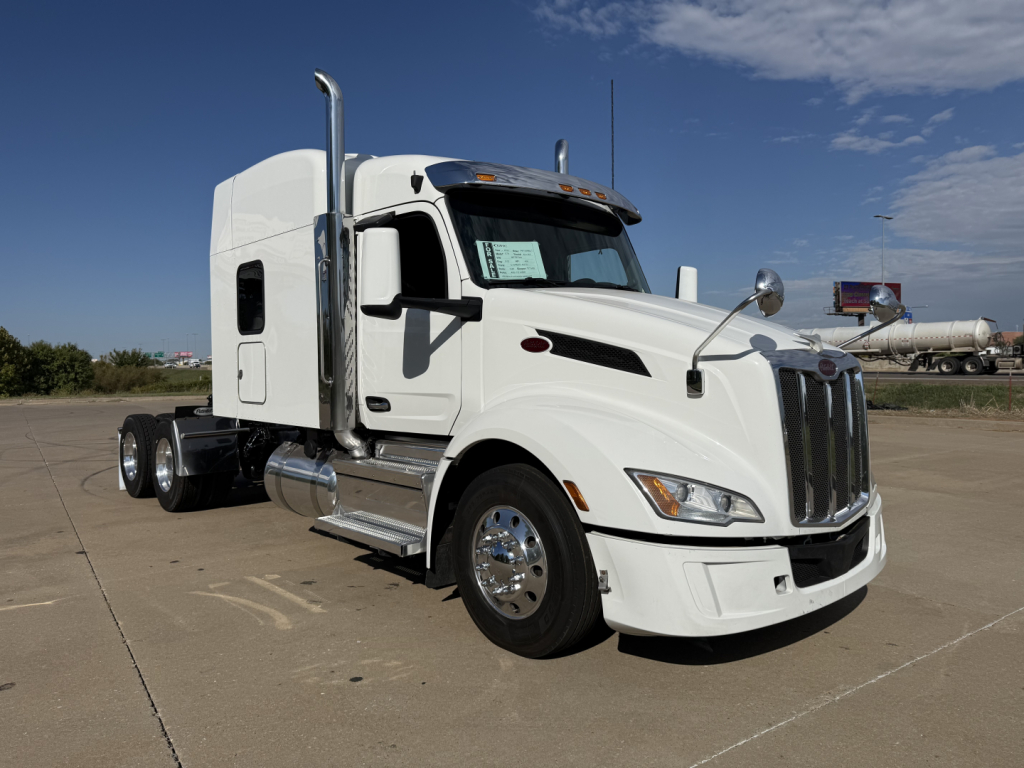

2022 Peterbilt 389
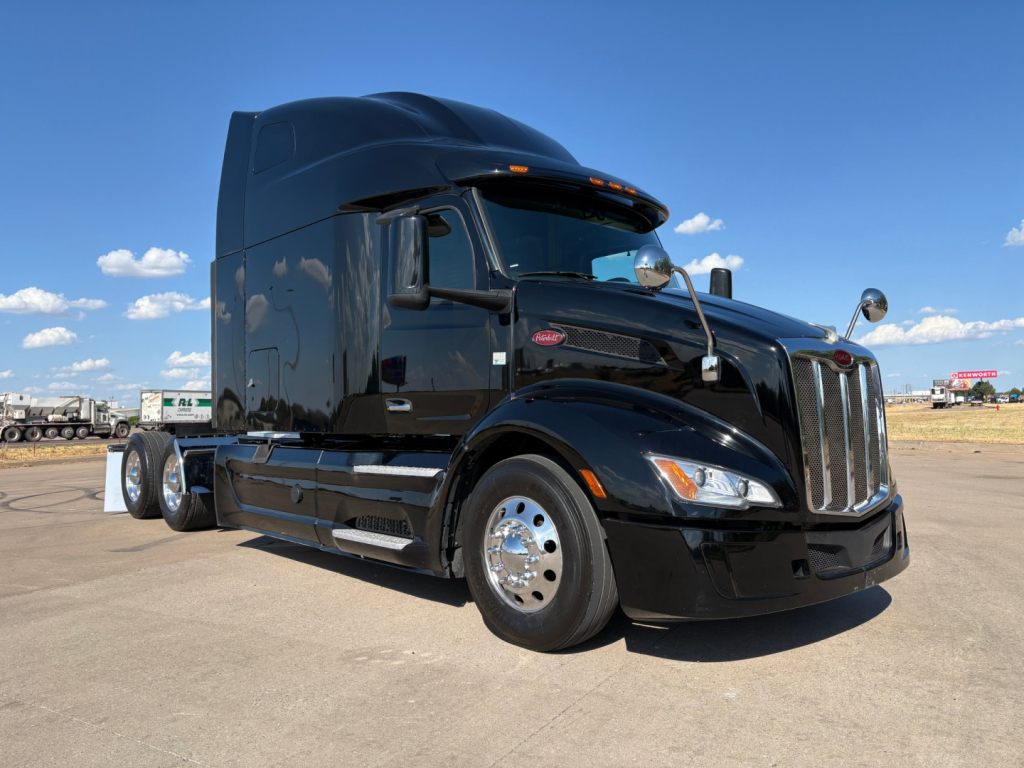
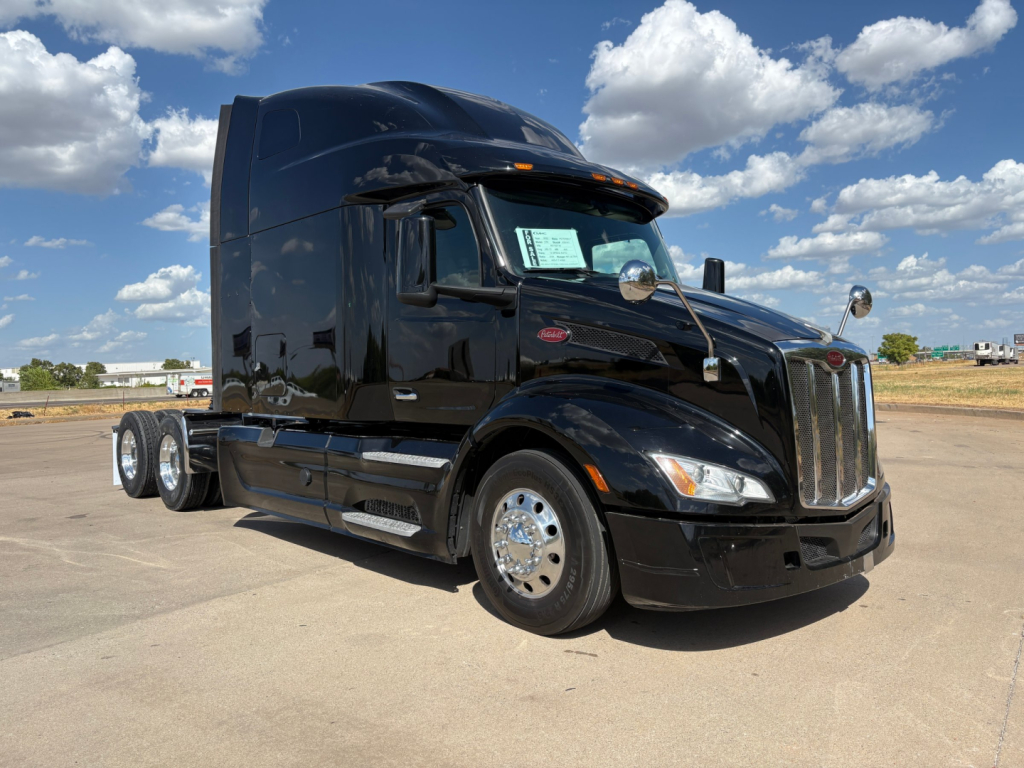
2021 Peterbilt 389
Selling a used peterbilt conventional sleeper truck? List your used peterbilt conventional sleeper truck for sale and reach thousands of commercial buyers.
Used Peterbilt Conventional Sleeper Trucks in Oklahoma
Frequently Asked Questions about Used Peterbilt Conventional Sleeper Trucks in Oklahoma
What is the difference between a Peterbilt 579 and a Peterbilt 389 sleeper truck?
The Peterbilt 579 is an aerodynamic conventional sleeper designed around fuel economy, highway stability, and modern fleet efficiency. It is commonly spec'd with automated manual transmissions, lower rear axle ratios, and integrated sleeper amenities for over-the-road work. The Peterbilt 389 is a long-hood conventional sleeper with a traditional design that appeals to owner-operators and specialty buyers who value styling, engine access, and classic Peterbilt appearance. The 389 is often seen with manual transmissions or heavier vocational-style specs, while the 579 is more common in high-mileage linehaul service.
What sleeper sizes are common on used Peterbilt conventional sleepers?
Common sleeper configurations include mid-roof and larger integral sleepers in the 72-inch to 80-inch range, especially on Peterbilt 579 models. A 72-inch sleeper works well for regional and standard over-the-road use, while an 80-inch sleeper gives more room for teams or drivers spending extended time out. Some 389 sleepers are flat top configurations, which can suit buyers who prefer a lower overall profile or a traditional look. Buyers should compare bunk layout, cabinet space, refrigerator availability, bunk heater or APU equipment, and roof height before deciding which sleeper setup fits the route and driver needs.
What powertrain specs are common on used Peterbilt sleeper trucks?
A common used Peterbilt sleeper spec includes a Cummins X15 in the 450-hp range paired with an Eaton Endurant automated transmission, a 12,000-lb to 13,200-lb front axle, 40,000-lb rear axles, air ride suspension, and highway gearing such as 2.64 or 2.85 ratios. These specs are aimed at fuel-efficient over-the-road hauling with a comfortable cruising RPM. On older Peterbilt 389 trucks, buyers may also find Detroit or Cummins engines paired with manual 10-speed or 13-speed transmissions and deeper axle ratios such as 3.55 or 3.70 for different load profiles and driver preferences.
What should I check first on a used Peterbilt conventional sleeper?
Start with engine history, aftertreatment condition, transmission performance, and evidence of consistent preventive maintenance. On a 579, inspect the emissions system, software update history, and operation of driver comfort systems such as the APU, bunk heater, refrigerator, and HVAC controls. Look closely at steer tire wear, suspension condition, wheelbase and fifth wheel position, and signs of fairing or hood damage that can affect aerodynamics and operating cost. On any used sleeper truck, mileage matters less than service records, idle hours, prior duty cycle, and how the truck was spec'd for the work.
Are Peterbilt sleeper trucks a good choice for Oklahoma-based operations?
Yes. Peterbilt conventional sleeper trucks fit Oklahoma operations well because they are versatile across interstate freight, energy-related hauling, agricultural lanes, and regional distribution. The 579 is especially practical for I-35 and multi-state highway work where fuel economy and driver retention are priorities. The 389 can be a better fit for buyers who want a traditional truck for specialized freight or owner-operator use. In either case, buyers in Oklahoma should pay attention to cooling system health, tire condition, sleeper HVAC performance, and gearing that matches both flat interstate running and heavier loaded routes.