
Used 2019 Peterbilt Conventional Sleeper Trucks For Sale in Iowa
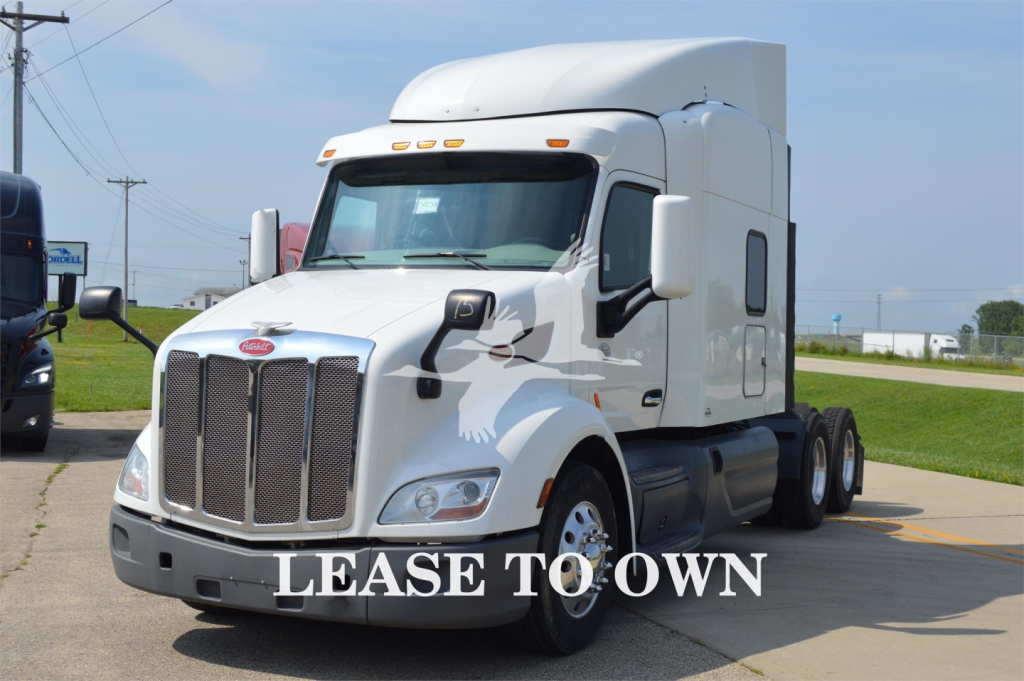

Have used 2019 peterbilt conventional sleeper truck to sell? List it here to reach thousands of buyers.
Used 2019 Peterbilt Conventional Sleeper Trucks in Iowa
The main buying decisions usually come down to engine, transmission, rear axle ratio, and sleeper layout. Many 2019 Peterbilt sleepers were spec'd with the Cummins X15, often in ratings around 400 to 450 horsepower, paired with automated manual transmissions that improve consistency and reduce driver fatigue. Rear axle ratios such as 2.64, 2.79, or 2.85 can significantly affect cruise RPM, fuel economy, launch feel, and gradeability, so it is worth matching the ratio to your freight and terrain. Sleeper sizes also vary, including single-bunk and double-bunk arrangements, and some trucks include driver-focused equipment like inverters, refrigerators, bunk heaters, APUs, steering wheel controls, and power or heated mirrors.
Condition matters more than badge alone on a used sleeper tractor. A smart evaluation includes engine hours, idle time, emissions system history, transmission calibration, brake type, tire condition, alignment wear, and maintenance records. On a 2019 emissions truck, buyers should pay close attention to aftertreatment performance, including DPF service intervals, DEF system repairs, and any fault history related to sensors, dosers, or regeneration events. Check for common long-haul wear points such as bunk HVAC operation, cabinet and latch condition, seat base wear, fifth wheel movement, suspension bushings, and signs of fairing or hood repair. If the truck has collision mitigation or lane departure systems, verify that sensors and cameras are functioning and that replacement components have been properly calibrated.
Peterbilt conventional sleeper trucks tend to hold value because they combine a driver-friendly interior with a well-known dealer network and straightforward vocational adaptability if your operation changes. Buyers comparing multiple 2019 units should look past odometer readings alone and weigh maintenance quality, spec consistency across a fleet, and how the truck was used. A highway tractor that spent its life in steady linehaul service can be a better buy than a lower-mile truck with high idle hours or irregular maintenance. For owner-operators and fleets alike, the right 2019 Peterbilt sleeper is usually the one with a proven service history, the correct sleeper configuration, and a powertrain matched to the load, lane, and fuel economy target.
Frequently Asked Questions about Used 2019 Peterbilt Conventional Sleeper Trucks in Iowa
What engine and transmission specs are common in a used 2019 Peterbilt conventional sleeper truck?
The most common setup in a 2019 Peterbilt conventional sleeper, especially a 579, is a Cummins X15 diesel engine paired with an automated manual transmission. Horsepower ratings often fall in the 400 to 450 HP range for general highway freight. Buyers should also review torque rating, transmission model, and rear axle ratio together because those three factors determine launch performance, cruise RPM, fuel economy, and drivability under load.
Is a 2019 Peterbilt 579 a good fit for long-haul freight?
Yes. The 2019 Peterbilt 579 was designed as an aerodynamic highway tractor for regional and over-the-road use. It is commonly used in dry van, reefer, and general freight applications because it balances fuel economy, sleeper comfort, and serviceability. Sleeper options, bunk layout, fuel capacity, and idle management equipment such as an APU or bunk heater can make a major difference for long-haul suitability.
What should I inspect on a used 2019 Peterbilt sleeper before buying?
Focus on maintenance records, engine hours, emissions system history, transmission operation, brake condition, and suspension wear. On a 2019 model, the aftertreatment system deserves close attention, including DPF cleaning history, DEF components, fault codes, and regeneration performance. Inside the sleeper, test HVAC, bunk accessories, inverter operation, and any refrigerator or heater equipment. Exterior checks should include fairings, hood alignment, frame condition, and fifth wheel wear.
How important is rear axle ratio on a Peterbilt conventional sleeper?
Rear axle ratio is one of the most important spec items on a highway tractor because it affects fuel economy and performance every day. A taller ratio like 2.64 generally supports lower engine RPM at highway speed, while a ratio such as 2.79 or 2.85 may provide better pulling feel depending on load and route profile. The right ratio depends on gross weight, average speed, terrain, and transmission programming.
Why do many buyers target used Peterbilt conventional sleeper trucks in Iowa?
Iowa is a practical market for highway sleepers because the state supports steady freight demand tied to agriculture, food processing, refrigerated freight, and regional distribution. A Peterbilt sleeper fits these applications well because it is comfortable for long runs, widely serviceable, and commonly spec'd for fuel-efficient linehaul work. Buyers in Iowa often prioritize dependable winter operation, cab comfort, and easy access to parts and service across the Midwest.