
Used 2012 Peterbilt Conventional Sleeper Trucks For Sale
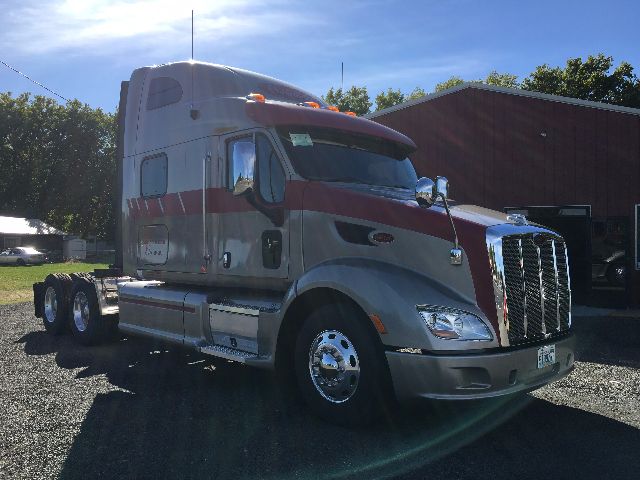

Have used 2012 peterbilt conventional sleeper truck to sell? List it here to reach thousands of buyers.
Used 2012 Peterbilt Conventional Sleeper Trucks
The first buying decision is usually powertrain. Many 2012 Peterbilt sleeper trucks were spec'd with PACCAR MX-series engines or Cummins ISX platforms, paired with Eaton Fuller manual, automated, or automatic-style transmissions depending on duty cycle and fleet preference. Rear axle ratios often fall into fuel-economy territory for over-the-road use, so it is worth matching the gearing to your freight and terrain. A lower-RPM highway spec can be efficient on flat interstate lanes, but heavier loads or mountain routes may benefit from a different ratio and transmission combination. Buyers should also confirm wheelbase, fuel capacity, fifth wheel setup, and suspension type, since those details directly affect trailer compatibility, bridge law flexibility, and ride quality.
Sleeper configuration matters more than many first-time buyers expect. A 2012 Peterbilt conventional sleeper may include a mid-roof or high-roof cab, single or double bunk layout, built-in storage, and features such as bunk heaters, inverters, refrigerators, or auxiliary power units if previously owner-operator spec'd. Interior condition tells you a lot about how the truck was used. On used units, pay attention to seat wear, dash electronics, HVAC performance, and signs of water intrusion around door seals or sleeper seams. On the chassis side, review emissions-system history carefully. A 2012 truck sits in the era of EGR, DPF, and in some cases SCR aftertreatment, so maintenance records for regen frequency, DPF cleaning, sensors, and related repairs are especially important.
For many buyers, the appeal of a 2012 Peterbilt sleeper is value. It can offer a recognizable brand, strong parts support, and a driver-friendly cab without the acquisition cost of newer equipment. The best candidates are the ones with a clear service history, sensible mileage for the application, and a spec that fits the work instead of just the price point. A clean over-the-road tractor with the right engine rating, sleeper size, and axle setup can still be a productive truck for dry van, reefer, power-only, and general freight operations.
Frequently Asked Questions about Used 2012 Peterbilt Conventional Sleeper Trucks
What engines are common in a used 2012 Peterbilt conventional sleeper truck?
Common engine choices in 2012 Peterbilt conventional sleeper trucks include the PACCAR MX-series and Cummins ISX, depending on model and original spec. The right engine depends on your freight, route profile, and maintenance expectations. Buyers should verify horsepower, torque rating, emissions equipment configuration, and service records rather than shopping by brand name alone.
Is a 2012 Peterbilt sleeper truck good for long-haul work?
Yes, a 2012 Peterbilt conventional sleeper is generally well suited for long-haul and regional highway freight. These trucks were commonly spec'd for driver comfort, fuel efficiency, and interstate miles, with sleeper berths, larger fuel capacity, and aerodynamic designs. The real question is whether the individual truck has the wheelbase, gearing, sleeper size, and maintenance history to match your operation.
What should I inspect on a used 2012 Peterbilt conventional sleeper before buying?
Focus on engine and aftertreatment history, transmission operation, clutch wear on manual trucks, suspension condition, brake life, tire wear pattern, and any fault codes. Check the sleeper for HVAC performance, bunk condition, water leaks, and electrical accessory function. It is also smart to review DPF service intervals, regen history, and any records involving EGR, SCR, injectors, or sensors because emissions repairs can quickly change the true cost of ownership.
What is the difference between a Peterbilt conventional sleeper and a day cab?
A conventional sleeper includes a sleeping compartment behind the cab, making it a better fit for overnight and over-the-road operation. A day cab has no sleeper and is usually chosen for local or short regional routes. The sleeper adds weight and length, but it also adds rest space, storage, and more flexibility for teams or solo drivers running extended trips.
Are 2012 Peterbilt sleeper trucks typically manual or automatic?
Both are common, depending on how the truck was originally ordered. Many 2012 Peterbilt sleeper tractors came with Eaton Fuller manual transmissions, but automated and automatic-style options also appear in fleet and owner-operator specs. The best choice depends on driver preference, terrain, maintenance practices, and whether your operation values simplicity, fuel consistency, or ease of training.