
2019 Peterbilt Conventional Sleeper Trucks For Sale in Iowa
Shop 2019 Peterbilt conventional sleeper trucks in Iowa. Compare 579 specs, sleeper sizes, powertrains, axle ratios, and long-haul features.
Learn more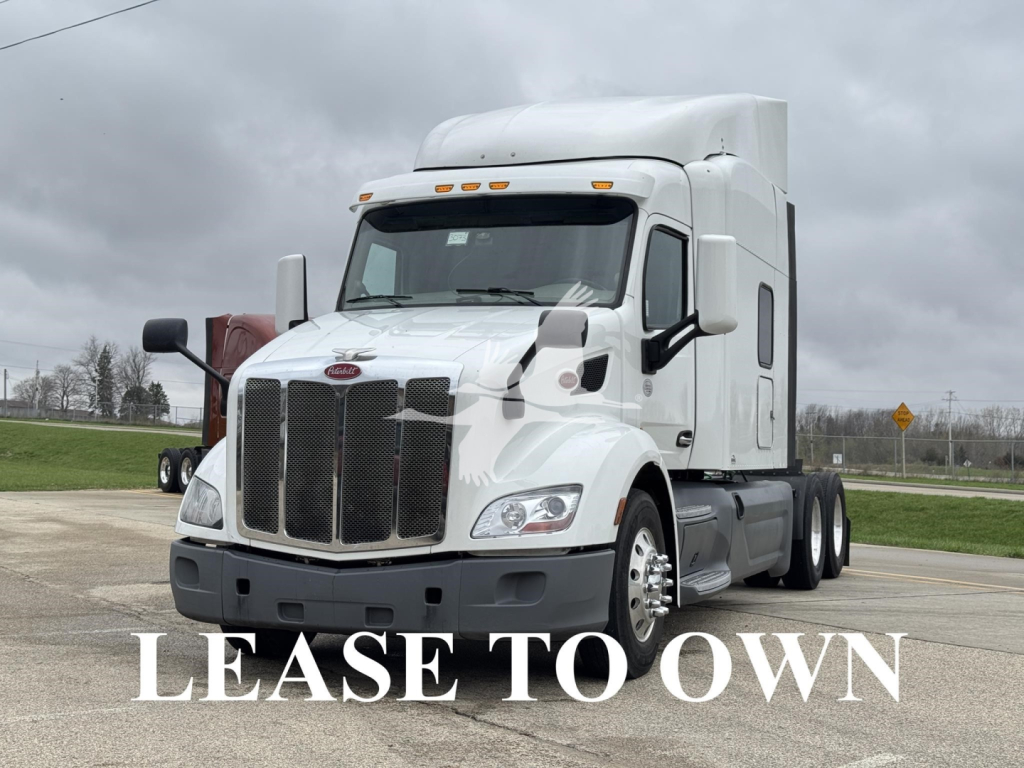
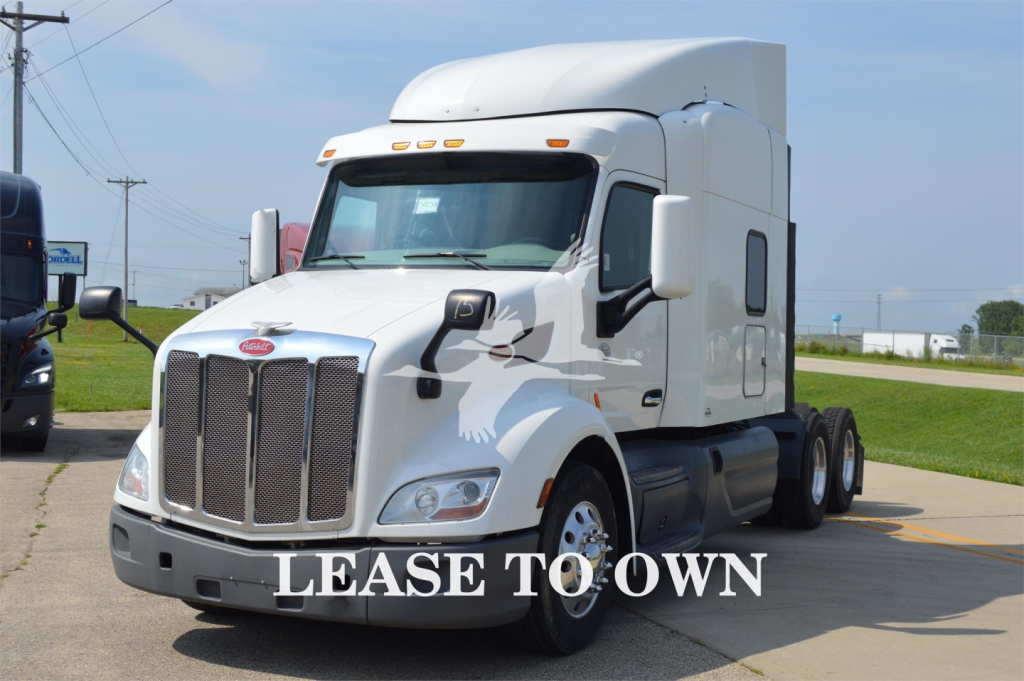

Have 2019 peterbilt conventional sleeper truck to sell? List it here to reach thousands of buyers.
About 2019 Peterbilt Conventional Sleeper Trucks in Iowa
The powertrain is where most purchasing decisions are made. Many 2019 Peterbilt sleepers were spec'd with the Cummins X15 in ratings that commonly support dry van, refrigerated, and general freight work without overbuying horsepower. Automated manual transmissions are common in this category and are often paired with faster rear axle ratios such as 2.79 to keep engine rpm down at cruise speed. That can improve fuel economy on long Midwest runs, but it is still important to match the ratio to your typical gross weight, terrain, and average road speed. Buyers should also confirm wheelbase, fuel capacity, and suspension spec, especially if the truck will be assigned to heavy reefer lanes, slip-seat duty, or team service.
Sleeper layout and driver amenities are a major part of the value in a conventional sleeper tractor. A 2019 Peterbilt 579 may be found with single-bunk or double-bunk sleepers, along with common options such as an APU prep, inverter, refrigerator, bunk heater, engine block heater, power locks, heated mirrors, and steering wheel controls. Double-bunk configurations make more sense for team operations or fleets that want flexibility in driver assignment, while single-bunk trucks can reduce weight and keep the spec simple for solo over-the-road use. Interior condition, bunk trim wear, cabinet latches, HVAC performance, and sleeper electrical function deserve as much attention as exterior cosmetics.
On a used 2019 Peterbilt conventional sleeper, the smartest inspection points are aftertreatment history, transmission calibration, emissions fault records, brake type, tire wear pattern, and any signs of chassis damage or alignment issues. Buyers should review service records for DPF cleaning intervals, NOx sensor replacement, coolant system work, and overhead or valve adjustment history if applicable. It is also worth checking for driver-assist features, collision mitigation systems, and disc brake specs because these can affect safety, maintenance cost, and resale appeal. For fleets and owner-operators alike, a properly spec'd 2019 Peterbilt sleeper remains a practical highway tractor with broad parts support, a driver-friendly cab, and the aerodynamic profile expected from a modern conventional road tractor, also known as a sleeper semi truck.
Frequently Asked Questions
What engine and transmission specs are common in a 2019 Peterbilt conventional sleeper?
The most common setup in a 2019 Peterbilt 579 sleeper is a Cummins X15 paired with an automated manual transmission. Horsepower ratings are often selected for linehaul efficiency rather than maximum output, and rear axle ratios like 2.79 are frequently used to reduce cruise rpm and fuel burn. Buyers should verify that the horsepower, torque rating, transmission model, and axle ratio match the truck's intended freight and terrain.
Is a 2019 Peterbilt 579 sleeper a good choice for long-haul freight?
Yes, the 2019 Peterbilt 579 is widely used in over-the-road service because it combines an aerodynamic hood, roomy sleeper options, and components commonly supported across fleet maintenance networks. It is well suited for dry van, reefer, and general freight applications. The right fit depends on sleeper size, fuel capacity, wheelbase, and whether the truck was originally spec'd for solo or team operation.
What should I inspect first on a used 2019 Peterbilt sleeper truck?
Start with maintenance records and electronic fault history. Pay close attention to aftertreatment service, DPF cleaning history, sensor replacement, coolant system work, and any transmission or clutch calibration records. Then inspect tire wear, suspension condition, brake life, fifth wheel wear, kingpin contact pattern, and sleeper HVAC and electrical systems. These areas tell you a lot about both uptime risk and total operating cost.
What sleeper features matter most on a 2019 conventional sleeper?
The most important sleeper features depend on how the truck will be worked. Double-bunk sleepers add flexibility for team drivers, while single-bunk layouts can save weight and simplify the spec for solo use. Features such as an inverter, refrigerator, bunk heater, engine heater, heated mirrors, and power accessories are valuable because they improve driver comfort, reduce idle dependence, and support retention in long-haul service.
Are faster axle ratios good on a 2019 Peterbilt sleeper?
Faster ratios such as 2.79 can be a smart choice for highway freight because they lower engine rpm at road speed and can help fuel economy. The tradeoff is launch feel and grade performance when gross weights are consistently heavy or routes are more demanding. Buyers should match the ratio to average load, road speed, transmission gearing, and operating region instead of assuming one ratio is best for every application.