
2012 Peterbilt Conventional Sleeper Trucks For Sale
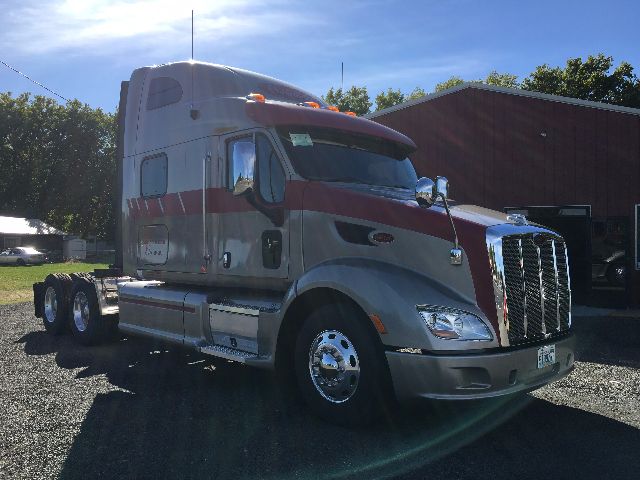

Have 2012 peterbilt conventional sleeper truck to sell? List it here to reach thousands of buyers.
2012 Peterbilt Conventional Sleeper Trucks
The main buying decision is the powertrain. Common 2012 Peterbilt conventional sleeper specs include PACCAR MX and Cummins ISX engines, with horsepower ratings often falling in the 430 to 565 hp range depending on application. Transmissions in this class are commonly Eaton Fuller 10-speed, 13-speed, and 18-speed manuals, along with some automated manual setups. Rear axle ratios such as 3.36, 3.42, and 3.55 are typical and should be matched to your average gross weight, terrain, and cruising speed. Sleeper configurations can range from mid-roof to high-roof layouts with single or double bunks, and wheelbase can vary significantly depending on intended use, fuel capacity, and fifth wheel placement. Buyers should also pay attention to front axle ratings, tandem capacity, suspension type, brake configuration, and whether the truck has an air slide fifth wheel, APU, inverter, or other long-haul spec items.
For a 2012 Peterbilt sleeper, emissions equipment condition is not a side issue. It is a primary inspection point. This year falls squarely into the era of EGR, DPF, and DEF-equipped diesel engines, so service history on the aftertreatment system, dosing components, sensors, and related software updates matters. A buyer should look closely at idle hours versus road miles, signs of repeated parked regens, and documentation for major engine or aftertreatment repairs. If the truck will be used in regional haul, team service, reefer work, or heavier freight lanes, those details affect uptime more than chrome or interior trim. The same goes for suspension wear, clutch life, steer tire patterns, and frame condition around the fifth wheel and crossmembers.
Peterbilt sleeper trucks from this period remain popular because they combine driver appeal with broad parts support and strong familiarity across the used truck market. Cab layout, visibility, and serviceability are consistent reasons buyers stay with the brand. A well-matched 2012 conventional sleeper can still be a productive highway tractor for dry van, reefer, flatbed, or specialized freight, provided the spec fits the lane. The best purchase is usually not the highest horsepower truck or the longest sleeper. It is the one with the right engine rating, gearing, wheelbase, and maintenance history for the work you plan to run.
Frequently Asked Questions about 2012 Peterbilt Conventional Sleeper Trucks
What engines are commonly found in a 2012 Peterbilt conventional sleeper truck?
Common engines in a 2012 Peterbilt conventional sleeper include the PACCAR MX and Cummins ISX, with horsepower typically ranging from the low 400s into the 500-plus range. The best choice depends on the truck's intended use, maintenance history, and gearing. Buyers should review engine serial information, emissions service records, and any documentation for injector, turbo, EGR, DPF, or DEF-related repairs before making a decision.
Which 2012 Peterbilt sleeper model is better for fuel economy, a 389 or a 386/387/579?
In most highway applications, the aerodynamic 386, 387, and 579 models are generally better suited for fuel economy than a long-hood 389. The 389 remains popular for owner-operators, heavy spec applications, and buyers who prioritize classic styling, but frontal profile, wheelbase, and weight can work against fuel mileage. Actual results still depend heavily on engine setup, rear axle ratio, speed, terrain, and load profile.
What should I inspect first on a 2012 Peterbilt sleeper truck?
Start with the emissions system, engine service history, transmission condition, and rear axle gearing. On a 2012 truck, aftertreatment problems can become expensive quickly, so fault history, regen behavior, and records for DPF cleaning or replacement are important. After that, inspect frame rails, suspension bushings, fifth wheel area, sleeper equipment operation, tire wear, and any signs of high idle wear or neglected PM intervals.
Are 2012 Peterbilt conventional sleepers good for long-haul work?
Yes, many 2012 Peterbilt conventional sleeper trucks are still well suited for long-haul service when they have the right sleeper size, fuel capacity, gearing, and maintenance background. High-roof sleepers, double bunks, APUs, inverters, and air ride suspension are all common features that improve over-the-road usability. The real question is not just age, but how the truck was spec'd and how consistently it was maintained.
What transmission and axle setups are common in this category?
This category often includes Eaton Fuller 10-speed, 13-speed, and 18-speed manual transmissions, with some automated manual transmissions as well. Tandem rear axles are common, often in 40,000 lb ratings, and ratios like 3.36, 3.42, or 3.55 show up regularly. Lower numerical ratios typically favor highway cruising, while deeper ratios can better support heavier loads, more start-stop duty, or steeper terrain.