
New 2027 Conventional Sleeper Trucks For Sale in Colorado
Shop new 2027 conventional sleeper trucks for sale in Colorado. Compare high-roof sleepers, powertrains, safety tech, and long-haul specs.
Learn more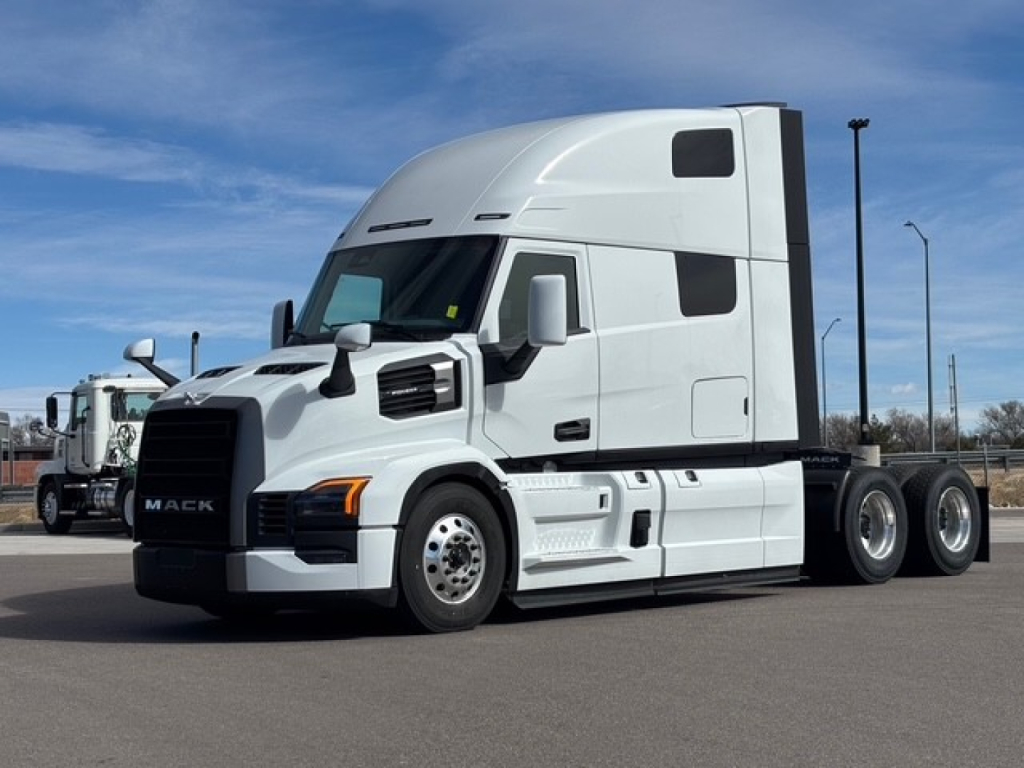
Have new 2027 conventional sleeper truck to sell? List it here to reach thousands of buyers.
About New 2027 Conventional Sleeper Trucks in Colorado
For Colorado operations, powertrain spec matters. A conventional sleeper running I-70 grades, winter weather, and long interstate stretches usually benefits from a torque-focused diesel in the 400 to 515 horsepower range with automated manual transmission gearing matched to GCWR and terrain. Engines in the 11-liter to 13-liter class are common, especially for carriers balancing fuel economy with mountain pulling power. Axle ratios, locking differentials, and disc brakes deserve close attention in this market, particularly for fleets crossing the Front Range, Eisenhower corridor, and Western Slope. Fuel capacity is another key decision. Dual tanks in the 200 to 250 gallon combined range are common on long-haul specs, and they can make a real difference on route flexibility and idle-reduction planning.
The latest 2027 conventional sleeper trucks also bring more factory safety and driver-assist technology than older highway tractors. Buyers will regularly see adaptive cruise control, forward collision mitigation, lane departure warning, blind spot monitoring, electronic stability control, backup camera systems, and in some models digital mirrors. These features can improve driver confidence, support fleet safety goals, and help with recruiting in a tight labor market. Interior spec has become a bigger buying factor too. Premium seats, parking heaters, battery or diesel-powered bunk climate systems, high-output audio, and improved insulation are no longer niche options on upper-trim sleeper tractors. For teams or extended-haul applications, double bunks and larger high-roof sleepers are often worth the added cost.
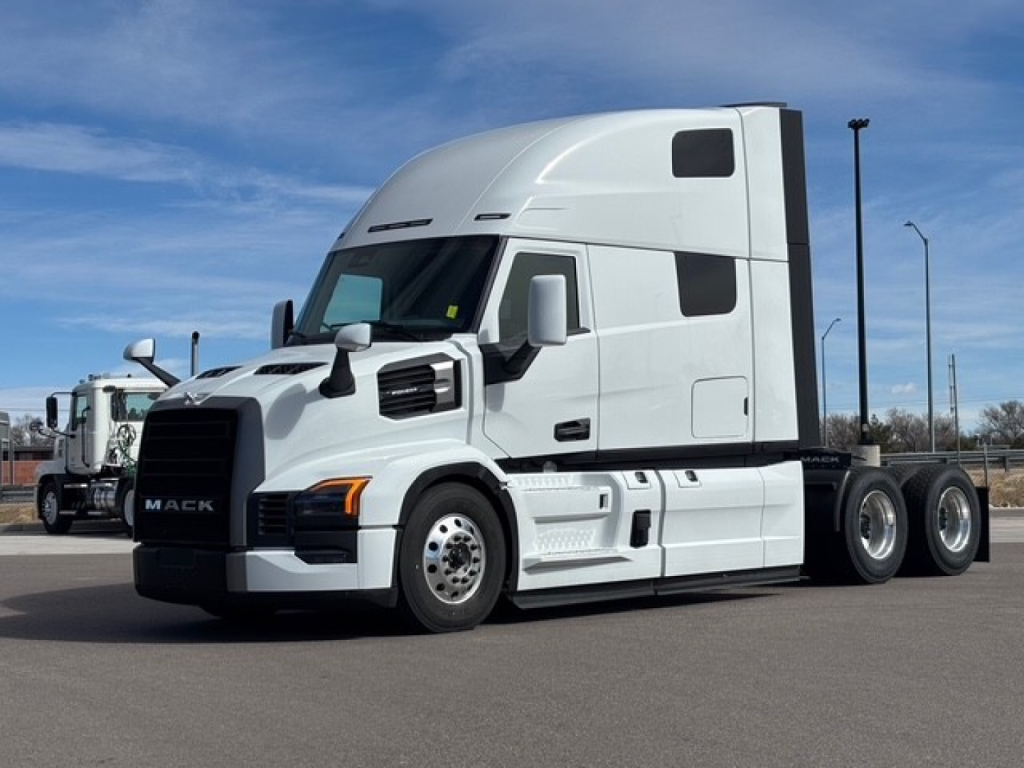
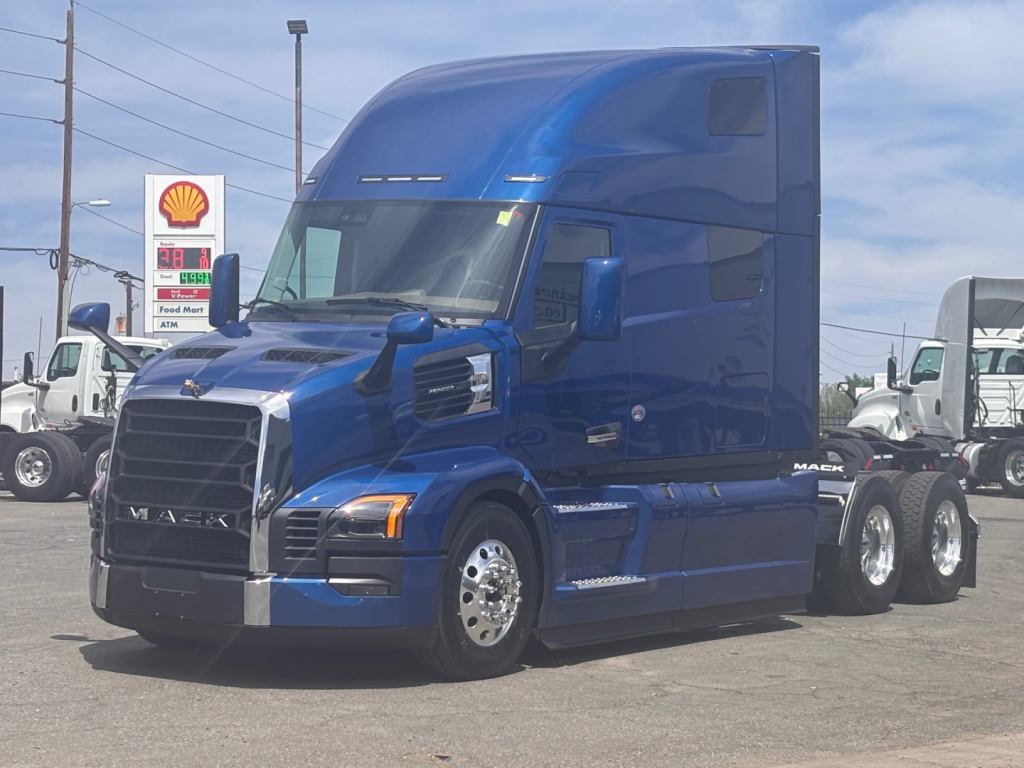
A good buying comparison goes beyond make and model. Look at wheelbase, fifth wheel setup, front axle rating, rear axle rating, kingpin-to-rear-axle dimensions, and warranty coverage alongside the sleeper amenities. Maintenance access, dealer support, and emissions warranty terms can affect uptime more than cosmetic trim. New conventional sleeper trucks are generally chosen for their balance of aerodynamics, driver comfort, highway stability, and broad vocational fit across van, reefer, flatbed, and dedicated freight. When the spec matches the lane, they deliver the long-haul efficiency of a modern road tractor with the living space needed to keep drivers productive for days at a time.
Frequently Asked Questions
What is a conventional sleeper truck used for?
A conventional sleeper truck is primarily used for over-the-road and long-haul freight where the driver needs built-in sleeping and storage space between loads or during required rest periods. It is the standard highway tractor configuration for dry van, reefer, flatbed, and many dedicated freight operations because it combines a full-size hood, strong cooling capacity, and an integrated sleeper compartment for extended time away from home.
What sleeper size is best for long-haul trucking?
For true long-haul service, high-roof sleepers in the 70-inch to 80-inch range are among the most practical choices because they provide better standing room, more storage, and easier packaging for double bunks, refrigerator space, and bunk HVAC. Smaller sleepers can work well for regional or irregular overnight routes, but larger sleepers usually provide better driver comfort and stronger resale appeal in the over-the-road market.
What horsepower is typical in a new conventional sleeper truck?
Most new conventional sleeper trucks are spec'd in roughly the 400 to 515 horsepower range, usually with torque outputs matched to freight weight, terrain, and desired cruising speed. Buyers running heavy loads through Colorado or other mountain states often prioritize torque curve, axle ratio, and transmission calibration over peak horsepower alone, because gradeability and fuel economy depend on the full drivetrain working together.
Are automated transmissions standard in new sleeper semis?
Automated manual transmissions are now very common in new sleeper semis and are often the preferred choice for both fleets and owner-operators. They help with driver training, shift consistency, fuel economy, and clutch life, while still offering the durability expected in highway service. Manual transmissions are still available in some applications, but AMTs dominate most new conventional sleeper specifications.
What should buyers compare besides the sleeper interior?
Beyond bunk layout and interior trim, buyers should compare axle ratings, wheelbase, fifth wheel position, fuel capacity, brake type, suspension, safety systems, and warranty terms. Service network strength and parts support are also major factors, especially for trucks covering multi-state lanes. A comfortable sleeper matters, but the correct chassis and drivetrain specification will have the biggest impact on uptime, payload compatibility, and operating cost.