
New 2026 Conventional Sleeper Trucks For Sale in Oklahoma
Shop new 2026 conventional sleeper trucks in Oklahoma. Compare specs, cab sizes, powertrains, axle ratings, and long-haul features.
Learn more
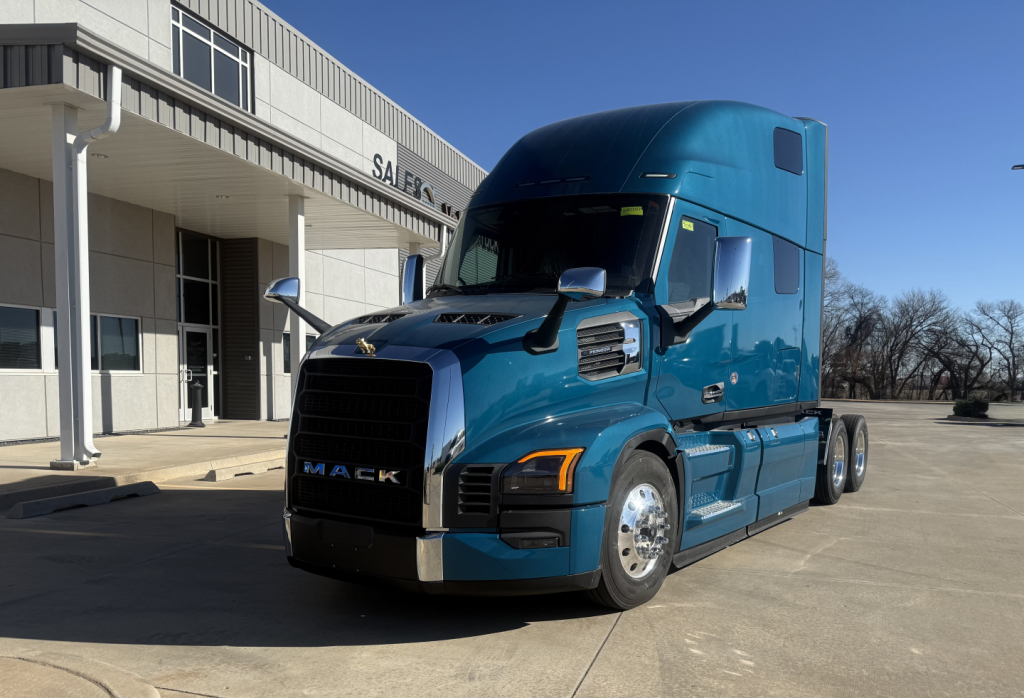
Have new 2026 conventional sleeper truck to sell? List it here to reach thousands of buyers.
About New 2026 Conventional Sleeper Trucks in Oklahoma
Key decisions usually come down to sleeper size, powertrain, wheelbase, and axle ratings. Sleeper configurations often range from compact mid-roof packages to larger raised-roof cabs designed for team driving or extended time on the road. Engines in this class are commonly spec'd for fuel-efficient linehaul operation, paired with automated manual transmissions that reduce driver fatigue and help standardize performance across a fleet. Buyers should compare horsepower and torque ratings against gross combination weight, rear axle ratio, and tire size, since those choices directly affect startability, cruise RPM, and fuel burn. On the chassis side, look closely at front axle capacity, tandem ratings, fifth wheel position, frame layout, and wheelbase to make sure the truck matches trailer swing clearance, kingpin setting, and bridge law requirements.
For Oklahoma operations, heat management, idle reduction, and driver comfort matter more than many first-time buyers expect. Factory-installed APUs, battery HVAC systems, bunk heaters, refrigerator prep, and inverter packages can make a real difference in retention and operating cost. Aerodynamic packages, fairings, wheel covers, and predictive cruise systems are worth evaluating for long I-35, I-40, and turnpike miles. Safety and uptime technology also deserves attention in a new conventional sleeper truck, especially collision mitigation, lane departure warning, adaptive cruise control, disc brakes, tire pressure monitoring, and telematics platforms that simplify maintenance scheduling and remote diagnostics.
A well-matched conventional sleeper should be judged as a total operating package, not just by make or advertised horsepower. Cab ergonomics, bunk layout, service network strength, warranty coverage, and emissions system support all matter once the truck is working every day. Buyers comparing new 2026 models should pay close attention to payload target, typical trailer type, annual miles, and how often the truck will be idled or parked off-grid. Those details will tell you whether to prioritize a lighter spec for fuel economy, a larger sleeper for driver retention, or a heavier drivetrain for demanding lanes and higher gross weights.
Frequently Asked Questions
What is a conventional sleeper truck?
A conventional sleeper truck is a highway tractor with a front-mounted engine and a built-in compartment behind the cab for off-duty rest. It is the standard configuration for long-haul and regional freight because it balances serviceability, aerodynamic performance, ride quality, and driver comfort. In the used and new truck market, it may also be described as a sleeper semi, sleeper tractor, or conventional road tractor.
What sleeper size is best for long-haul trucking?
The best sleeper size depends on trip length, driver count, and how much time is spent away from home. A smaller sleeper can reduce weight and improve maneuverability for regional or shorter over-the-road lanes, while a larger raised-roof sleeper is usually a better fit for team operations, extended trips, and fleets that prioritize driver amenities. Interior storage, bunk width, stand-up room, and room for a refrigerator or inverter system are often more important than sleeper length alone.
Which specs matter most when buying a new conventional sleeper truck?
The most important specs are engine horsepower and torque, transmission type, rear axle ratio, wheelbase, axle ratings, and sleeper configuration. Those choices determine how the truck will pull a load, what RPM it runs at highway speed, how well it fits specific trailers, and how efficient it will be over its duty cycle. Buyers should also review fifth wheel setup, fuel capacity, suspension type, and factory safety technology because those features affect both daily operation and long-term ownership cost.
Are new conventional sleeper trucks in Oklahoma typically spec'd for fuel economy or heavy haul performance?
Most new conventional sleeper trucks in Oklahoma are spec'd for general linehaul and fuel-efficient over-the-road freight, but final configuration varies by application. Dry van and reefer operations often favor aerodynamic packages, downsped drivelines, and automated manual transmissions. Flatbed, bulk, or heavier regional work may call for higher horsepower, different axle ratios, heavier suspension ratings, and frame layouts better suited to demanding loads and mixed terrain.
What features help reduce driver fatigue in a sleeper tractor?
Driver fatigue is reduced by a combination of cab design, safety systems, and sleeper amenities. Automated manual transmissions, adaptive cruise control, collision mitigation, stable ride tuning, and low-noise cabs help during driving hours. In the sleeper, battery HVAC, bunk heaters, quality mattresses, blackout curtains, inverter power, and practical storage improve rest quality, which can directly affect retention, safety, and productivity.