
New 2026 Conventional Sleeper Trucks For Sale in Kansas
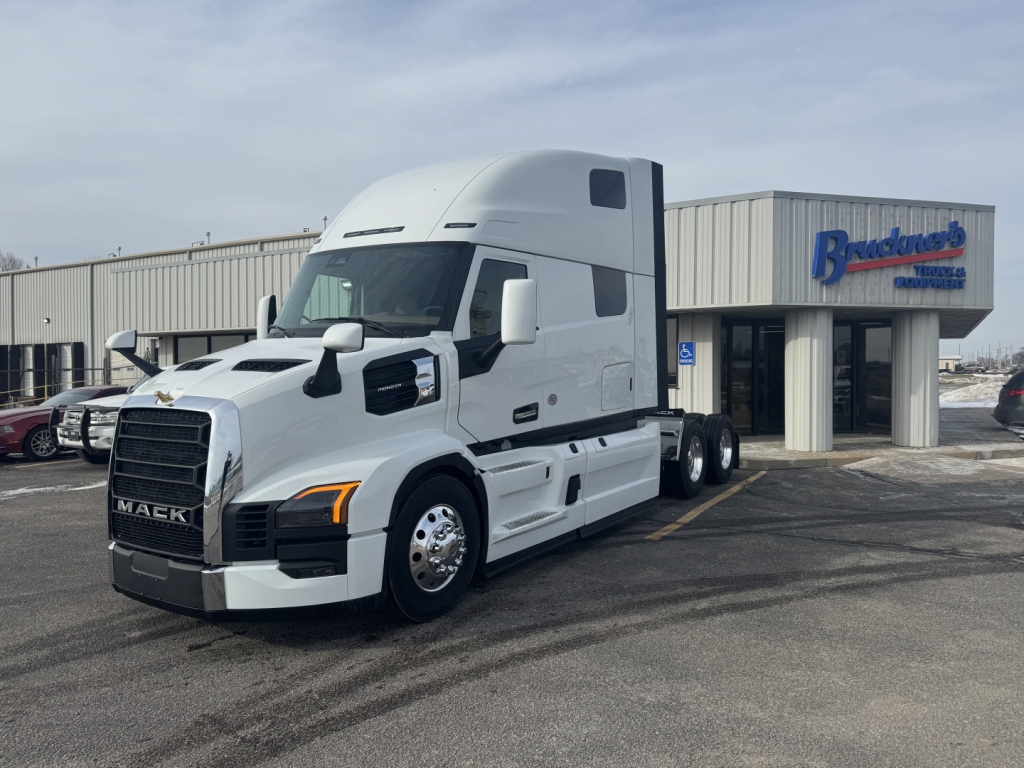
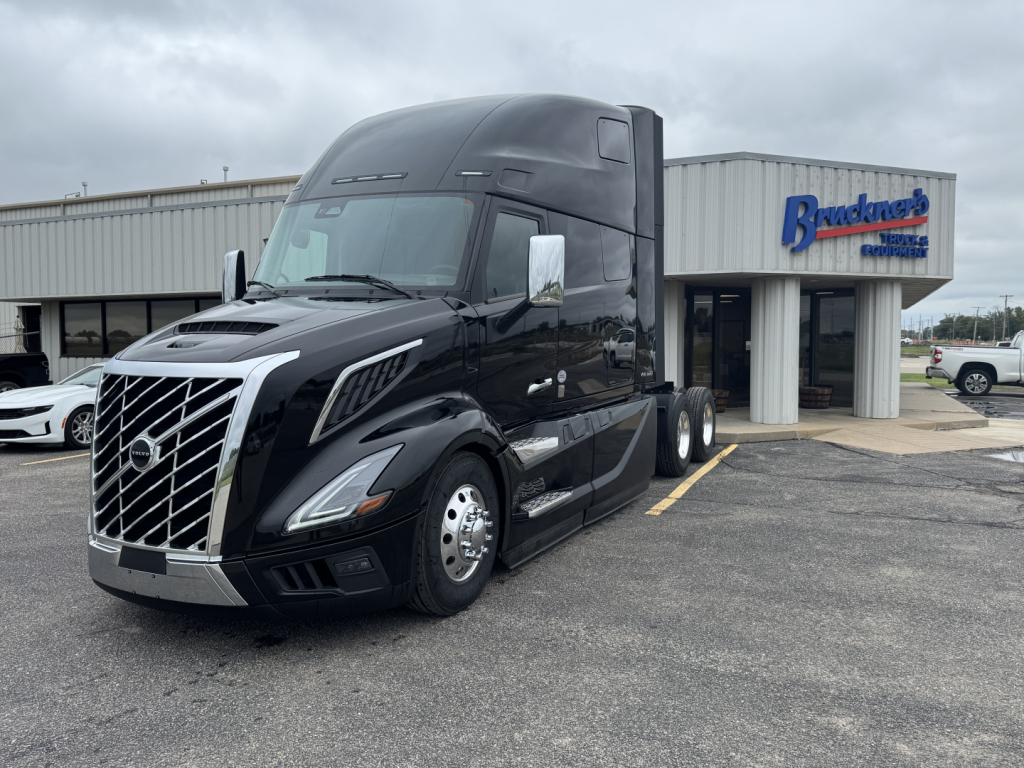
Shop new 2026 conventional sleeper trucks for long-haul fleets, with modern cabs, efficient powertrains, and highway-ready specs.
Learn more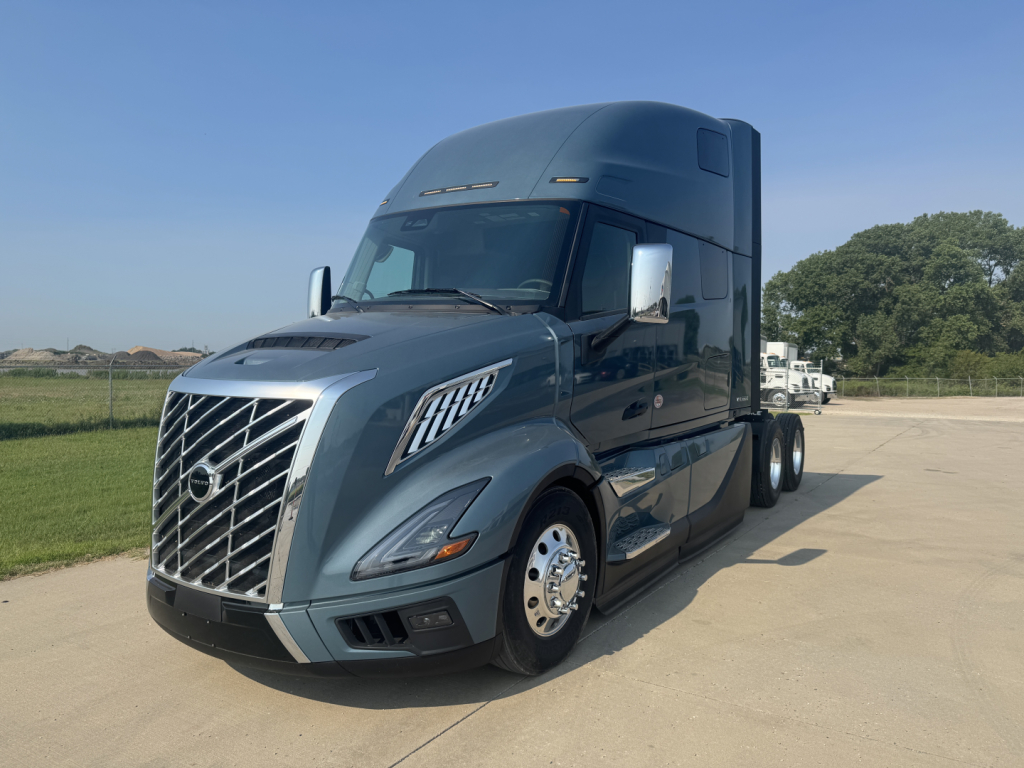
Have new 2026 conventional sleeper truck to sell? List it here to reach thousands of buyers.
About New 2026 Conventional Sleeper Trucks in Kansas
For Kansas operations, gearing and wheelbase matter more than many buyers expect. Long interstate runs, open crosswinds, and mixed gross weights reward a truck with stable highway manners, efficient rear axle ratios, and a wheelbase that fits the trailer mix without sacrificing ride quality. Many new conventional sleeper trucks are spec'd with 2.47 to 3.08 rear ratios, 12-speed or similar automated transmissions, and wheelbases often landing around the low- to mid-230-inch range depending on sleeper size and axle placement. A 70-inch to 80-inch sleeper is common for long-haul use, while shorter sleepers can make sense for regional lanes that still require overnight flexibility. Front axle ratings around 12,000 to 13,200 pounds and tandem rears around 40,000 pounds are standard for highway tractors in this segment.
Cab and chassis details separate a good spec from an expensive mismatch. Buyers should look closely at suspension type, fuel capacity, fifth wheel setup, fairings, and driver-assist technology. Air ride suspension remains the preferred choice for ride quality and freight protection, while modern aerodynamic packages help reduce drag at highway speed. Interior differences matter on team runs and multi-day routes, especially bunk layout, cabinet storage, inverter prep, parking HVAC options, and noise control. New model-year sleepers also tend to bring updated telematics, collision mitigation systems, adaptive cruise features, and improved idle-management strategies, all of which can affect insurance, fuel burn, and driver retention.
The best conventional sleeper truck is the one matched to freight, terrain, and trade cycle. Fleets hauling 80,000-pound gross combinations through rolling country may favor higher torque and a more aggressive axle ratio, while mileage-sensitive carriers running flatter lanes may spec for downsped efficiency. Buyers should also verify aftertreatment access, warranty coverage, service network strength, and emissions compliance strategy before deciding between makes. A new 2026 conventional sleeper should deliver a balance of comfort, payload-friendly spec'ing, and predictable operating cost over its first several years in service.
Frequently Asked Questions
What is a conventional sleeper truck used for?
A conventional sleeper truck is a highway tractor designed for runs that require the driver to stay with the truck overnight. It is most commonly used in long-haul and regional freight service pulling dry vans, reefers, and some flatbed freight. The sleeper compartment adds rest space, storage, and livability, making it a better fit than a day cab for multi-day routes or irregular dispatch patterns.
What horsepower is typical for a new conventional sleeper truck?
Most new conventional sleeper trucks are spec'd in the 400 to 515 horsepower range, with torque selected to match freight weight and terrain. Lower horsepower ratings can work well for lighter van freight and fuel-economy-focused lanes, while heavier gross weights or hillier routes often justify more output. The right choice depends on transmission ratios, rear axle gearing, and average operating speed, not horsepower alone.
How do I choose the right rear axle ratio for a sleeper tractor?
Rear axle ratio should be chosen based on cruise speed, tire size, transmission gearing, and loaded gross weight. Numerically lower ratios such as 2.47 or 2.64 are often used for fuel-efficient highway operation on flatter lanes. Numerically higher ratios such as 2.85 or 3.08 can improve launch feel and gradeability for heavier or more demanding duty cycles. The goal is to keep the engine in its efficient operating range at normal road speed without sacrificing startability.
What sleeper size is best for long-haul operation?
For true over-the-road work, many buyers prefer sleepers in the 70-inch to 80-inch range because they provide more bunk space, storage, and room for driver amenities. Smaller sleepers may still be a good fit for regional fleets that only need occasional overnight capability. The best sleeper size depends on route length, single-driver versus team use, and how much onboard storage the operation requires.
What should I inspect on a new conventional sleeper truck before purchase?
Key checkpoints include engine and transmission spec, axle ratings, wheelbase, fifth wheel location, fuel capacity, fairing configuration, and suspension design. Buyers should also confirm the safety package, telematics capability, warranty terms, and service support in the states where the truck will run. On a new truck, the inspection is less about wear and more about making sure the build spec matches the freight and prevents costly compromises later.