
Conventional Sleeper Trucks For Sale in Nebraska
Shop conventional sleeper trucks for long-haul freight, with high-roof sleepers, 400-550 HP engines, and spec options for fuel economy or heavy pull.
Learn moreNo exact matches found for your search
Showing Conventional Sleeper Trucks instead.
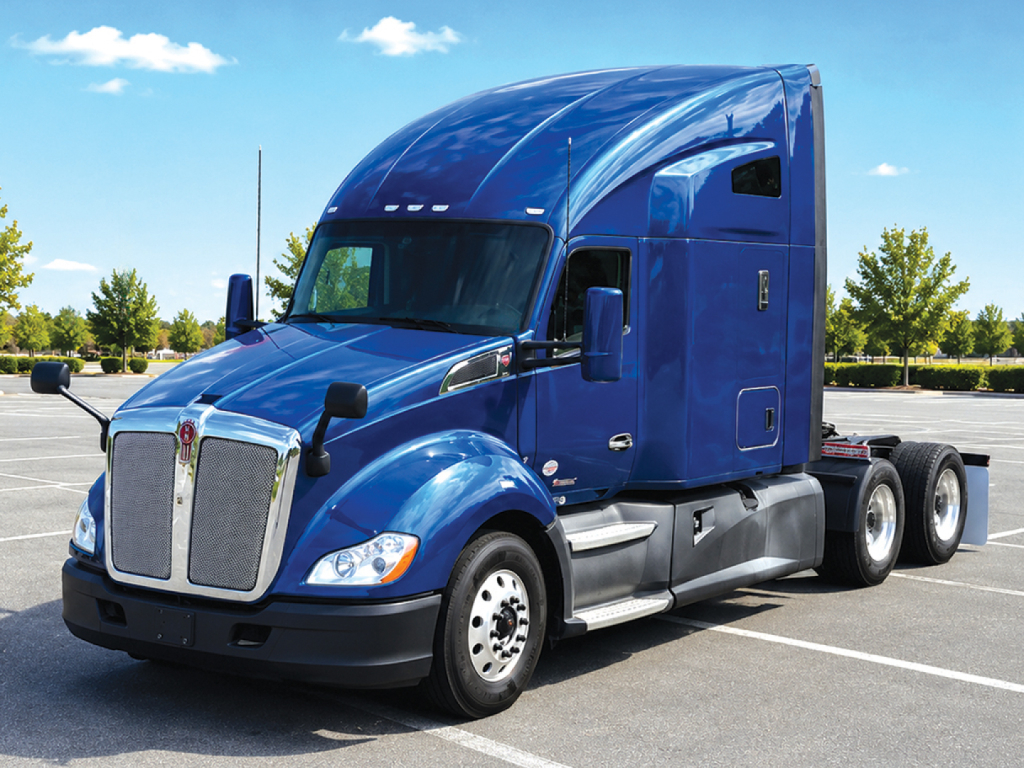
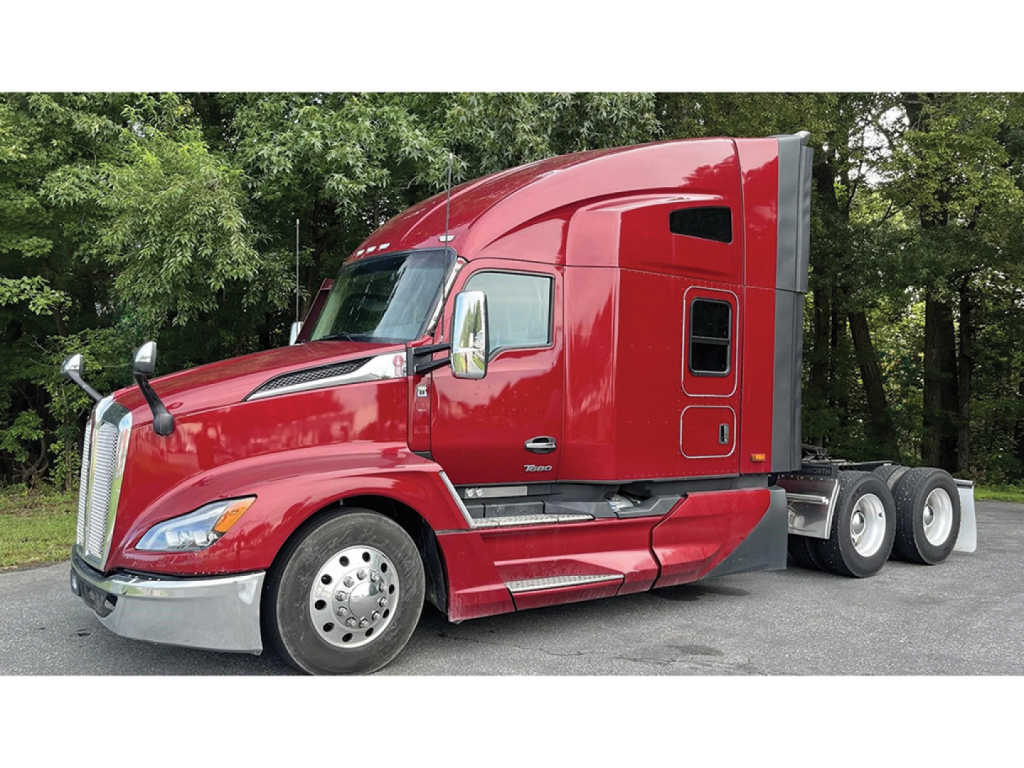

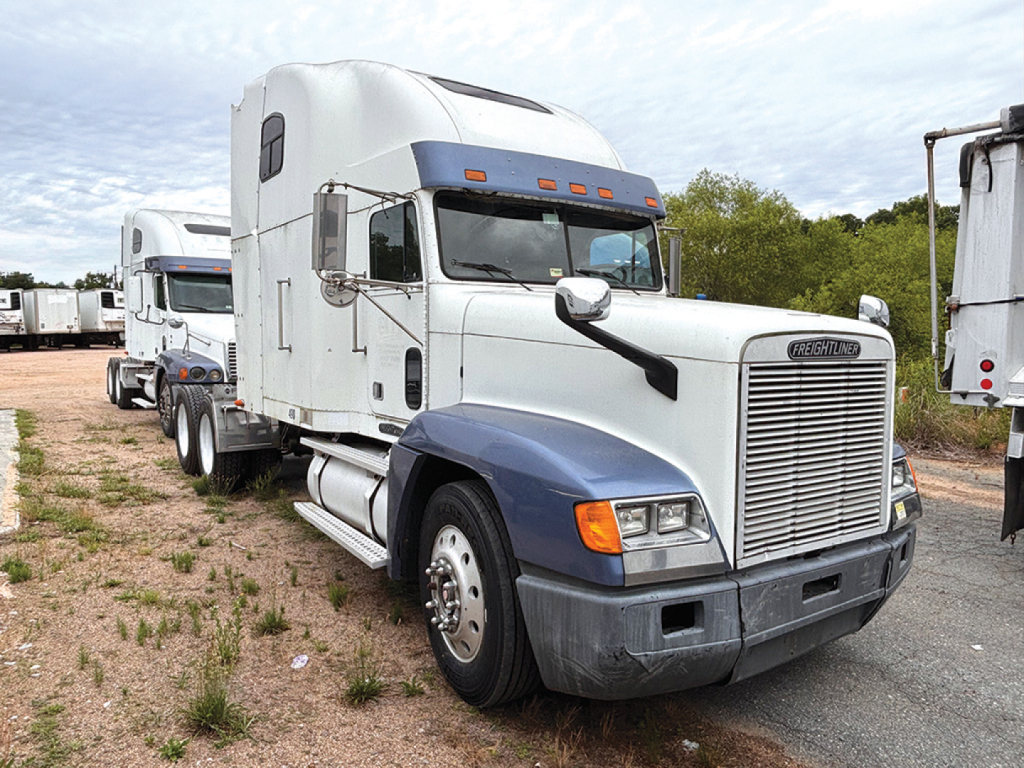
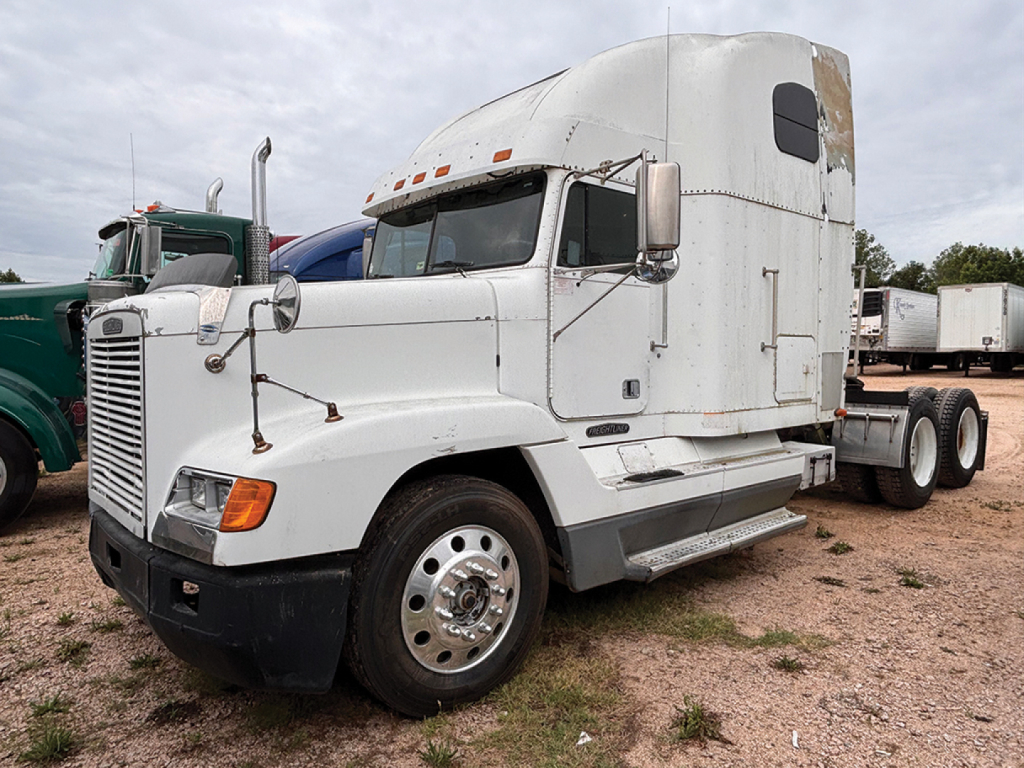
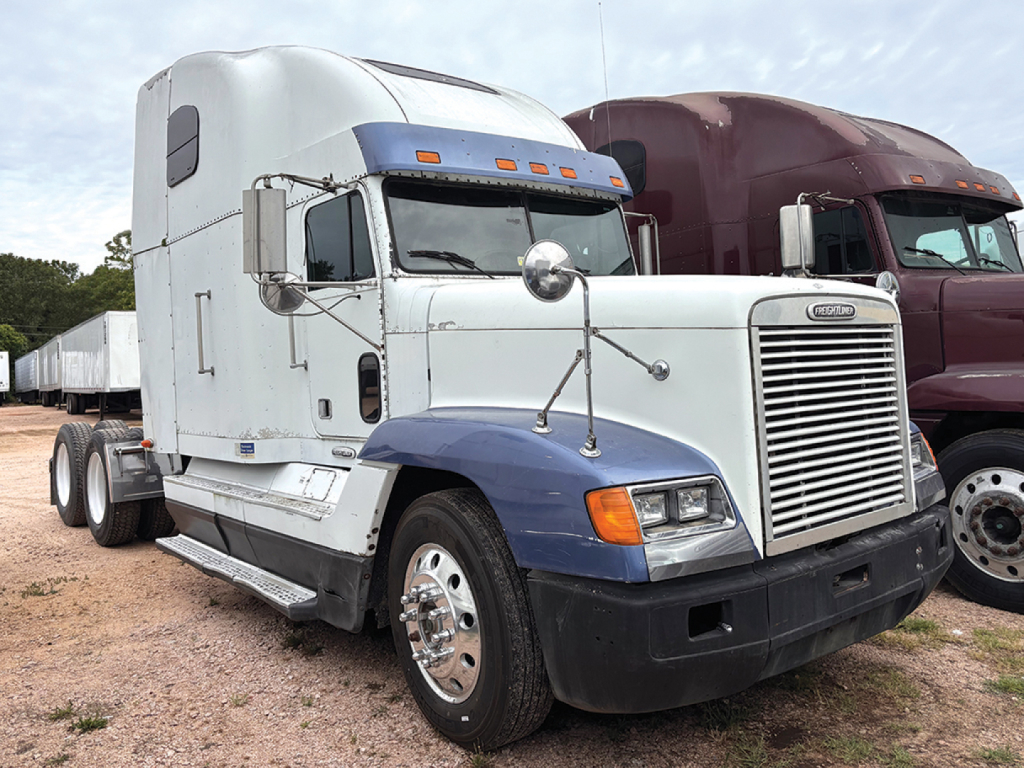
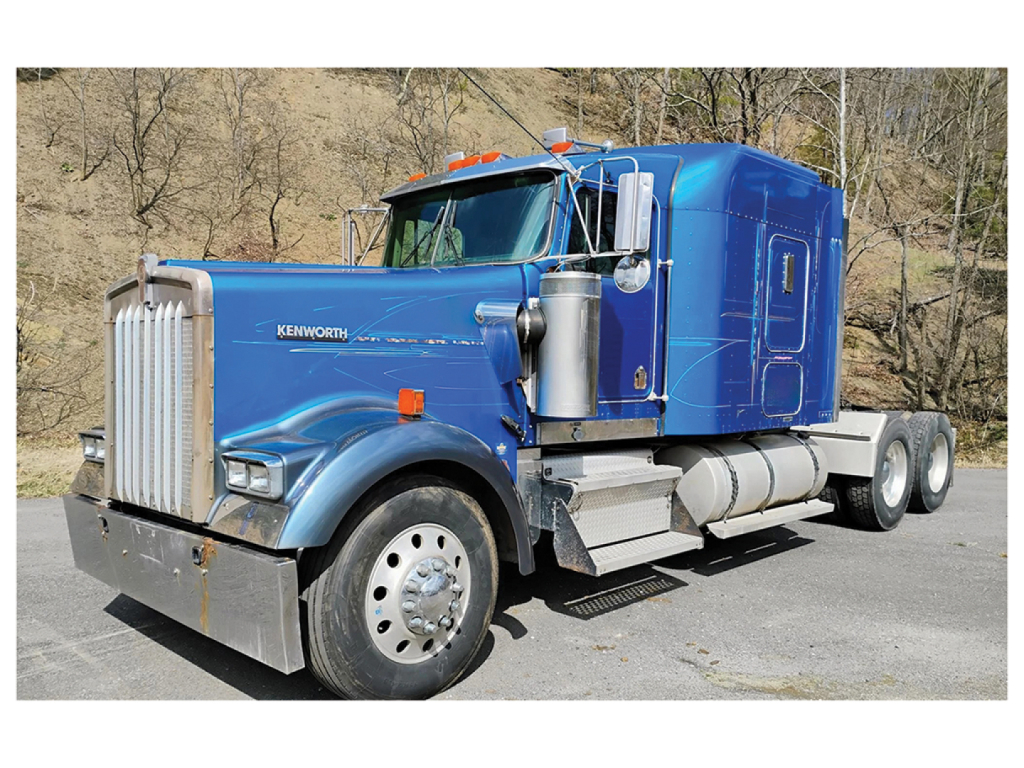
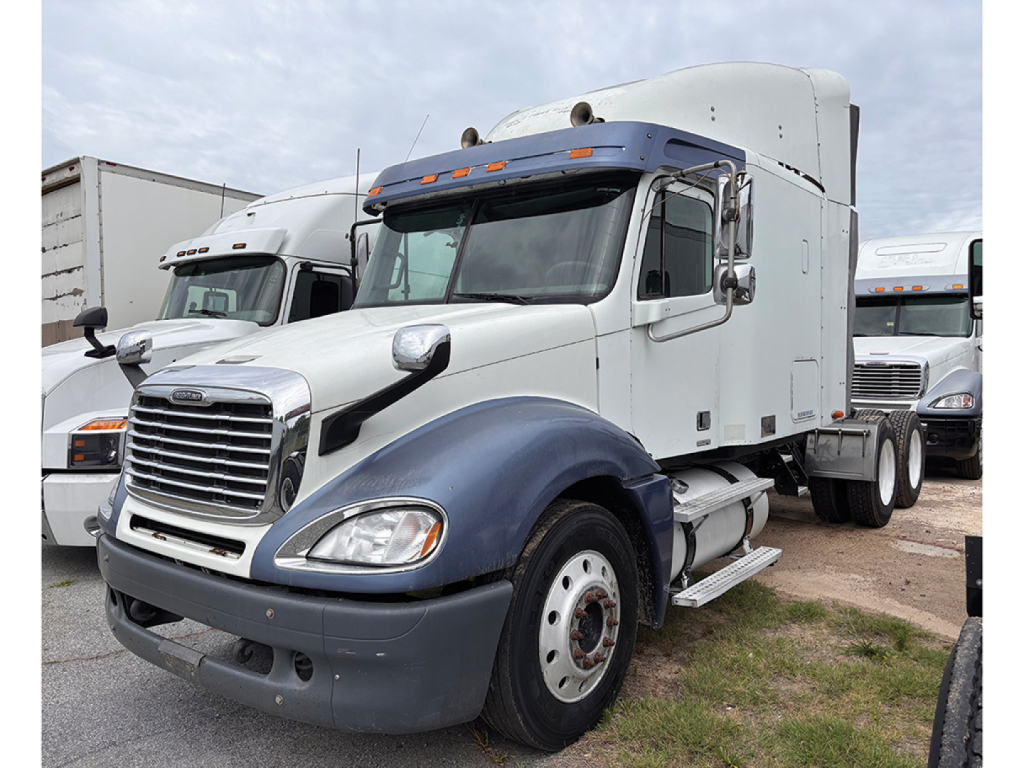
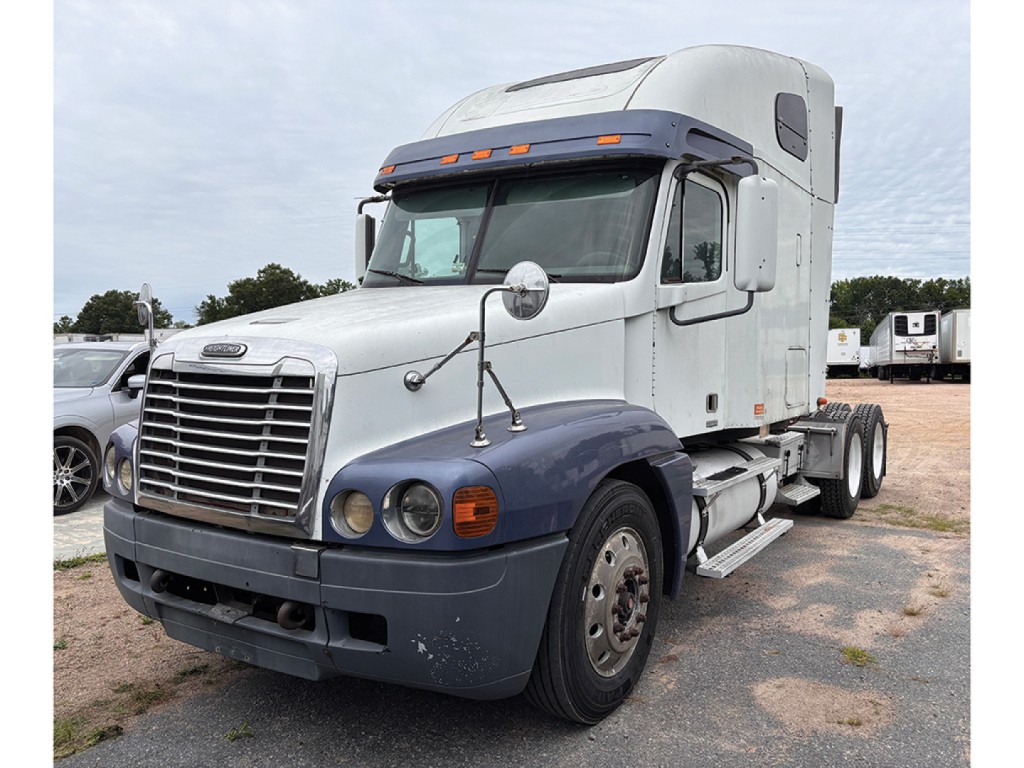
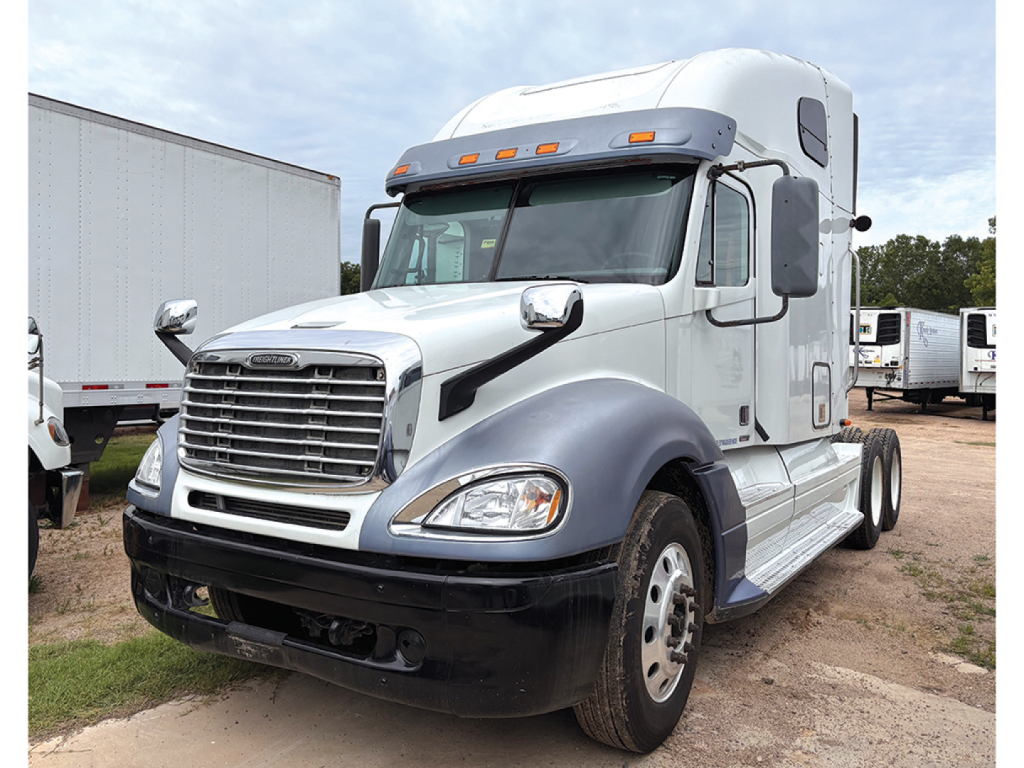
Showing 193 to 204 of 758 results
Have conventional sleeper truck to sell? List it here to reach thousands of buyers.
About Conventional Sleeper Trucks in Nebraska
The main buying decision usually starts with the powertrain. Conventional sleeper trucks commonly use 13-liter to 15-liter diesel engines such as the Detroit DD15, Cummins X15, PACCAR MX-13, or legacy Caterpillar platforms in older long-hood models. Horsepower typically falls in the 450 to 550 HP range, paired with torque ratings suited for general van freight, reefer, tanker, or heavier specialized loads. Rear axle ratios like 2.79, 3.23, 3.25, and 3.55 make a real difference in performance and operating cost. Lower numerical ratios generally favor fuel economy at highway speed, while deeper ratios can help with heavier loads, hill country, or applications where startup performance matters more. Transmission choice is another key spec, with automated manuals dominating newer fleet trucks and 13-speed or 10-speed manuals still appealing to buyers who want more direct control or are shopping older owner-operator spec units.
Sleeper trucks also vary a lot in chassis and driver-spec details that affect day-to-day use. A typical tandem axle sleeper tractor will carry a 40,000 lb rear axle rating with air ride suspension, an air-slide fifth wheel, and wheelbases often running from the low 220-inch range up to 260 inches or more on long-hood trucks. Disc brakes, aluminum wheels, dual fuel tanks, side fairings, cab extenders, and bunk heaters are common on late-model aerodynamic tractors. Inside the sleeper, buyers should look closely at upper bunk layout, refrigerator space, storage capacity, HVAC performance, and overall cab condition, because these directly affect retention, comfort, and downtime. For linehaul operations, an aerodynamic conventional sleeper like a Cascadia or T680 is often chosen for fuel economy and fleet serviceability. For classic owner-operator applications, a long-hood conventional such as a Peterbilt 379 remains attractive for appearance, service access, and heavy-haul style specs.
A good conventional sleeper truck should be matched to freight lane, trailer type, and maintenance plan, not just model year or odometer. Wheelbase must work with trailer swing clearance and desired kingpin settings. Engine brake performance matters in rolling terrain. Tire size, low-profile versus standard 11R22.5 or 24.5 rubber, affects ride height, gearing feel, and replacement cost. Buyers comparing used sleeper tractors should pay attention to emissions system history, transmission calibration, bunk HVAC operation, and signs of excessive idle time, since sleeper trucks often accumulate engine hours faster than day cabs. When the specs line up with the route and load profile, a conventional sleeper can be one of the most versatile and resale-stable truck classes in the market.
Frequently Asked Questions
What is a conventional sleeper truck used for?
A conventional sleeper truck is built for long-haul and regional freight where the driver needs a sleeping compartment behind the cab. It is commonly used for dry van, refrigerated, flatbed, tanker, and dedicated contract lanes. Compared with a day cab, the sleeper adds living space for overnight rest, onboard storage, and better suitability for multi-day routes.
What sleeper size is best in a conventional truck?
The right sleeper size depends on haul length, driver preference, and whether the truck runs solo or team. A 60- to 63-inch sleeper can work well for regional or shorter over-the-road use where weight and wheelbase matter. A 72- to 76-inch high-roof sleeper is usually preferred for longer trips because it provides more headroom, storage, and space for amenities like an upper bunk or refrigerator.
Should I choose an automatic or manual transmission in a sleeper tractor?
Automatic and automated manual transmissions are now common in newer conventional sleeper trucks because they improve driver consistency, reduce fatigue, and often support better fuel economy across mixed driver pools. Manual transmissions still appeal to some buyers, especially in older owner-operator specs or applications where gear selection control is important. The better choice depends on driver availability, terrain, maintenance support, and resale preferences in your market.
What axle ratio works best for a conventional sleeper truck?
A highway-focused sleeper tractor often benefits from faster ratios such as 2.79 or 3.23, especially when paired with downsped engines designed for fuel economy. Ratios like 3.25 or 3.55 can make more sense for heavier freight, older drivetrains, or routes with more grades and lower average road speed. The best ratio is the one that matches engine torque, tire size, transmission gearing, and the weight of the loads being hauled.
What should I inspect on a used conventional sleeper truck?
The most important inspection points are engine hours, maintenance records, emissions system history, transmission operation, differential condition, suspension wear, brake type and remaining life, and sleeper functionality. Buyers should also check the bunk heater, air conditioning performance, refrigerator operation if equipped, fifth wheel slide condition, and signs of frame or cab corrosion. On aerodynamic trucks, damaged fairings and cab extenders can add repair cost and affect fuel efficiency.