
Mack Conventional Sleeper Trucks For Sale in Georgia
Shop Mack conventional sleeper trucks for long-haul freight, with MP8 power, mDrive automation, aerodynamic specs, and stand-up sleeper options.
Learn more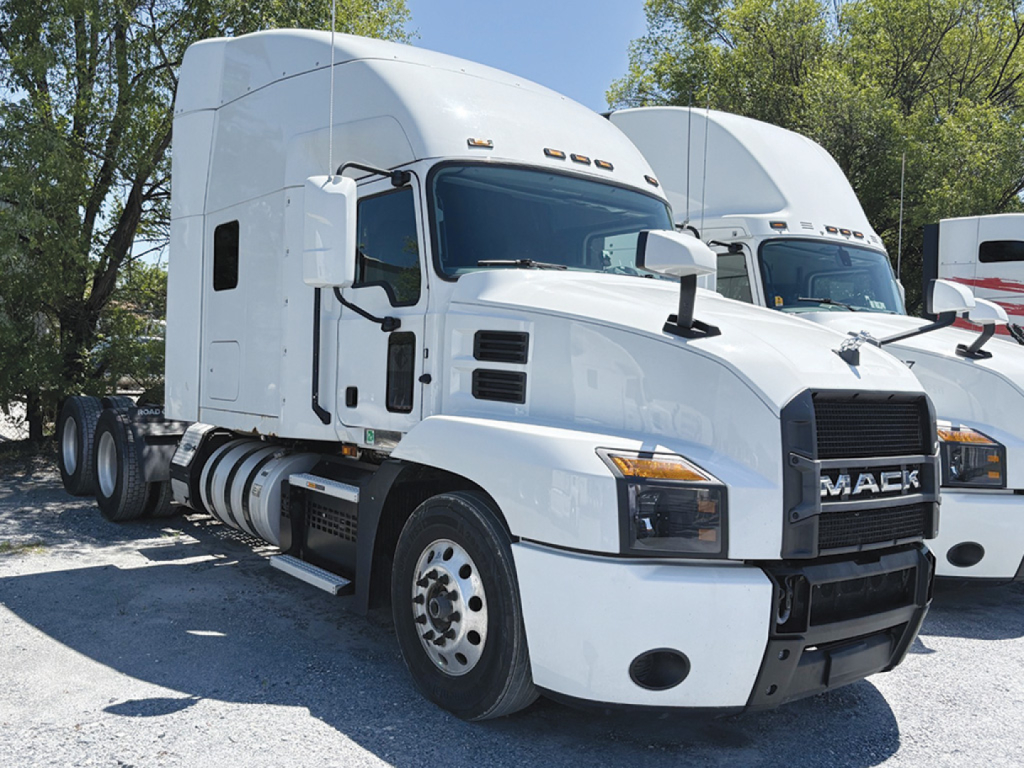
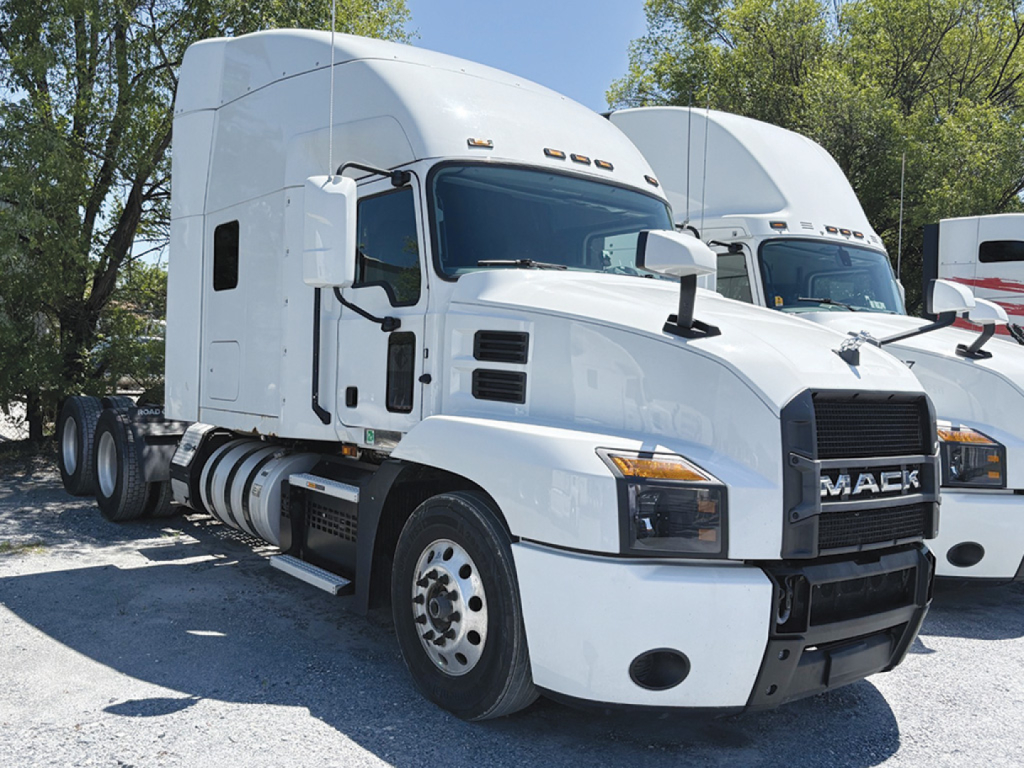
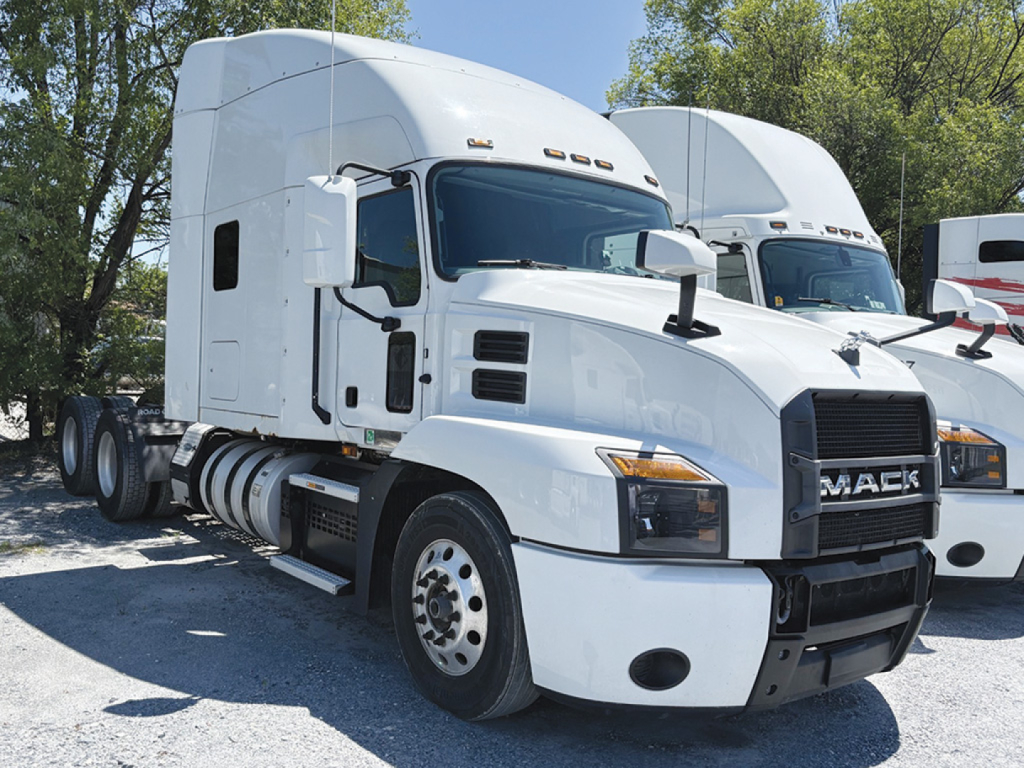
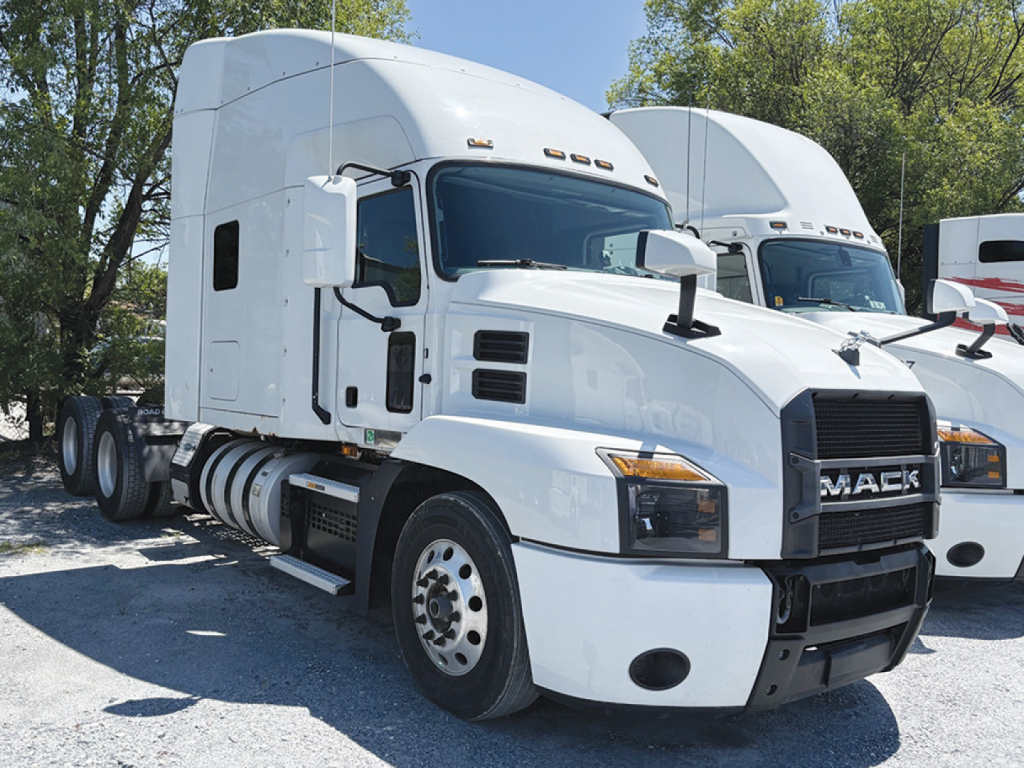
Showing 37 to 43 of 43 results
Have mack conventional sleeper truck to sell? List it here to reach thousands of buyers.
About Mack Conventional Sleeper Trucks in Georgia
A good Mack sleeper spec starts with the drivetrain. Many used conventional sleeper trucks in this class carry 40,000 lb rears, air ride suspension, and highway gearing in ratios such as 2.61, 2.64, or 2.79. Those are the kinds of ratios buyers typically want for van, reefer, and general freight lanes where cruising efficiency matters more than low-speed vocational performance. Wheelbase, fifth wheel travel, and fuel capacity also deserve close attention. A 218-inch to 228-inch wheelbase is common on fleet highway tractors, and an air slide fifth wheel adds flexibility if trailer lengths and kingpin settings vary across the operation. Dual aluminum tanks, low-profile 22.5 tires, and aluminum wheels are also typical indicators of a linehaul-focused spec.
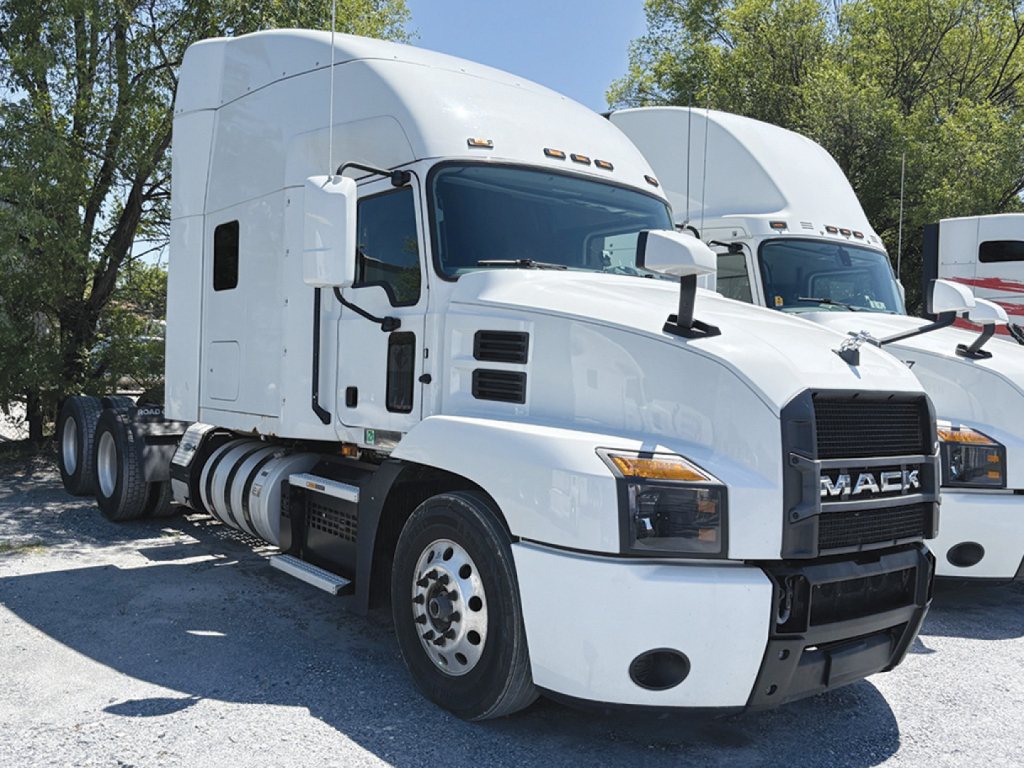
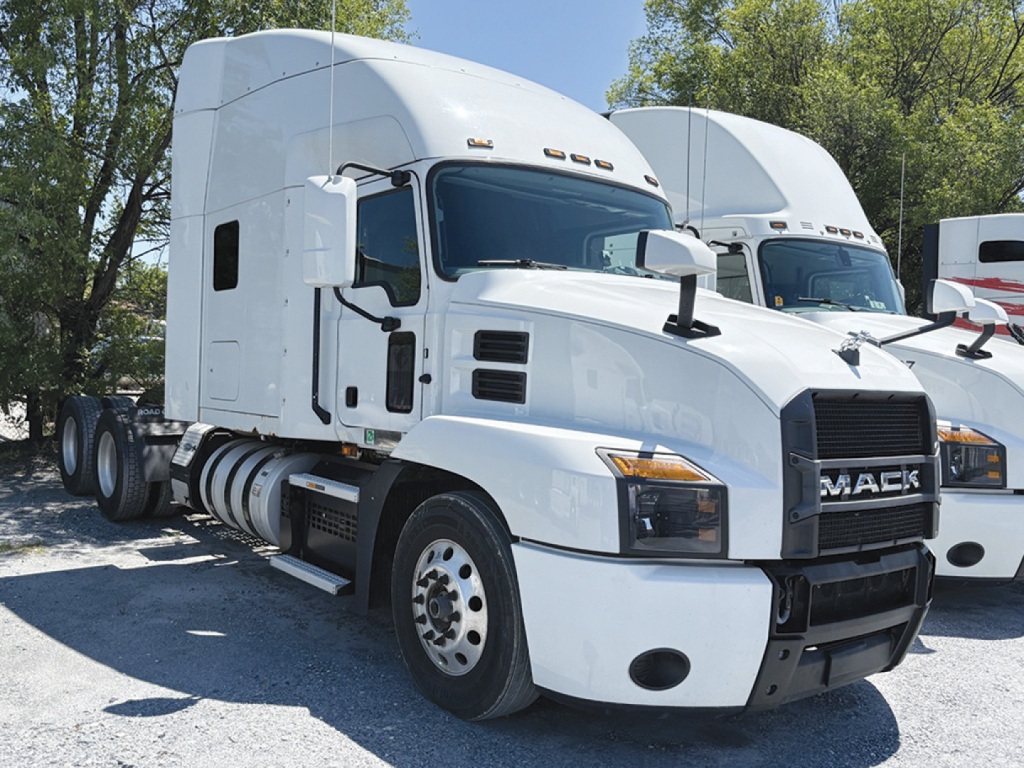
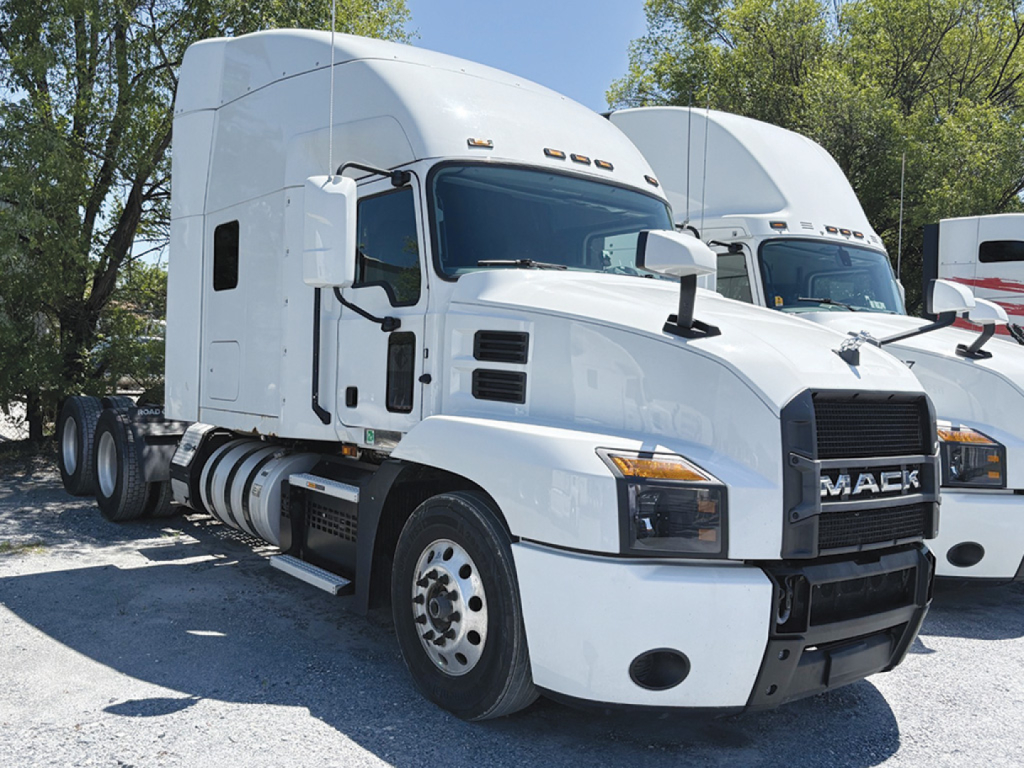
The sleeper itself can make a major difference in resale value and driver acceptance. Mack conventional sleepers are commonly found with mid-roof or taller stand-up sleeper layouts, including 70-inch sleepers that give a driver enough room for true over-the-road duty. Features such as APUs, air conditioning, power windows, cruise control, tilt and telescoping steering, and well-matched roof and side fairings are not cosmetic details. They affect idle reduction, comfort, and operating cost. Exterior aerodynamics, including cab extenders, roof fairings, quarter fenders, and horizontal or vertical exhaust layouts, should be evaluated as part of the complete fuel-efficiency package rather than as standalone options.
For Georgia buyers, Mack conventional sleeper trucks fit well in regional Southeast freight as well as longer interstate runs through major corridors. The key is matching the truck to the freight profile. A buyer hauling dry van or reefer at highway speeds will usually prioritize aerodynamic trim, tall sleeper comfort, and efficient rear-end ratios. A heavier or more specialized operation may focus more on wheelbase, axle rating, and fifth wheel setup. On a used Mack sleeper, pay close attention to engine brake performance, mDrive service history, aftertreatment condition, tire wear pattern, suspension integrity, and signs of previous fairing or cab damage. When the spec is right, a Mack conventional sleeper can be a strong fleet tractor for carriers that want highway efficiency with the durability the brand is known for.
Frequently Asked Questions
What engine and transmission are most common in Mack conventional sleeper trucks?
Many Mack conventional sleeper trucks are spec'd with the Mack MP8 engine and the Mack mDrive automated manual transmission. In the used market, 445 HP is a common rating for long-haul applications because it provides solid performance for van and reefer work without pushing the truck into a heavier fuel-consumption profile than necessary. The mDrive is popular with fleets because it simplifies driver operation and is well suited to highway duty cycles.
What rear-end ratio is best for a Mack sleeper tractor?
The best rear-end ratio depends on load, terrain, cruise speed, and tire size, but many highway Mack sleepers are equipped with ratios such as 2.61, 2.64, or 2.79. Lower numerical ratios generally support fuel-efficient interstate cruising, especially in dry van and reefer service. Buyers running heavier weights, more stop-and-go routes, or hillier terrain may prefer a ratio that gives the truck a little more launch and gradeability.
Is a 70-inch stand-up sleeper a good choice for over-the-road work?
A 70-inch stand-up sleeper is a strong fit for over-the-road operation because it gives the driver usable living space for longer trips and multi-day runs. It generally supports better driver comfort and retention than smaller sleeper setups, and it can help resale when the truck is sold back into the highway market. For buyers focused on linehaul freight, a stand-up sleeper is usually more desirable than a shorter regional sleeper.
What should I inspect on a used Mack conventional sleeper truck?
Focus on the full operating spec and maintenance history, not just miles and model year. Check the MP8 engine for service records, fault history, and engine brake operation. Review mDrive maintenance and clutch-related service documentation. Inspect the aftertreatment system, suspension, driveline, wheel seals, and steer tire wear. On aerodynamic Mack sleepers, also look closely at fairings, cab extenders, quarter fenders, and sleeper mounts because damaged aero components can affect both fuel economy and appearance.
Are Mack conventional sleeper trucks good for Georgia and Southeast freight lanes?
Yes. Mack conventional sleeper trucks are well suited to Georgia and Southeast freight where carriers often run a mix of regional and long-haul miles across major interstate corridors. An aerodynamic Anthem-style sleeper with efficient gearing, air ride suspension, and a sliding fifth wheel fits common dry van and reefer operations in this region. Buyers should still match the truck carefully to route profile, trailer type, and average gross weight before choosing a spec.