
Used 2021 Kenworth Conventional Sleeper Trucks For Sale in New York
Browse used 2021 Kenworth conventional sleeper trucks, including T680 specs, MX-13 power, sleeper options, and long-haul buyer considerations.
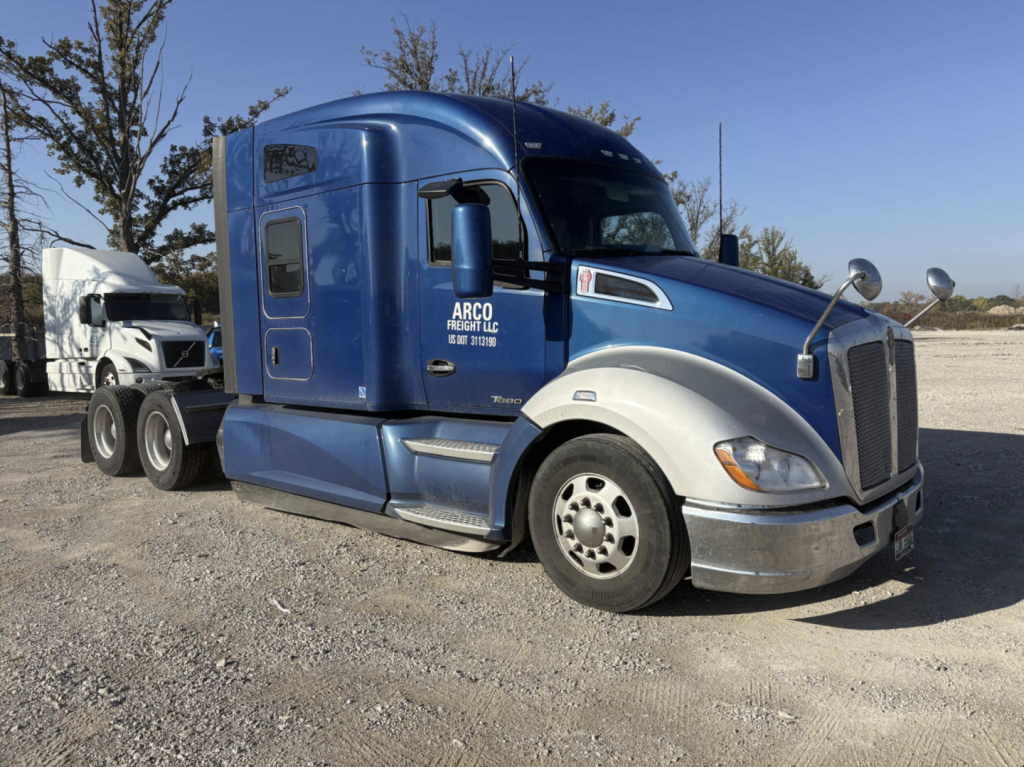

Have used 2021 kenworth conventional sleeper truck to sell? List it here to reach thousands of buyers.
Used 2021 Kenworth Conventional Sleeper Trucks in New York
The typical 2021 Kenworth sleeper spec centers on the PACCAR MX-13 in the 455 HP range, paired with an automated transmission and a 40,000-pound rear axle setup. Ratios such as 2.79 or 2.85 are common on highway tractors aimed at fuel mileage and lower cruising RPM. Buyers comparing listings should pay close attention to wheelbase, fifth wheel type, and axle ratio because those details affect maneuverability, trailer gap, and real-world operating cost. A 227-inch wheelbase, air ride suspension, air slide fifth wheel, low-profile 22.5 tires, and aluminum wheels are all typical signs of a linehaul-oriented spec rather than a vocational or heavy-haul build.
Condition matters more than badge alone on a used 2021 sleeper. Review engine hours against odometer miles, confirm service history on the emissions system, and check for software updates, collision mitigation calibration, and transmission maintenance. On aerodynamic Kenworth sleepers, inspect fairings, cab extenders, quarter fenders, hood alignment, and bumper condition because damaged aero components can affect both fuel economy and downtime. Inside the cab, look at bunk HVAC performance, refrigerator operation, seat wear, dash warning history, and how well the interior has held up under fleet use. In New York and the Northeast, corrosion around frame components, battery boxes, crossmembers, and suspension hardware deserves a close look, especially on trucks that ran through multiple winters.
A 2021 Kenworth conventional sleeper is a strong fit for dry van, reefer, and general freight operations where uptime, driver acceptance, and predictable highway manners are priorities. The platform is also well suited to fleets that want modern safety features such as collision mitigation while staying in a late-model used price band. Buyers should match the truck to the lane before focusing on cosmetics. If the truck will stay on long interstate runs, a tall sleeper, taller gearing, and full aero package make sense. If it will spend more time in the Northeast corridor, tighter routing and frequent backing may push more value toward wheelbase, visibility, and sleeper size than pure fuel economy numbers.
Frequently Asked Questions about Used 2021 Kenworth Conventional Sleeper Trucks in New York
What engine and transmission are common in a used 2021 Kenworth conventional sleeper?
A common setup is the PACCAR MX-13 rated around 455 horsepower with an automated transmission. This combination is popular in highway fleets because it supports fuel-efficient cruising, works well with downsped rear axle ratios, and reduces driver fatigue compared with a manual transmission. Exact ratings and programming can vary by original fleet spec, so it is worth confirming horsepower, torque, transmission model, and any software updates before purchase.
Is a 76-inch high-roof sleeper the right choice for long-haul work?
For over-the-road use, a 76-inch high-roof sleeper is one of the most practical configurations. It gives the driver enough living space for multi-day trips and typically includes features such as an upper bunk, storage, bunk HVAC, and often a refrigerator. That extra room can improve driver comfort and retention, but it also adds overall length and weight compared with a smaller sleeper or day cab, so the route profile and freight type should drive the decision.
What should I inspect on a used 2021 Kenworth T680 in the Northeast?
Start with frame and suspension corrosion, then move to emissions components, batteries, crossmembers, and air system condition. In the Northeast, winter road treatment can accelerate rust on exposed hardware and undercarriage components. On a T680, also inspect the hood, bumper, fairings, cab extenders, and quarter fenders for damage or poor repairs because those parts affect aerodynamics and can be expensive to replace. A diagnostic scan and a review of maintenance records are especially important on late-model emissions trucks.
How do 2.79 and 2.85 rear axle ratios affect a sleeper tractor?
Both ratios are typical for highway tractors, but they change cruise RPM, gradeability, and how the truck feels under load. A 2.79 ratio generally favors lower engine speed and fuel economy on flat to rolling interstate routes. A 2.85 ratio may give slightly better pulling feel in mixed terrain or heavier gross combinations while still remaining highway-friendly. The right choice depends on average trailer weight, terrain, cruising speed, and transmission calibration.
Are used 2021 Kenworth conventional sleepers good for reefer and dry van fleets?
Yes. This category is commonly used in reefer, dry van, and general freight service because it combines aerodynamic design, strong driver amenities, and highway-focused drivetrain specs. Features like air ride suspension, sliding fifth wheels, collision mitigation systems, and efficient axle ratios make these trucks adaptable across many trailer types. The key is to confirm that the original spec matches the operation, especially fuel capacity, wheelbase, gearing, and sleeper equipment.