
Kenworth Conventional Sleeper Trucks For Sale in Pennsylvania
Shop Kenworth conventional sleeper trucks for sale in Pennsylvania. Compare T680 and T660 specs, sleeper sizes, engines, drivetrains, and road-ready features.
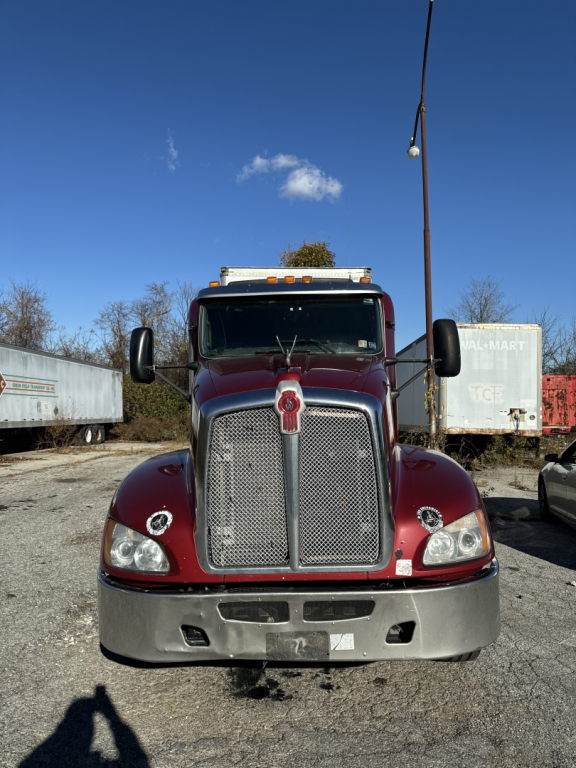
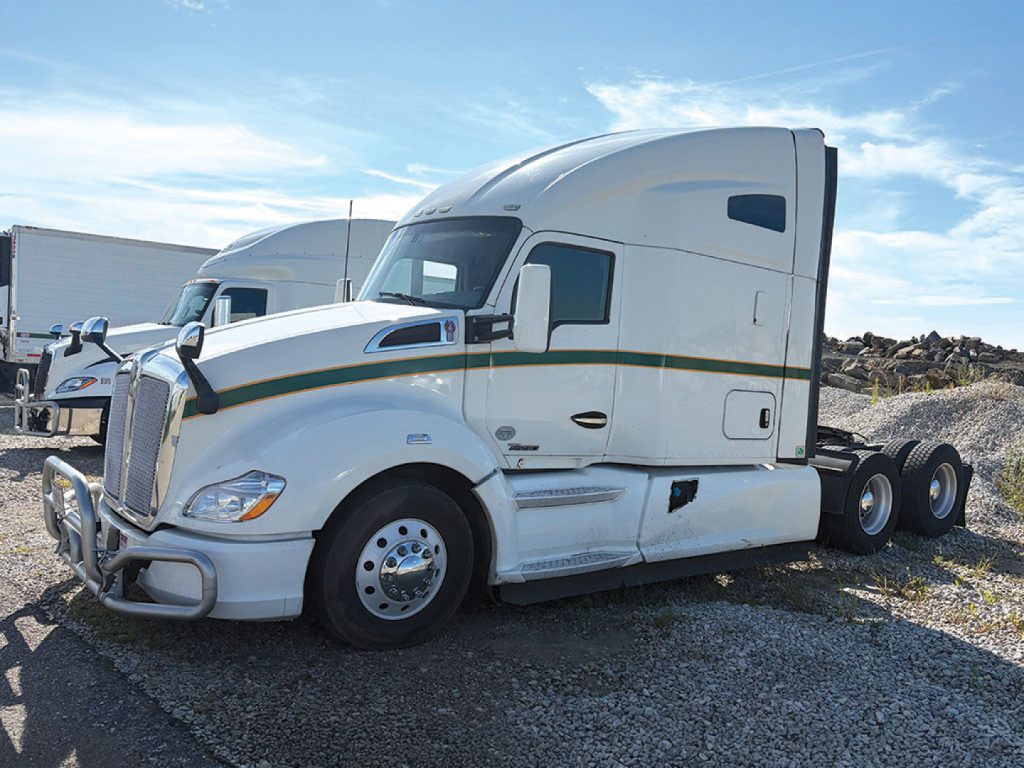

Have kenworth conventional sleeper truck to sell? List it here to reach thousands of buyers.
Kenworth Conventional Sleeper Trucks in Pennsylvania
The first decision is usually powertrain. Many Kenworth sleeper trucks are spec'd with Cummins X15 or ISX engines, while newer units may carry the PACCAR MX-13. Horsepower commonly falls in the 450 to 500 plus range, with 40,000 lb rears, tandem drive axles, and ratios such as 2.64 or 2.79 for fuel-efficient highway operation. Buyers comparing listings should look at transmission type just as closely as engine make. Automated manuals like the Eaton Endurant or PACCAR automated options are common in newer T680 specs, while some older trucks still carry Eaton-Fuller manual transmissions such as an 18-speed. The right combination depends on lane speed, gross weight, terrain, and how much driver turnover a fleet expects.
Sleeper layout matters more than the brochure suggests. A 76-inch high-roof sleeper is one of the most common configurations in a Kenworth conventional sleeper because it gives enough room for long trips, upper bunk use, onboard storage, and add-ons like a bunk heater or auxiliary power unit. Wheelbase, fuel capacity, and fairing package also affect how the truck fits your operation. A longer wheelbase can improve ride quality and fuel tank options, but it can also limit maneuverability in tighter terminals or older Northeast docks. Buyers should also check for practical road-spec items like an air slide fifth wheel, disc or drum brake setup, low-profile 22.5 tires, engine brake, and suspension type, especially if the truck will move between flat interstate runs and hill-heavy freight corridors.
A well-matched Kenworth sleeper truck should be evaluated on total operating fit, not just model year and mileage. Service records, idle hours, aftertreatment maintenance, tire condition, and cab interior wear tell more about remaining life than odometer reading alone. On late-model T680 trucks, collision mitigation systems, updated interiors, and improved aerodynamics can add value for fleet safety and driver retention. On older T660 and similar units, buyers often focus on drivetrain simplicity, manual transmission preference, and lower acquisition cost. For Pennsylvania buyers, it also pays to inspect frame and cab areas for rust, verify heater and HVAC performance for four-season use, and confirm the spec matches the trailer lengths, freight weights, and bridge-law needs of your routes.
Frequently Asked Questions about Kenworth Conventional Sleeper Trucks in Pennsylvania
What is the difference between a Kenworth T680 and a T660 sleeper truck?
The Kenworth T680 is the newer aerodynamic platform and is typically found with updated interiors, more advanced driver-assist features, improved fuel economy, and a higher concentration of automated transmissions. The T660 is an older conventional sleeper model that still appeals to buyers who want a proven highway truck, often with simpler specs and sometimes manual transmissions. In practical terms, the T680 usually fits fleets focused on efficiency and driver comfort, while the T660 can make sense for buyers prioritizing lower purchase cost and familiar mechanical layouts.
What engine and transmission combinations are common in Kenworth conventional sleepers?
Common engine choices include the Cummins X15, Cummins ISX15, and PACCAR MX-13, generally in the 450 to 550 horsepower range depending on application. Newer trucks are often paired with automated manual transmissions such as the Eaton Endurant or PACCAR automated units, while older units may use Eaton-Fuller manual gearboxes including 10-speed, 13-speed, or 18-speed setups. Buyers should match the engine, rear axle ratio, and transmission to route profile, average gross weight, and driver preferences rather than choosing only by horsepower.
Is a 76-inch high-roof sleeper the right size for most long-haul work?
A 76-inch high-roof sleeper is one of the most versatile configurations for over-the-road freight because it provides standing room, storage, and enough space for solo or team operation with an upper bunk. It works well for drivers spending multiple nights in the truck and supports common long-haul amenities such as bunk heaters, inverters, and APUs. If the truck will stay on shorter regional lanes with limited overnight use, a smaller sleeper may reduce weight and cost, but the 76-inch high-roof remains the standard choice for broad resale and driver acceptance.
What should Pennsylvania buyers inspect on a used Kenworth sleeper truck?
Pennsylvania buyers should inspect frame rails, cab mounts, battery box areas, crossmembers, and other exposed metal for rust or corrosion from winter road treatment. It is also important to review aftertreatment service history, check for fault codes, verify heater and air conditioning performance, and inspect suspension, brakes, and tires for wear consistent with Northeast highway use. Because the region mixes mountain grades, toll-road cruising, and urban delivery pressure, axle ratio, engine brake performance, and overall driveline condition deserve close attention.
What axle ratio works best in a Kenworth sleeper for highway freight?
Highway-oriented Kenworth sleeper trucks are often spec'd with faster ratios such as 2.64 or 2.79 to keep engine rpm down at cruise speed and improve fuel economy. Those ratios generally work best when paired with modern overdrive transmissions and freight that stays within normal linehaul weight ranges. If the truck will regularly pull heavy loads through steeper terrain or spend more time off the interstate, a numerically higher ratio may provide better launch and grade performance at the expense of some fuel efficiency.