
International Conventional Sleeper Trucks For Sale in Pennsylvania
International conventional sleeper trucks in Pennsylvania. Compare LT, ProStar, LoneStar specs, engines, sleepers, and features for OTR or regional work.
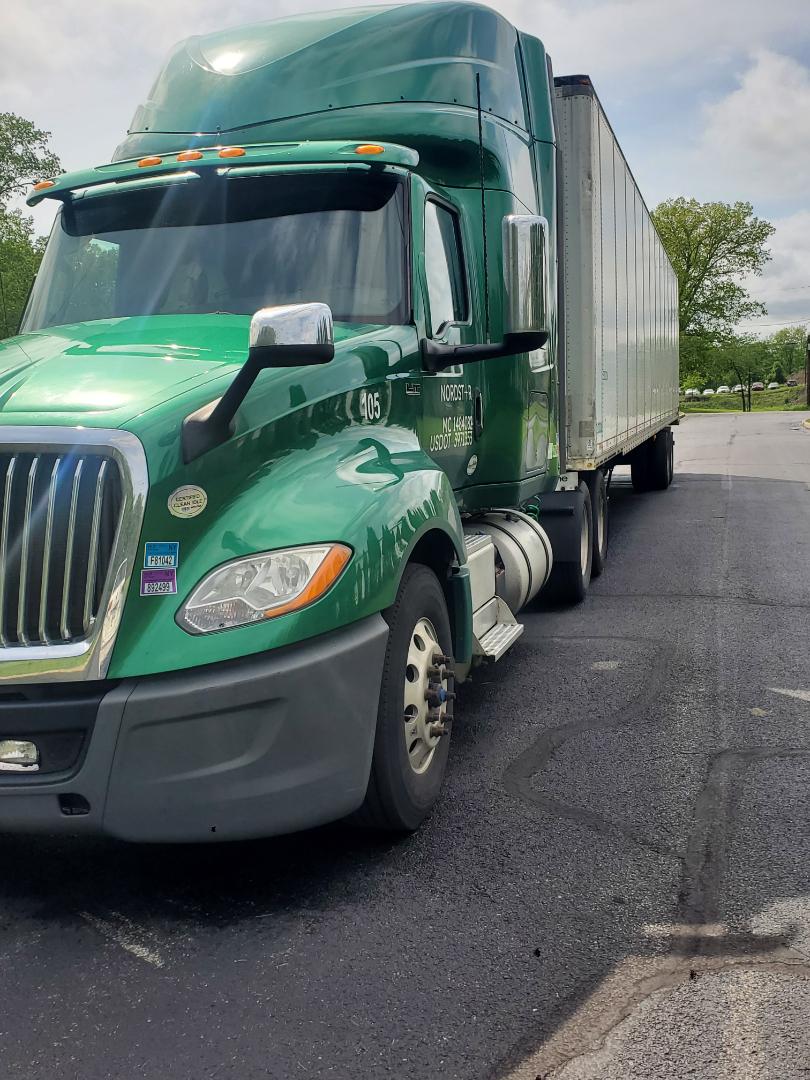
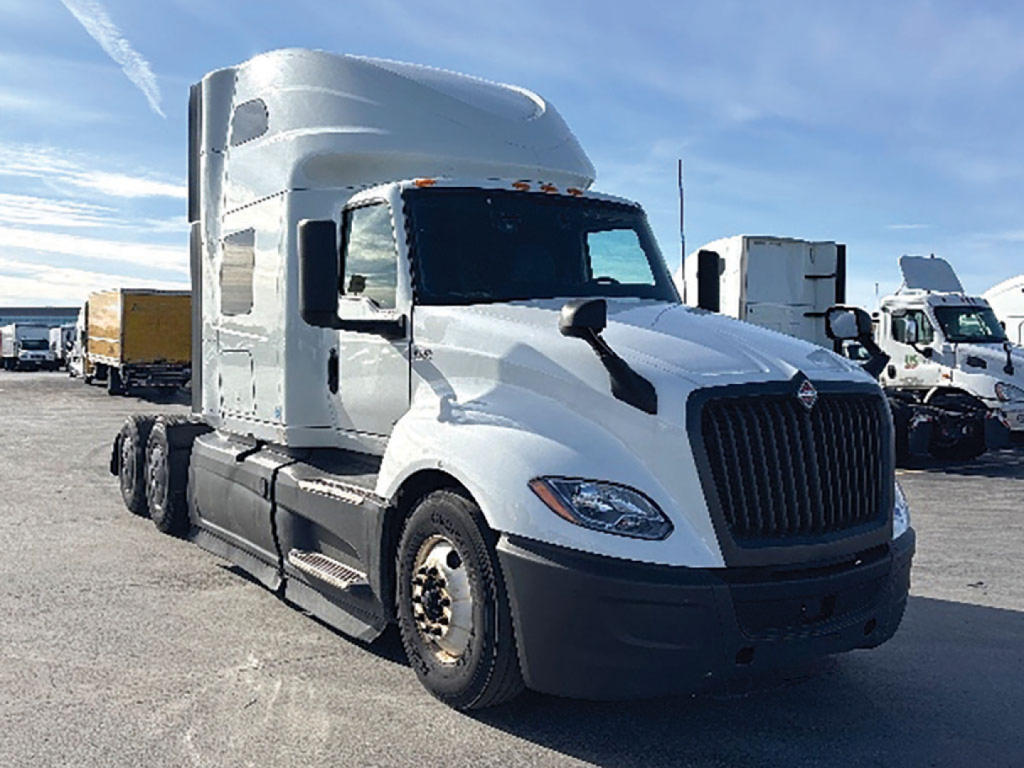
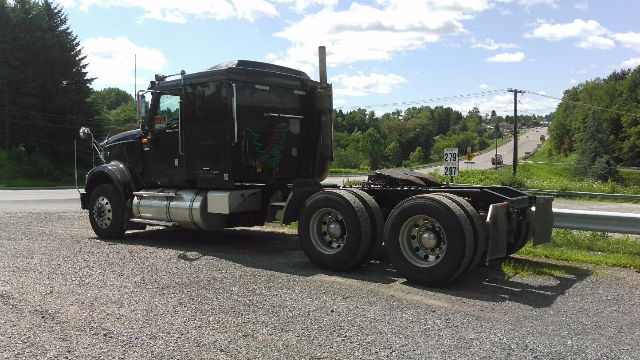
Have international conventional sleeper truck to sell? List it here to reach thousands of buyers.
International Conventional Sleeper Trucks in Pennsylvania
Sleeper configuration sets the tone for driver retention and operating cost. International offers 56 to 76 inch sleepers in mid-roof and high-rise profiles. High-rise LT and LoneStar sleepers maximize storage, standing room, and cabinet space for true OTR duty or team operations. Mid-roof sleepers pair well with flatbed or tanker work that needs fairing clearance. Many ProStar and LT units feature aero packages with roof fairings, cab extenders, and chassis skirts to trim fuel burn at highway speeds. Driver amenities to watch for include factory inverter, bunk heater, battery HVAC or APU prep, dual bunks, and refrigerator provisions.
Chassis and running gear choices affect durability and operating costs. Typical specs include a 12k to 13.2k steer axle with 40k rears, air ride suspensions from International or Hendrickson, and Meritor or Dana axles. Wheelbases cluster around 220 to 260 inches, with sliding fifth wheels to balance bridge law and trailer clearance in tight Northeast docks. Disc brakes improve stopping and cut maintenance time versus drums. Safety and uptime tech on newer Internationals can include Bendix Wingman collision mitigation, lane departure alerts, and OnCommand Connection remote diagnostics. Common tire choices are 11R22.5 or low-profile 22.5; aluminum wheels reduce tare and resist corrosion.
Pennsylvania operations reward smart spec decisions. Winter road salt is tough on frames, hubs, and airlines, so inspect for scaling, wiring chafe, and hardware corrosion. Traction control, inter-axle and cross-locks, and 11R22.5 tires aid snow performance, while an APU or battery HVAC helps meet regional anti-idle rules and saves fuel during overnighting. For used units, verify aftertreatment health by checking DPF ash load, SCR history, forced regen frequency, and any EGR cooler or doser replacements. Many buyers favor A26 or Cummins SCR engines over older EGR-only platforms, and a clean service history through OnCommand is a plus. Match sleeper height to freight profile, confirm kingpin and cab-extender clearance for your trailers, and choose aero versus classic styling like LoneStar based on image needs and fuel targets.
Frequently Asked Questions about International Conventional Sleeper Trucks in Pennsylvania
Which International sleeper model is the most fuel efficient for highway use?
The LT Series with the A26 13L, an AMT like Eaton Endurant, and an aero package with roof fairings, chassis skirts, and cab extenders offers the strongest fuel economy. Pairing a direct-drive transmission with rear ratios near 2.28 to 2.47 and low-rolling-resistance tires typically yields the best MPG on Pennsylvania’s interstates.
How do A26 and Cummins X15 engines compare in International sleepers?
The A26 is lighter and tuned for strong MPG in 80k GVW linehaul. The X15 offers broader horsepower and torque ranges for heavier loads, mountainous duty, or specialized applications. Both use SCR aftertreatment. On used units, review maintenance records for DPF cleanings, NOx sensors, and EGR components to avoid downtime.
What sleeper size should I choose for Pennsylvania lanes?
Solo OTR drivers often prefer 72 to 76 inch high-rise sleepers for storage and comfort on multi-day runs. Regional or flatbed work may favor a mid-roof to clear trailer equipment while keeping weight and height down. Team operations benefit from larger high-rise sleepers with dual bunks and extra cabinet space.
What should I inspect on a used International sleeper in a winter state like Pennsylvania?
Look closely at frame rails, crossmembers, brake hardware, air tanks, and electrical connectors for corrosion. Confirm aftertreatment health, check engine brake performance, and test HVAC, bunk heater, inverter, and APU. Review alignment and tire wear, verify fifth wheel condition, and pull an oil sample along with an ECM report of fault history.
Is a 6x2 axle configuration a good idea for Pennsylvania?
A 6x2 can save weight and fuel, but traction can suffer on snow and steep grades common in the state. Most buyers prioritize a 6x4 with inter-axle lock and, when available, cross-locks for better winter performance and resale appeal in the Northeast.