
International Conventional Sleeper Trucks For Sale in Georgia
Browse International conventional sleeper trucks with LT625 specs, sleeper size, engine, drivetrain, and regional or long-haul fit in mind.

Selling a international conventional sleeper truck? List your international conventional sleeper truck for sale and reach thousands of commercial buyers.
International Conventional Sleeper Trucks in Georgia
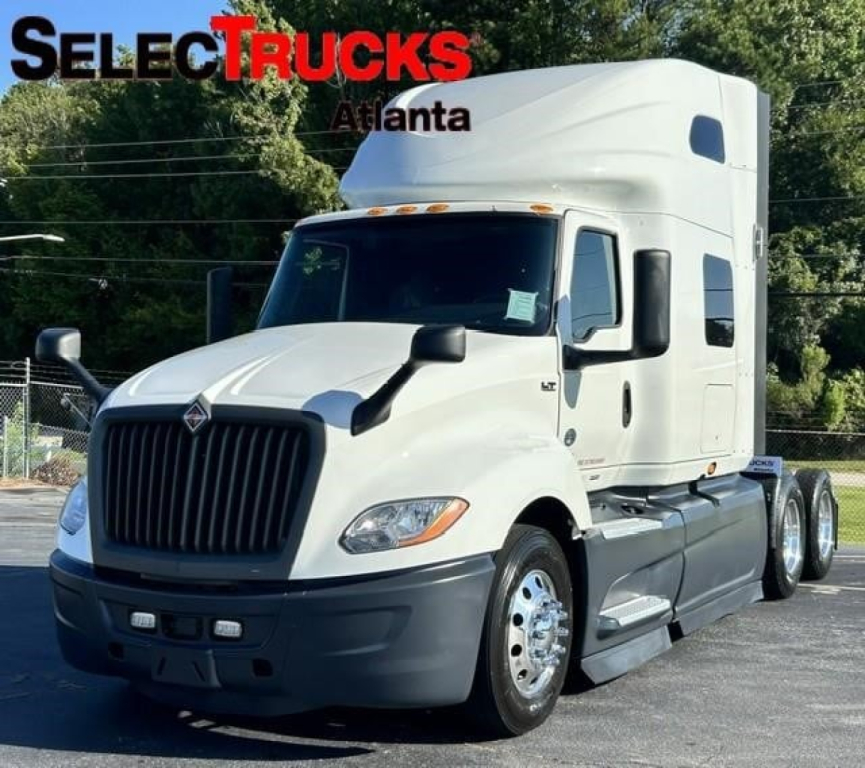
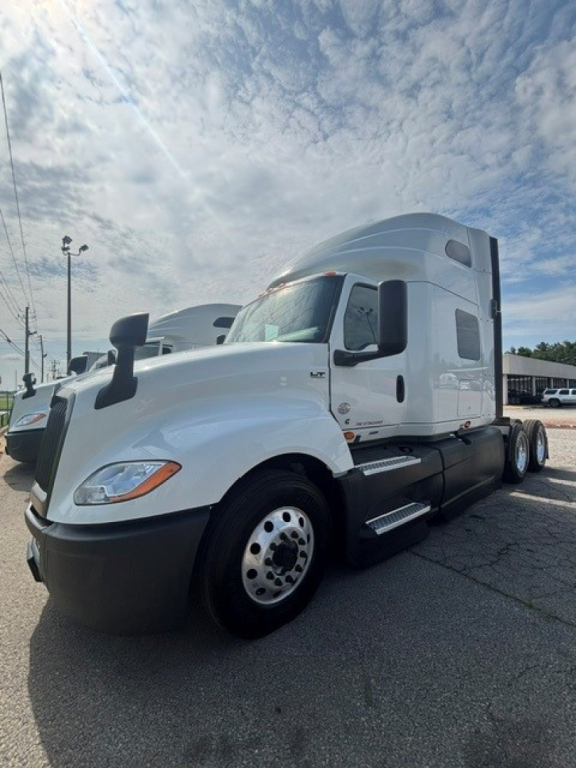
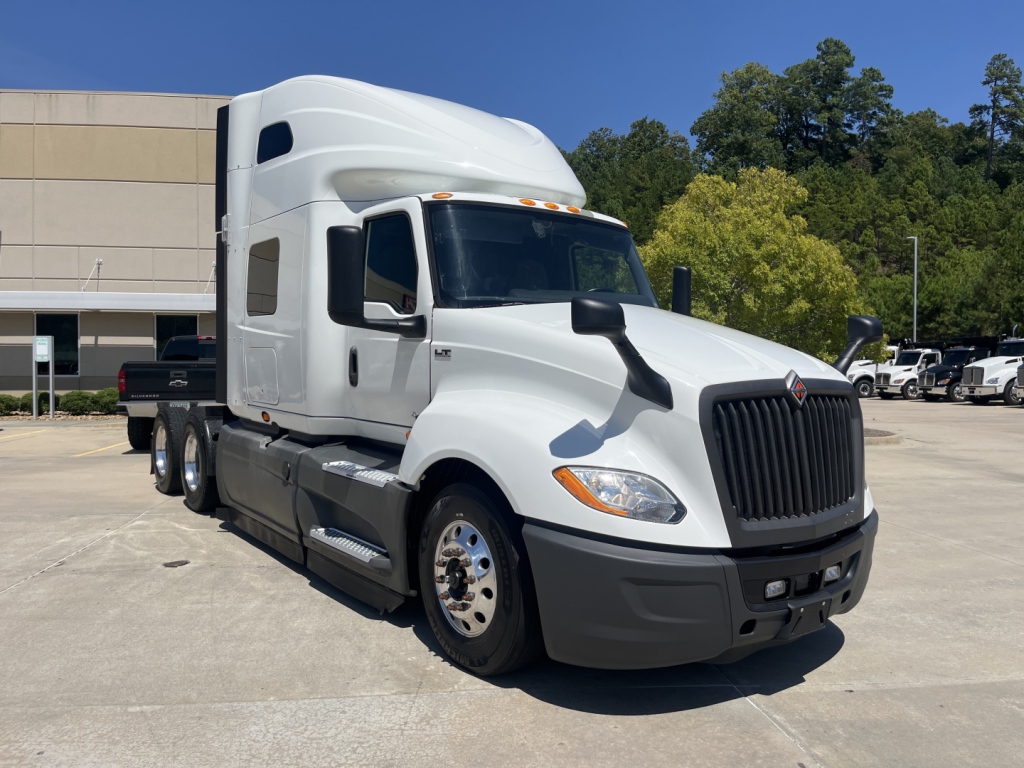
The first decision is usually sleeper configuration and powertrain. Common International sleeper setups include 56-inch and 73-inch hi-rise sleepers, with upper bunk and bunk heater options showing up frequently on fleet-spec trucks. A 56-inch sleeper fits regional and shorter OTR lanes well, keeps wheelbase tighter, and can help with weight and maneuverability. A 73-inch sleeper gives the driver more living space and is better suited to teams or longer dwell time on the road. Under the hood, many later-model International sleepers are spec'd with either the Navistar A26 or Cummins X15 in the 400 to 450 horsepower range, typically paired with Eaton Endurant automated transmissions. That combination is common because it balances drivability, fuel efficiency, and broad service support.
Rear axle ratings around 40,000 pounds, air ride suspension, and ratios such as 2.64 or 2.79 are typical on this class of tractor. A 2.64 ratio generally favors fuel mileage on highway lanes, while a 2.79 can be the better choice when the truck sees more varied terrain, heavier gross weights, or frequent stop-and-go work. Wheelbases in the low-220-inch to 240-inch range are common, and that matters for trailer gap, bridge law considerations, and how the truck handles in tight yards. Buyers should also look closely at the fifth wheel setup, including air slide travel and frame condition, plus tire size, brake type, and any added features like collision mitigation, engine brake, quarter fenders, cab extenders, roof fairings, and dual aluminum fuel tanks. These details tell you whether the truck was spec'd for fuel-conscious linehaul work, driver retention, or mixed fleet duty.
International conventional sleepers are often chosen by buyers who want a modern aero cab with straightforward controls and familiar fleet spec components. The LT platform is known for a driver-friendly interior, good outward visibility, and a practical layout that works well for single-driver fleets and owner-operators alike. When comparing listings, it helps to evaluate engine model, sleeper height, transmission generation, emissions history, maintenance records, and how the truck was geared for its previous duty cycle. A clean highway-spec International sleeper with the right wheelbase, ratio, and sleeper package can be a strong fit for dry van, reefer, and general freight operations across Georgia and beyond.
Frequently Asked Questions about International Conventional Sleeper Trucks in Georgia
What is the difference between a 56-inch and 73-inch International sleeper?
A 56-inch sleeper is usually the better fit for regional haul, shorter over-the-road lanes, and fleets that want a lighter, slightly more maneuverable tractor. A 73-inch sleeper provides more storage and living space, which matters for longer trips, team driving, or drivers who spend more nights in the truck. The larger sleeper can improve driver comfort and retention, but it may come with a longer wheelbase and slightly different weight distribution.
Is the International LT625 a good choice for long-haul freight?
The International LT625 is designed for highway work and is widely used in dry van, reefer, and general freight applications. Its aerodynamic design, common availability of 400 to 450 horsepower engines, and automated manual transmission options make it well suited for long-haul use. The right spec still matters, especially sleeper size, rear axle ratio, fuel capacity, and safety systems, because those factors affect operating cost and how well the truck matches your lanes.
Which engine is better in an International sleeper truck, the A26 or Cummins X15?
Both engines can be a solid fit, but they serve slightly different buyer priorities. The Navistar A26 is often chosen for fuel-conscious fleet applications and lighter highway-focused specs, while the Cummins X15 is popular for its broad service network, strong torque, and familiarity across the industry. The better choice depends on your repair support, driver preference, gross weight, and how hard the truck will be worked in your operation.
What rear axle ratio should I look for in a used International conventional sleeper?
A 2.64 ratio is common on fuel-economy-oriented highway tractors that spend most of their time at cruising speed with standard van or reefer freight. A 2.79 ratio may be a better fit if the truck sees hillier terrain, heavier loads, or more starts and stops. The ratio should be considered alongside transmission gearing, tire size, and engine torque curve because all of those affect drivability and fuel burn.
What should I inspect first on a used International sleeper tractor?
Start with the engine and emissions history, then move to transmission operation, suspension condition, brake wear, and tire condition. After that, inspect the sleeper components, HVAC, bunk heater, fairings, and fifth wheel assembly, including slide function and frame rail condition. Service records, fault code history, and signs of prior fleet maintenance are especially important because they give a clearer picture of how the truck was operated and maintained.