
Used Freightliner Conventional Sleeper Trucks For Sale in Nebraska
No exact matches found for your search
Showing Used Freightliner Conventional Sleeper Trucks instead.
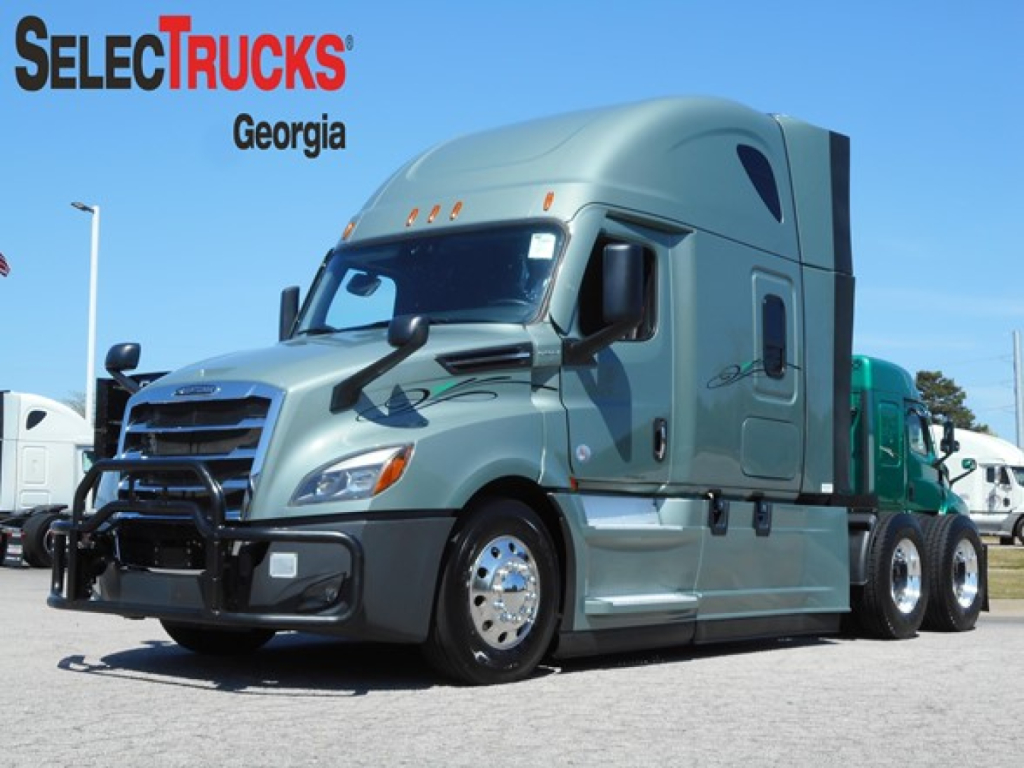
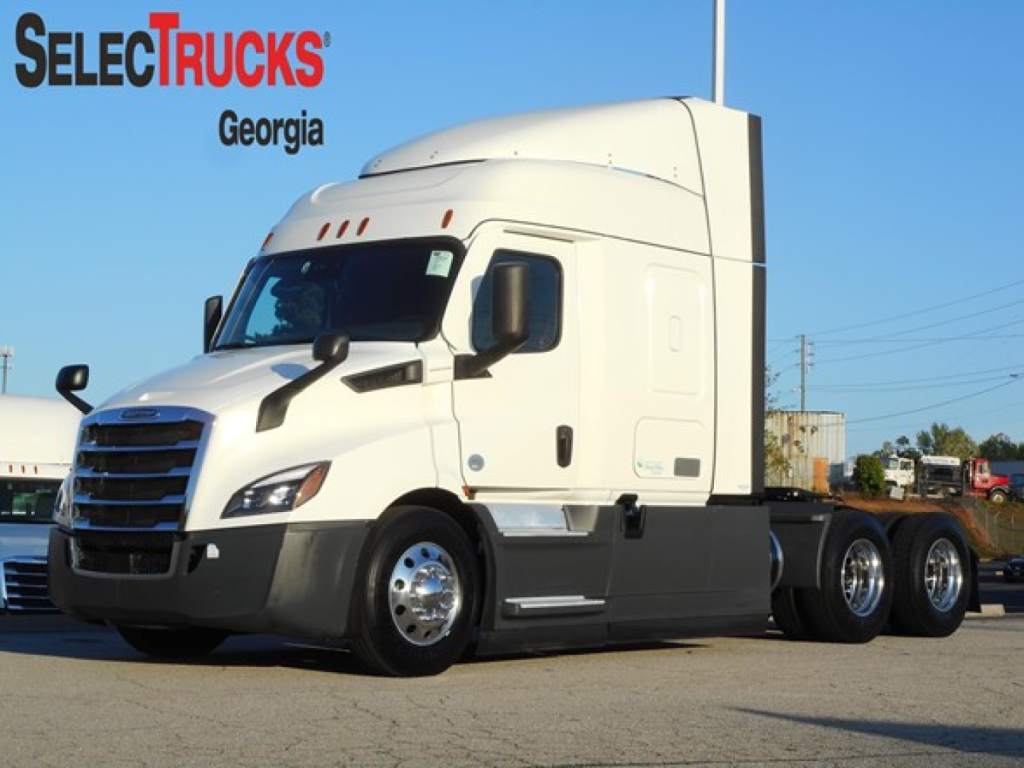
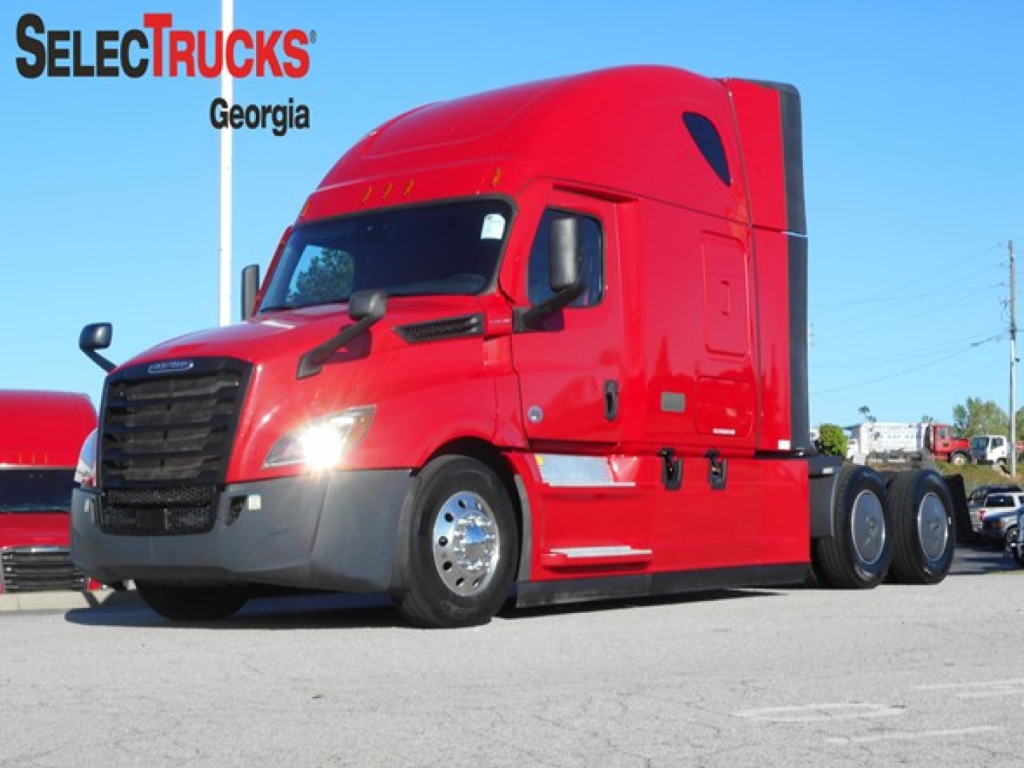
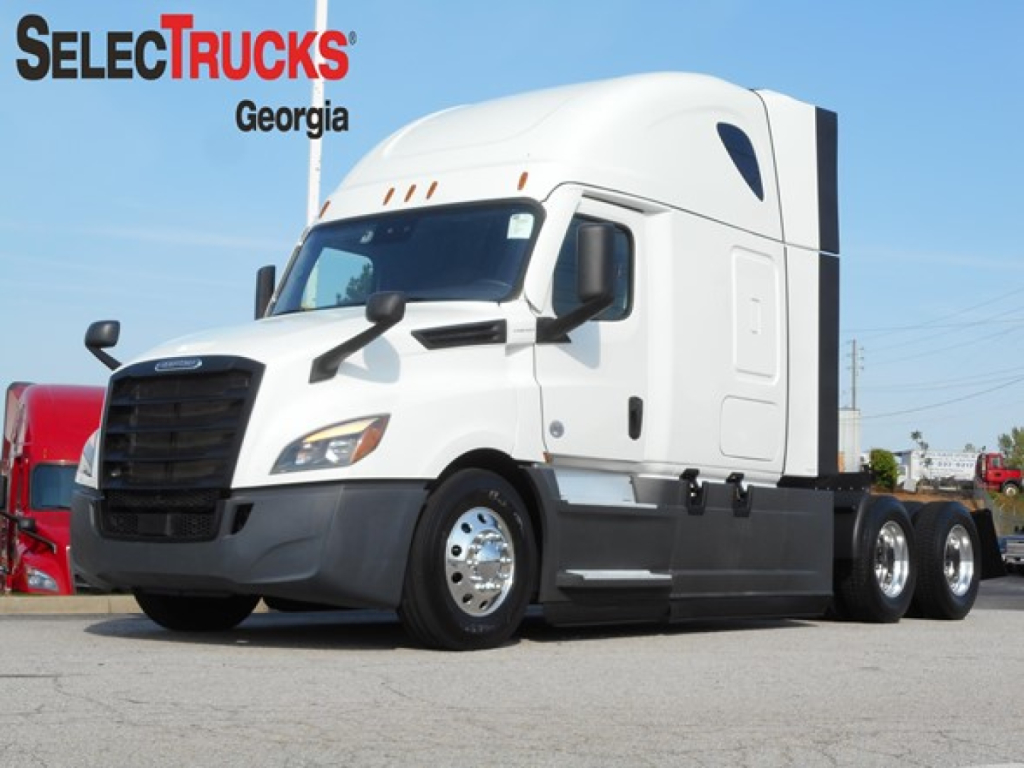
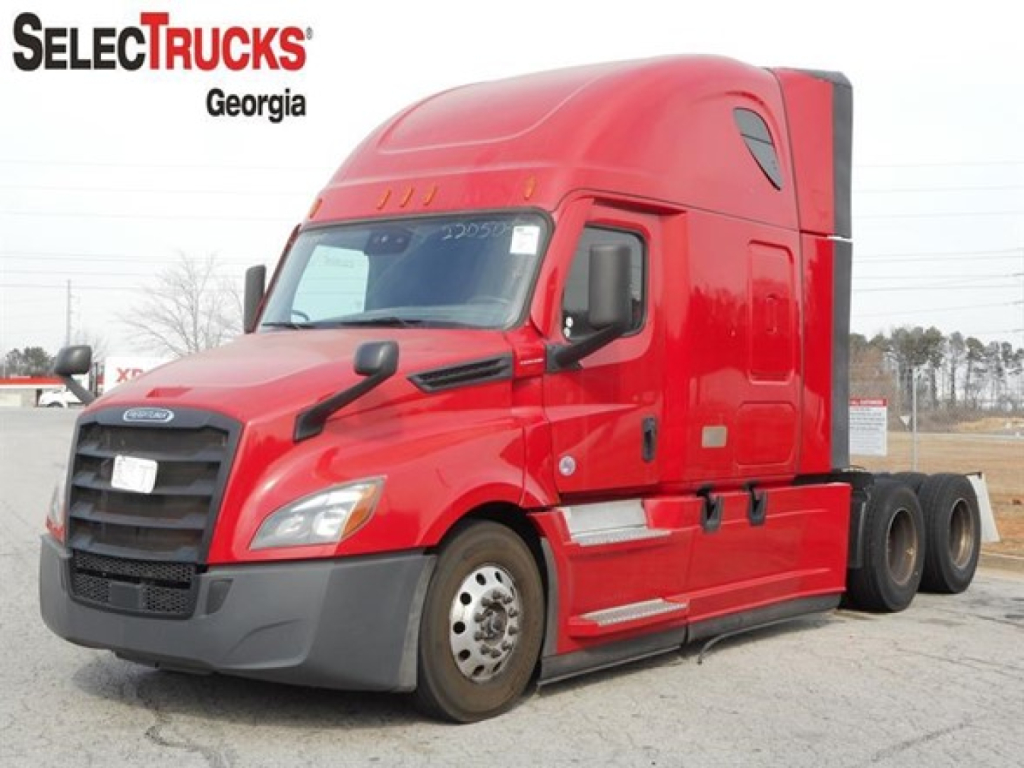
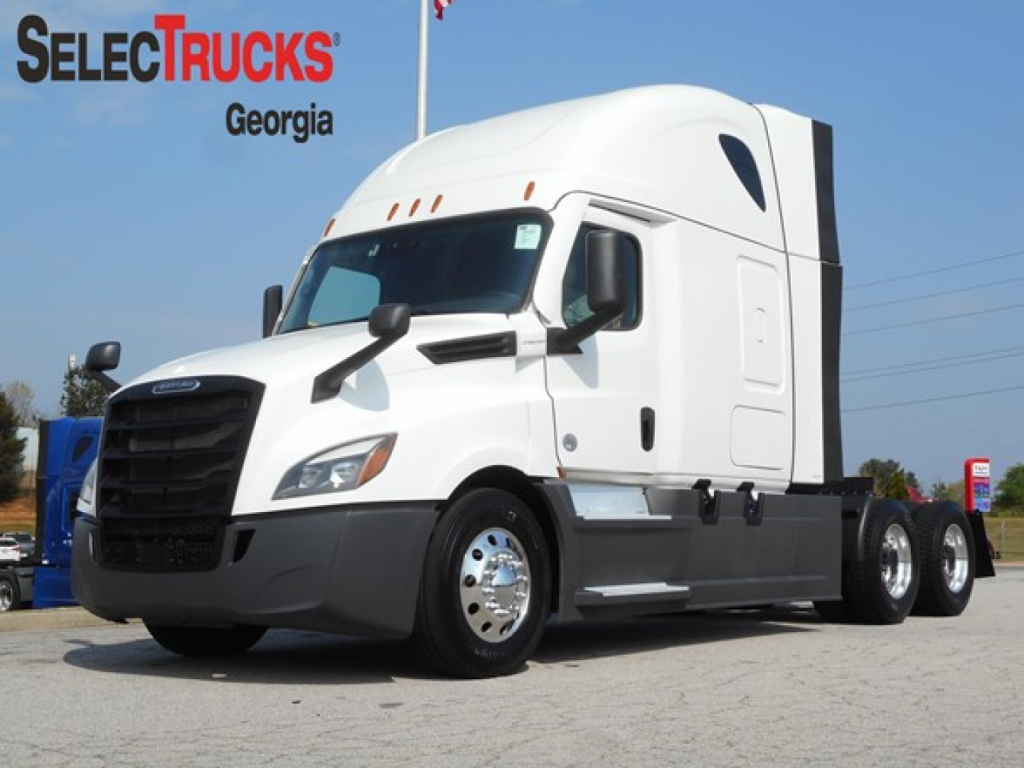
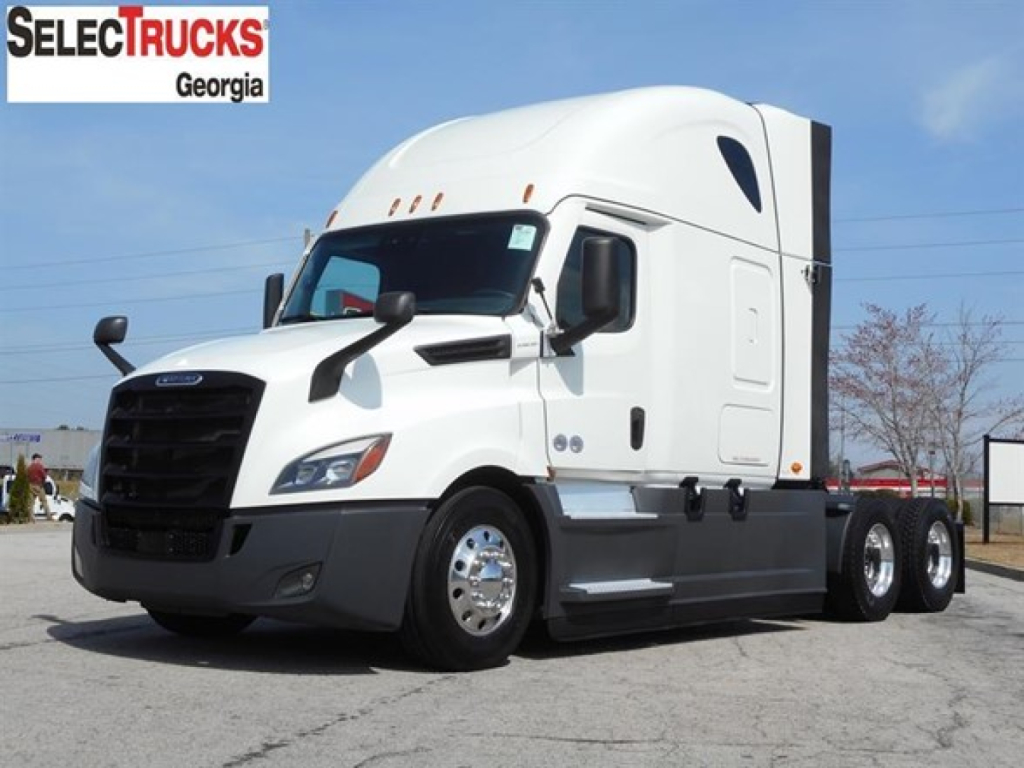
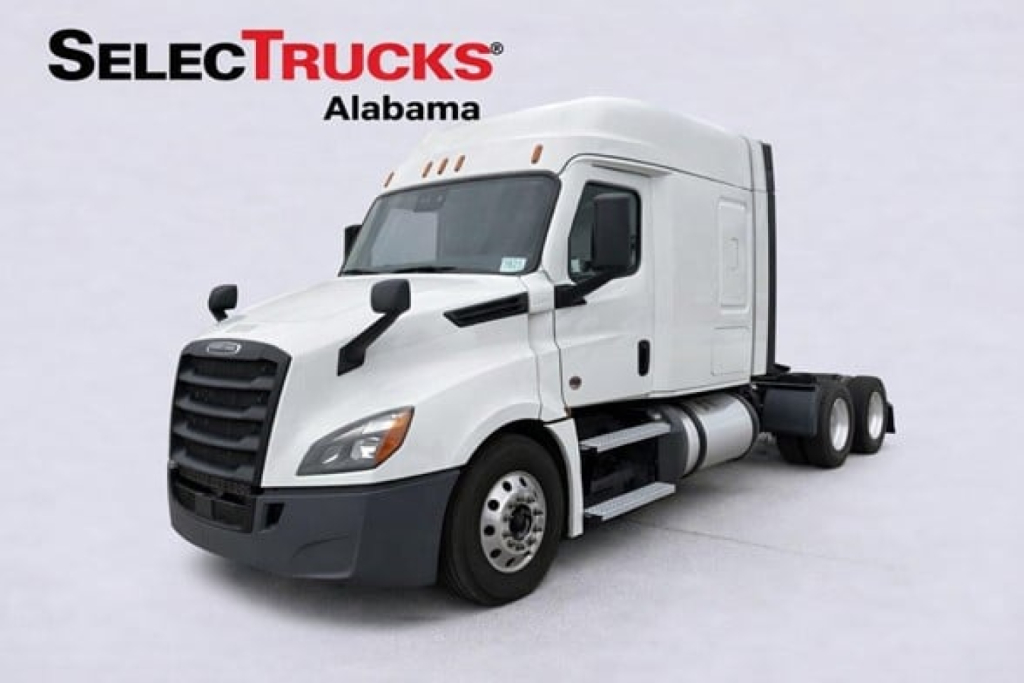
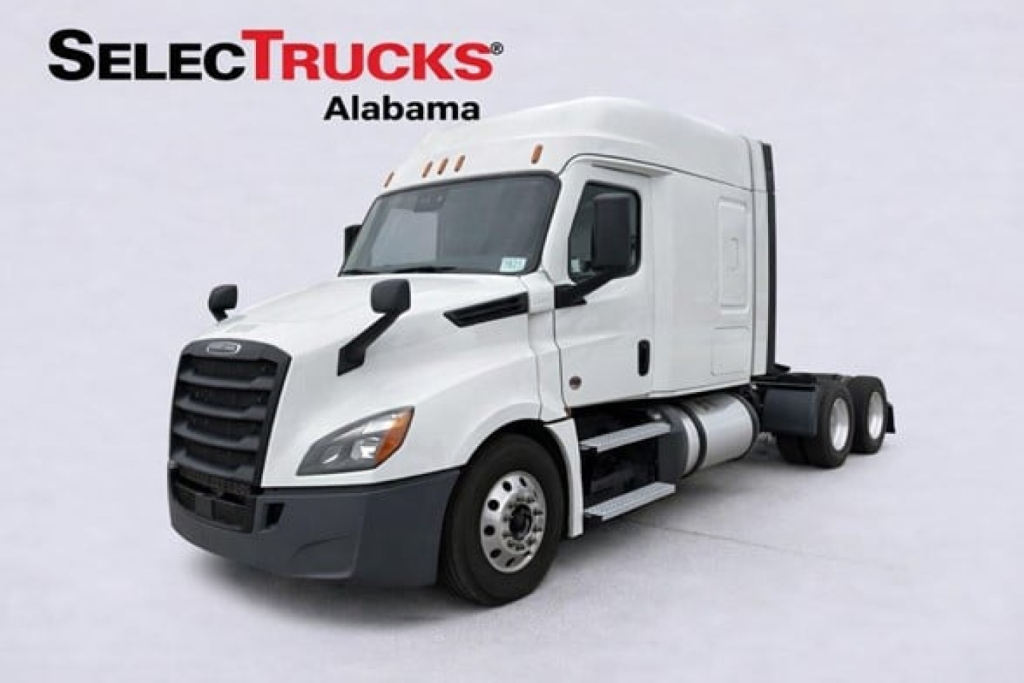
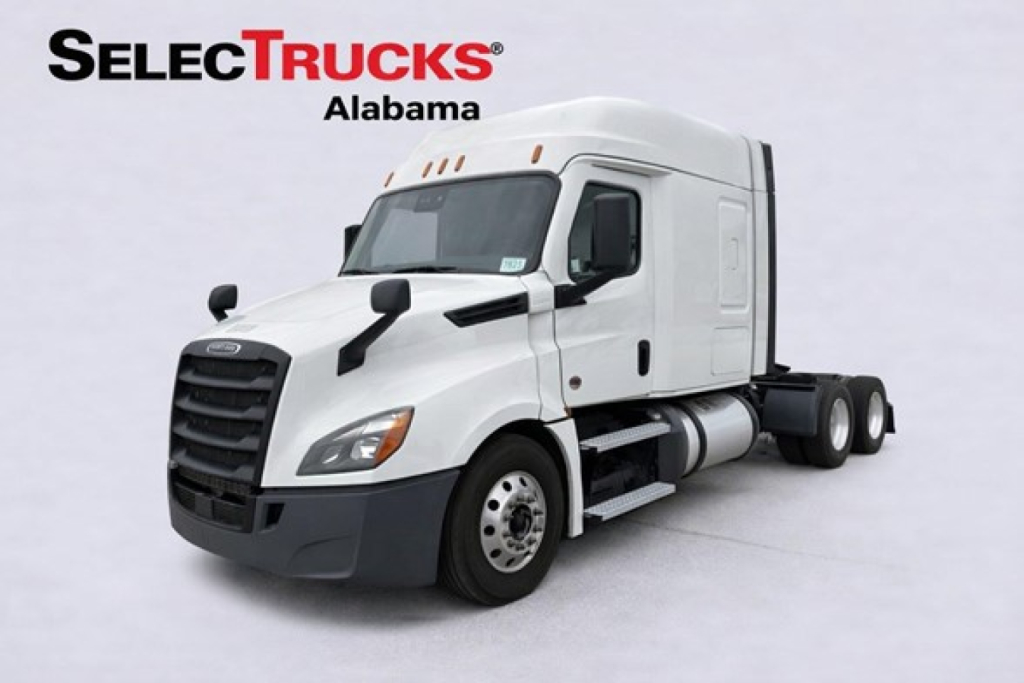
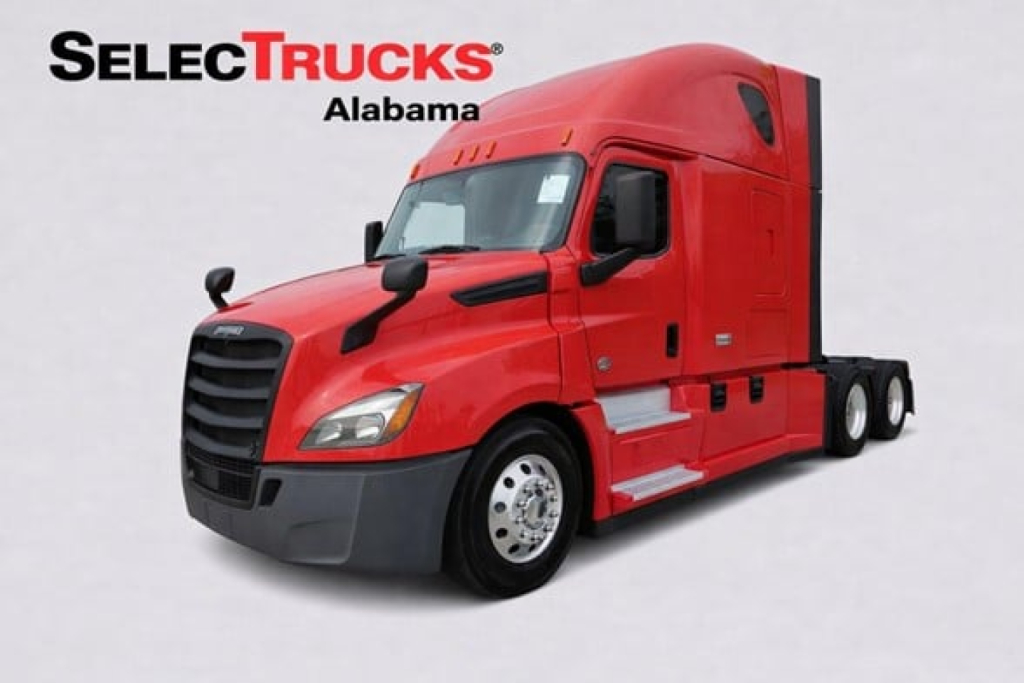
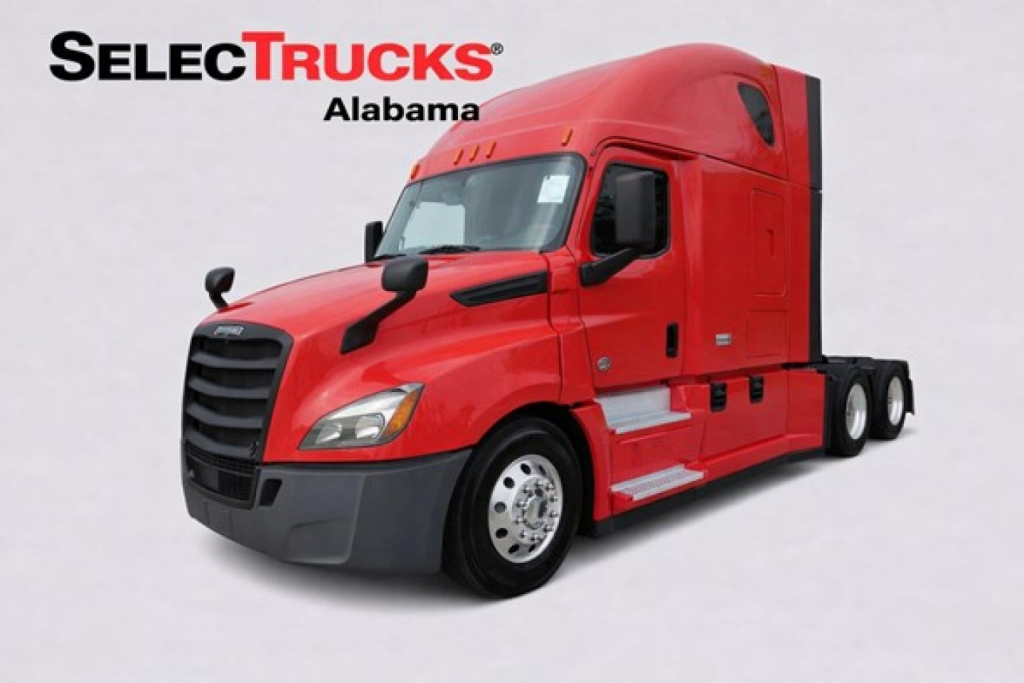
Showing 145 to 156 of 216 results
Have used freightliner conventional sleeper truck to sell? List it here to reach thousands of buyers.
Used Freightliner Conventional Sleeper Trucks in Nebraska
A buyer comparing used Freightliner conventional sleepers should start with the powertrain. Many late-model units are spec'd with Detroit DD13, DD15, or occasionally DD16 engines, often paired with the DT12 automated manual transmission, while some older or heavy-haul oriented trucks may carry an 18-speed manual. The DD13 is often selected for weight-sensitive and fuel-conscious applications, while the DD15 remains one of the most common over-the-road engine choices for broad freight duty. Rear axle ratings around 40,000 pounds, ratios such as 3.08 or 3.42, and wheelbases in the 229 to 235 inch range are typical for standard highway specs, while longer wheelbase studio sleeper configurations can push much farther for added living space.
Sleeper configuration is a major value driver in this category. Freightliner conventional sleeper trucks are commonly found with 72-inch raised roof sleepers for standard team or solo over-the-road work, but larger studio sleeper layouts also exist for operators who spend extended time on the road. Features like upper bunks, bunk heaters, APUs, refrigerators, workstations, and driver lounge setups can materially affect resale value and day-to-day usability. Aerodynamic fairings, cab extenders, horizontal exhaust, air slide fifth wheels, and aluminum wheels are also common specs that support highway efficiency and trailer compatibility.
Condition and spec alignment matter more than model year alone on a used Freightliner sleeper. Buyers should pay close attention to engine brake operation, aftertreatment service history, transmission calibration, collision mitigation systems, brake type, suspension condition, and tire wear pattern. A truck set up with disc brakes, air ride suspension, dual aluminum fuel tanks, and a well-matched axle ratio can be a strong fit for dry van, reefer, or general freight service. For Nebraska buyers, it also makes sense to look closely at cold-weather idle management, bunk HVAC, and corrosion exposure, especially on tractors that have spent time in year-round Midwest service.
Frequently Asked Questions about Used Freightliner Conventional Sleeper Trucks in Nebraska
What is the most common used Freightliner conventional sleeper truck for over-the-road freight?
The Freightliner Cascadia is the most common used Freightliner conventional sleeper truck in over-the-road service. It is widely used because it offers aerodynamic bodywork, strong dealer and parts support, and common powertrain combinations such as Detroit DD13 or DD15 engines with DT12 automated transmissions. That broad fleet adoption also makes it easier to compare specs, find replacement parts, and source service across major freight corridors.
Which engine is better in a used Freightliner sleeper, the Detroit DD13 or DD15?
The right choice depends on the freight and operating profile. A Detroit DD13 is often favored for lighter or more fuel-sensitive applications, while the DD15 is generally the more common choice for versatile highway use and heavier average loads. The DD15 typically offers a wider power range and stronger pulling capability for general over-the-road work, but maintenance history, emissions system condition, and the truck's rear axle ratio are just as important as the engine badge.
What sleeper size is typical on a used Freightliner conventional sleeper truck?
A 72-inch raised roof sleeper is one of the most common configurations in this category because it gives solo and team drivers enough room for long trips without the added length of a large custom sleeper. Some trucks are equipped with larger studio-style sleepers that add storage, work space, and comfort features such as a refrigerator or lounge area. Buyers should match sleeper size to route length, driver turnover concerns, and overall wheelbase requirements.
What should I inspect first on a used Freightliner sleeper tractor?
Start with the maintenance records and the condition of the engine, aftertreatment system, and transmission. Then inspect brake type and wear, suspension components, fifth wheel operation, tire condition, fuel tank integrity, and sleeper accessories such as the APU or bunk heater. On late-model Freightliners, it is also important to verify the function of collision mitigation and other electronic safety systems, since those features can affect both repair costs and driver acceptance.
Are used Freightliner conventional sleeper trucks a good fit for Nebraska and Midwest freight lanes?
Yes. Freightliner sleeper tractors are well suited for Nebraska and surrounding Midwest operations because they are commonly spec'd for highway freight, fuel efficiency, and long service intervals. Their aerodynamic design, raised roof sleeper options, and broad service network make them practical for regional and long-haul work across routes with wide temperature swings, sustained interstate miles, and frequent trailer changes.