
Used Freightliner Conventional Sleeper Trucks For Sale in Mississippi
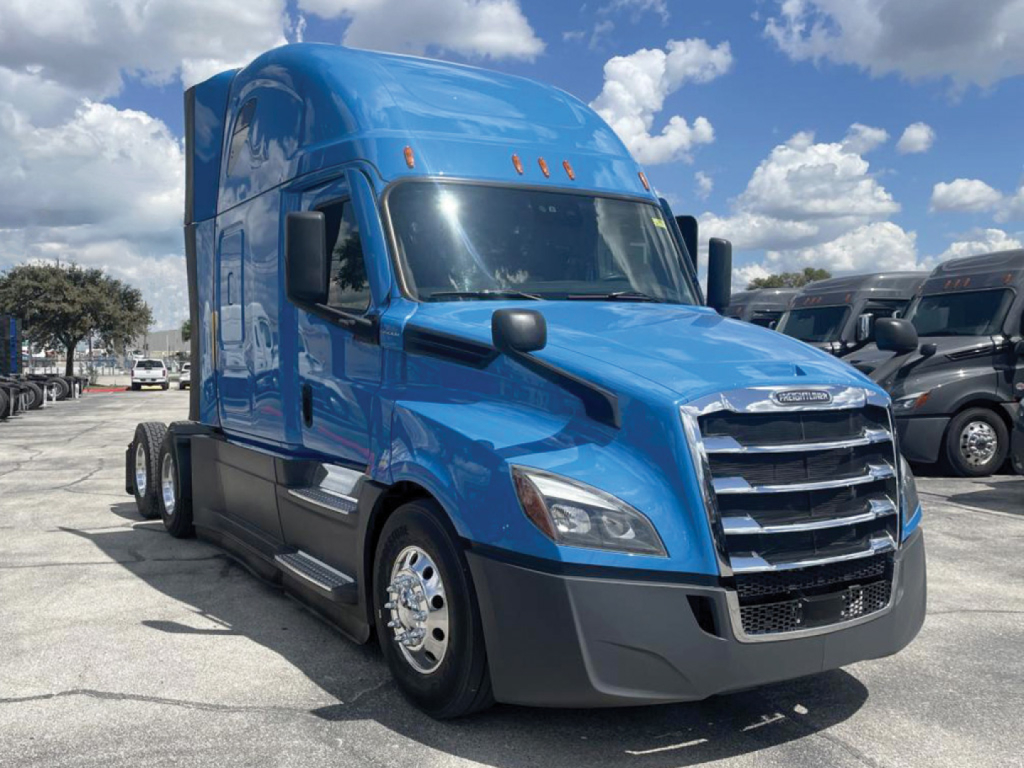
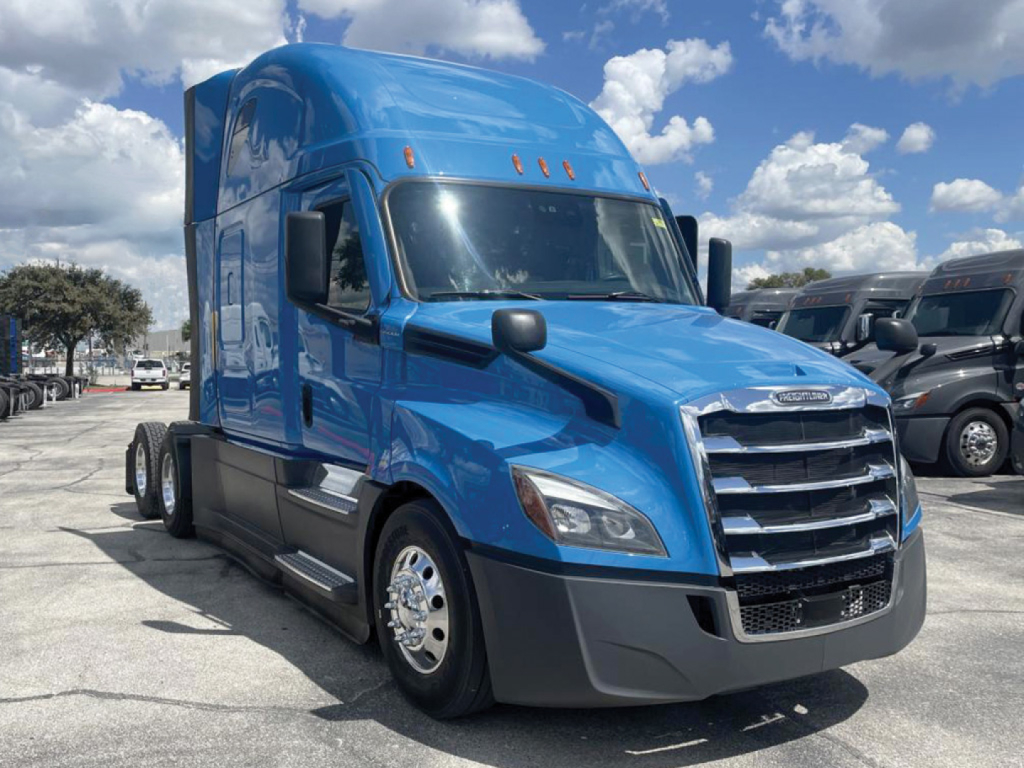
Browse used Freightliner conventional sleeper trucks for sale in Mississippi, including Cascadia models built for regional and over-the-road hauling.
Learn more
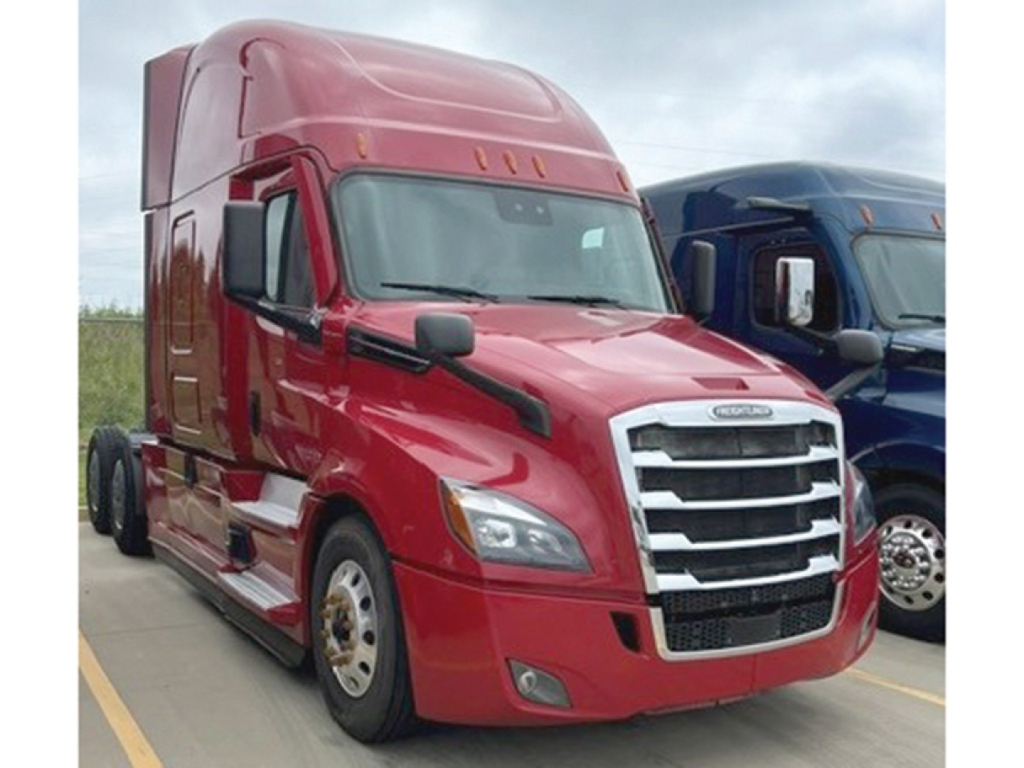
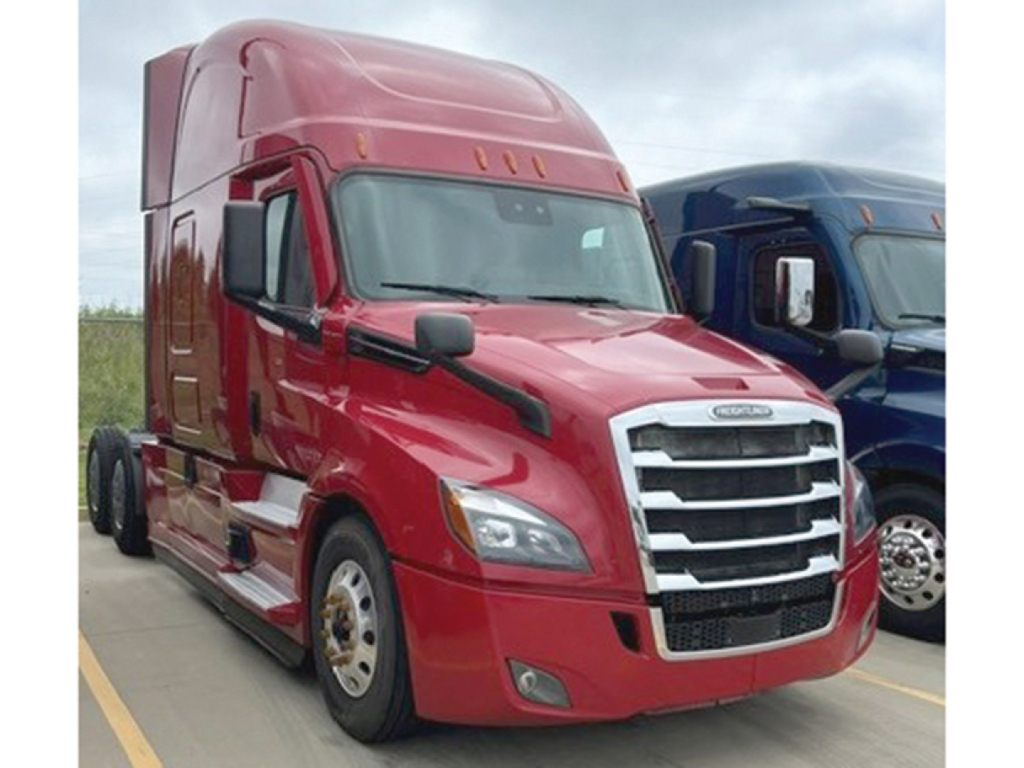
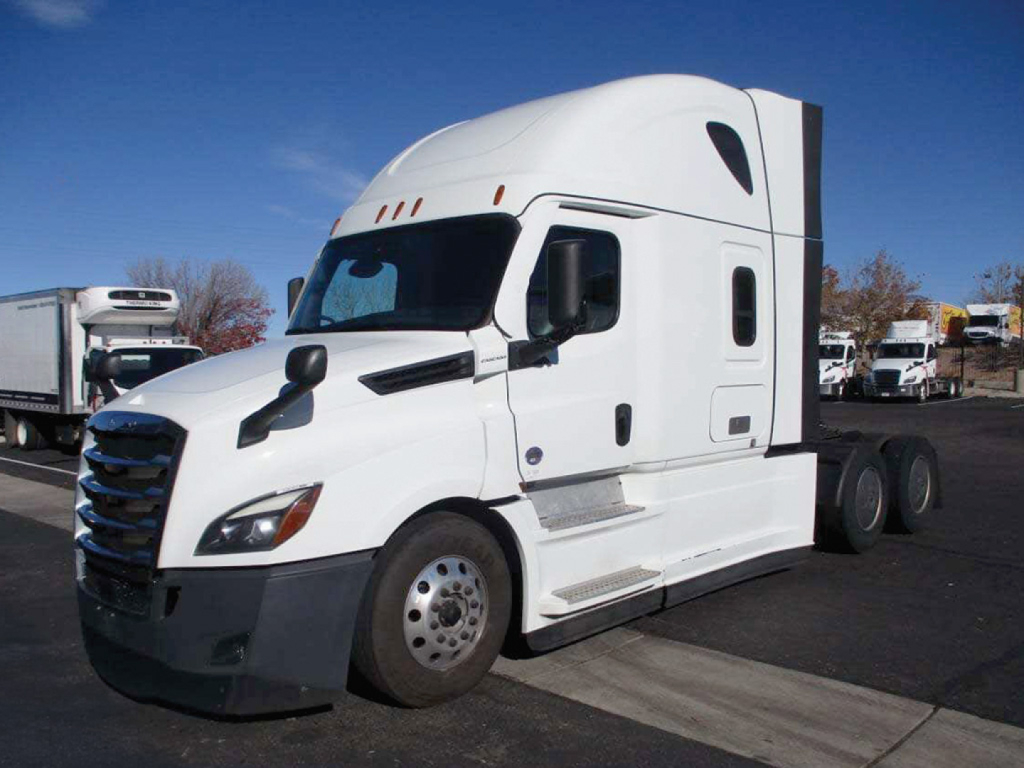
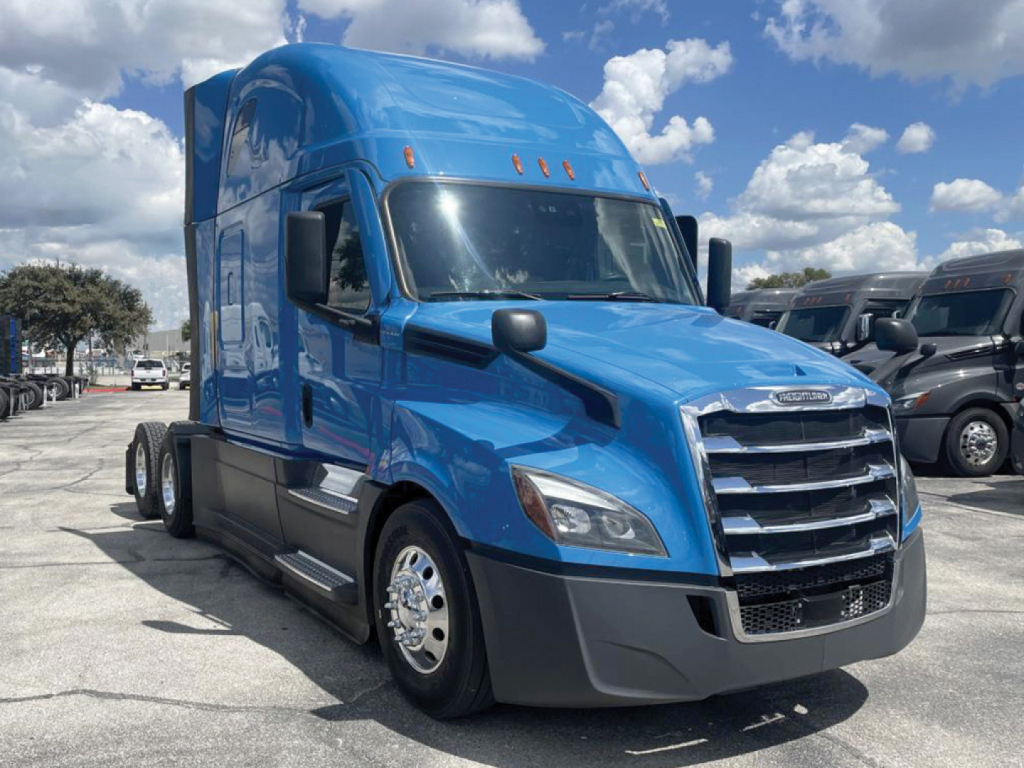
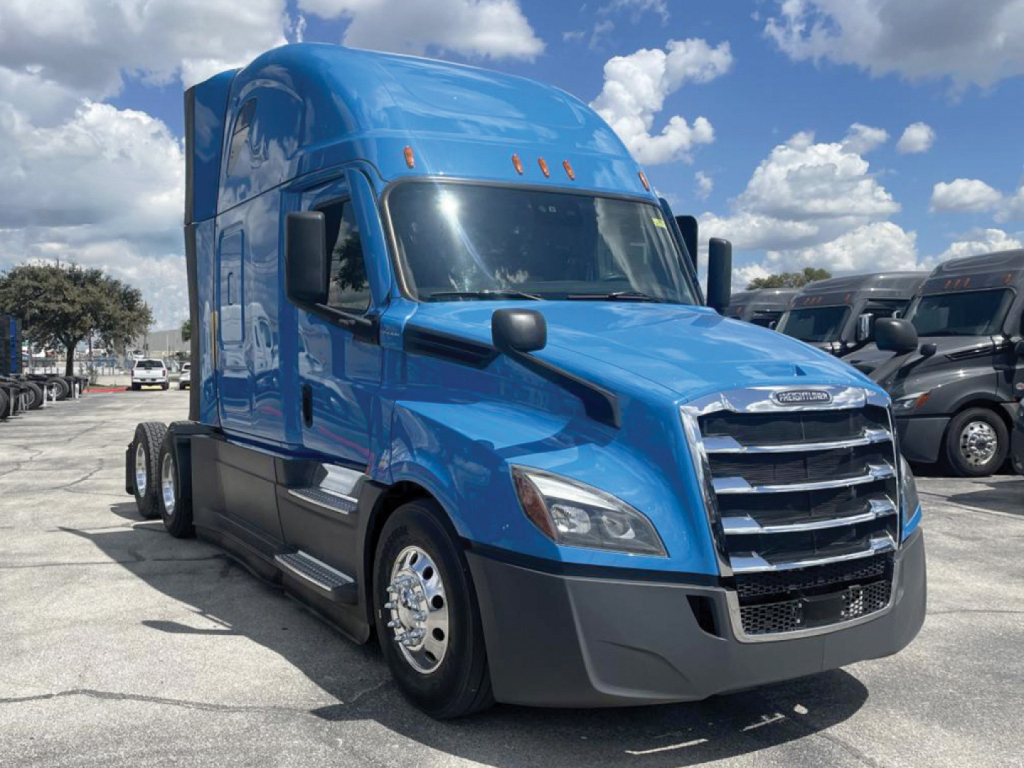
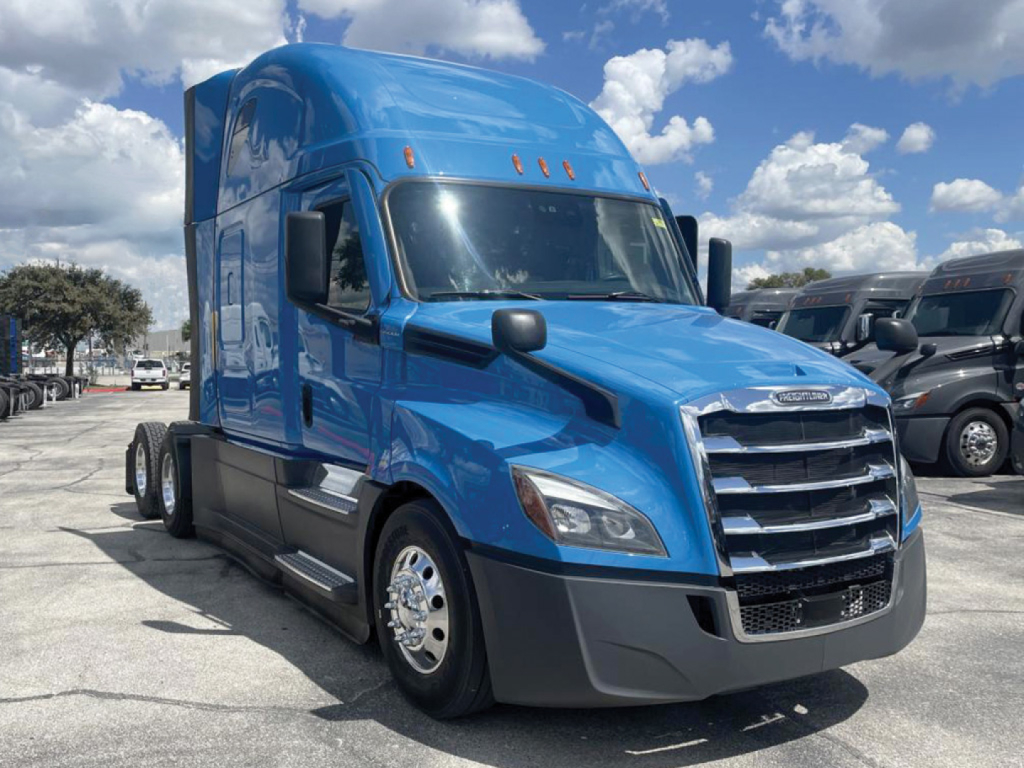
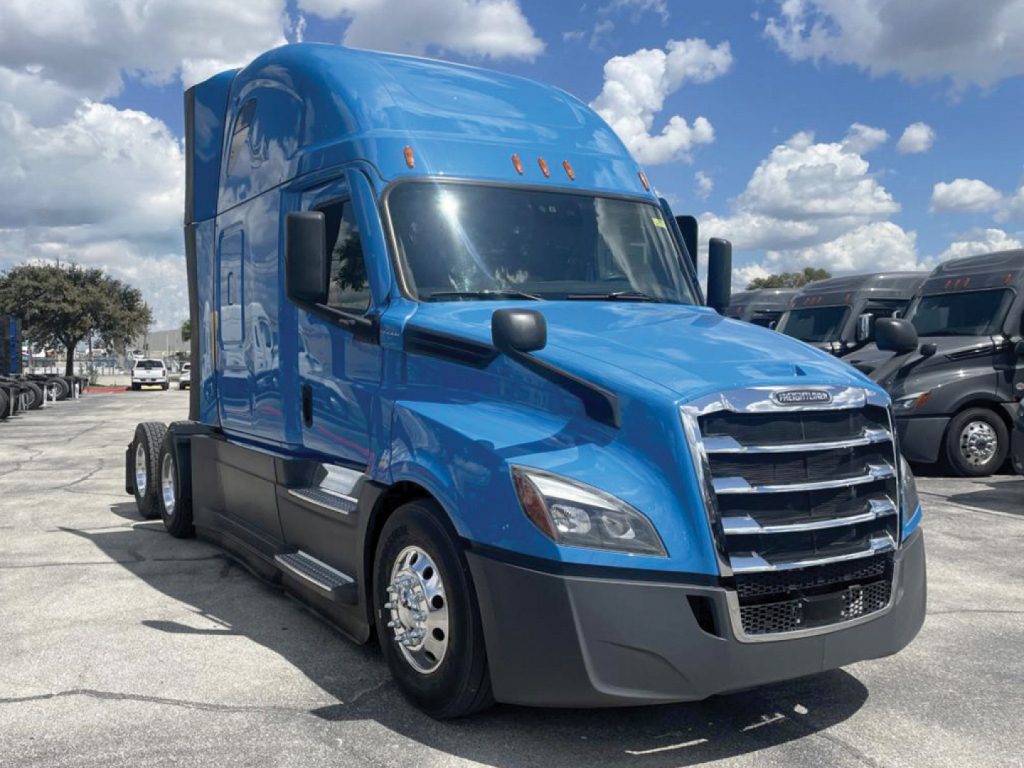
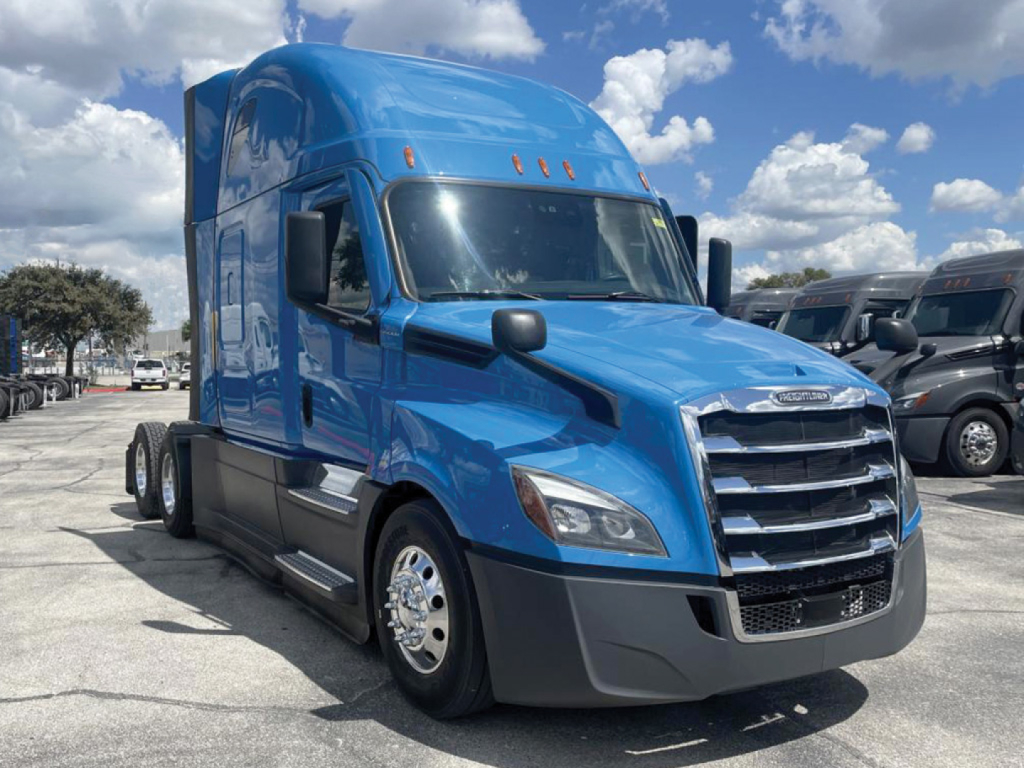
Showing 1 to 12 of 15 results
Have used freightliner conventional sleeper truck to sell? List it here to reach thousands of buyers.
About Used Freightliner Conventional Sleeper Trucks in Mississippi
The spec sheet matters more than the badge once you start comparing used units. Common Freightliner sleeper specs include Detroit DD13 or DD15 engines, automated manual transmissions such as the DT12, tandem rear axles around 40,000 pounds, and highway gearing in the low 2.xx range for fuel economy. Raised roof sleepers in the 60-inch to 72-inch class are common, with features like upper bunks, bunk heaters, climate control, air ride suspension, sliding fifth wheels, and dual aluminum fuel tanks. Wheelbase, rear axle ratio, and fifth wheel travel should match the trailer mix you plan to pull, especially if your operation includes dry van, reefer, or heavier loaded lanes where bridge law and kingpin settings affect weight distribution.
For Mississippi buyers, used Freightliner sleeper trucks make sense for freight moving along I-55, I-20, I-22, and the Gulf corridor, where a truck may split time between regional turns and multistate runs. Aerodynamic fairings, cab extenders, low-profile 22.5 tires, and engine brake packages help balance fuel economy with highway drivability. If the truck will spend time in hot, humid conditions or idle-prone applications, pay close attention to APU prep, bunk HVAC operation, cooling system history, and DPF and aftertreatment service records. On a used Cascadia, buyers should also review idle hours, transmission calibration history, suspension wear, and any signs of uneven tire wear that could point to alignment or axle issues.
A good used Freightliner conventional sleeper should be judged on operating fit, not just model year. The right truck for a fleet pulling 53-foot vans at interstate speed may be a DD15 with a taller sleeper and long-leg gearing, while a regional operation may prefer a DD13 spec that keeps acquisition cost and maintenance exposure lower. Look closely at service documentation, emissions system history, sleeper condition, and cab electronics, then compare those details against your freight, driver turnover, and maintenance plan. Freightliner remains a popular used-truck platform because the trucks are familiar to drivers and technicians, and because spec choices are wide enough to cover everything from fuel-focused linehaul to general-purpose fleet work.
Frequently Asked Questions
What is a Freightliner conventional sleeper truck used for?
A Freightliner conventional sleeper truck is built for highway freight where the driver needs onboard sleeping space and extended operating range. These trucks are commonly used in over-the-road, regional, dedicated, dry van, reefer, and general freight applications. The sleeper compartment adds driver comfort and legal rest capability, while the conventional hooded design provides straightforward engine access and a familiar tractor layout for fleet and owner-operator use.
What should I check first on a used Freightliner Cascadia sleeper?
Start with the powertrain and maintenance history. Confirm the engine model, horsepower, transmission type, rear axle ratio, mileage, and engine hours, then review records for oil changes, aftertreatment service, transmission service, and cooling system work. After that, inspect the sleeper HVAC, bunk heater, fairings, fifth wheel condition, suspension components, and tire wear pattern. On emissions-era trucks, DPF, DEF, and fault-code history can be as important as the odometer.
Is a DD13 or DD15 better in a used Freightliner sleeper?
The better choice depends on the work. A Detroit DD13 is often a solid fit for regional hauling and fleets focused on lower acquisition cost, lighter weight, and efficient day-to-day operation. A Detroit DD15 is usually preferred for heavier freight, more demanding interstate routes, and buyers who want broader torque and pulling performance. The right answer comes down to gross weight, terrain, average trip length, and how aggressively the truck was originally spec'd.
Why do rear axle ratio and wheelbase matter on a sleeper tractor?
Rear axle ratio and wheelbase directly affect fuel economy, drivability, turning radius, and how well the tractor matches your trailers. A fast highway ratio such as 2.28 can support lower engine rpm and better fuel mileage on linehaul lanes, but it needs to be paired correctly with transmission gearing and load demands. Wheelbase affects ride quality, bridge compliance, fifth wheel placement, and trailer swing clearance. Buyers pulling mixed trailers should make sure the sliding fifth wheel and axle settings provide enough flexibility for different kingpin settings and weight distribution needs.
Are used Freightliner sleeper trucks a good fit for Mississippi operations?
They can be a strong fit because Mississippi fleets often run a mix of regional and interstate freight in hot weather and high-humidity conditions. Freightliner sleeper tractors are common across the Southeast, which helps with parts availability, service familiarity, and resale. Buyers in this region should pay extra attention to cooling performance, air conditioning, bunk climate systems, and overall idle-related wear, especially on trucks that spent time in long-haul service or driver retention fleets.