
Used 2023 Freightliner Conventional Sleeper Trucks For Sale in California

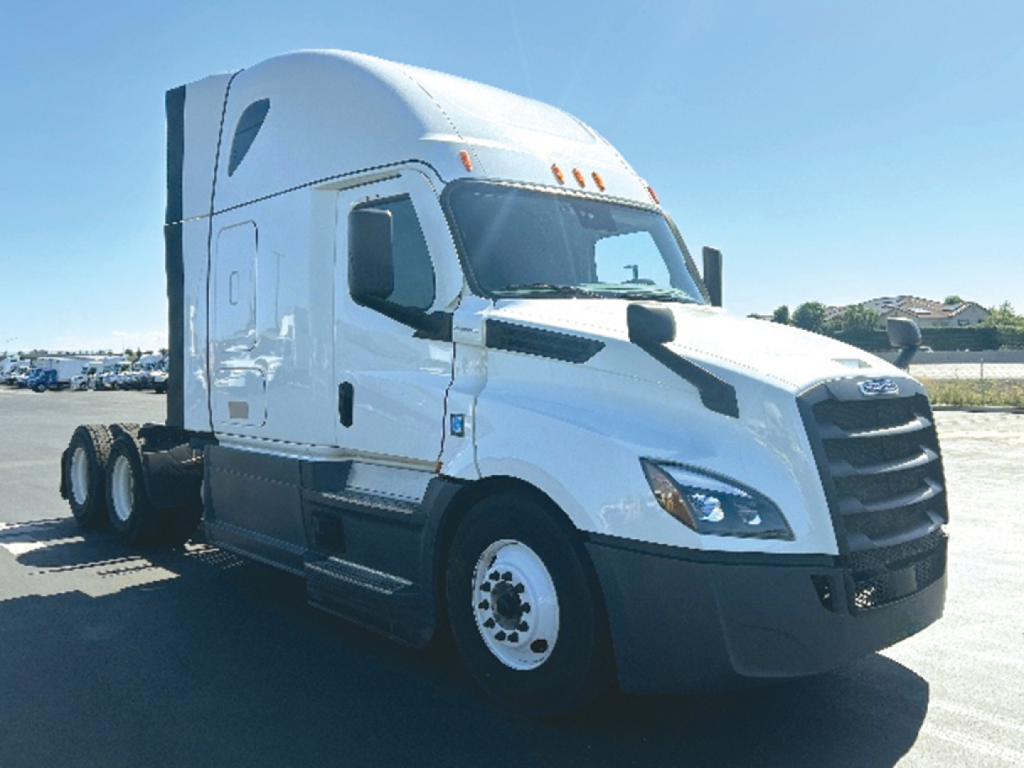
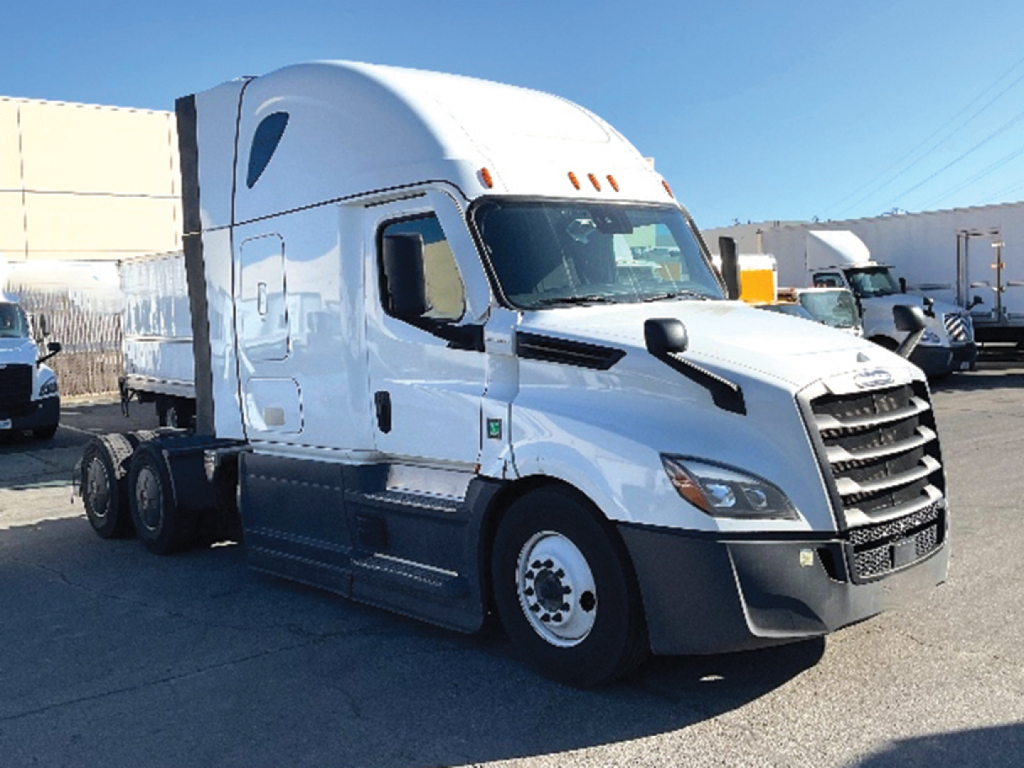
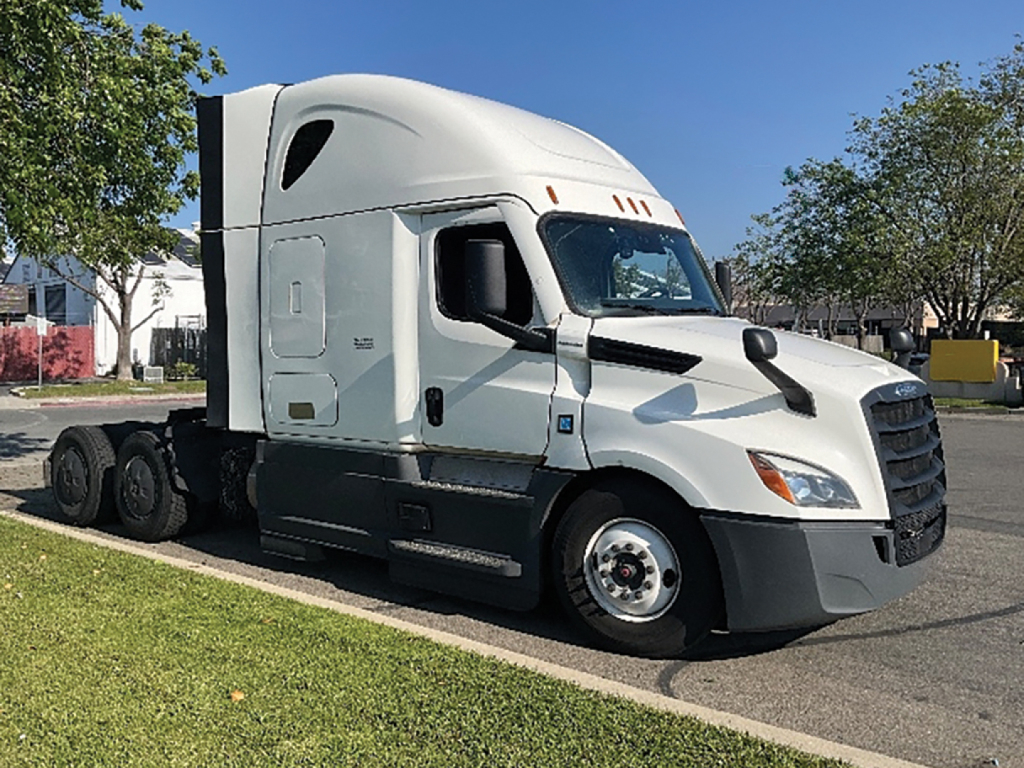
Have used 2023 freightliner conventional sleeper truck to sell? List it here to reach thousands of buyers.
Used 2023 Freightliner Conventional Sleeper Trucks in California
The main spec decisions are engine rating, transmission, rear axle ratio, and wheelbase. Many 2023 Freightliner conventional sleeper trucks are equipped with Detroit DD13 or DD15 engines, commonly in the 450 to 505 horsepower range, paired with the Detroit DT12 automated manual transmission. That combination is popular because it balances fuel economy, drivability, and service familiarity across large fleets and independent operations. A buyer comparing listings should pay close attention to horsepower versus axle ratio, since a 2.41 or 2.85 ratio can make a noticeable difference in cruise RPM, grade performance, and startability depending on gross weight and terrain. A 229 to 233 inch wheelbase is common on sleeper tractors in this category and can affect trailer gap, bridge law flexibility, and maneuverability.
Sleeper size and interior equipment also matter more than many buyers expect. A 72-inch sleeper is common on Freightliner conventionals and is a practical fit for over-the-road applications, team operations, and multi-day runs. Features like an upper bunk, bunk heater, refrigerator, driver lounge configuration, and tilt-telescoping wheel can influence both driver comfort and recruiting value. On the chassis side, air ride suspension, sliding fifth wheel, aluminum fuel tanks, low-profile 22.5 tires, and disc brakes are all worth reviewing because they affect maintenance planning, ride quality, and how easily the tractor can be assigned across different trailer types and lanes.
For California buyers, it is smart to verify emissions labeling, engine family details, and any fleet maintenance history before narrowing down a 2023 Freightliner sleeper. Late-model used sleeper tractors can be a strong fit for dry van, reefer, and general freight service, especially when the spec matches lane length and average payload. Freightliner conventional sleepers are also known as sleeper tractors or road tractors, and the Cascadia remains one of the most common choices because parts support, dealer coverage, and driver familiarity are all strong. The best buying decision usually comes down to matching the truck's drivetrain and sleeper package to the actual job, not just choosing the newest or highest horsepower unit.
Frequently Asked Questions about Used 2023 Freightliner Conventional Sleeper Trucks in California
What engine and transmission are most common in a used 2023 Freightliner conventional sleeper truck?
Most used 2023 Freightliner conventional sleeper trucks are spec'd with Detroit power, typically a DD13 or DD15, and many are paired with the Detroit DT12 automated manual transmission. This setup is common because it delivers strong fuel economy, smooth highway operation, and broad service support. Buyers should still confirm horsepower rating, torque, and axle ratio together, since those specs determine how the truck performs under load.
Is a 72-inch sleeper the right choice for this category?
A 72-inch sleeper is one of the most practical configurations for a conventional sleeper tractor because it supports over-the-road work without giving up the aerodynamic advantages of a modern highway truck. It provides enough room for rest, onboard storage, and common amenities like a refrigerator or upper bunk. For longer dispatch cycles and driver retention, that extra living space can be a real advantage over smaller sleeper setups.
Why does rear axle ratio matter on a 2023 Freightliner sleeper?
Rear axle ratio directly affects cruise RPM, fuel economy, hill-climbing behavior, and launch performance. A faster ratio such as 2.41 can favor highway fuel economy on lighter or moderate loads, while a ratio like 2.85 may provide a better balance for mixed terrain and heavier freight. The right ratio depends on average gross combination weight, route profile, and the engine-transmission calibration.
Are Freightliner Cascadia sleeper trucks a good fit for California operations?
Freightliner Cascadia sleeper trucks are a common fit for California fleets because they are widely supported, fuel efficient, and available in late-model emissions-compliant configurations. They are especially well suited for port-related drayage transitions into regional haul, dry van, refrigerated freight, and western over-the-road lanes. Buyers should confirm emissions requirements, maintenance records, and any idle-management equipment before purchase.
What should I inspect first on a used 2023 Freightliner conventional sleeper?
Start with engine fault history, aftertreatment status, transmission operation, and maintenance documentation. Then review brake type, tire condition, fifth wheel function, suspension wear, and sleeper equipment such as the HVAC, bunk heater, and refrigerator if equipped. On a late-model truck, software updates, telematics history, and evidence of consistent fleet service can be just as important as visual condition.