
Used 2020 Freightliner Conventional Sleeper Trucks For Sale in Nebraska
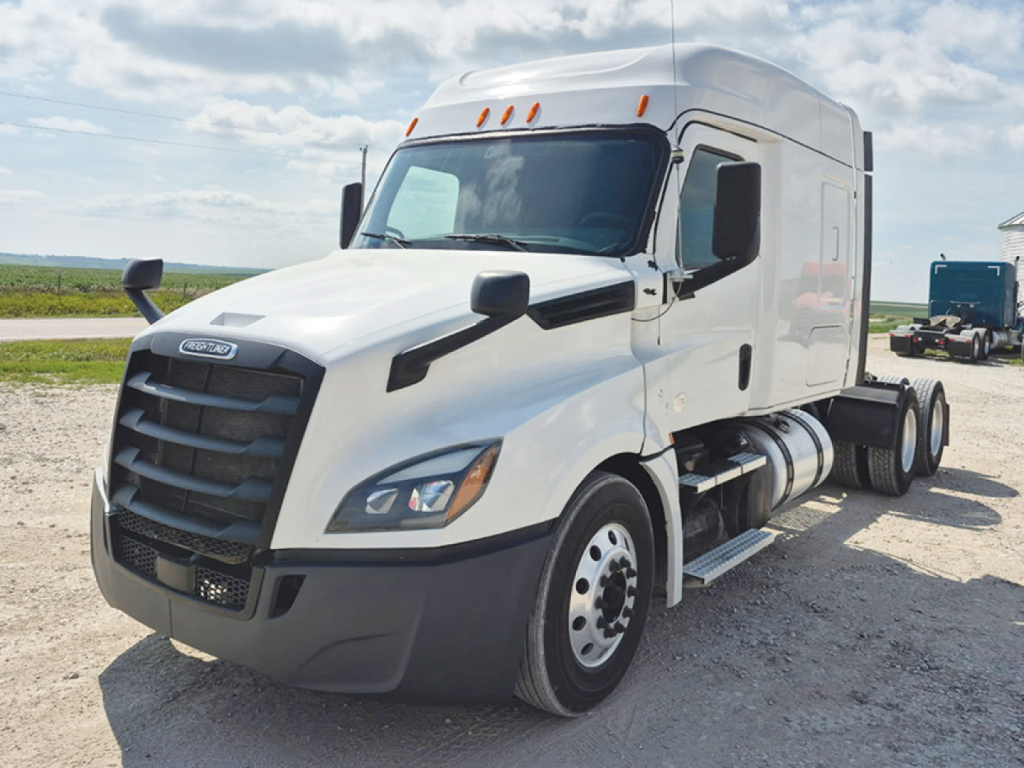
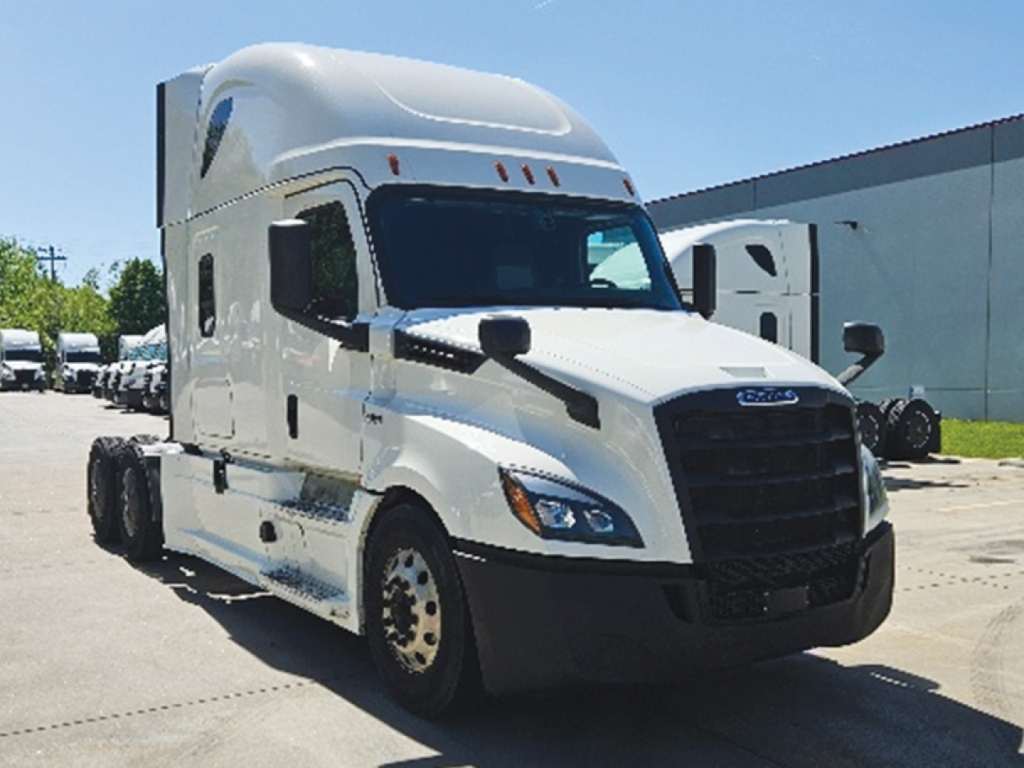
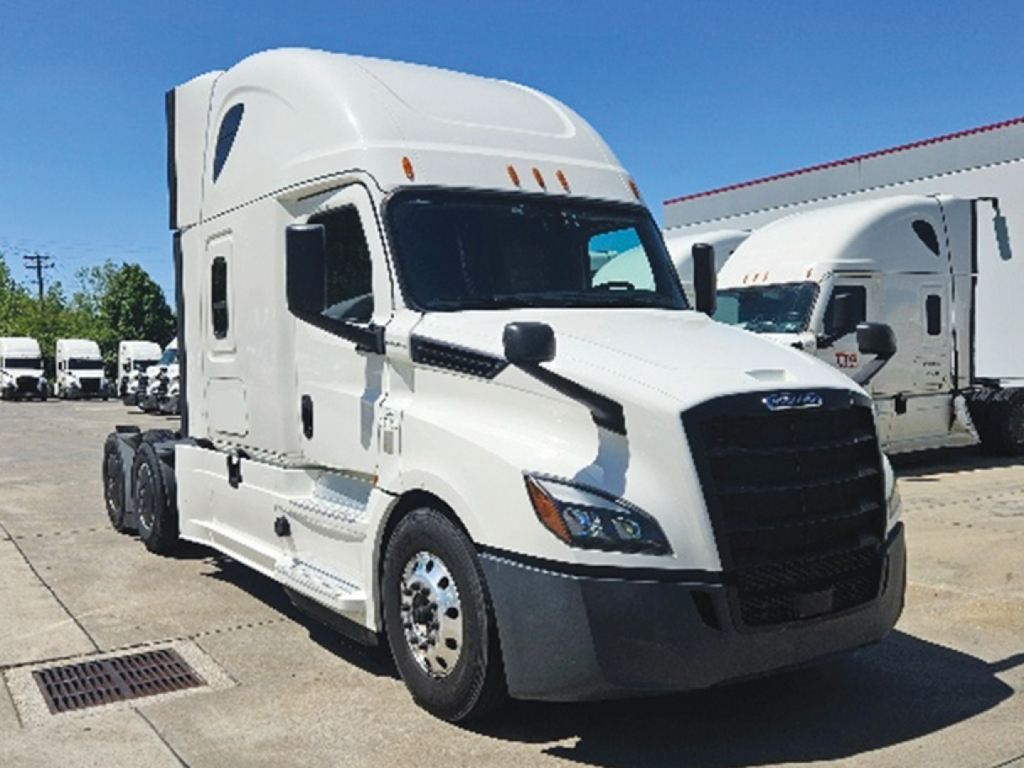
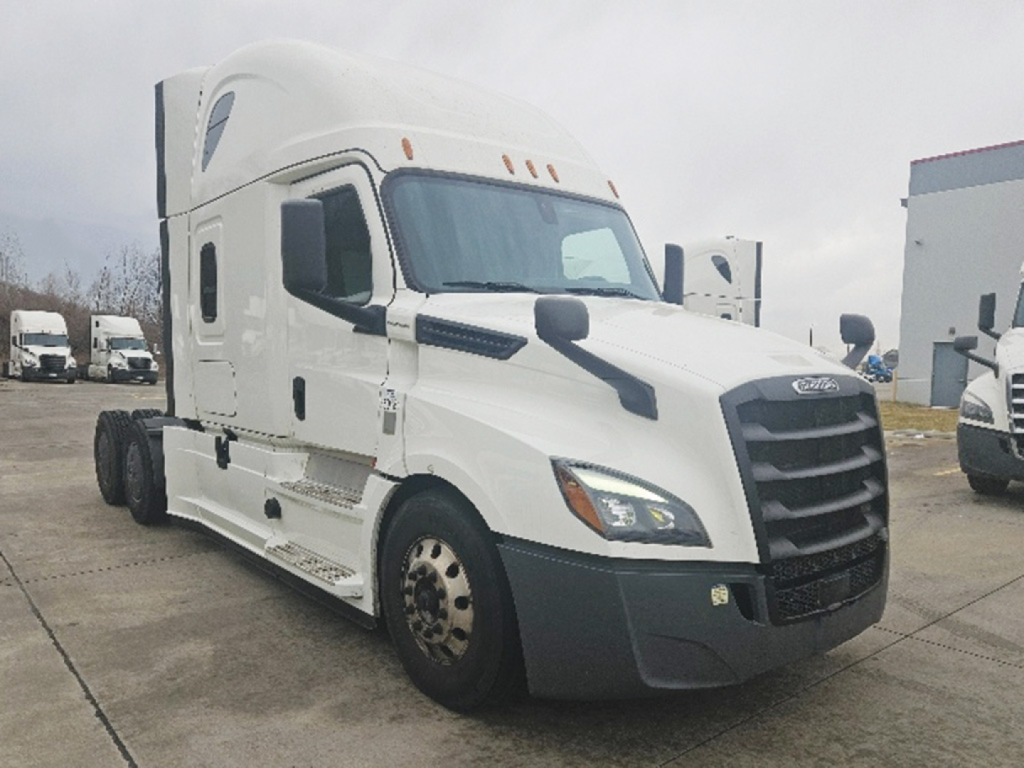
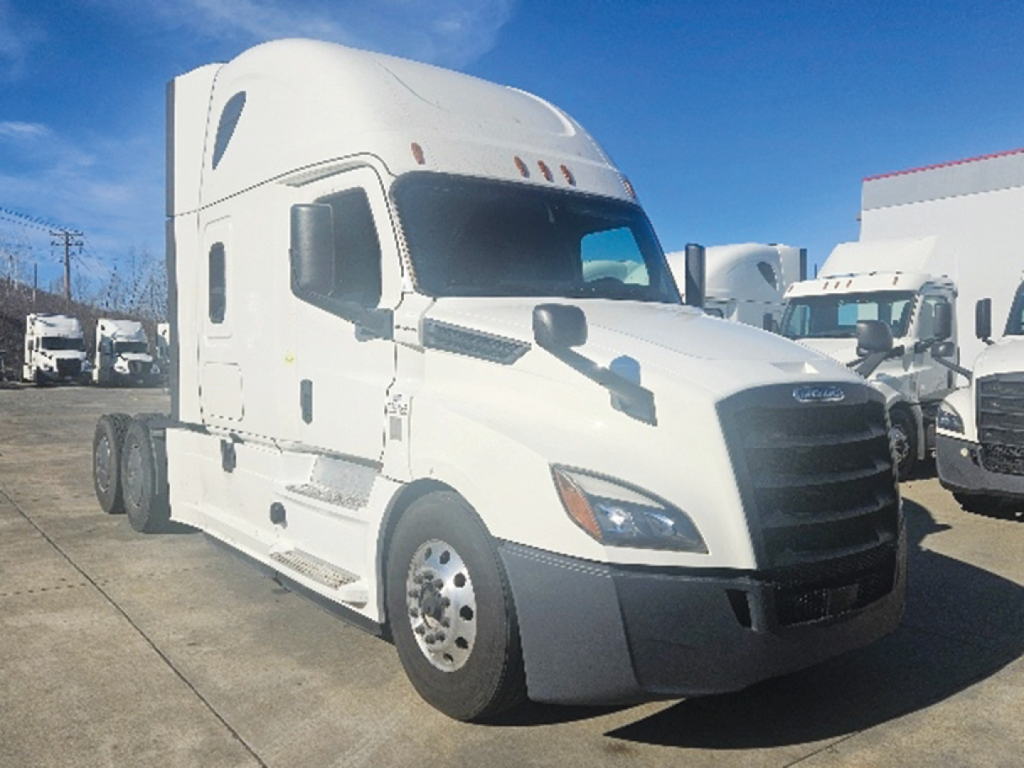
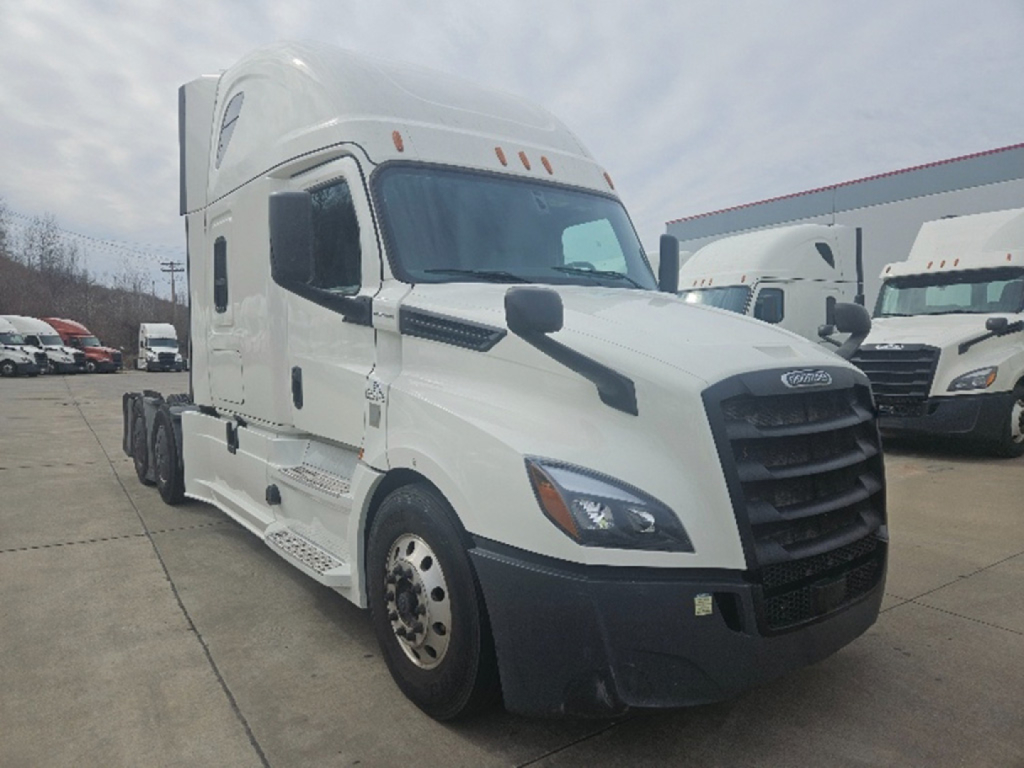

Have used 2020 freightliner conventional sleeper truck to sell? List it here to reach thousands of buyers.
Used 2020 Freightliner Conventional Sleeper Trucks in Nebraska
The big spec decisions usually come down to engine, transmission, and rear axle ratio. Many 2020 Freightliner sleepers carry a Detroit DD15, often in the 455 to 505 horsepower range, paired with a DT12 automated manual transmission, though some trucks were ordered with a manual gearbox. Common fleet specs include 40,000-pound rears, air ride suspension, and 3.08 or 3.23 gearing. That combination generally points to over-the-road efficiency with good manners at highway speed, while still giving enough torque for heavier freight and mixed terrain. Buyers should also look closely at wheelbase, fifth wheel setup, and brake spec, since air-slide fifth wheels, disc brakes, and low-profile 22.5 tires can affect trailer flexibility, stopping performance, and maintenance planning.
Sleeper configuration matters more than many first-time buyers expect. A 72-inch raised-roof sleeper usually gives the best standing room and storage for teams or drivers staying out longer, while a mid-roof XT can be a practical choice for fleets that want a lower profile without giving up bunk space. Features commonly found in this category include upper bunks, bunk heaters, APUs, refrigerators, collision mitigation systems, and power convenience options. In Nebraska and across the Plains, those cold-weather and idle-reduction items can add real operating value, especially for trucks running year-round or parking away from terminal support.
When comparing used 2020 Freightliner conventional sleepers, pay attention to how the original spec matches the job. A DD15 with a 3.08 ratio and DT12 transmission is often aimed at fuel-conscious highway freight, while higher horsepower ratings, deer guards, and heavier-duty trim can suggest tougher regional service or more demanding routes. Service history, emissions maintenance, tire condition, sleeper wear, and signs of consistent preventive maintenance should carry as much weight as the headline horsepower number. For many buyers, this category hits the sweet spot between newer truck technology and a more manageable acquisition cost.
Frequently Asked Questions about Used 2020 Freightliner Conventional Sleeper Trucks in Nebraska
What engine and transmission combinations are common in a used 2020 Freightliner conventional sleeper?
A used 2020 Freightliner conventional sleeper is commonly equipped with a Detroit DD15 engine and a DT12 automated manual transmission. Horsepower ratings often fall between 455 and 505 HP, and some trucks were spec'd with manual transmissions instead of the DT12. This setup is popular because it balances fuel economy, highway drivability, and broad service support across fleet and owner-operator applications.
Is a raised-roof or mid-roof sleeper better on a Freightliner Cascadia?
A raised-roof sleeper is usually the better choice for longer runs, team operations, and drivers who need more headroom and storage. A mid-roof sleeper can still provide solid bunk space while keeping the truck slightly lower and sometimes lighter. The right choice depends on length of haul, driver retention goals, and how much time the truck will spend as a true living space rather than a day-to-day regional unit.
What rear axle ratio should buyers look for in a 2020 Freightliner sleeper?
A 3.08 ratio is a common fuel-economy spec for highway freight, especially when paired with a Detroit engine and DT12 transmission. A 3.23 ratio may be preferred when the truck sees heavier loads, more varied terrain, or needs a little stronger pull at lower speeds. The best axle ratio depends on average gross weight, trailer type, cruise speed, and the lanes the truck will actually run.
Are used 2020 Freightliner sleeper trucks good for Nebraska and Midwest operation?
Yes. Freightliner sleeper trucks from this year are well suited to Nebraska and broader Midwest use because they are commonly spec'd for long interstate miles, changing weather, and high-utilization fleet service. Features such as bunk heaters, APUs, collision mitigation, and aerodynamic fairings are especially useful in this region, where winter operation, wind exposure, and fuel cost control all matter.
What should buyers inspect first on a used 2020 Freightliner conventional sleeper?
Start with the maintenance records, engine and aftertreatment history, transmission operation, and brake and tire condition. Then inspect the sleeper interior, fifth wheel wear, suspension components, and signs of accident repair or hard service. On a 2020 model, it is also smart to confirm the function of driver-assist systems, emissions components, and any idle-reduction equipment such as an APU or bunk heater.