
2022 Freightliner Conventional Sleeper Trucks For Sale in North Carolina
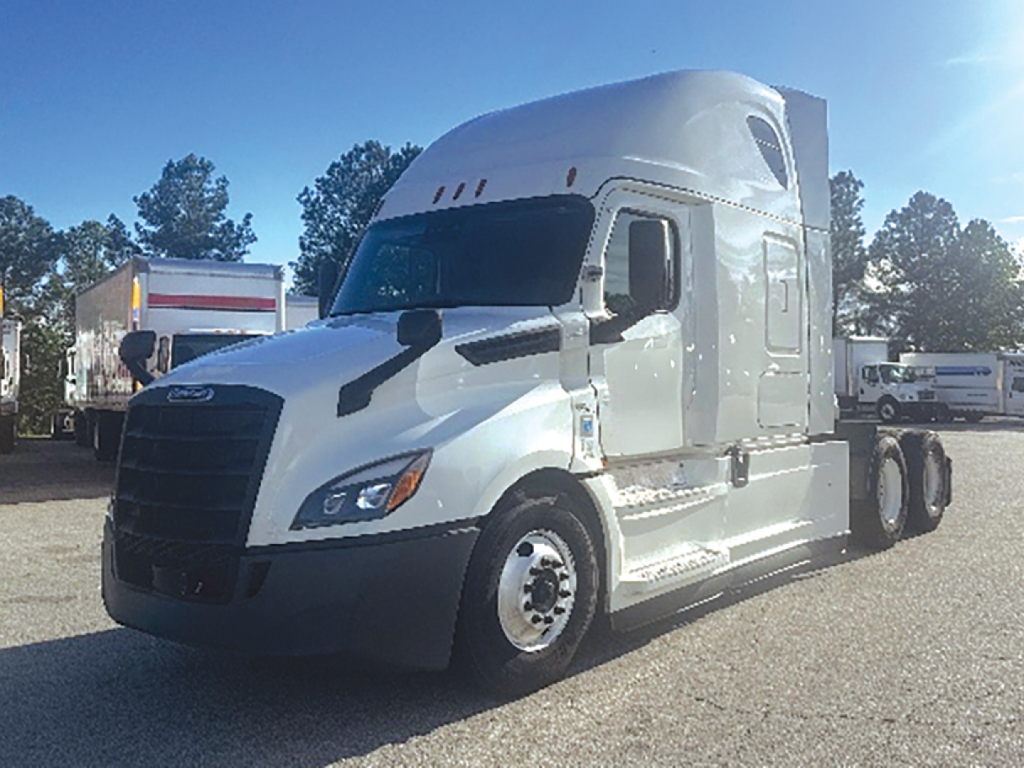

Have 2022 freightliner conventional sleeper truck to sell? List it here to reach thousands of buyers.
2022 Freightliner Conventional Sleeper Trucks in North Carolina
The big buying decisions usually start with the powertrain. Many 2022 Freightliner sleeper trucks are spec'd with Detroit DD13 or DD15 engines, paired with the DT12 automated manual transmission. Horsepower often falls in the 400 to 505 HP range, with torque selected around the freight profile and average gross combination weight. Rear axle ratings commonly land at 40,000 pounds, and axle ratios such as 2.28, 2.64, or 3.08 can significantly change how the truck performs at highway speed. A tall rear ratio can help fuel economy on flatter lanes, while a more aggressive ratio may better suit heavier loads, hill country, or stop-and-go applications. Wheelbase, fifth wheel placement, and kingpin setting should also be checked against trailer mix and bridge law requirements.
Sleeper configuration is another major factor. Freightliner conventional sleepers are commonly available in mid-roof and raised-roof layouts, often with 60-inch to 72-inch class sleepers depending on the spec. For team operations or drivers spending extended time on the road, upper bunk setup, cabinet space, bunk heater availability, and climate control features can affect retention just as much as engine choice. Aerodynamic packages such as side fairings, cab extenders, and chassis fairings are common on newer Freightliner sleepers because they contribute directly to fuel burn reduction on linehaul routes. Interior details like tilt and telescoping steering, air ride seating, power windows, and steering wheel controls are not just convenience items. They reduce fatigue over a long duty cycle.
A buyer comparing 2022 Freightliner conventional sleeper trucks should pay close attention to emissions system history, idle hours, collision mitigation equipment, and service records, not just odometer miles. This generation is known for driver-friendly controls and efficient highway manners, but value depends on how the truck was spec'd and maintained. Look closely at tire size, wheel material, fuel capacity, suspension type, and any idle management or telematics equipment already installed. For fleets and owner-operators alike, a well-matched 2022 Freightliner sleeper can be a strong choice for van, reefer, and general freight work where low operating cost and broad serviceability are top priorities.
Frequently Asked Questions about 2022 Freightliner Conventional Sleeper Trucks in North Carolina
What engine and transmission are common in a 2022 Freightliner conventional sleeper truck?
Most 2022 Freightliner conventional sleeper trucks are equipped with Detroit power, usually a DD13 or DD15, and many are paired with the Detroit DT12 automated manual transmission. This combination is popular because it balances fuel economy, drivability, and service network support. Buyers should verify horsepower, torque rating, and software calibration because two trucks with the same engine family can perform very differently depending on their intended application.
Is a 2022 Freightliner sleeper good for long-haul freight?
Yes. A 2022 Freightliner conventional sleeper is generally well suited for long-haul and regional overnight work, especially in dry van, reefer, and dedicated route service. The aerodynamic design, integrated sleeper, and common Detroit drivetrain options make it a practical choice for high annual mileage. The right truck still depends on sleeper size, axle ratio, fuel capacity, and driver comfort features matching the lane and duty cycle.
What should I check when buying a used 2022 Freightliner sleeper?
Focus on maintenance history, engine hours, idle hours, aftertreatment service, fault codes, and any records related to the transmission and safety systems. Inspect the condition of the DPF, DEF system, tires, brakes, suspension, and fifth wheel, and confirm whether the truck has collision mitigation, adaptive cruise, or lane departure systems that may require calibration after repairs. Service documentation often tells you more about future operating cost than exterior appearance.
What axle ratio works best in a 2022 Freightliner conventional sleeper?
The best axle ratio depends on freight weight, terrain, cruise speed, and transmission spec. Ratios like 2.28 or 2.64 are often chosen for fuel-efficient highway use, while something like 3.08 may better support heavier loads or more demanding terrain. Buyers should not choose axle ratio in isolation because tire size, transmission overdrive, and engine torque curve all affect road speed and gradeability.
Why are 2022 Freightliner Cascadia sleepers so common in fleet operations?
The 2022 Freightliner Cascadia sleeper is common because it combines aerodynamic efficiency, driver comfort, broad parts availability, and straightforward fleet standardization. Many carriers already know the maintenance profile, technicians are familiar with the platform, and drivers tend to adapt quickly to the controls and cab layout. That combination helps reduce downtime, simplify training, and make resale easier compared with less common sleeper tractor platforms.