
2020 Freightliner Conventional Sleeper Trucks For Sale in Texas
Shop 2020 Freightliner conventional sleeper trucks in Texas. Compare Cascadia specs, DD15 power, DT12 transmissions, sleepers, and axle setups.
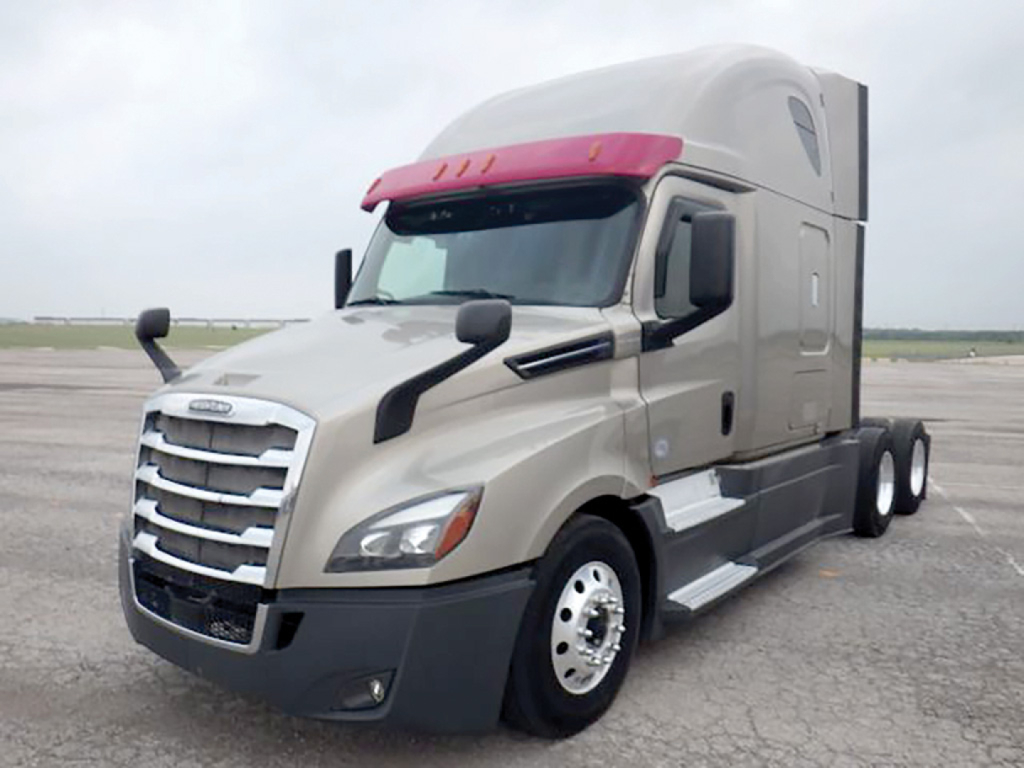
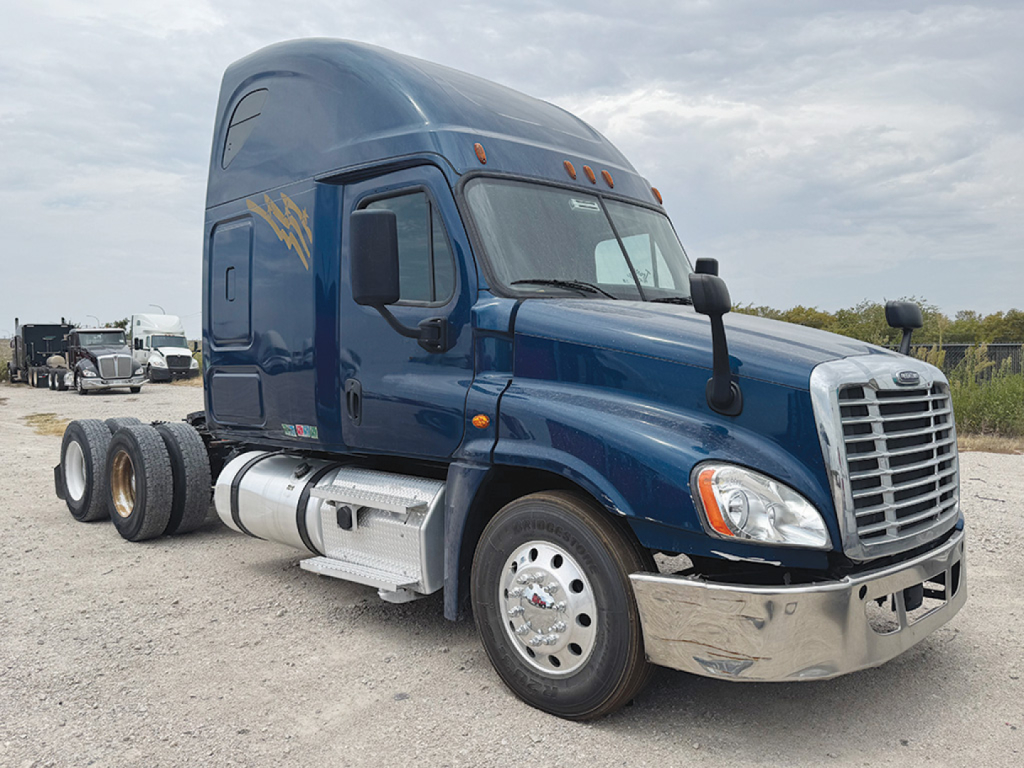
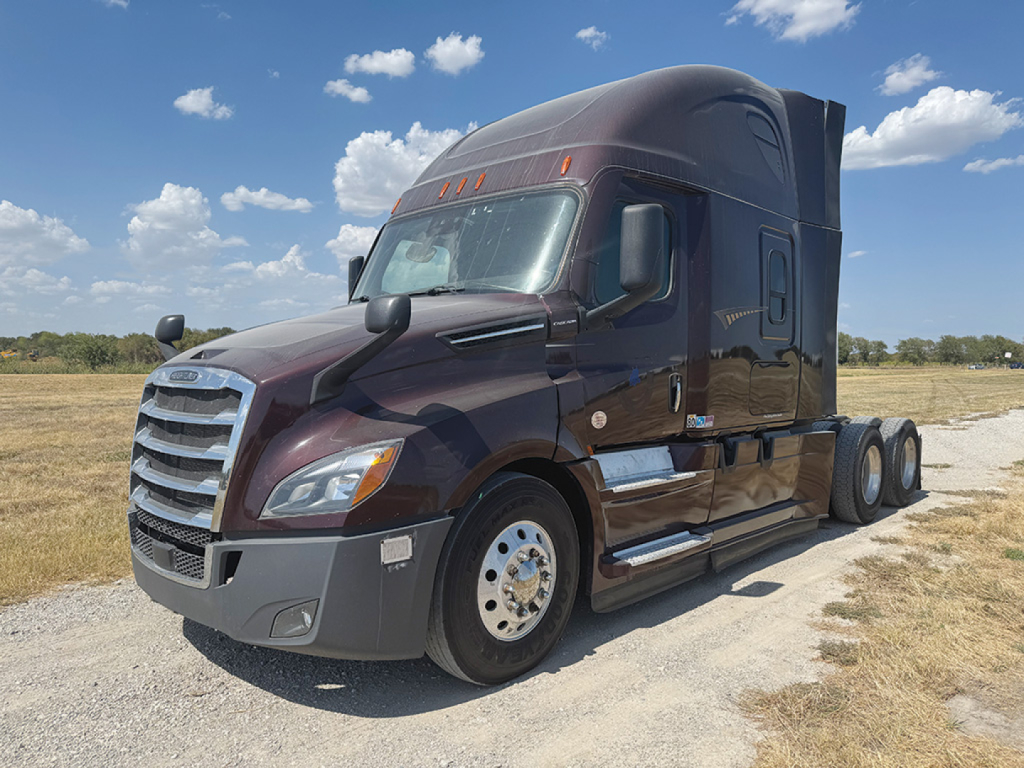
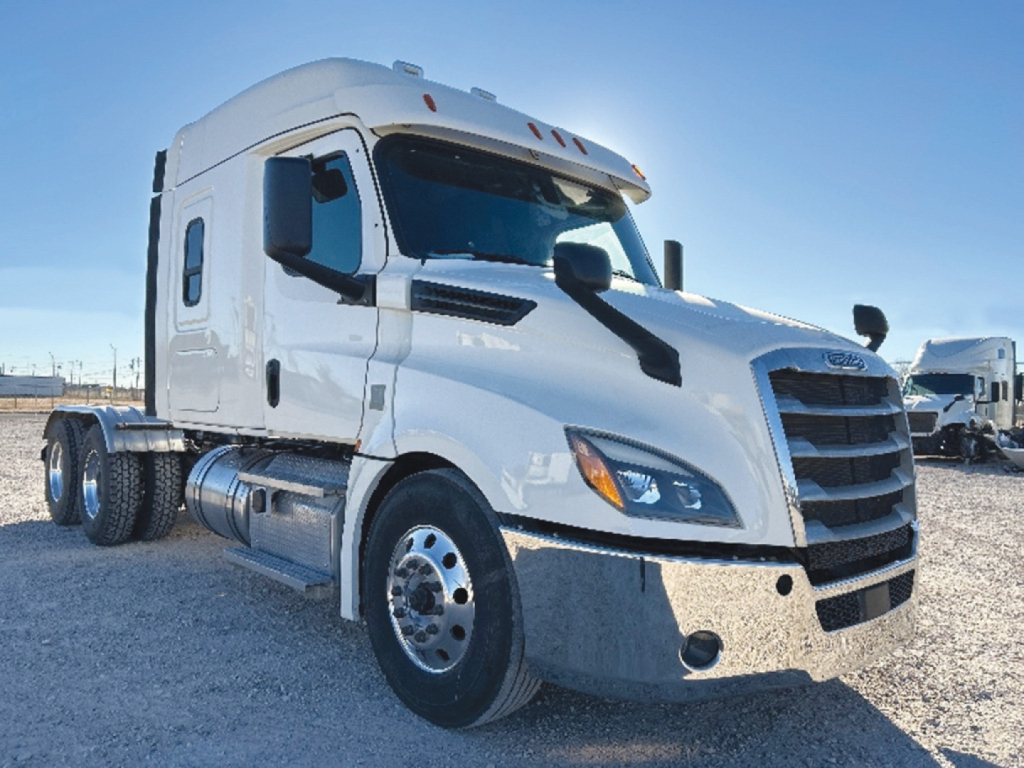
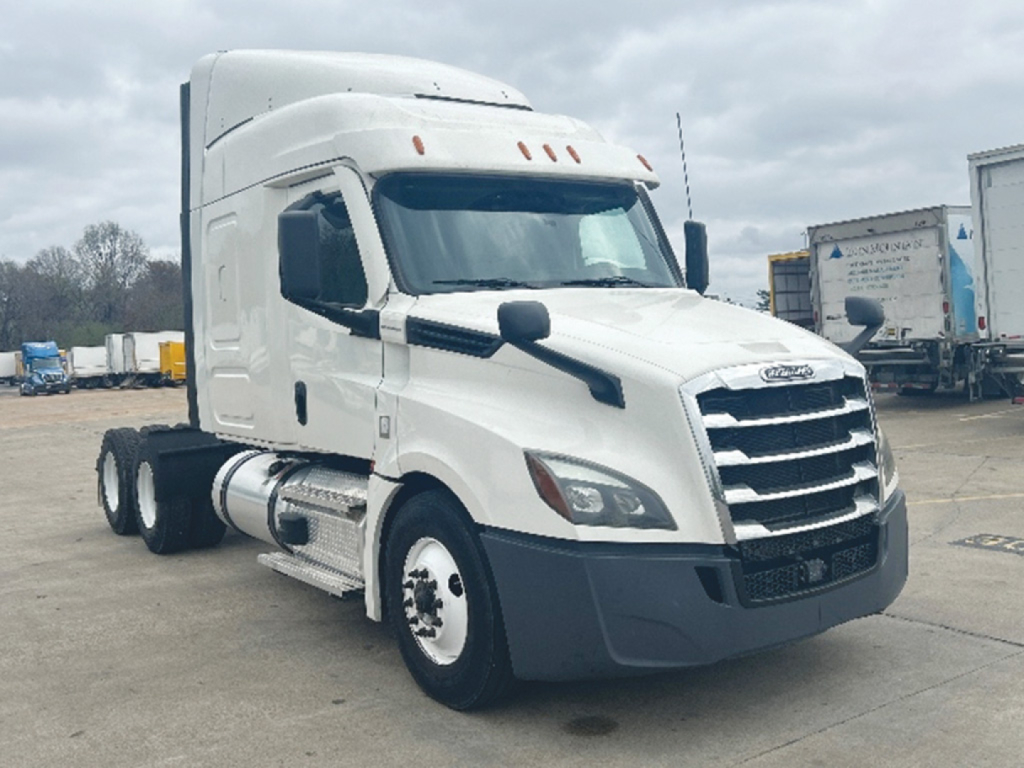

Have 2020 freightliner conventional sleeper truck to sell? List it here to reach thousands of buyers.
2020 Freightliner Conventional Sleeper Trucks in Texas
Sleeper configuration matters as much as horsepower. Many 2020 Freightliner sleeper trucks in this class carry a 72-inch raised roof sleeper, often with an upper bunk, making them well-suited for team operations or single-driver OTR use that demands more living space. Features like dual aluminum fuel tanks, air ride suspension, cab extenders, side fairings, and horizontal exhaust are common on aerodynamic spec trucks built to reduce drag and improve fuel burn. Interior features often include tilt and telescoping steering, cruise control, power windows, air conditioning, and upgraded trim. Some units also include an APU, bunk heater, or collision mitigation system, which can materially affect idle time, driver comfort, and overall operating cost.
Chassis and running gear specs deserve close attention because they directly affect trailer compatibility and lane assignment. Wheelbases around 229 inches are common on Freightliner conventional sleepers with air slide fifth wheels, giving fleets flexibility across different trailer lengths and kingpin settings. Disc brakes are increasingly common on later Cascadia specs and can be a plus for stopping performance and maintenance consistency. Tire size, wheel material, suspension condition, and fairing integrity all matter on used aero trucks because small differences in drag, alignment, and rolling resistance can show up quickly in operating cost. In Texas service, buyers should also inspect cooling system health, A/C performance, and emissions system history, especially on trucks that have spent time in heavy heat, long idle cycles, or dense regional freight lanes.
For most buyers, a 2020 Freightliner conventional sleeper hits a practical middle ground between newer higher-cost tractors and older pre-aero fleet trucks. It is a strong fit for dry van, refrigerated freight, dedicated contract lanes, and general interstate work where uptime, parts availability, and driver acceptance are priorities. Freightliner's large dealer network and broad familiarity with the Cascadia platform can also simplify maintenance planning and resale. The best truck in this category is not just the cleanest one on paper. It is the one with the right sleeper size, axle ratio, wheelbase, safety package, and maintenance history for the freight you intend to pull.
Frequently Asked Questions about 2020 Freightliner Conventional Sleeper Trucks in Texas
What engine and transmission are common in a 2020 Freightliner conventional sleeper?
A common setup in a 2020 Freightliner conventional sleeper, especially a Cascadia, is the Detroit DD15 engine matched to a Detroit DT12 automated manual transmission. Many are rated around 455 horsepower, though exact ratings vary by spec. This combination is popular because it balances fuel economy, drivability, and service familiarity across fleet and owner-operator applications.
Is a 72-inch raised roof sleeper a good choice for over-the-road work?
Yes. A 72-inch raised roof sleeper is one of the most practical OTR configurations because it provides enough space for a bunk, storage, and better overall livability on longer runs. Units with an upper bunk can also support team driving. For buyers comparing sleeper tractors, the 72-inch raised roof setup is often the standard benchmark for general long-haul freight.
What axle ratio should I look for on a 2020 Freightliner sleeper truck?
That depends on the freight, terrain, and cruise speed you expect to run. Ratios such as 2.41 or 2.47 are commonly found on highway-oriented specs and are chosen to reduce engine rpm and improve fuel economy at interstate speeds. If the truck will spend more time in heavier loads, mixed terrain, or regional stop-and-go service, a different ratio may be more practical. The key is matching the ratio to your trailer weight, route profile, and target road speed.
Are disc brakes and collision mitigation worth having on a used Freightliner Cascadia sleeper?
For many buyers, yes. Disc brakes can improve stopping consistency and are often easier to evaluate for wear than drum systems, while collision mitigation adds an extra layer of safety that some fleets now consider essential. These features can also support driver retention and insurance discussions, depending on the operation. They do not replace a full mechanical inspection, but they are meaningful value points on a used highway tractor.
What should buyers inspect most closely on a 2020 Freightliner sleeper truck in Texas?
Focus on emissions system service history, cooling system condition, air conditioning performance, transmission operation, suspension wear, and fairing damage. Texas heat, long idle periods, and high-mile interstate use can be hard on HVAC systems, aftertreatment components, and general wear items. It is also smart to verify wheelbase, fifth wheel travel, rear axle rating, and fuel capacity so the truck fits your trailers and route requirements without compromise.