
2020 Freightliner Conventional Sleeper Trucks For Sale in North Carolina
Shop 2020 Freightliner conventional sleeper trucks in North Carolina. Compare sleeper sizes, powertrain specs, wheelbase, and long-haul features.
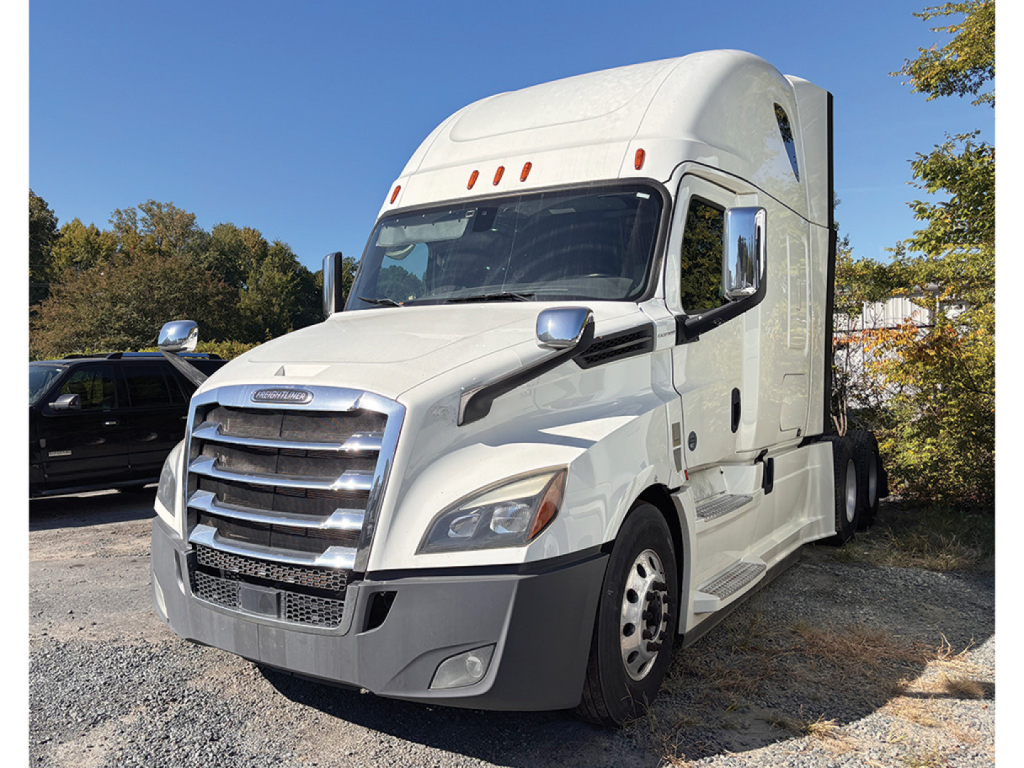
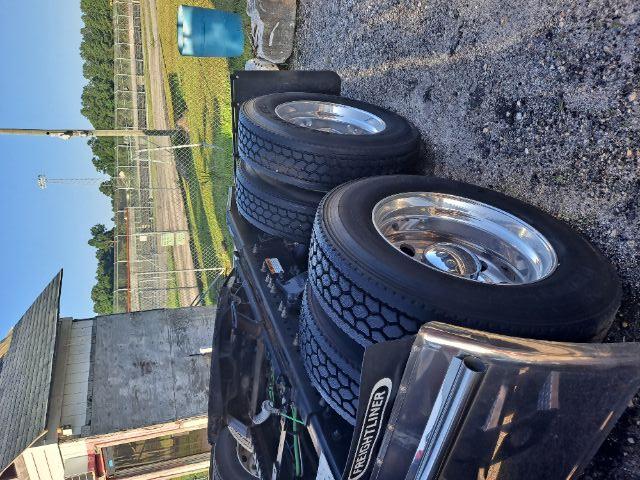
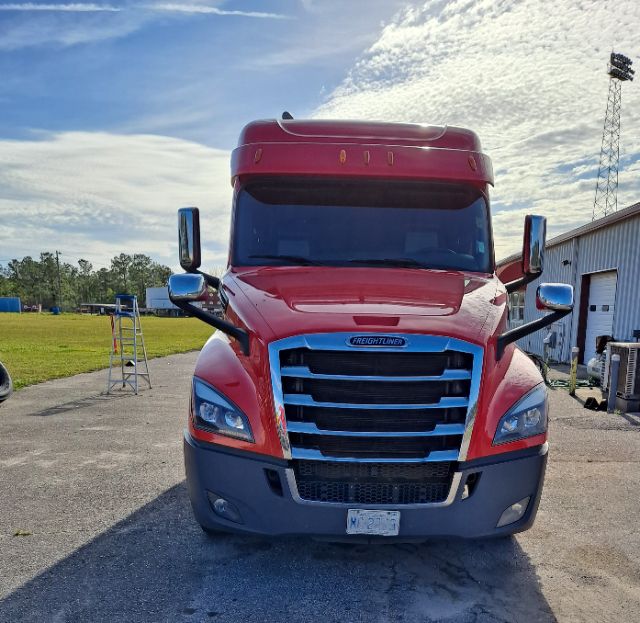
Selling a 2020 freightliner conventional sleeper truck? List your 2020 freightliner conventional sleeper truck for sale and reach thousands of commercial buyers.
2020 Freightliner Conventional Sleeper Trucks in North Carolina
For 2020 Freightliner conventional sleepers, the biggest buying decision is usually the powertrain spec. Listings in this category may include manual 10-speed or 13-speed transmissions, engine brake, and rear axle ratings around 40,000 pounds with ratios such as 3.42 or 3.58. Wheelbase is another major factor. A 230-inch wheelbase can be easier to work with in tighter yards and docks, while a 260-inch setup is common on long-nose, owner-operator style tractors and can improve ride quality and visual appeal. Buyers should match horsepower, gearing, and transmission choice to the freight. A higher-horsepower truck with a 13-speed may fit heavier pulls or mountain lanes better, while a more basic direct-drive style spec can make sense for flatter highway work.
Freightliner conventional sleeper models are also known simply as sleeper tractors or road tractors. In the 2020 market, you may see classic long-hood styling such as Coronado and Columbia-based configurations, including glider builds, alongside more standard fleet-oriented sleeper tractors. That makes close inspection important because two trucks with the same badge can be very different underneath. Check engine make and displacement, confirm whether the unit is a glider, review rear suspension type, and look at practical details such as air slide fifth wheel function, fuel tank capacity, tire size, wheel material, and cab equipment. On used sleeper trucks, attention should also go to frame condition, bunk wear, steering feel, clutch life on manual transmissions, and any signs of hard service in the driveline or suspension.
North Carolina buyers often need a truck that can cover a mix of interstate freight, port-related drayage moves, manufacturing lanes, and longer Southeast to Midwest runs. In that environment, a 2020 Freightliner sleeper should be evaluated as a working specification package, not just by appearance. Suspension setup, axle ratio, sleeper height, fairings, and wheelbase all affect how the truck performs on the road and how efficiently it can be assigned. A well-matched conventional sleeper can give a carrier or owner-operator the right balance of driver comfort, highway manners, and durable component spec for daily revenue work.
Frequently Asked Questions about 2020 Freightliner Conventional Sleeper Trucks in North Carolina
What is a conventional sleeper truck?
A conventional sleeper truck is a highway tractor with the engine mounted ahead of the cab and an integrated sleeper compartment behind the seats. It is designed for long-haul or regional operations where the driver needs off-duty space for overnight rest. Compared with a day cab, a sleeper tractor adds living and storage space, and compared with a cabover, a conventional layout typically offers easier engine access and a more familiar long-hood ride and handling feel.
What should I look for when buying a 2020 Freightliner conventional sleeper?
Start with the drivetrain because that determines how the truck will perform in your operation. Confirm engine model, horsepower, transmission type, rear axle ratio, suspension, and wheelbase, then compare those specs to the weight and terrain of your typical loads. After that, inspect the sleeper size and condition, bunk equipment, fairings, fifth wheel, tires, wheels, and fuel tanks. On used units, service records, clutch condition, engine brake operation, steering response, and signs of frame or suspension wear are all critical.
Is a 10-speed or 13-speed better in a Freightliner sleeper tractor?
Neither is automatically better because the right choice depends on the route and freight. A 10-speed is simple, common, and often well-suited to general highway work with consistent weights. A 13-speed gives the driver more flexibility in the power band and is often preferred for heavier loads, changing terrain, or owner-operator specs where performance matters. The transmission should be considered together with horsepower and rear axle ratio, not as a stand-alone feature.
Why does wheelbase matter on a conventional sleeper truck?
Wheelbase affects ride, weight distribution, trailer swing clearance, and maneuverability. A shorter wheelbase can be easier in crowded terminals, urban deliveries, and tight backing situations. A longer wheelbase is common on long-nose sleeper tractors and can improve highway ride quality and overall look, but it may limit maneuverability in tighter spaces. The correct wheelbase depends on trailer length, fifth wheel position, and the type of freight lanes the truck will run.
Are glider-spec Freightliner sleeper trucks different from standard factory builds?
Yes. A glider-spec truck can differ significantly from a standard factory-complete tractor because the engine, transmission, and some running gear may come from a different source or earlier platform. That means buyers need to verify exactly what components are installed, how the truck was assembled, and what service history is available. Inspection should include engine serial information, driveline compatibility, wiring quality, emissions status where applicable, and overall build quality rather than relying only on model name or body year.