
2020 Freightliner Conventional Sleeper Trucks For Sale in Nebraska
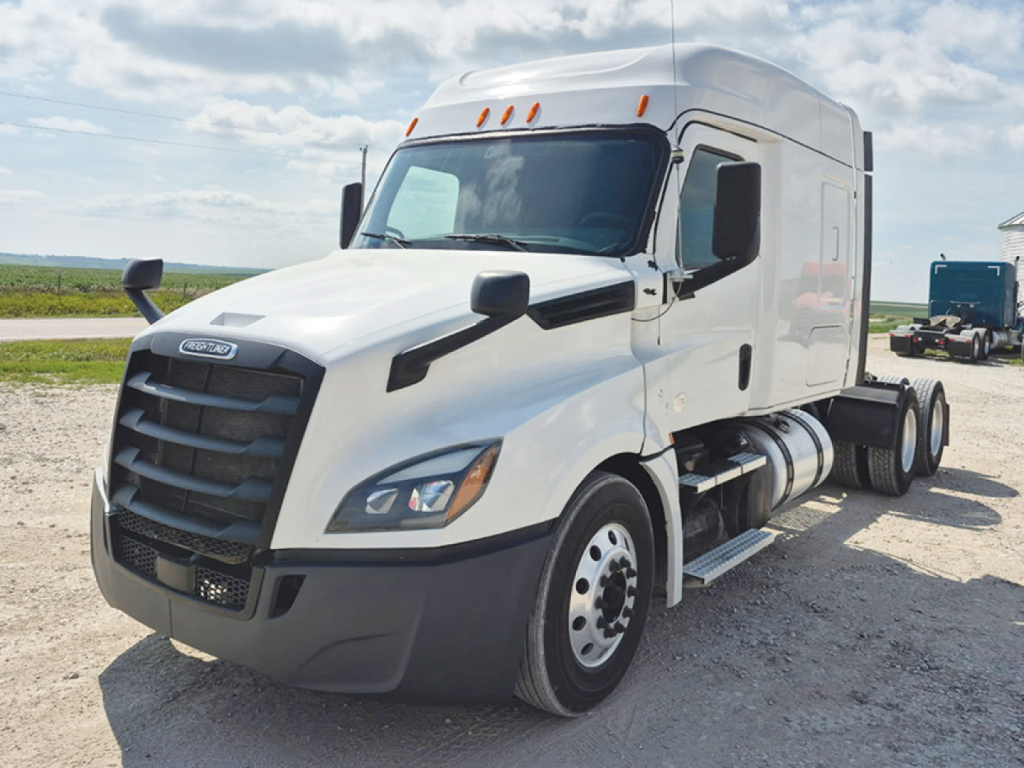
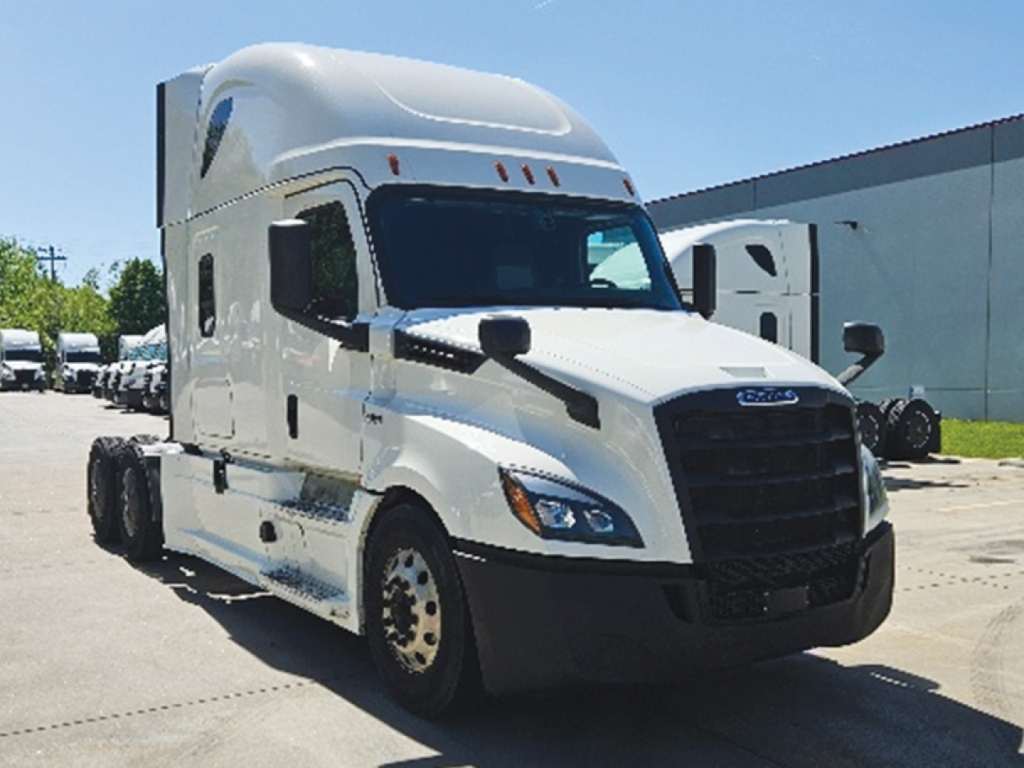
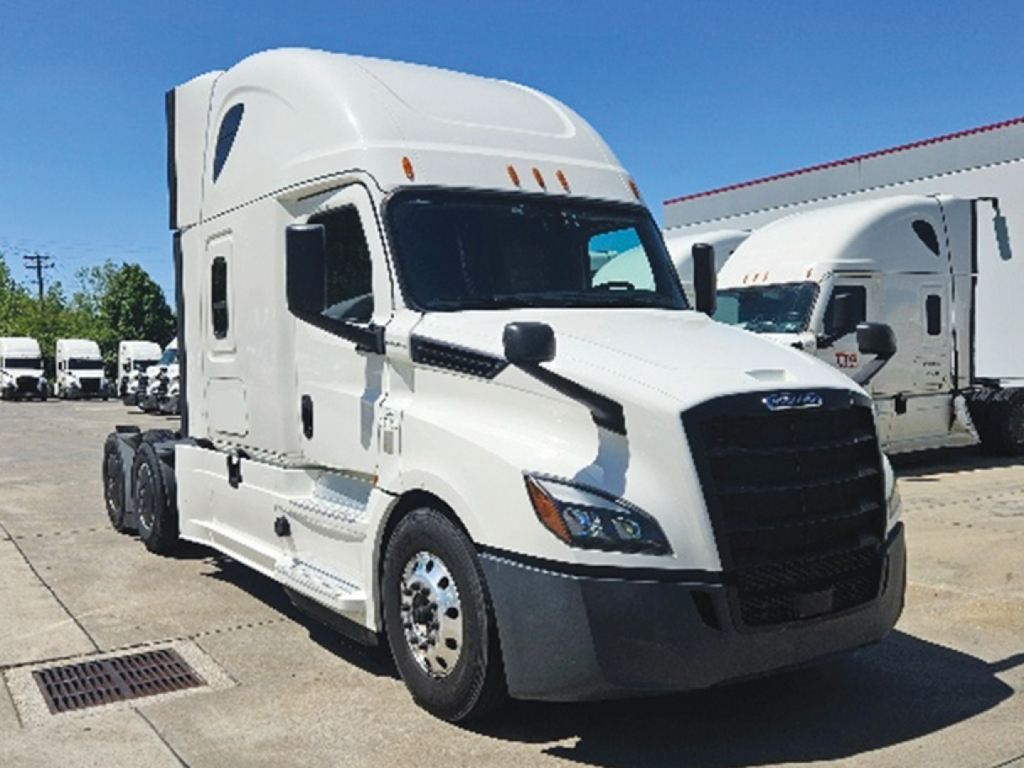
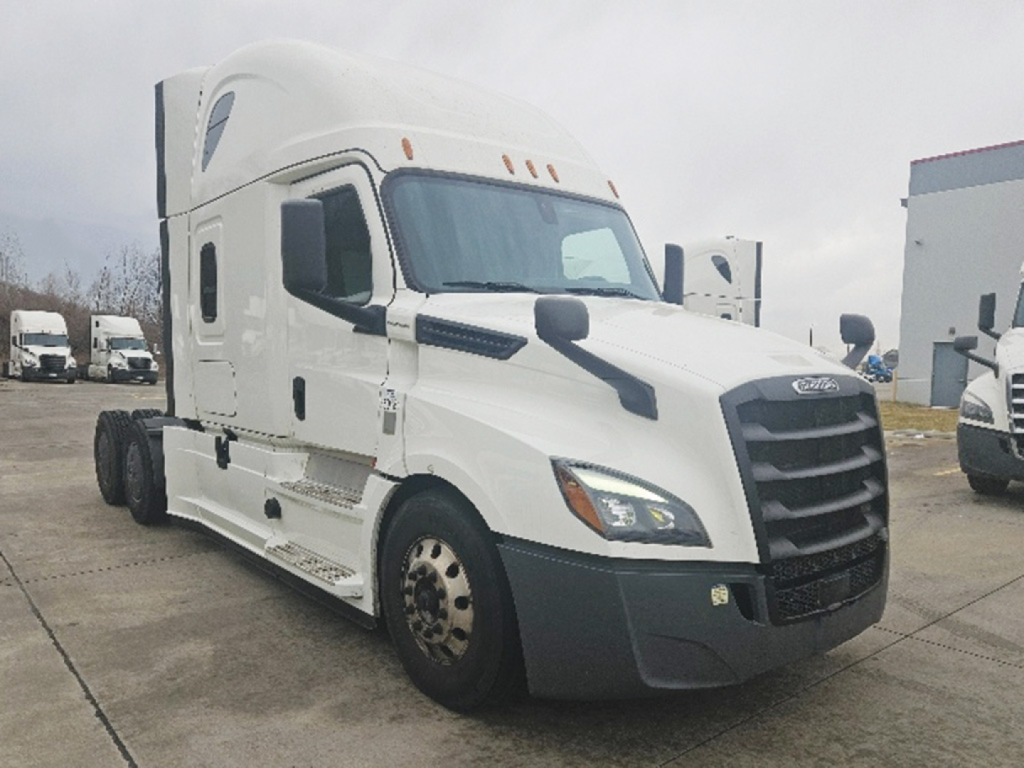
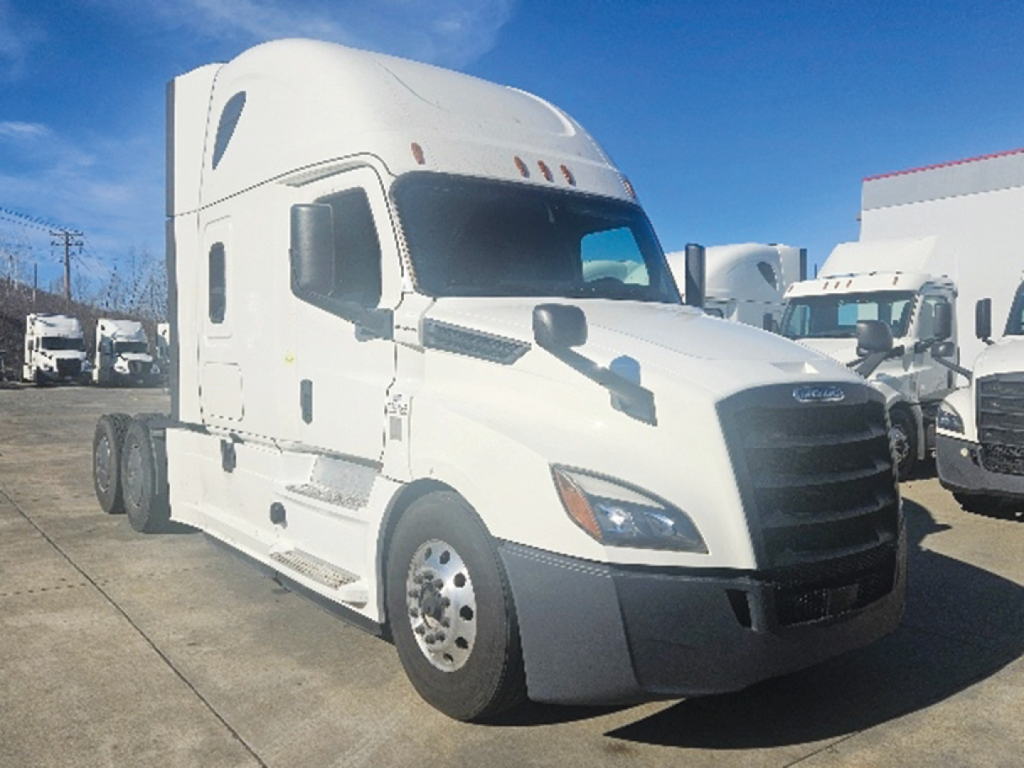
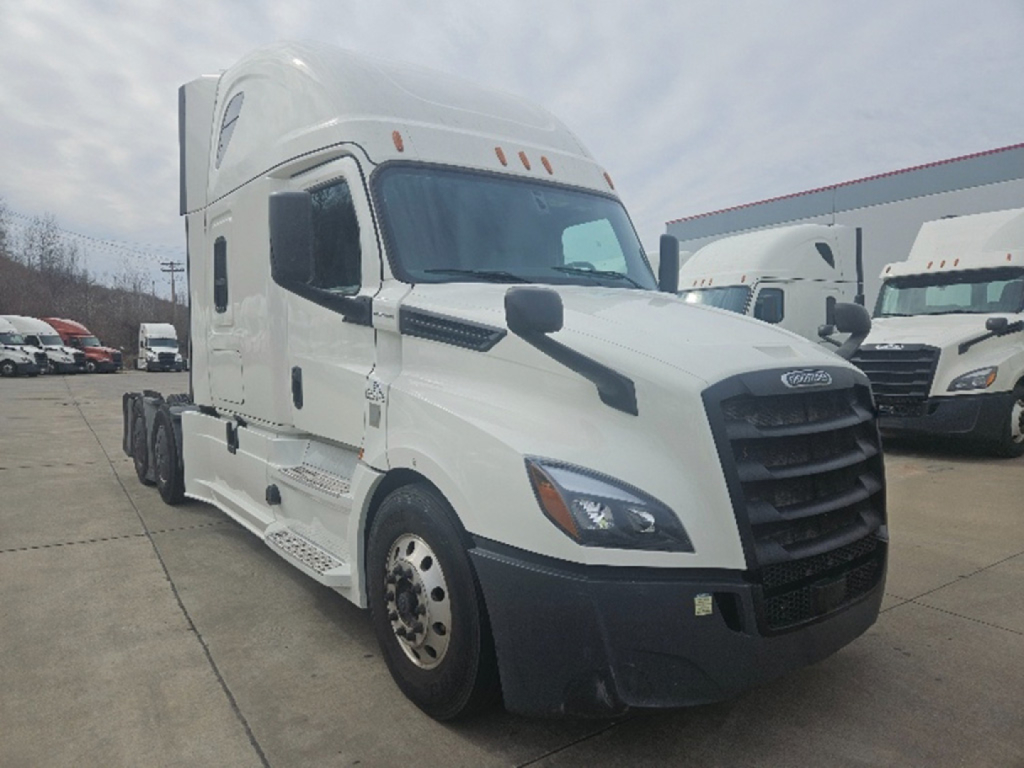

Have 2020 freightliner conventional sleeper truck to sell? List it here to reach thousands of buyers.
2020 Freightliner Conventional Sleeper Trucks in Nebraska
The main buying decision is usually powertrain. Many 2020 Freightliner conventional sleepers are equipped with Detroit DD13 or DD15 engines paired with the DT12 automated manual transmission, though some trucks are still found with manual boxes. A DD13 in the 450 to 455 horsepower range can be a solid fit for fleets focused on fuel burn and regional to light long-haul lanes. A DD15, often rated around 455 to 475 horsepower, is the more common choice for heavier gross weights, broader highway use, and buyers who want stronger pulling power without stepping outside a mainstream spec. Rear axle ratings are commonly 40,000 pounds, with ratios such as 2.85, 3.08, or 3.58. Lower ratios generally favor fuel economy at cruise speed, while deeper gearing can help in mixed terrain, heavier loads, or more stop-and-go applications.
Sleeper configuration should be matched to the job before anything cosmetic is considered. A 60-inch mid-roof sleeper can work well for shorter over-the-road runs or dedicated freight with more frequent home time. A 72-inch raised-roof sleeper is the more typical long-haul setup, especially when equipped with an upper bunk, refrigerator, or auxiliary power unit. Buyers should also pay attention to practical road-spec items like dual aluminum fuel tanks, air slide fifth wheels, disc brakes, tire size, and wheel material. Air ride suspension, engine brakes, collision mitigation systems, and APUs add real operating value, especially for fleets trying to control driver fatigue, idle time, and maintenance cost.
A good 2020 Freightliner sleeper buyer looks past the badge and focuses on vocation fit. Check axle ratio against intended cruise speed, confirm sleeper size against dispatch pattern, and review whether the truck has the aerodynamic package, safety electronics, and emissions history that match your operating model. Conventional sleeper trucks, also known simply as highway sleepers or sleeper tractors, need to be judged on total cost per mile as much as purchase price. On a 2020 Freightliner, the strongest value is usually found in a clean, mainstream spec that can be serviced easily, turned quickly with another driver, and dropped into established van or reefer freight without modification.
Frequently Asked Questions about 2020 Freightliner Conventional Sleeper Trucks in Nebraska
What engine and transmission setups are common in a 2020 Freightliner conventional sleeper?
Most 2020 Freightliner conventional sleeper trucks are built with Detroit power, especially the DD13 or DD15, and many are paired with the DT12 automated manual transmission. The DD13 is often chosen for fuel-conscious operations and lighter linehaul work, while the DD15 is more common in heavier or broader over-the-road service. A manual transmission still appears in some specs, but the DT12 dominates this model year because it supports driver consistency, fuel economy, and easier fleet onboarding.
Is a 72-inch raised-roof sleeper better than a 60-inch mid-roof on a Freightliner Cascadia?
A 72-inch raised-roof sleeper is generally the better choice for long-haul freight because it provides more living space, better standing room, and room for features like an upper bunk, refrigerator, and storage. A 60-inch mid-roof sleeper can still be a smart spec for shorter trips, dedicated lanes, or operations that want to reduce weight and keep the truck simple. The right choice depends on length of haul, driver retention needs, and how much time the truck spends away from the terminal.
What axle ratio should I look for in a 2020 Freightliner sleeper truck?
Common ratios in this category include 2.85, 3.08, and sometimes 3.58. A 2.85 ratio is usually aimed at lower engine rpm and better fuel economy in steady highway use. A 3.08 ratio is a balanced spec for mixed freight and varied terrain. A 3.58 ratio can make sense for heavier loads, more grade, or operations that need stronger launch performance. The best ratio is the one matched to your tire size, cruise speed, transmission calibration, and average gross weight.
Are 2020 Freightliner conventional sleepers a good fit for reefer and dry van work?
Yes. The 2020 Freightliner conventional sleeper, especially the Cascadia, is one of the most common tractors used in dry van and refrigerated freight. Its aerodynamic design, mainstream Detroit drivetrain, and common sleeper layouts make it a practical choice for fleets and owner-operators running interstate lanes. That broad use is a benefit to buyers because it usually means easier parts sourcing, stronger service network familiarity, and predictable resale appeal.
What features add the most value on a used 2020 Freightliner sleeper?
The most valuable features are usually the ones that improve uptime, driver comfort, and operating cost. Buyers often prioritize a DD15 or well-matched DD13, DT12 transmission, engine brake, air ride suspension, disc brakes, an air slide fifth wheel, collision mitigation, and an auxiliary power unit. Sleeper amenities like a refrigerator and upper bunk matter for long-haul use, but the best value still comes from a clean maintenance history, a proven emissions system record, and a spec that matches the freight the truck will actually pull.