
2015 Freightliner Conventional Sleeper Trucks For Sale in Georgia
Shop 2015 Freightliner conventional sleeper trucks in Georgia. Compare Cascadia specs, sleeper sizes, Detroit power, and road-ready features.
Learn more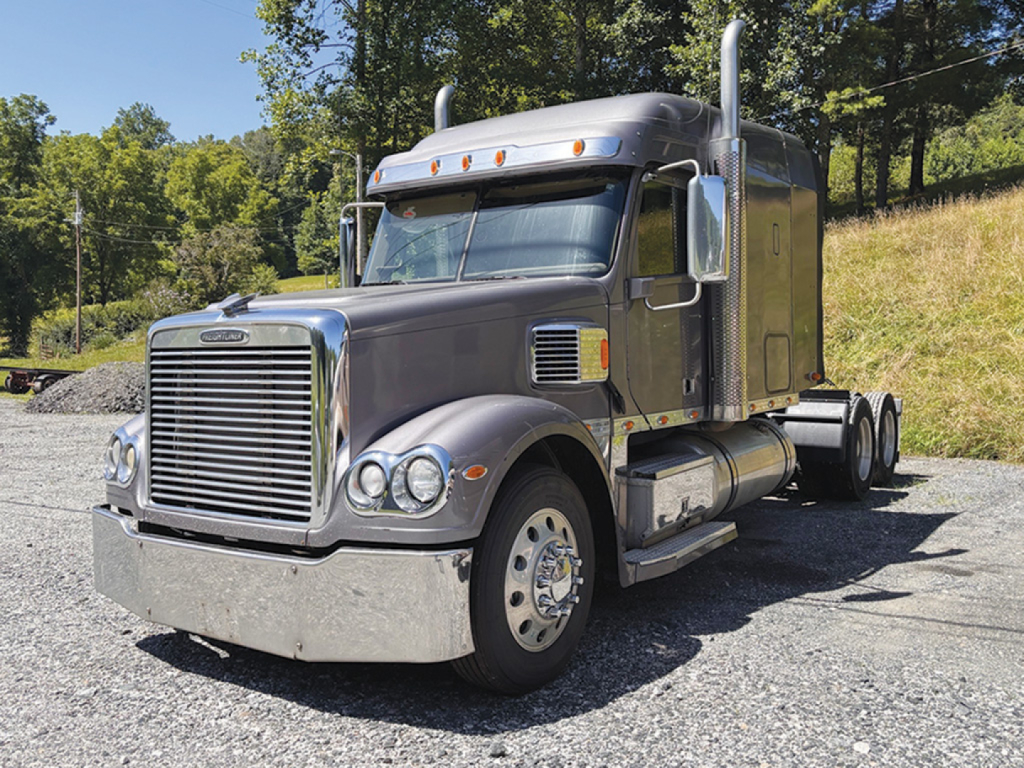

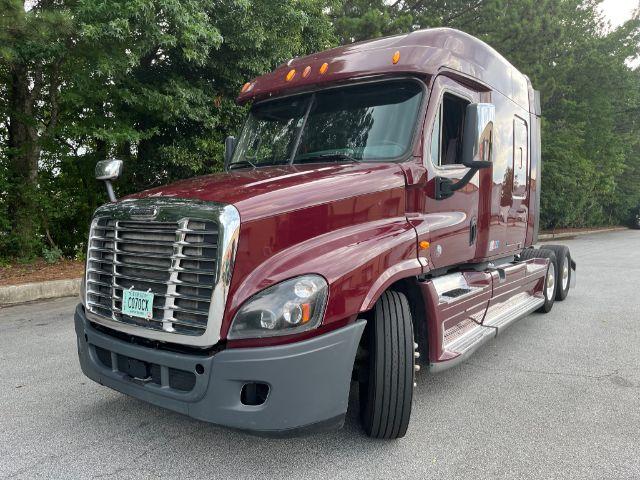
Have 2015 freightliner conventional sleeper truck to sell? List it here to reach thousands of buyers.
About 2015 Freightliner Conventional Sleeper Trucks in Georgia
The main buying decisions usually start with engine and transmission spec. Many 2015 Freightliner sleepers were built with Detroit power, commonly the DD13 or DD15, paired with either a manual or automated manual transmission. The DD15 is the more common choice for heavier highway freight and buyers looking for stronger pulling power with efficient cruise RPM. Rear axle ratios, wheelbase, and fifth wheel setup all affect how the truck will perform with your trailer mix and typical lanes. A shorter wheelbase can help in tighter terminal work, while a longer wheelbase and larger sleeper may make more sense for teams or extended runs.
Sleeper configuration is another major separator in this category. A 2015 conventional sleeper may have a mid-roof or raised-roof design, with single-bunk or double-bunk layouts depending on intended use. Storage, inverter setup, bunk heater, APU provisions, and fuel tank capacity all matter if the truck will spend significant time away from the yard. Buyers should also pay attention to interior wear, HVAC performance, and electrical condition, since comfort features and cab electronics tend to show how a highway tractor was maintained over time.
On the chassis side, look closely at suspension type, brake spec, tire condition, and axle ratings. Air ride suspension is common in this class and helps ride quality and freight protection. Fairings, cab extenders, and other aerodynamic components should be checked for damage or missing pieces because they affect both appearance and fuel mileage. For a 2015 Freightliner conventional sleeper truck, the best value usually comes from matching the spec to the freight. A truck built for van and reefer lanes may not be ideal for heavier specialized work, and a well-chosen sleeper tractor will generally outperform a cheaper truck with the wrong gearing, sleeper size, or maintenance history.
Frequently Asked Questions
What engine is most common in a 2015 Freightliner conventional sleeper truck?
The most common engine in a 2015 Freightliner conventional sleeper is the Detroit DD15, although some trucks were spec'd with a DD13 depending on duty cycle and fleet preference. The DD15 is generally preferred for over-the-road freight because it offers a strong balance of horsepower, torque, fuel efficiency, and parts availability. Buyers should still confirm horsepower rating, engine brake spec, emissions service history, and whether the truck's gearing matches the loads it will be pulling.
Is a 2015 Freightliner Cascadia sleeper good for long-haul use?
Yes, a 2015 Freightliner Cascadia sleeper is widely used in long-haul service. It is known for aerodynamic efficiency, a roomy cab, and a sleeper design that supports extended time on the road. The best long-haul setup usually includes a raised-roof sleeper, larger fuel capacity, an efficient rear axle ratio, and driver comfort options such as a bunk heater, inverter, and good climate control. Condition matters more than age alone, so maintenance records and cab wear are important.
What should I inspect before buying a used 2015 Freightliner sleeper tractor?
Key inspection points include engine condition, transmission operation, aftertreatment history, suspension wear, brake life, tire age, and signs of frame or fairing damage. Inside the cab, check HVAC performance, bunk area condition, dash electronics, and any idle reduction equipment such as an APU. A buyer should also review ECM data, fault codes, service records, and total hours, not just odometer miles. A lower-priced truck can become expensive quickly if emissions, clutch, or sleeper electrical issues were deferred.
What sleeper size is best in this category?
The right sleeper size depends on route length, driver count, and how the truck is used between stops. A smaller sleeper can work well for regional freight where the driver is home more often and wants a lighter, simpler spec. A larger raised-roof sleeper is better for over-the-road work, team operations, or runs that require more onboard storage and living space. Buyers should compare bunk layout, cabinet space, and fuel capacity together because those features affect daily usability as much as the sleeper dimensions.