
2023 Conventional Sleeper Trucks For Sale in Pennsylvania
Shop 2023 conventional sleeper trucks in Pennsylvania. Compare specs, sleeper sizes, powertrains, wheelbases, and fuel-efficient highway setups.
Learn more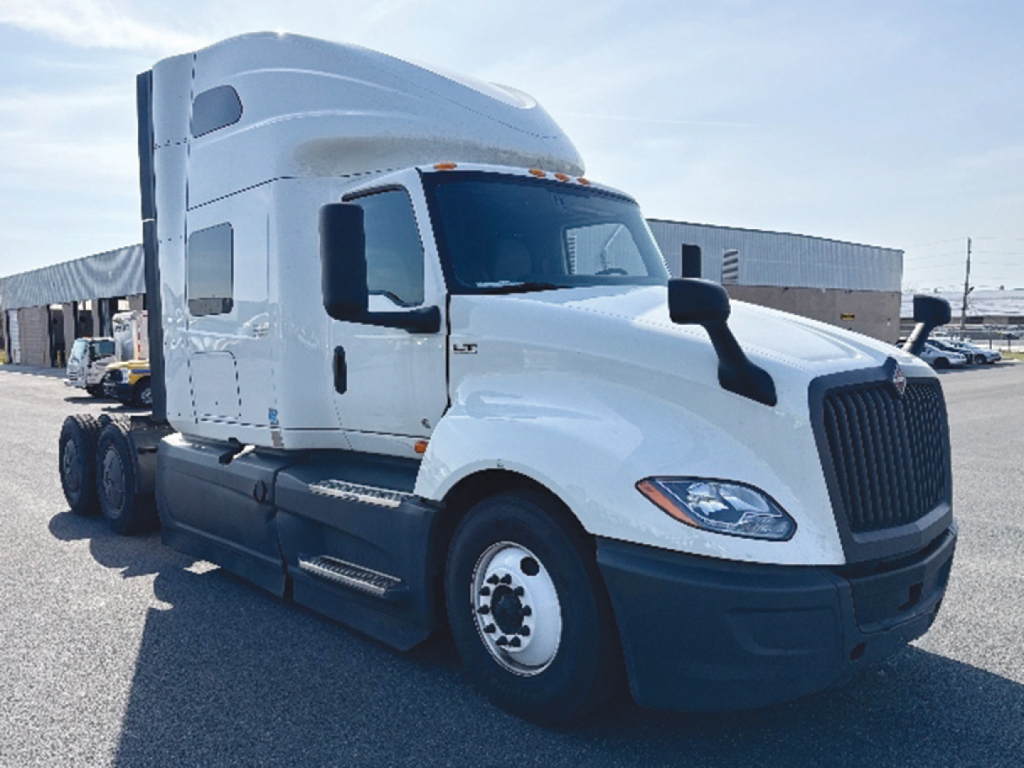
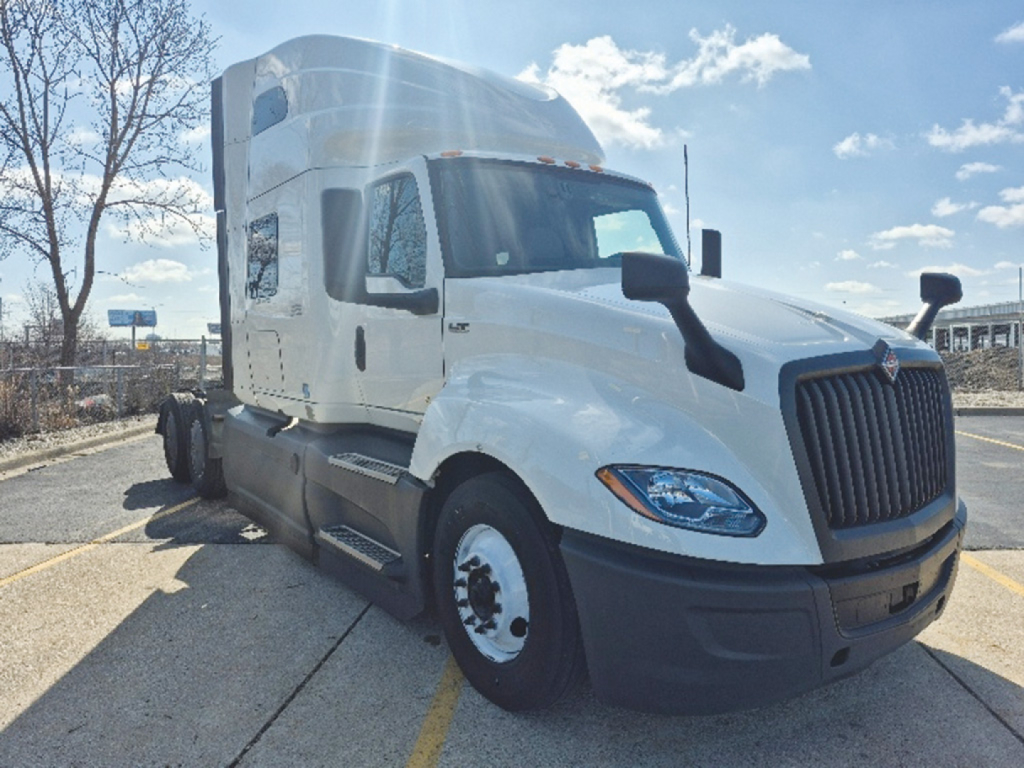
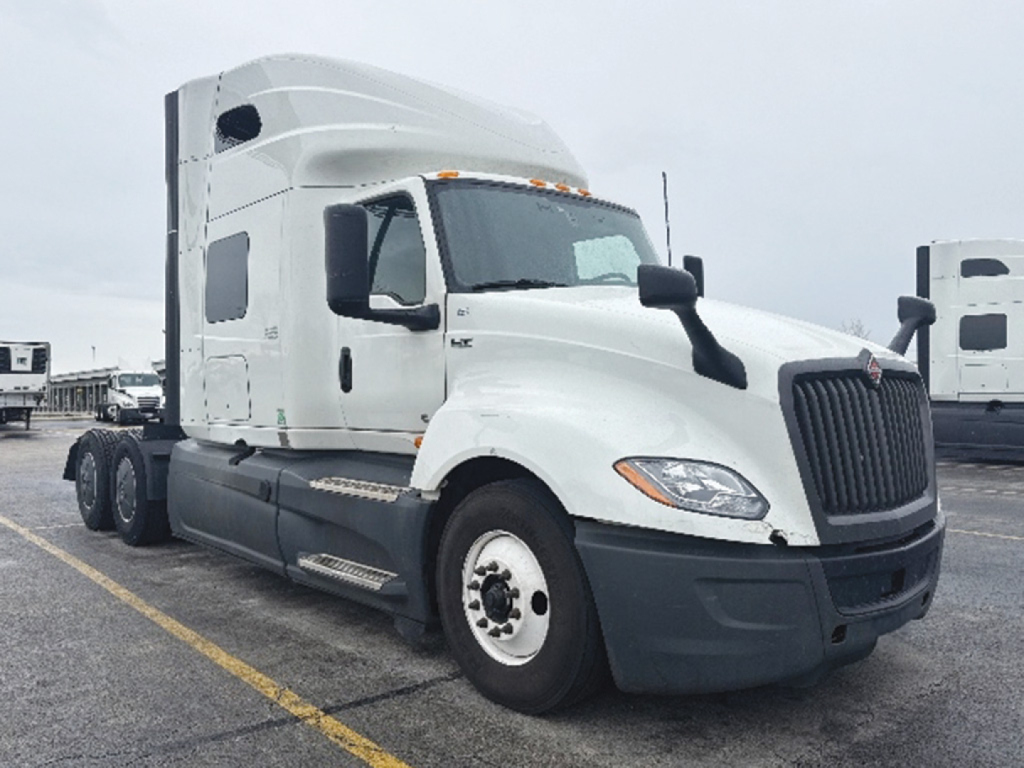
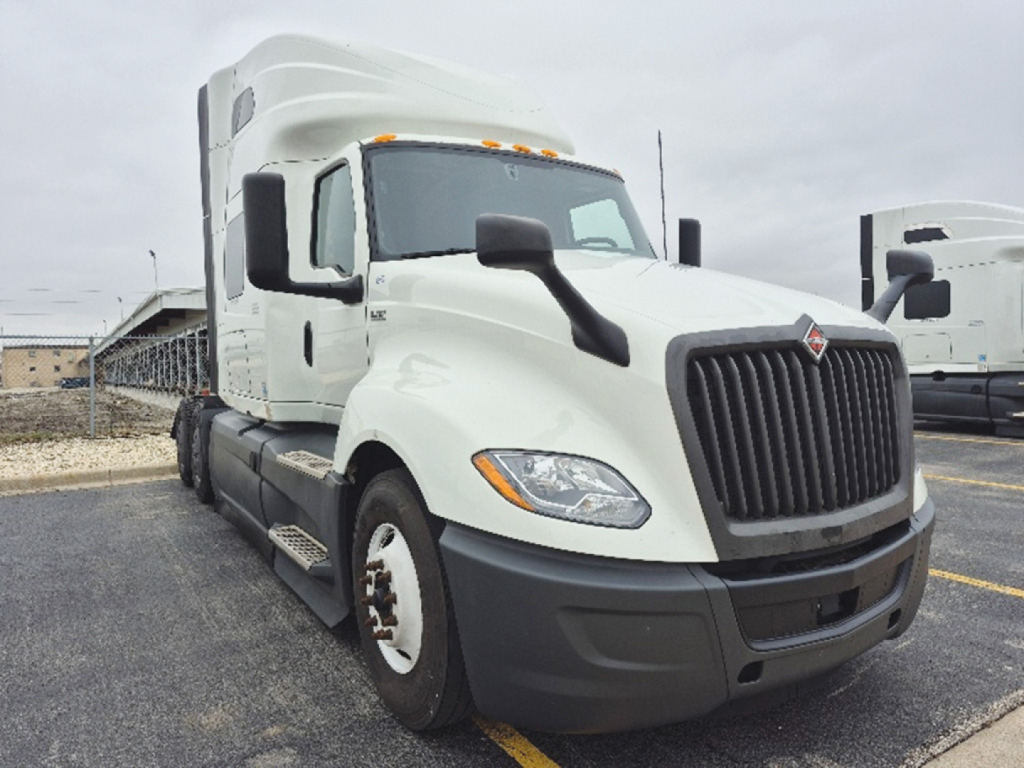
Have 2023 conventional sleeper truck to sell? List it here to reach thousands of buyers.
About 2023 Conventional Sleeper Trucks in Pennsylvania
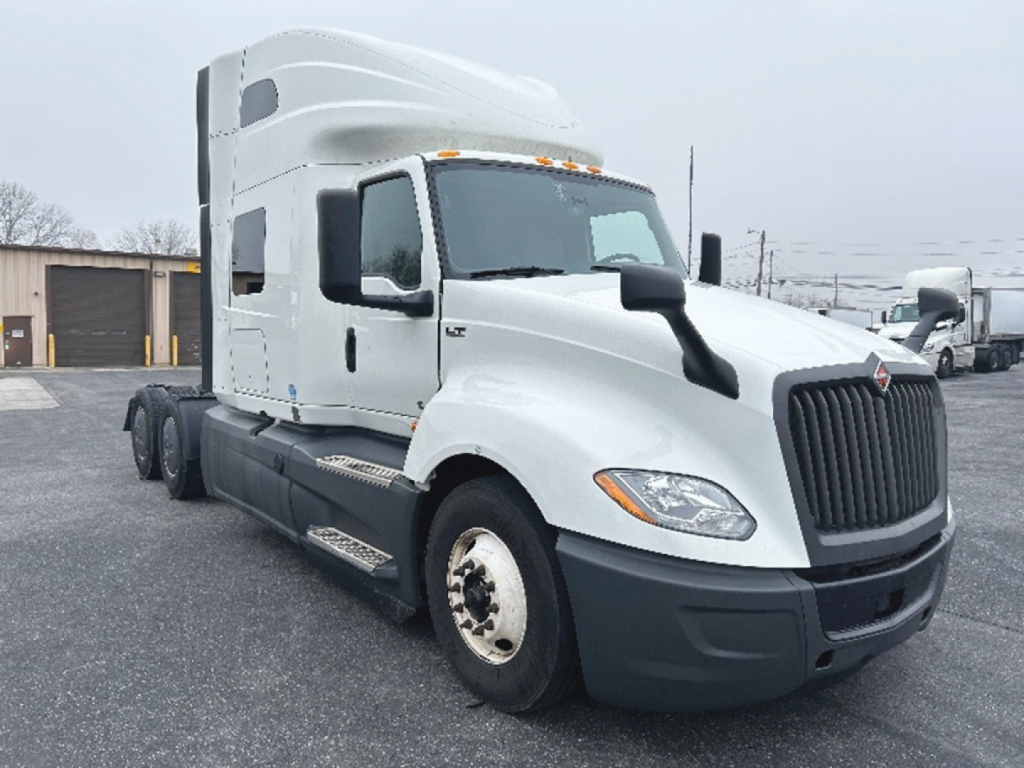
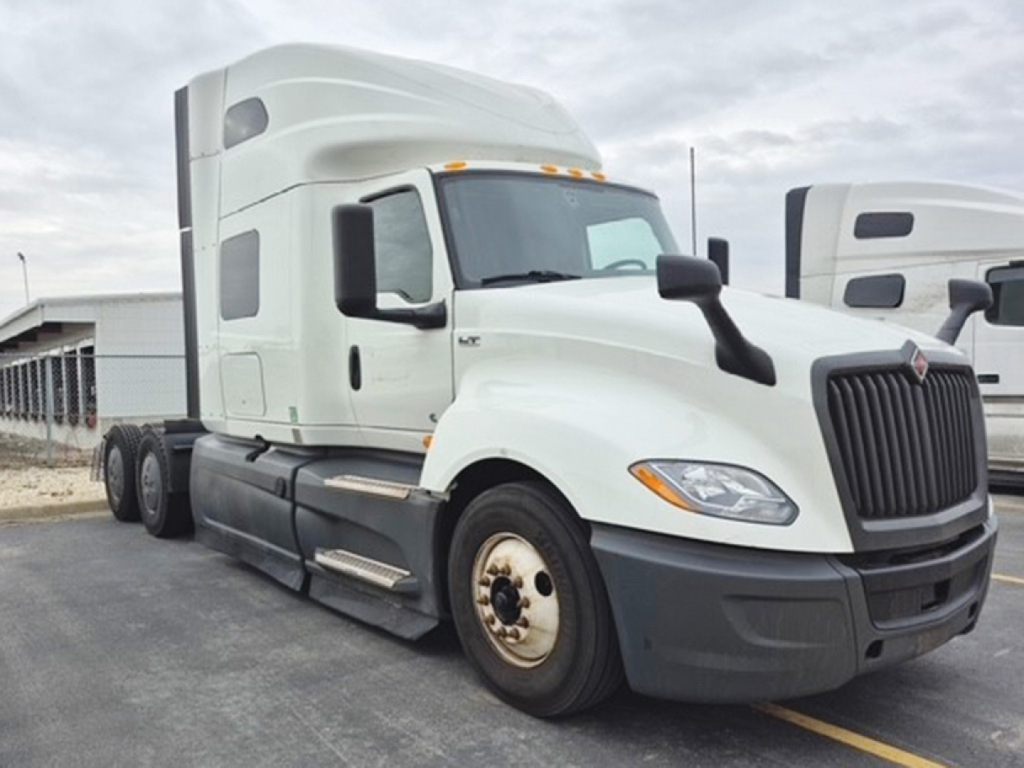
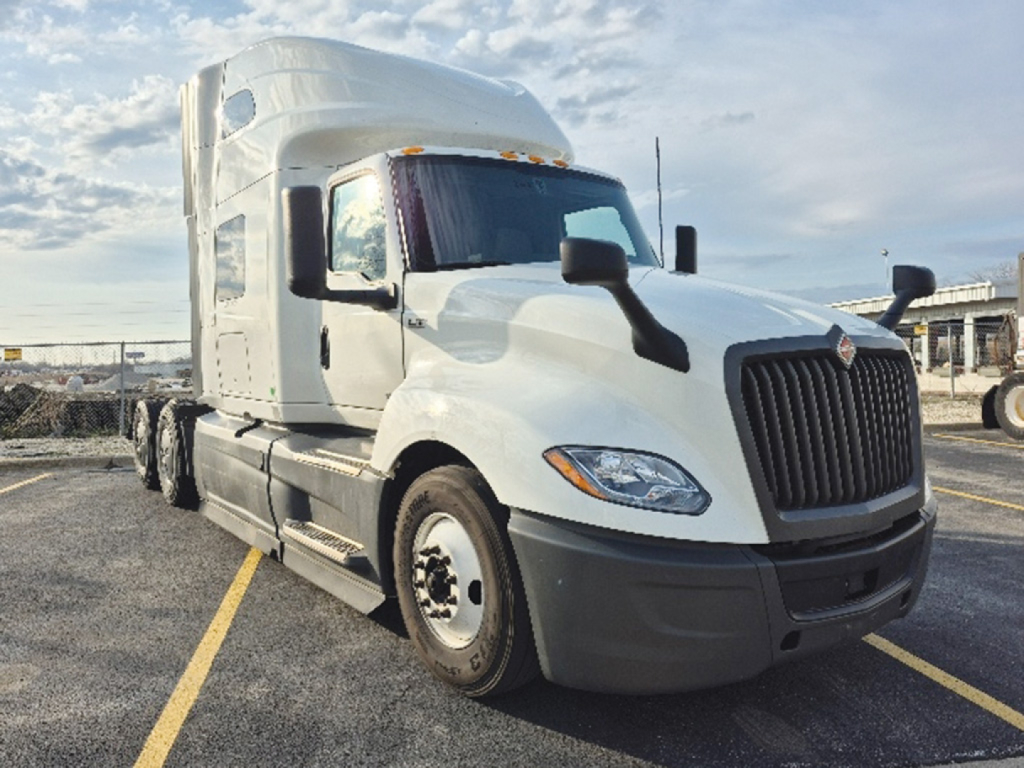
Sleeper size and cab configuration should match the job before brand preference does. Common sleeper packages range from about 58 inches to 80 inches, with raised-roof and stand-up designs favored for longer runs and team service. A 2023 model often includes a more driver-focused interior than older highway tractors, with better insulation, upgraded HVAC, bunk heaters, integrated infotainment, and more safety technology. Collision mitigation, adaptive cruise control, lane departure warning, and optimized engine brake controls are increasingly common in this year range. Buyers comparing units should also look closely at wheelbase, fifth wheel travel, fuel capacity, fairing condition, and whether the truck is set up for van, reefer, tanker, or dedicated freight lanes.
For operating cost, a 2023 conventional sleeper usually makes the most sense when spec'd around fuel efficiency and service access. Aerodynamic packages, side fairings, roof fairings, low-rolling-resistance tires, and automated transmissions all help on long-haul work. Engines such as the Detroit DD15, Cummins X15, PACCAR MX-13, and similar 13 to 15 liter platforms are common across this category, and each has its own service network, emissions strategy, and driver acceptance. Rear axle ratings around 40,000 lbs., air ride suspension, air slide fifth wheels, and dual aluminum tanks are standard specs many buyers expect. If the truck will spend time in tighter terminals or urban docks, wheelbase and bumper-to-back-of-cab dimensions matter just as much as horsepower.
A strong 2023 sleeper truck should be evaluated as a total operating package, not just by engine badge or odometer. Check emissions warranty status, maintenance history, idle hours, tire wear patterns, brake life, and any signs of fairing or collision repair. Confirm the sleeper layout, bunk arrangement, inverter or APU setup, and driver amenity package if retention matters. For Pennsylvania buyers, corrosion exposure from winter road treatment is worth inspecting on frame rails, crossmembers, airlines, and electrical connections. The best conventional sleeper is the one whose axle ratio, transmission, wheelbase, sleeper size, and safety spec match the lane, trailer type, and cost-per-mile target.
Frequently Asked Questions
What is a conventional sleeper truck used for?
A conventional sleeper truck is primarily used for over-the-road freight where the driver needs onboard living space for overnight or multi-day trips. It is the standard highway tractor configuration for pulling dry van, reefer, flatbed, and many other trailer types. The sleeper compartment adds bunk space, storage, and often climate control features that support longer dispatch cycles and better driver comfort than a day cab.
What specs matter most when buying a 2023 conventional sleeper truck?
The most important specs are engine rating, transmission type, rear axle ratio, wheelbase, sleeper size, and fuel capacity. Those choices determine how the truck performs on hills, how efficiently it cruises at highway speed, how easily it maneuvers, and how well it fits a specific trailer or freight lane. Buyers should also evaluate safety systems, emissions warranty coverage, suspension type, and whether the cab and sleeper layout match solo or team use.
Is an automated manual transmission better than a manual in a 2023 sleeper truck?
For many fleets and owner-operators, an automated manual transmission is the better fit in a 2023 highway tractor because it can improve fuel consistency, reduce driver fatigue, and widen the driver pool. A manual transmission still appeals to some buyers who want more direct control, especially in specialized applications or steep terrain. The better choice depends on driver preference, maintenance familiarity, resale strategy, and the type of freight the truck will handle.
What sleeper size is best for long-haul work?
Long-haul operations usually benefit from a raised-roof sleeper in the 70 to 80 inch range because it provides more headroom, storage, and room for amenities such as an upper bunk, refrigerator space, or inverter-supported accessories. Smaller sleepers can still work well for regional freight with occasional overnight stays, but they may limit comfort on extended runs. The right size depends on trip length, team versus solo operation, and how much time the driver spends in the bunk.
What should Pennsylvania buyers inspect on a used conventional sleeper truck?
Pennsylvania buyers should pay close attention to corrosion on frame rails, suspension parts, crossmembers, fuel tank straps, brake components, and electrical connections because winter road treatment can accelerate rust. It is also smart to inspect the sleeper seals, HVAC performance, bunk heater operation, emissions system history, and any signs of body or fairing repair. A complete review of maintenance records, fault codes, tire wear, and drivetrain condition is important before comparing price alone.