
2023 Conventional Sleeper Trucks For Sale in North Carolina
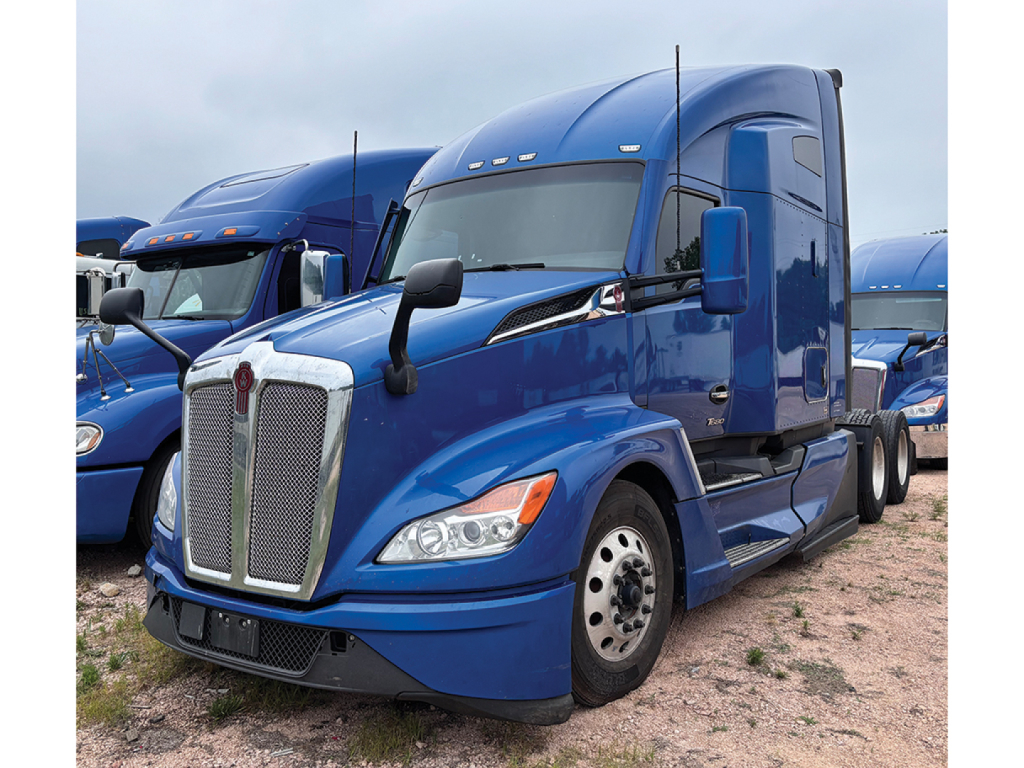
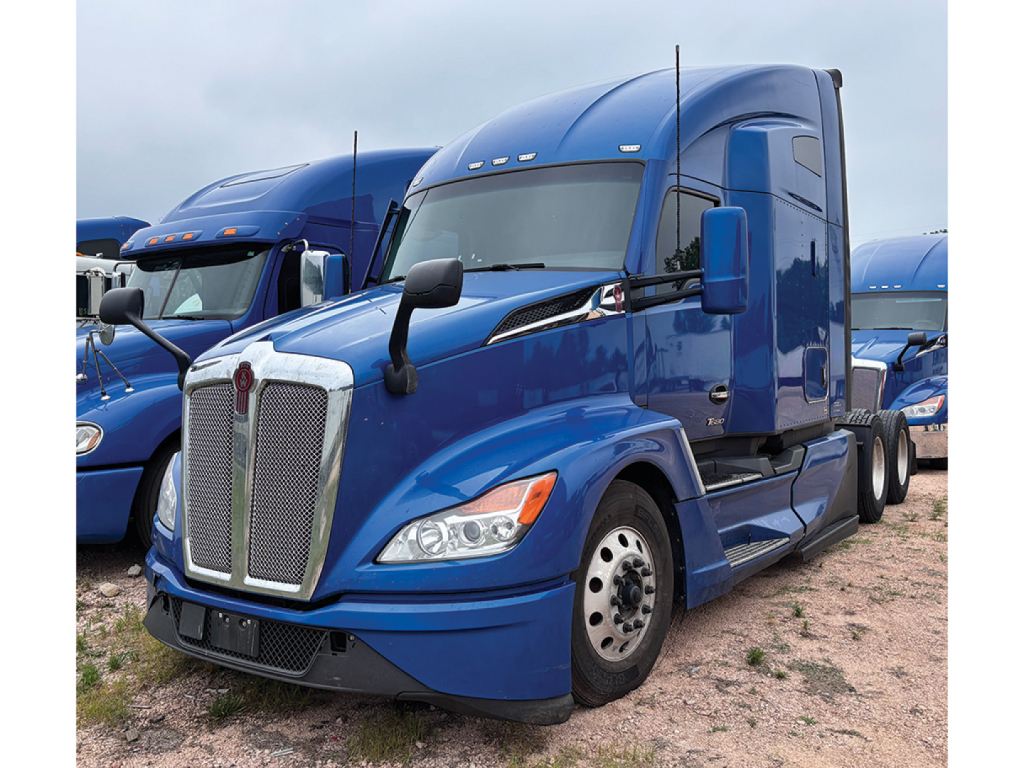
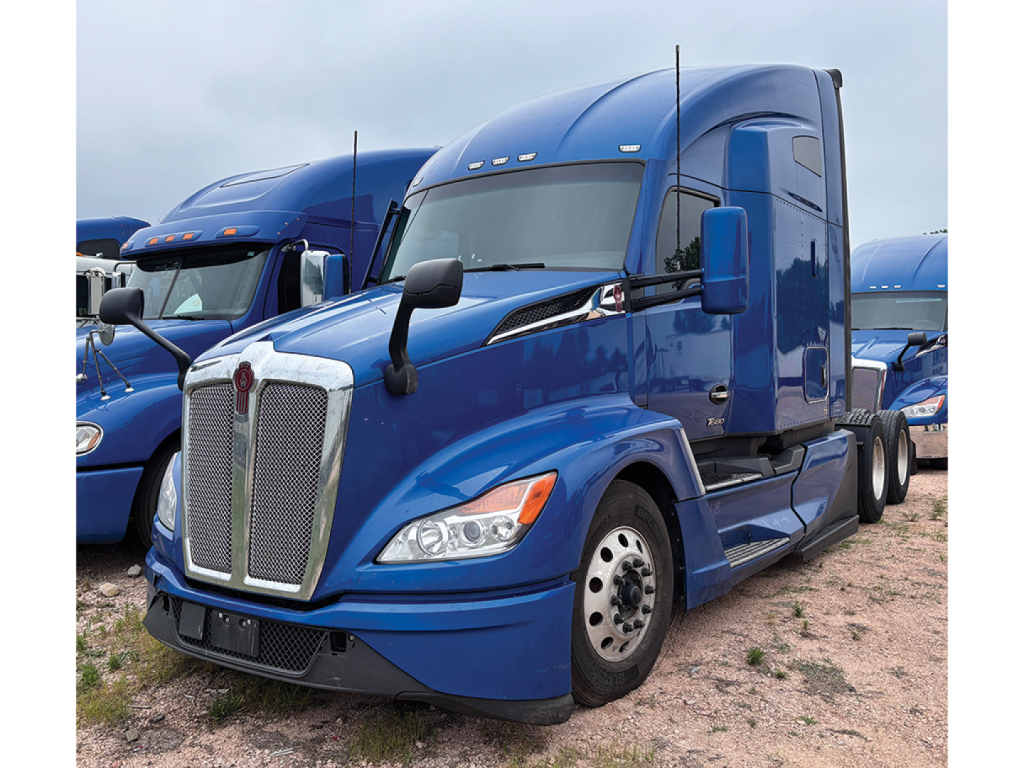
Browse 2023 conventional sleeper trucks for long-haul freight, with modern aerodynamics, sleeper options, and fuel-efficient drivetrains.
Learn more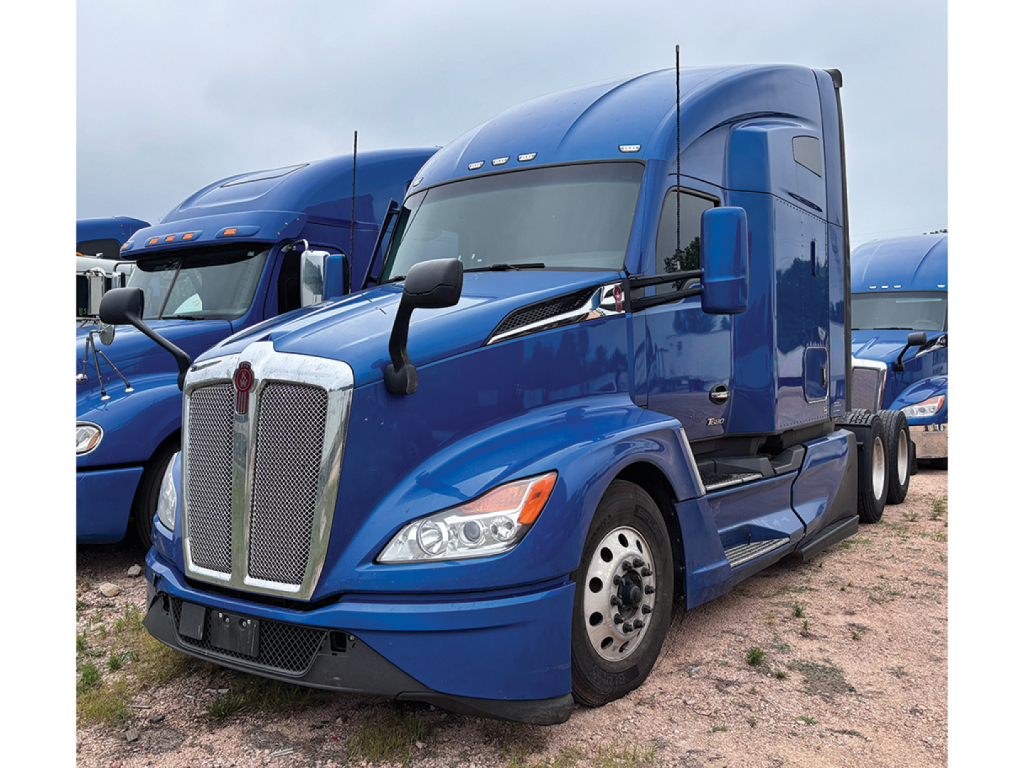
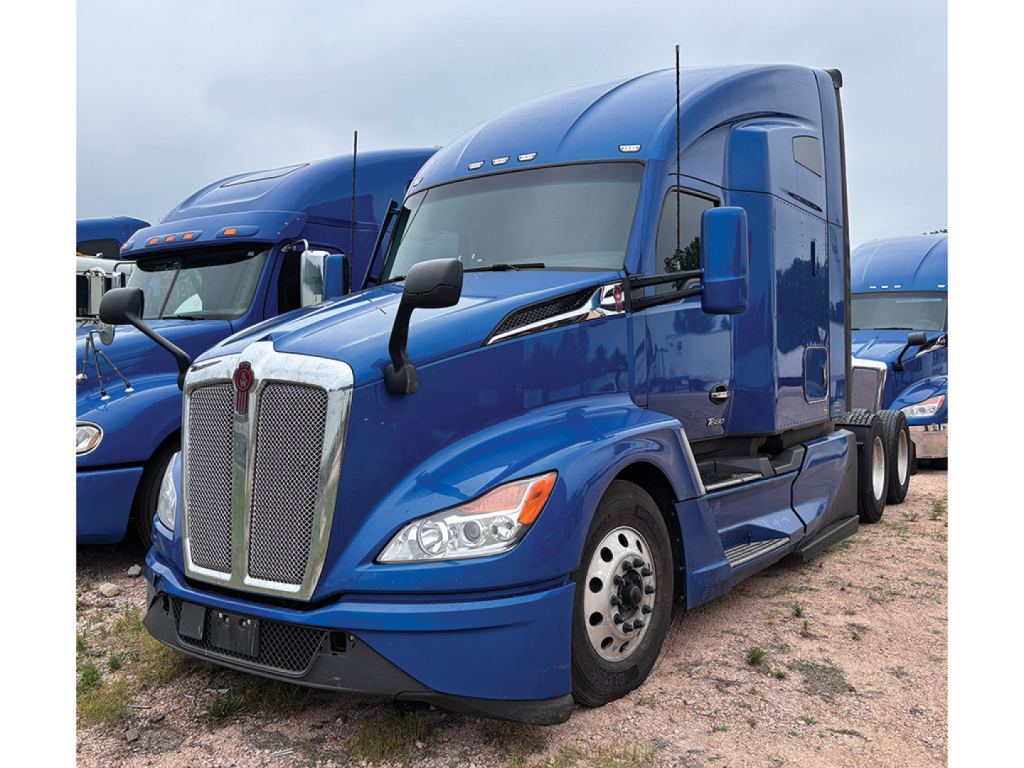
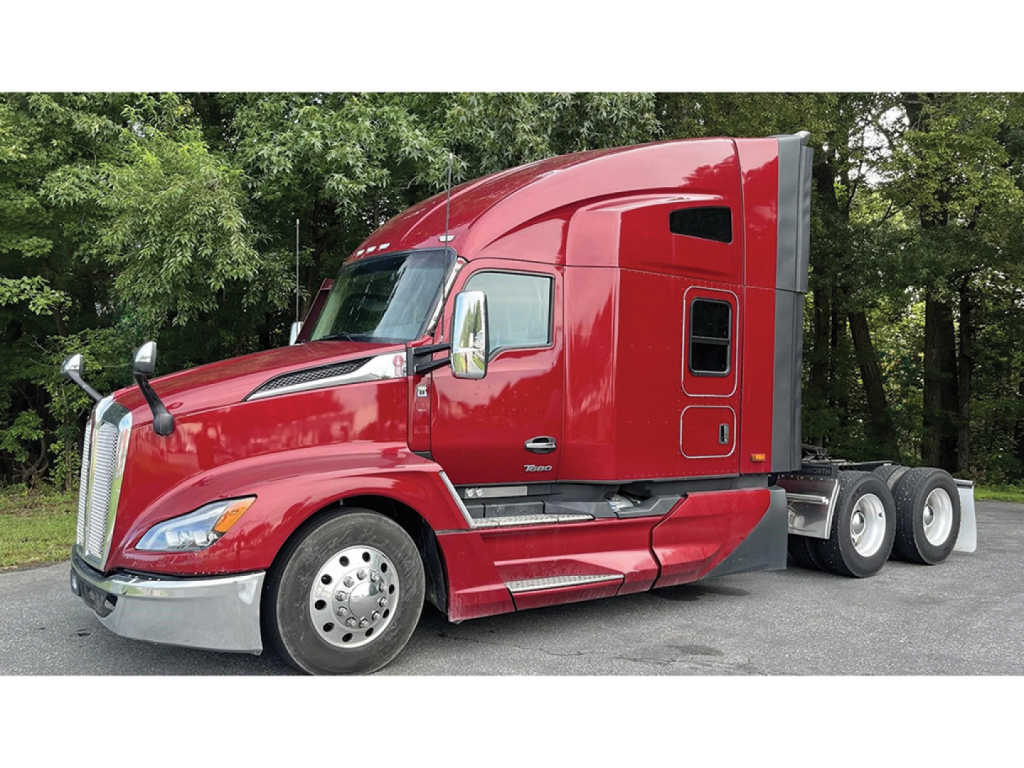

Have 2023 conventional sleeper truck to sell? List it here to reach thousands of buyers.
About 2023 Conventional Sleeper Trucks in North Carolina
Most 2023 conventional sleepers on the market are aerodynamic models with 72-inch to 80-inch sleepers, side fairings, cab extenders, and integrated powertrain controls aimed at reducing operating cost. Common engines include the Detroit DD13 and DD15, Cummins X15, and PACCAR MX series, usually paired with automated manual transmissions in the 12-speed range. Typical highway specs fall around 400 to 500 horsepower, 1,650 to 1,850 lb-ft of torque, 40,000-pound rear axles, air ride suspension, and 2.26 to 2.79 rear axle ratios. For fleets running the Southeast and East Coast, these ratios are popular because they balance startability with lower cruise RPM at highway speed. If the truck will see heavier freight or more mountain work, a buyer may lean toward a higher horsepower and a more aggressive ratio.
Sleeper configuration deserves close attention because two trucks with the same badge can be set up for very different duty cycles. Mid-roof sleepers are often chosen for regional lanes and lighter weight targets, while high-roof sleepers usually offer more interior storage, stand-up room, and a better fit for teams or extended trips. Features that add value in a 2023 model include an APU or bunk heater, optimized idle management, inverter prep, upper bunk, refrigerator space, and driver-assistance systems such as collision mitigation and lane departure alerts. A sliding fifth wheel, full fairing package, aluminum wheels, low rolling resistance tires, and a tire inflation system can also matter depending on the trailer mix and maintenance program.
For a buyer comparing used 2023 conventional sleeper trucks, the smartest approach is to match the spec to the lane before focusing on cosmetic details. Check engine and aftertreatment service history, confirm transmission calibration and clutch data on automated units, review idle hours against road miles, and look for signs of fairing, bumper, or hood damage that may affect aerodynamics. In North Carolina, where trucks often run a mix of interstate, port, and regional freight, a well-specced sleeper tractor needs to be efficient on I-40 and I-95 but still practical around terminals and customer yards. The best truck in this category is not simply the newest or highest horsepower unit. It is the one with the right sleeper size, axle ratio, wheelbase, and maintenance record for the freight it will actually pull.
Frequently Asked Questions
What is a conventional sleeper truck?
A conventional sleeper truck is a highway tractor with a hooded engine layout and a built-in sleeper compartment behind the cab. It is designed for long-haul or multi-day routes where the driver needs a bunk and basic living space between shifts. Compared with a day cab, a sleeper tractor adds weight and length but gives much better suitability for over-the-road freight.
What engine and transmission specs are common in 2023 conventional sleeper trucks?
Most 2023 conventional sleepers are equipped with diesel engines in the 13-liter to 15-liter range, typically rated from about 400 to 500 horsepower. Common pairings include Detroit, Cummins, and PACCAR engines with automated manual transmissions such as 12-speed direct-drive or overdrive units. Many are set up with fuel-economy axle ratios for highway use, especially in general dry van and refrigerated service.
Is a mid-roof or high-roof sleeper better for long-haul work?
A high-roof sleeper is usually the better choice for true long-haul work because it offers more stand-up room, storage, and comfort over extended trips. A mid-roof sleeper can still perform well in over-the-road service, but it is often preferred for regional operations, weight-conscious applications, or fleets that want a lower overall profile. The right choice depends on trip length, driver expectations, and how much living space is actually needed.
What should I inspect on a used 2023 conventional sleeper truck?
Focus on maintenance and operating history before appearance. Review engine diagnostics, aftertreatment service records, idle hours, tire wear patterns, transmission data, and any evidence of collision repair around the hood, bumper, fairings, and cab extenders. It is also important to confirm axle ratio, wheelbase, and fifth wheel setup so the tractor matches the trailers and freight you plan to run.
Why do rear axle ratio and wheelbase matter on a sleeper tractor?
Rear axle ratio affects cruise RPM, fuel economy, gradeability, and startability under load. Wheelbase affects trailer swing clearance, ride quality, bridge law flexibility, and how easily the truck maneuvers in tight yards or urban docks. A buyer who ignores those two specs can end up with a truck that looks right on paper but performs poorly in the actual lane it is assigned to.