
2022 Conventional Sleeper Trucks For Sale in Pennsylvania
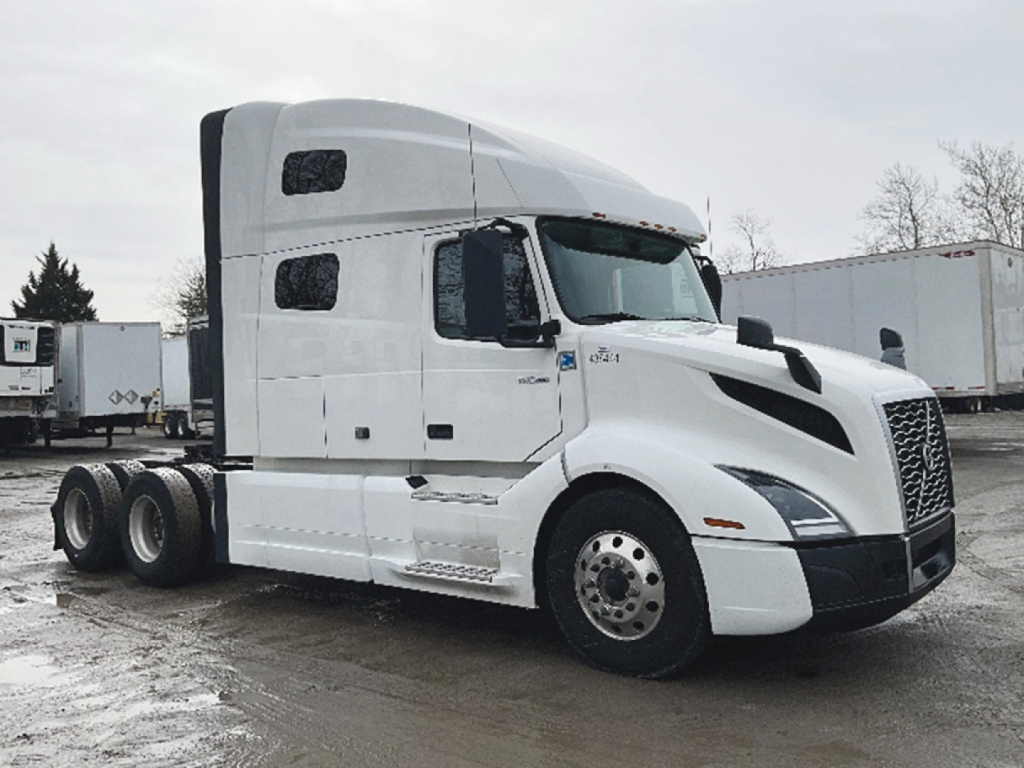
Shop 2022 conventional sleeper trucks in Pennsylvania. Compare raised-roof sleepers, DD15 and X15 power, axle ratios, and highway specs.
Learn more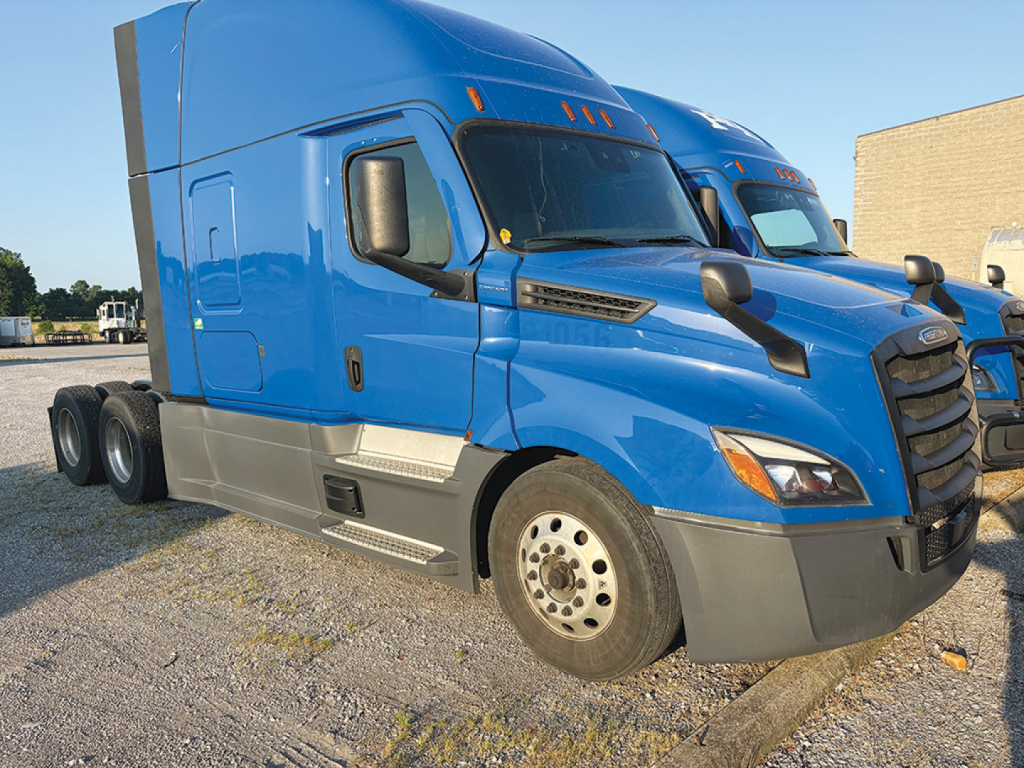
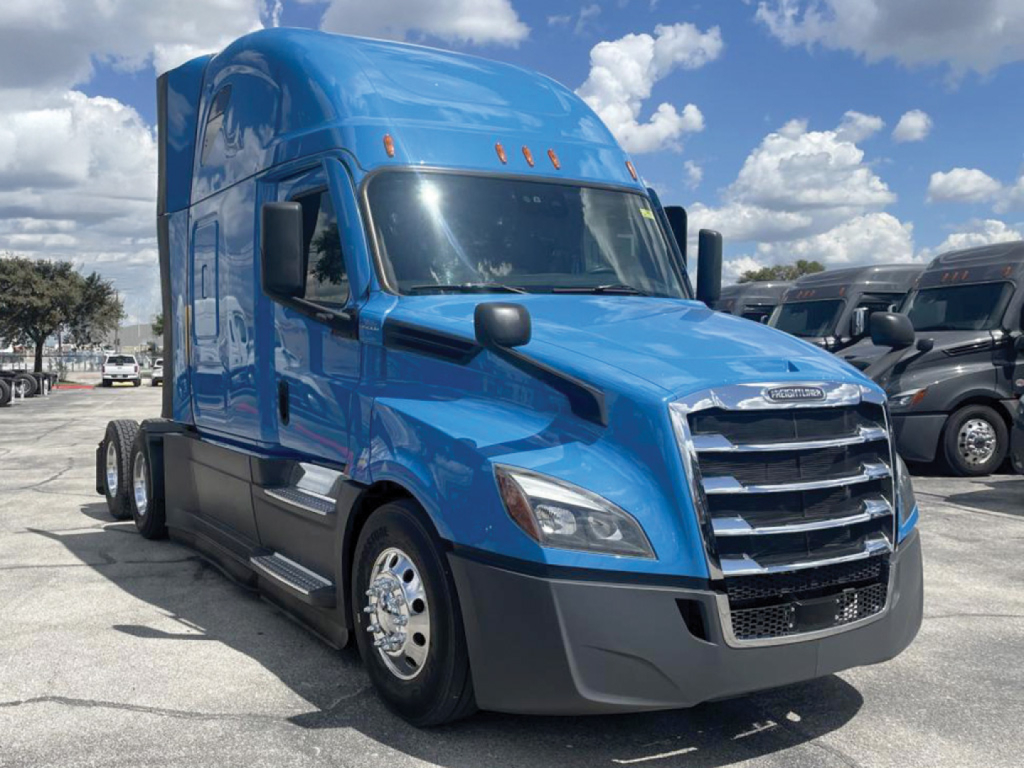
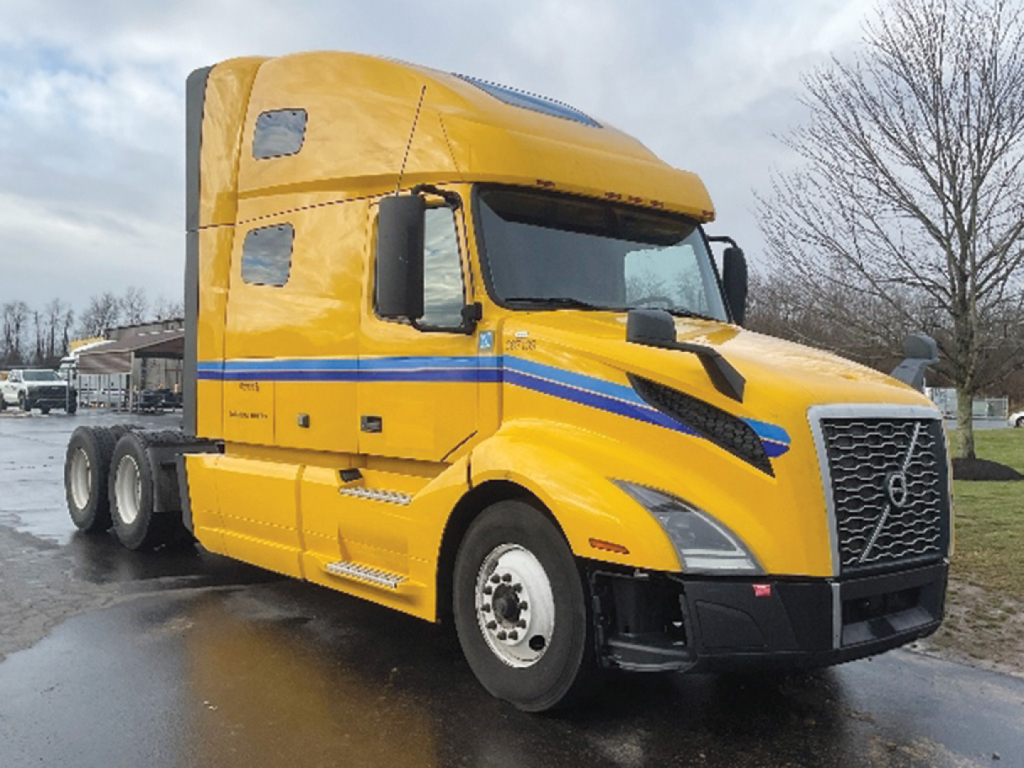

Have 2022 conventional sleeper truck to sell? List it here to reach thousands of buyers.
About 2022 Conventional Sleeper Trucks in Pennsylvania
The key spec decisions usually start with engine, transmission, and rear axle ratio. In 2022 conventional sleepers, the most common engines are the Detroit DD15 and Cummins X15, generally rated around 400 to 455 horsepower for linehaul service. Automated transmissions such as the DT12 and Eaton Endurant are common because they help with fuel economy, simplify driver onboarding, and reduce clutch-related wear. A 40,000 lb rear axle setup with air ride suspension is typical, and axle ratios like 2.64, 2.79, or 3.08 are often chosen for highway speed and fuel mileage. Buyers should match the ratio to the freight profile, terrain, and cruise speed. A taller ratio may improve fuel burn on flatter lanes, while a deeper ratio can help in hill country or heavier applications.
Sleeper configuration matters more than many first-time buyers expect. A 72 inch or 73 inch raised-roof sleeper generally provides enough room for a proper bunk, storage, and stand-up access, which can make a real difference in driver retention. Double-bunk layouts are useful for team operations, while a premium interior, bunk heater, refrigerator prep, inverter, and extra cabinet space can add value for long-haul use. Safety and convenience features became more common by 2022, including collision mitigation systems, adaptive cruise functions, disc brakes on some specs, air slide fifth wheels, and tilt-telescoping steering columns. Buyers comparing listings should also pay attention to wheelbase, fuel capacity, tire spec, and whether the truck has side fairings, cab extenders, and other aerodynamic equipment that support highway efficiency.
For used 2022 conventional sleeper trucks, condition and prior application are just as important as the badge on the hood. Review engine hours against odometer miles, confirm service history, and look closely at aftertreatment performance, transmission calibration history, brake wear, and suspension condition. Check for signs of heavy idle time, uneven tire wear, collision repairs, and fifth wheel or frame wear that may indicate harder service than a typical highway tractor sees. If the truck will run Pennsylvania and surrounding states year-round, corrosion on frame components, crossmembers, airlines, and electrical connections deserves extra attention. A well-spec'd 2022 sleeper can still offer modern emissions performance, strong driver amenities, and efficient long-haul capability, but the best choice is the one whose powertrain, sleeper size, and axle setup match the lanes it will actually run.
Frequently Asked Questions
What is the typical sleeper size on a 2022 conventional sleeper truck?
Most 2022 conventional sleeper trucks are equipped with raised-roof sleepers in the 70 to 73 inch range. That size is common because it gives drivers enough space for a full bunk, overhead storage, and better stand-up room without moving into a larger specialty sleeper configuration. For long-haul and team applications, a double-bunk setup is often preferred, while solo operators may prioritize cabinet space, refrigerator prep, or a bunk heater instead.
Which engines are most common in 2022 conventional sleeper trucks?
The Detroit DD15 and Cummins X15 are two of the most common engines in this category. In 2022 highway sleeper specs, these engines are often set between 400 and 455 horsepower, which is a practical range for general freight, dry van, refrigerated, and many dedicated routes. Buyers should look beyond horsepower alone and review torque rating, emissions service history, idle hours, and how the engine is paired with the transmission and axle ratio.
Why does rear axle ratio matter on a conventional sleeper?
Rear axle ratio has a direct effect on cruise RPM, gradeability, launch feel, and fuel economy. Ratios such as 2.64 or 3.08 are common on fuel-focused highway tractors, especially when paired with automated manual transmissions and downsped engine calibrations. A truck running lighter freight on flatter interstate lanes may benefit from a taller ratio, while heavier loads, mountain work, or frequent stop-and-go service may call for a deeper ratio that keeps the truck more responsive.
Are automated transmissions standard on 2022 sleeper tractors?
Automated manual transmissions are extremely common in 2022 conventional sleeper trucks and are often the preferred spec for fleet and owner-operator highway use. They help standardize shifting, reduce driver fatigue, and can improve fuel economy when matched with the correct axle ratio and engine programming. They also make it easier to hire across a broader driver pool compared with a manual-only spec, which is an important consideration for many operations.
What should a buyer inspect first on a used 2022 conventional sleeper truck?
Start with maintenance records, engine hours, fault code history, and any documentation related to emissions and aftertreatment repairs. Then inspect tires, brakes, suspension, frame condition, fifth wheel wear, and signs of corrosion or accident repair. On a sleeper tractor, it is also smart to verify bunk HVAC operation, seals, storage condition, and any driver comfort equipment that may affect resale and retention. A clean highway spec with documented service history is usually a better indicator of long-term value than appearance alone.