
2022 Freightliner Conventional Sleeper Trucks For Sale in Pennsylvania
Shop 2022 Freightliner conventional sleeper trucks in Pennsylvania. Compare Cascadia sleeper specs, powertrains, roof heights, and fleet features.
Learn more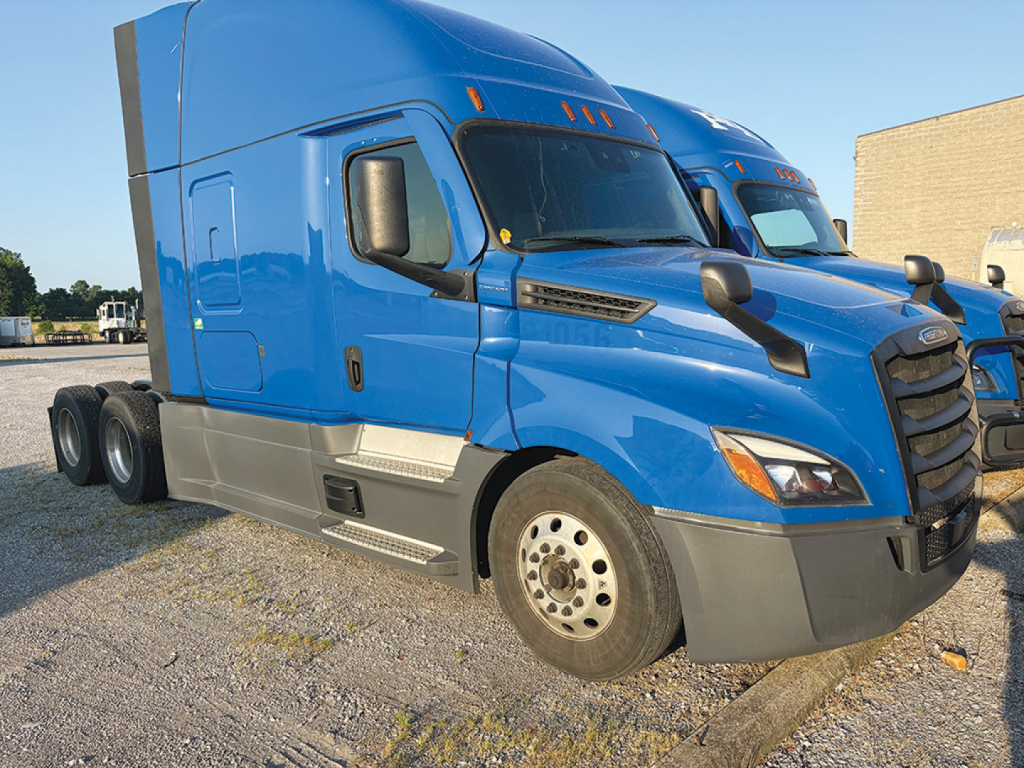
Have 2022 freightliner conventional sleeper truck to sell? List it here to reach thousands of buyers.
About 2022 Freightliner Conventional Sleeper Trucks in Pennsylvania
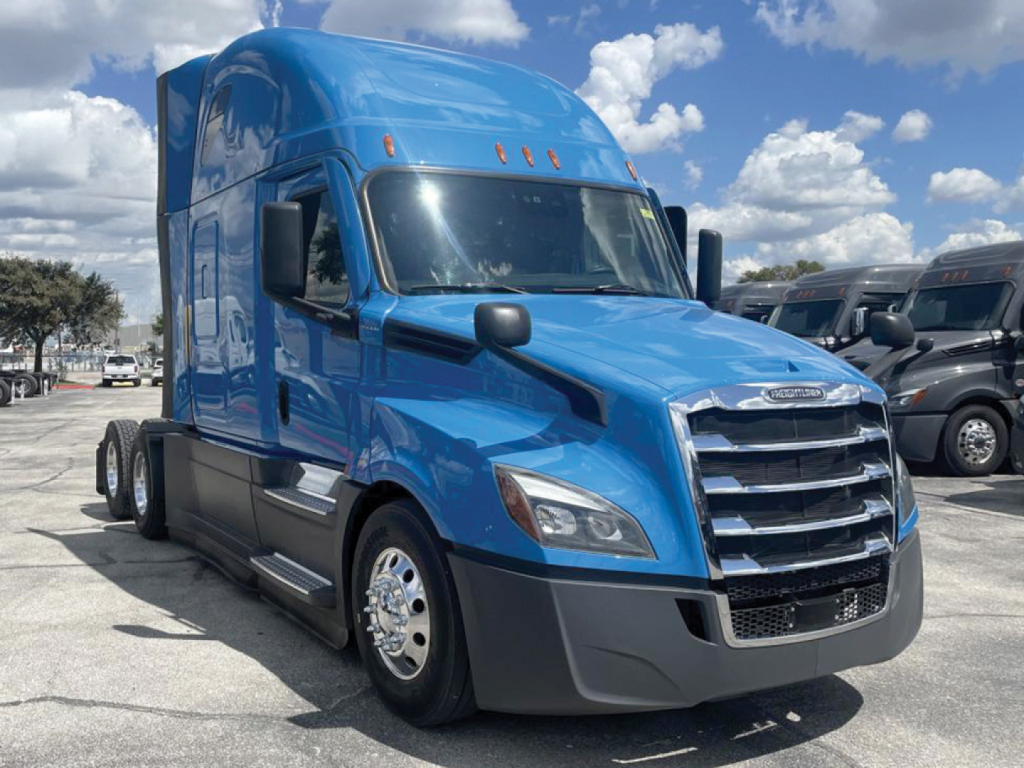
The sleeper itself is a major decision point. Raised-roof sleepers in the 72-inch range are common on Freightliner conventional sleeper trucks because they give a driver full standing room, better storage, and enough space for upper bunk, refrigerator, and bunk heater options. Buyers comparing 2022 Freightliner sleeper trucks should pay attention to roof height, wheelbase, tank capacity, and fifth wheel setup, especially if the truck will be assigned to dedicated lanes with frequent trailer swaps. An air slide fifth wheel adds flexibility for kingpin settings and axle bridge compliance, while shorter wheelbases can help in tighter yards and urban delivery points. For Pennsylvania operators running mixed freight, that balance between maneuverability and ride quality is often more important than chasing the longest wheelbase available.
Powertrain spec is where a good 2022 Freightliner sleeper earns its keep. Many trucks in this class are built with 450 hp to 505 hp engines, engine brakes, automated manuals, and fuel-saving axle ratios. A low numerical ratio like 2.28 can be excellent for highway fuel economy when matched correctly to tire size and transmission gearing, but buyers should confirm it fits the loads, terrain, and average cruise speed they expect. Regional mountain work through western Pennsylvania and surrounding states may call for a different balance than flat interstate lanes. It is also smart to review rear axle rating, suspension type, brake spec, and tire configuration, since those details affect uptime and operating cost just as much as horsepower does.
Freightliner conventional sleepers remain popular because parts support is broad, service networks are strong, and most technicians are familiar with the platform. On a 2022 truck, buyers should look beyond mileage and focus on maintenance history, idle hours, aftertreatment performance, collision mitigation calibration, and cab condition. Interior wear in the bunk area, climate control operation, and signs of air leaks or uneven tire wear can tell you a lot about how the truck was run. For fleets and owner-operators alike, a well-specced 2022 Freightliner Cascadia sleeper can be a practical choice for long-haul efficiency, driver comfort, and predictable maintenance planning.
Frequently Asked Questions
What engine and transmission are most common in a 2022 Freightliner conventional sleeper truck?
The most common setup in a 2022 Freightliner conventional sleeper is a Detroit DD15 paired with a DT12 automated manual transmission. That combination is popular because it balances fuel economy, highway drivability, and wide service support. In this category, buyers will often see horsepower ratings around 450 hp with an engine brake and tandem rear axles rated at 40,000 lbs, which fits many over-the-road and regional hauling applications.
Is a 72-inch raised-roof sleeper the right choice for long-haul work?
A 72-inch raised-roof sleeper is one of the most common and practical specs for long-haul freight because it provides standing room, more storage, and better driver comfort over multiple nights on the road. It also leaves room for features like an upper bunk, refrigerator, bunk heater, and expanded cabinet space. For teams or drivers who stay out longer, that extra interior space can make a real difference in comfort and retention.
What should I check on a used 2022 Freightliner Cascadia sleeper before buying?
Start with maintenance records, engine hours, idle time, and any fault history related to aftertreatment or emissions components. Then review tire wear, brake condition, suspension performance, and signs of air system leaks. On a 2022 Cascadia, it is also worth confirming that driver-assist systems such as collision mitigation are functioning properly and that the sleeper HVAC, bunk heater, and electrical accessories operate as intended. A clean service history is usually more important than a single headline spec.
How does rear axle ratio affect a 2022 Freightliner sleeper truck?
Rear axle ratio has a direct effect on cruise rpm, fuel economy, startability, and grade performance. A lower numerical ratio such as 2.28 is typically chosen for downsped highway operation and can reduce fuel consumption on steady interstate lanes. The tradeoff is that the truck needs the right transmission gearing, tire size, and duty cycle to perform well under load. Buyers hauling heavier freight or running more hills may prefer a different ratio that keeps the engine in a stronger operating range.
Why are Freightliner conventional sleeper trucks popular in Pennsylvania fleets?
Freightliner sleeper trucks are popular in Pennsylvania because they fit a wide range of freight operations, from regional Northeast routes to full over-the-road lanes. The Cascadia platform is known for strong dealer and parts support, good fuel efficiency, and driver-friendly cab design. That matters in a state where trucks may see interstates, rolling terrain, tighter industrial areas, and seasonal weather changes, all of which reward a dependable and easy-to-service sleeper tractor.