
2020 Conventional Sleeper Trucks For Sale in Georgia
Browse 2020 conventional sleeper trucks in Georgia. Compare roof height, powertrain, wheelbase, sleeper size, and highway-spec features.
Learn more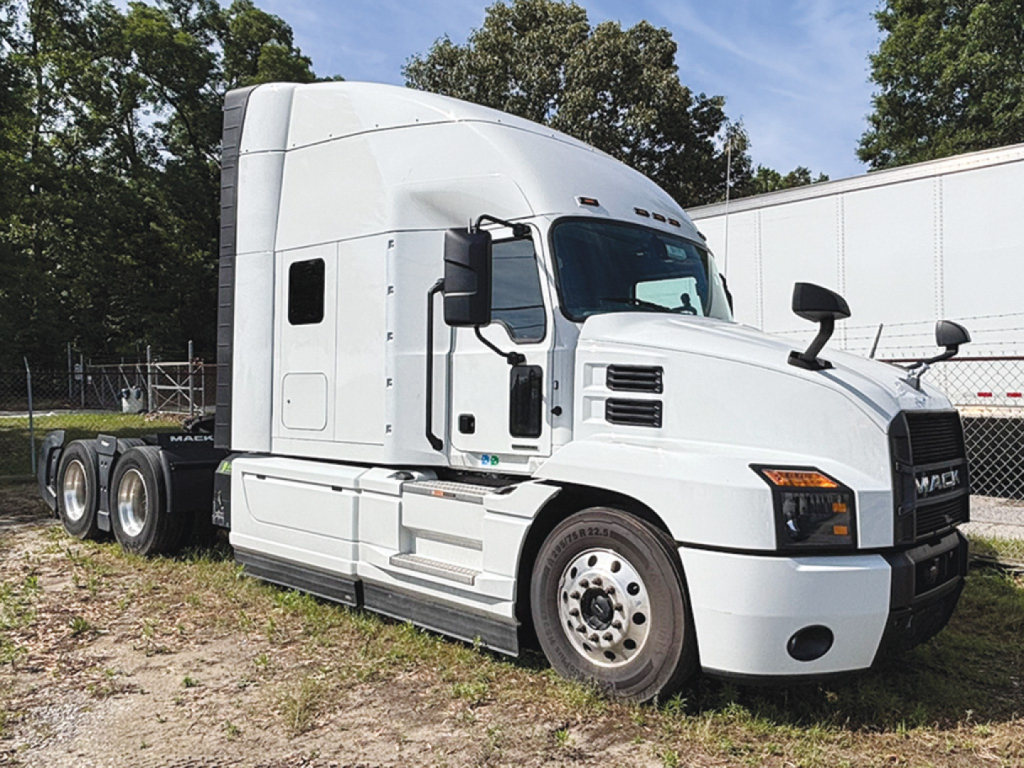
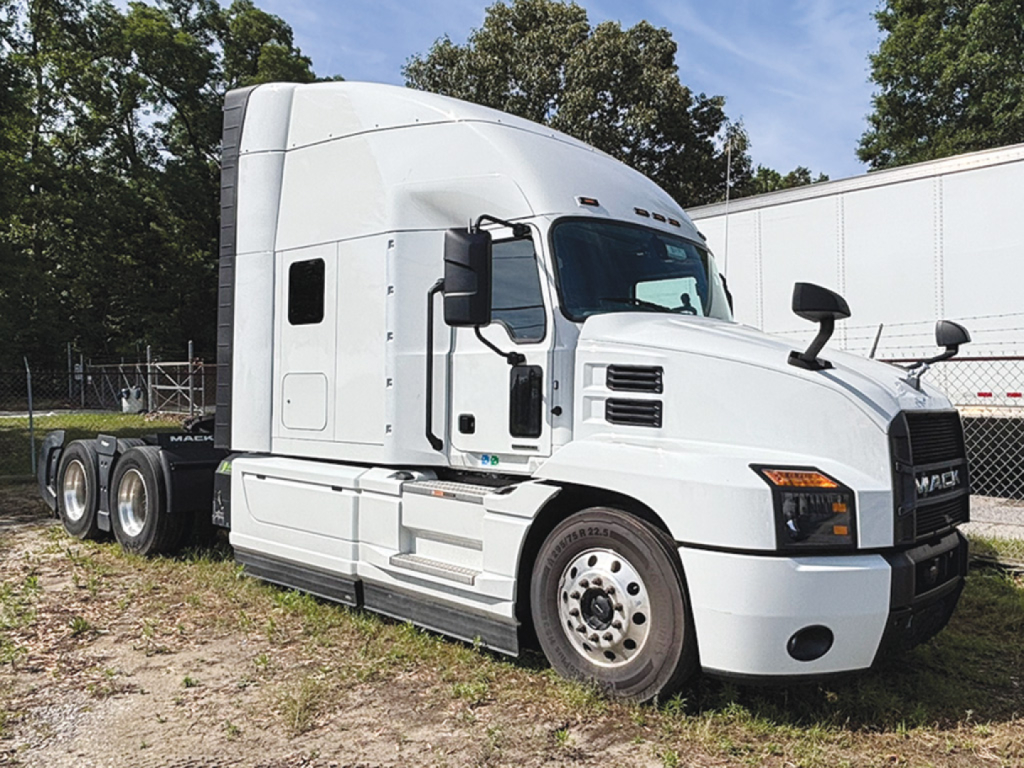
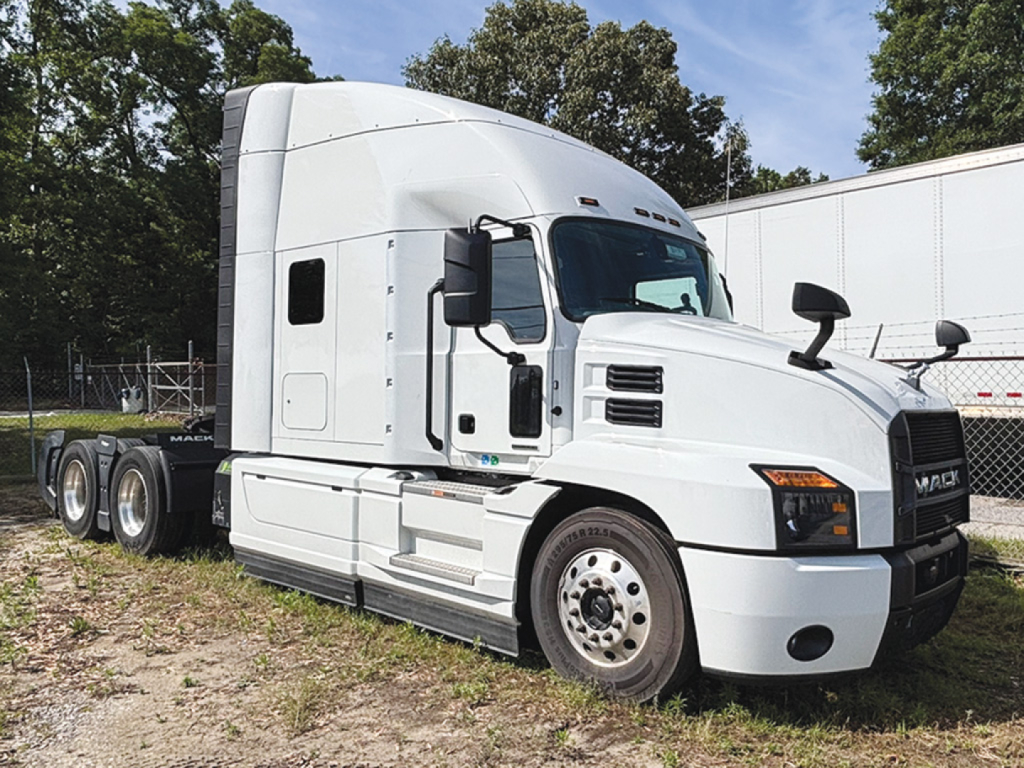
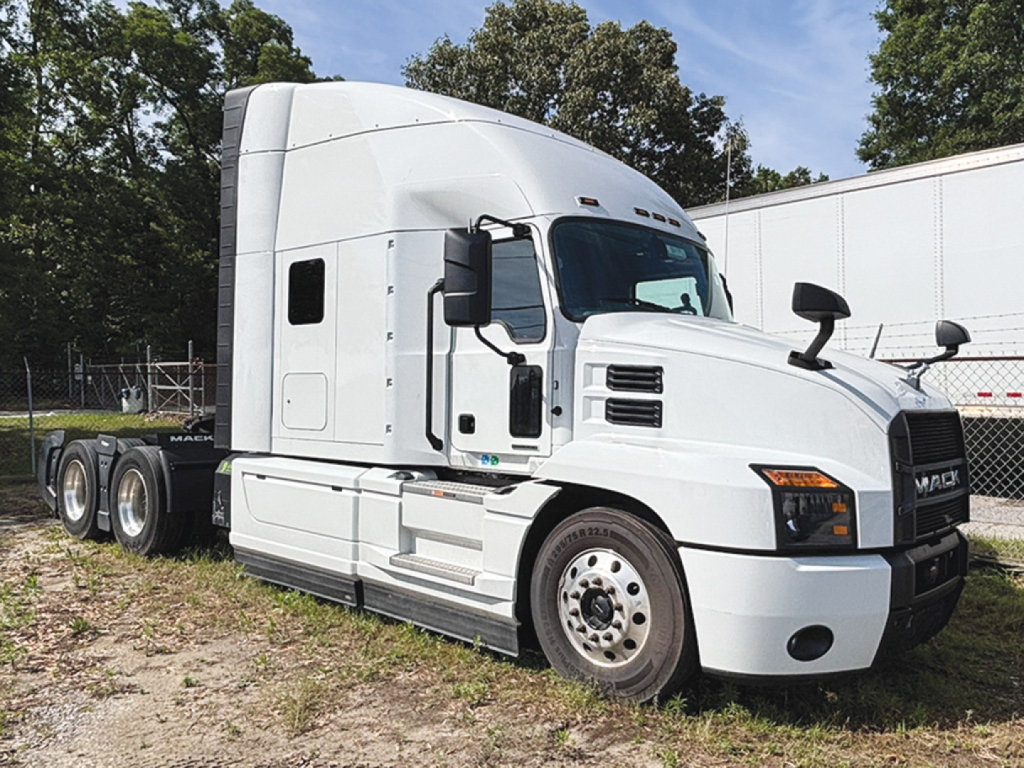
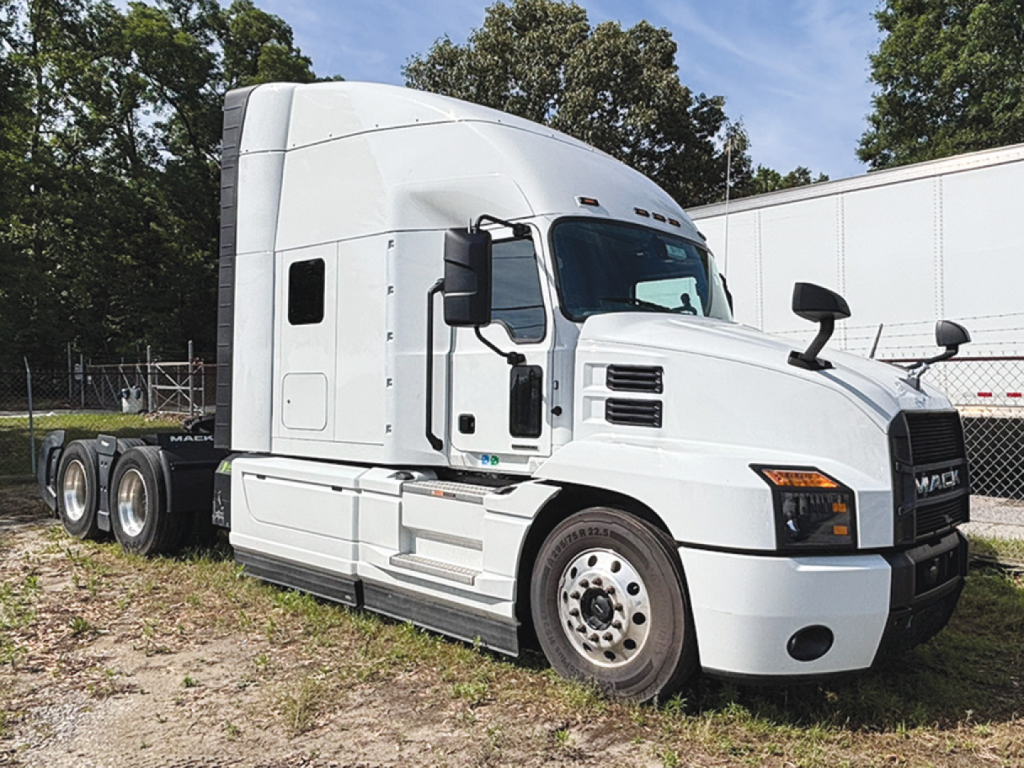
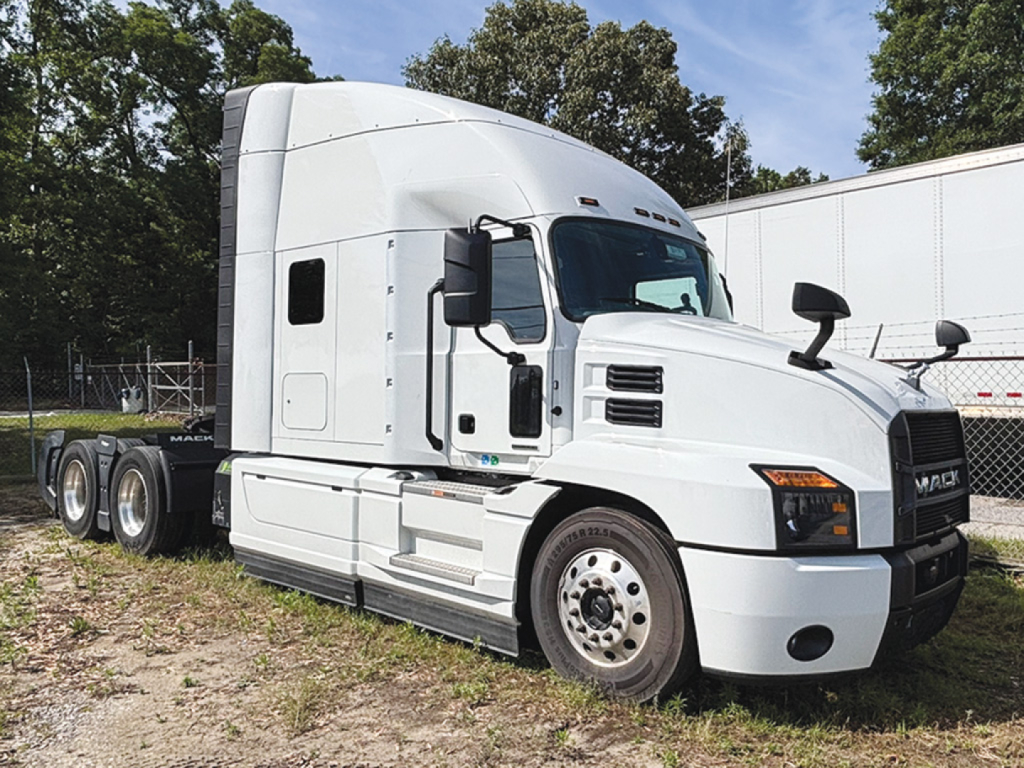
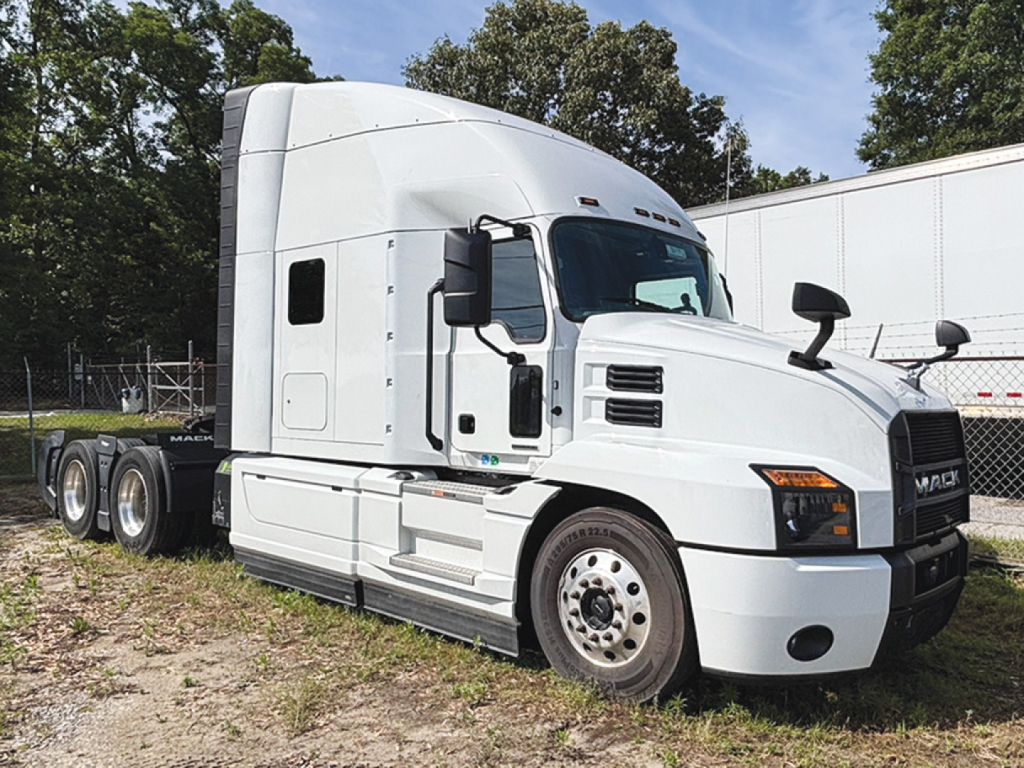
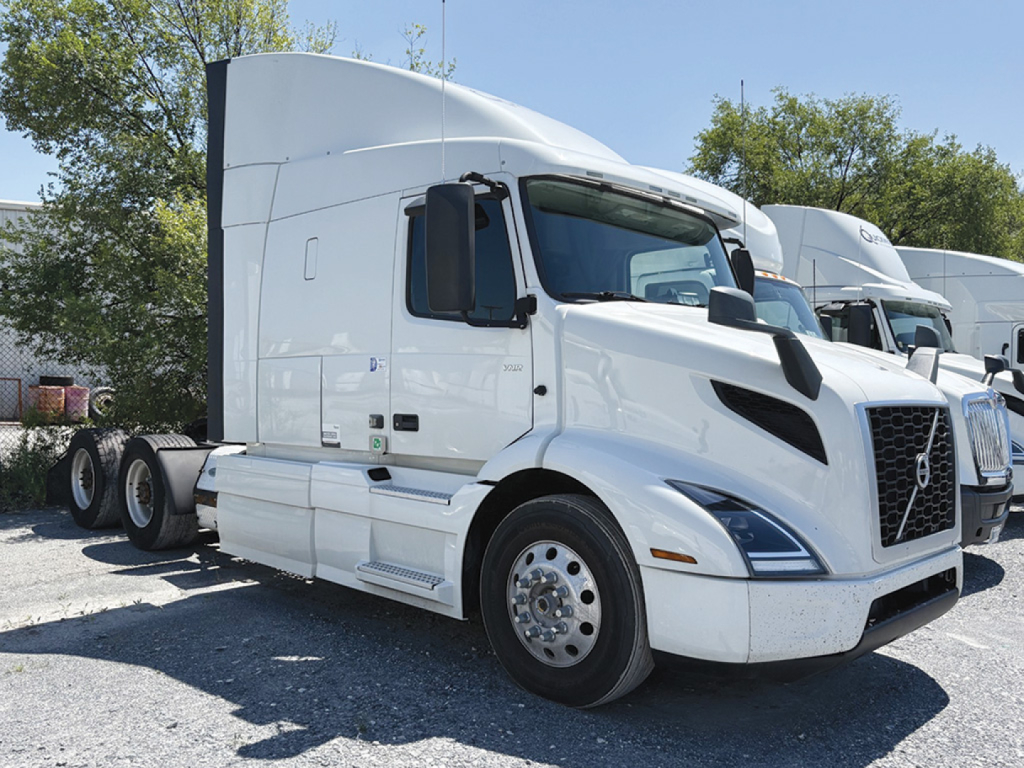
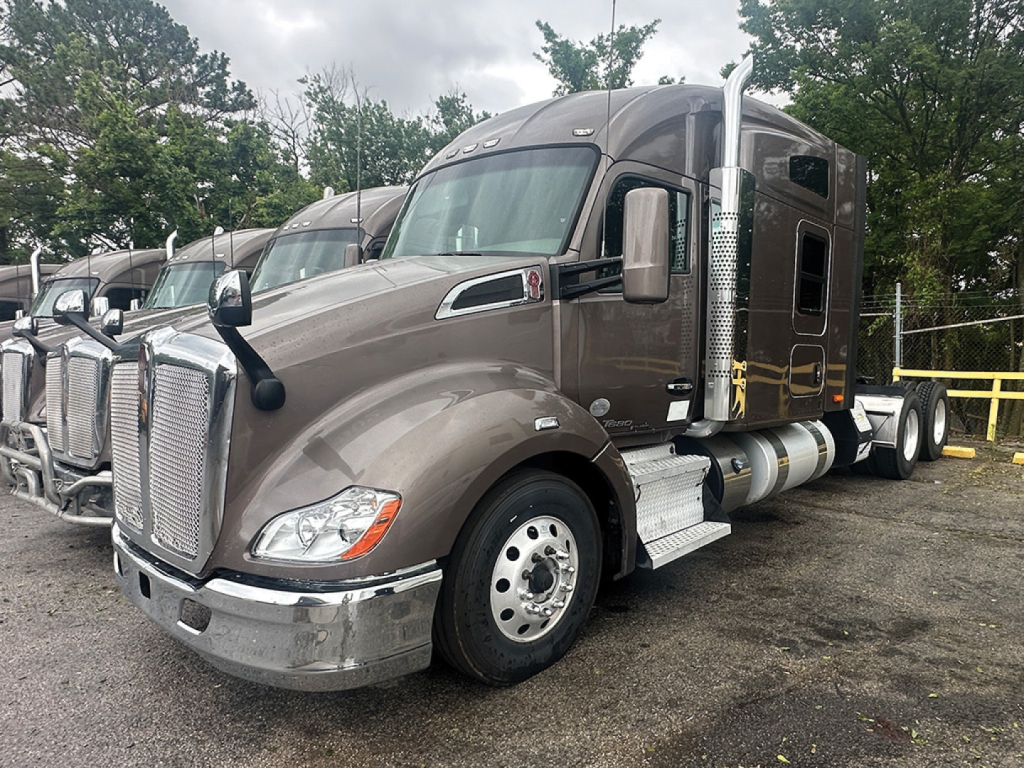
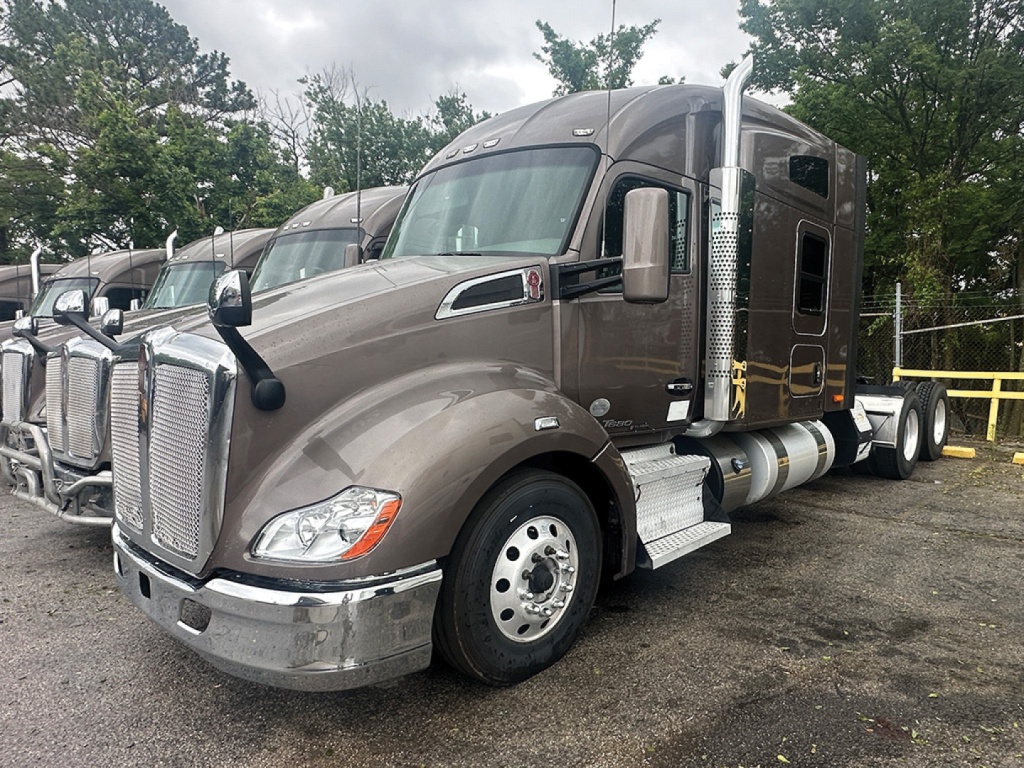
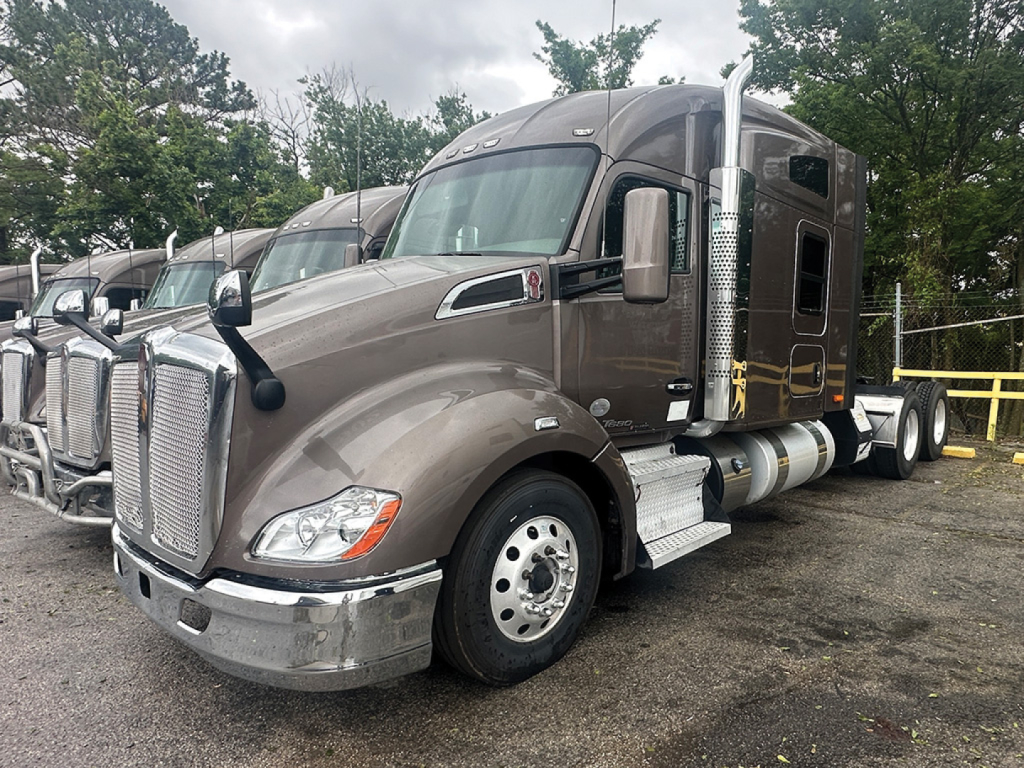

Showing 1 to 12 of 13 results
Have 2020 conventional sleeper truck to sell? List it here to reach thousands of buyers.
About 2020 Conventional Sleeper Trucks in Georgia
The key buying decision is the powertrain. A typical 2020 sleeper in this category will carry a 400 to 455 horsepower diesel with torque in the 1,450 to 1,850 lb-ft range, backed by an automated manual transmission such as a DT12, I-Shift, Endurant, or Ultrashift. Rear axle ratios often land around 2.28 to 3.08 depending on the intended cruise speed, terrain, and fuel economy target. For Georgia fleets and owner-operators running the Southeast, that spec can make a real difference in drivability on rolling grades and in stop-and-go freight lanes around Atlanta, Savannah, Macon, and I-75 corridors. Wheelbases commonly fall in the 220 to 230 inch range, and most highway units ride on air suspension with 40,000 lb rears and 22.5 low-profile tires.
Sleeper configuration matters as much as engine choice. A 2020 conventional sleeper may have a 60-inch to 80-inch bunk, with raised-roof layouts offering better stand-up room, upper bunks, workstation options, and space for a refrigerator or storage cabinets. Buyers should pay attention to HVAC performance, bunk heaters, APU prep or installed APUs, inverter setup, and interior condition, especially on trucks that spent long stretches on the road. Safety and driver-assist content became more common by 2020, so collision mitigation, lane departure warning, disc brakes, and integrated telematics may show up depending on the original fleet spec.
A good 2020 conventional sleeper truck should be matched to the freight before it is matched to the price. Check engine brake rating, fifth wheel travel, fuel capacity, fairing condition, and maintenance history alongside emissions system service records. Look closely at the DPF, DEF, and aftertreatment history, and verify software campaigns, clutch life on automated manuals, and suspension wear. For buyers comparing many listings, the best value usually comes from a truck with the right axle ratio, sleeper size, and maintenance profile for its intended lanes, not just the newest paint or highest trim level.
Frequently Asked Questions
What is a conventional sleeper truck?
A conventional sleeper truck is a Class 8 highway tractor with a hooded front end and a built-in sleeper compartment behind the cab. It is designed for regional and long-haul work where the driver may spend nights in the truck. Compared with a day cab, it adds bunk space, storage, and often larger fuel capacity, making it the standard choice for over-the-road van, reefer, and general freight applications.
What engine and transmission specs are common in a 2020 conventional sleeper?
Most 2020 conventional sleepers are equipped with diesel engines in the 11- to 15-liter range, commonly rated from 400 to 455 horsepower. Torque output often falls between 1,450 and 1,850 lb-ft. Automated manual transmissions are very common in this model year, including Detroit DT12, Volvo I-Shift, Eaton Endurant, and Ultrashift variants. These specs are aimed at balancing highway fuel economy, easy driver onboarding, and dependable performance with loaded trailers.
What should buyers inspect first on a used 2020 sleeper truck?
Start with maintenance history, engine hours, odometer reading, and aftertreatment service records. A 2020 truck is old enough for DPF cleaning history, DEF system repairs, and software updates to matter. After that, inspect clutch data on automated transmissions, tire wear patterns, brake condition, suspension components, fifth wheel operation, and signs of fairing or cab damage. Interior wear in the bunk area can also reveal how the truck was used and how hard it was run.
Is a 2020 conventional sleeper a good choice for Southeast regional freight?
Yes, a 2020 conventional sleeper can be a very practical spec for Southeast lanes because it combines modern aerodynamics, driver comfort, and current safety technology with manageable acquisition cost. For freight moving through Georgia and surrounding states, buyers often benefit from moderate horsepower, an efficient rear axle ratio, and a raised-roof sleeper with enough storage for multi-day runs. The right setup depends on trailer weight, average trip length, and how much time the truck will spend in urban traffic versus open interstate miles.
How do I choose the right sleeper size and wheelbase?
Sleeper size should match route length and driver needs. A 60-inch sleeper may work for shorter regional runs, while a 70-inch to 80-inch raised-roof sleeper is better for teams, long-haul lanes, or drivers who need more storage and stand-up room. Wheelbase affects ride quality, trailer gap, turning radius, and weight distribution. Many highway tractors in this category fall around 220 to 230 inches, which is a common balance for aerodynamic operation with a 53-foot trailer.