
Western Star Conventional Daycab Trucks For Sale
Browse Western Star conventional daycab trucks built for vocational hauling, regional work, and heavy-duty performance.
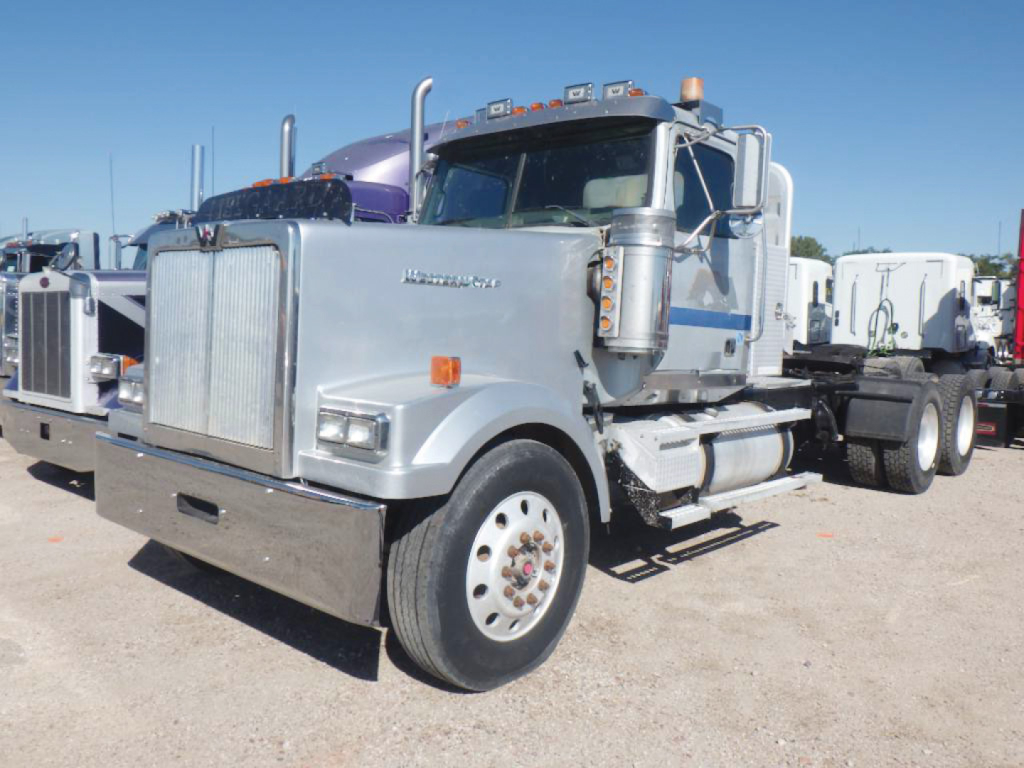
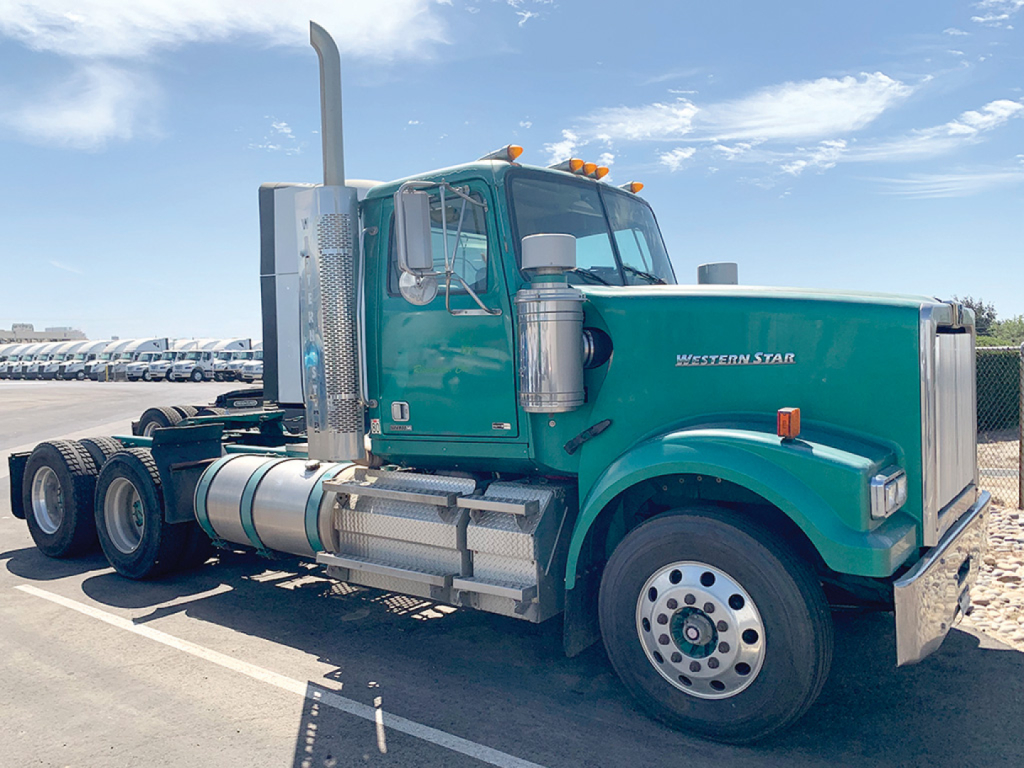
Selling a western star conventional daycab truck? List your western star conventional daycab truck for sale and reach thousands of commercial buyers.
Western Star Conventional Daycab Trucks
A lot of the buying decision comes down to how the truck was originally spec'd. Common considerations include front axle capacity, suspension type, wheelbase, cab-to-axle dimension, rear axle ratio, and whether the truck is set up for a fifth wheel, wet kit, PTO-driven equipment, or a vocational body. Engine and transmission combinations vary widely, but many buyers look for proven heavy-duty diesel platforms paired with automated or manual transmissions depending on route profile and driver preference. If maneuverability is critical for city or plant work, wheelbase and steering cut deserve close attention. If the truck will see off-road or construction service, frame reinforcement, ride height, and traction specs matter more than appearance.
Western Star conventional daycabs, including popular severe-service platforms like the 4900, are often chosen by fleets that prioritize longevity and rebuildability. These trucks are commonly spec'd with heavier components than a typical fleet highway tractor, which can be a real advantage in applications that involve high gross weights, rough job sites, or frequent PTO use. Buyers should pay attention to axle ratings, locking differentials, tire size, brake configuration, and any evidence of prior body or equipment installation. A daycab that spent its life on highway runs may have a very different wear pattern than one used in dump, logging, oilfield, or lowboy service.
Cab condition and driver environment still matter, even in a work-focused truck. Check visibility, seat condition, switch layout, HVAC performance, and ease of entry if the truck will be making frequent stops. Service history is especially important on a Western Star because these trucks are often worked hard but designed to stay productive for a long time when maintained correctly. For many buyers, the right Western Star conventional daycab is less about model year alone and more about matching the chassis, driveline, and vocational spec to the job.
Frequently Asked Questions about Western Star Conventional Daycab Trucks
What are Western Star conventional daycab trucks typically used for?
Western Star conventional daycab trucks are commonly used for regional hauling, heavy haul, dump work, tanker service, logging, construction support, and other vocational applications. A daycab eliminates the sleeper, which reduces weight and shortens the overall truck, making it a practical choice for jobs that return to base daily or require better maneuverability in tight spaces.
What should I look for when buying a Western Star daycab?
Start with the truck's original spec and intended application. Key items include axle ratings, wheelbase, suspension, frame strength, rear axle ratio, transmission type, PTO or wet kit setup, and whether the truck was built for highway or severe-duty use. Maintenance records, signs of frame modifications, driveline wear, and evidence of hard vocational service are also important because these trucks are often used in demanding environments.
Is a Western Star 4900 a good fit for heavy-duty work?
Yes. The Western Star 4900 is widely recognized as a strong platform for severe-duty and heavy-haul applications because it is commonly built with robust frame options, heavy front axles, and vocational-ready chassis components. The exact capability depends on how the truck was spec'd, so buyers should verify axle capacities, suspension ratings, engine and transmission setup, and any installed equipment.
Are Western Star daycabs better for vocational work than highway use?
They are often associated with vocational work because Western Star has a strong reputation in severe-service applications, but many conventional daycabs are also spec'd for regional highway duty. The better choice depends on the chassis configuration. A lighter highway-oriented spec may suit freight and tanker operations, while a heavier vocational spec is better for construction, off-road access, and high-GCW applications.
Why does wheelbase matter on a conventional daycab truck?
Wheelbase affects turning radius, bridge law compliance, ride quality, body compatibility, and how the truck handles its intended load. A shorter wheelbase is generally easier to maneuver in urban and jobsite conditions, while a longer wheelbase may be preferred for stability, heavier components, or specific body and fifth wheel placements. On a Western Star daycab, wheelbase should match both the route and the equipment the truck will pull or carry.