
Used 2019 Volvo Conventional Daycab Trucks For Sale in New York
Browse used 2019 Volvo conventional daycab trucks with specs, axle ratings, engine options, wheelbase details, and regional haul insights.
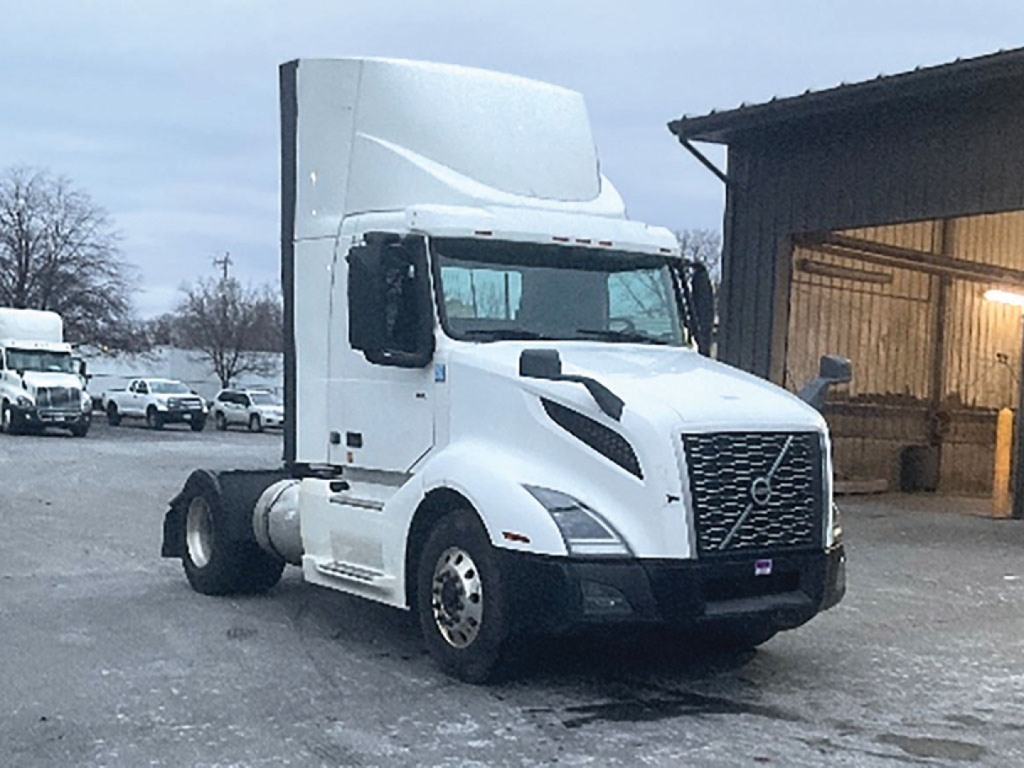
2019 Volvo VNR 300
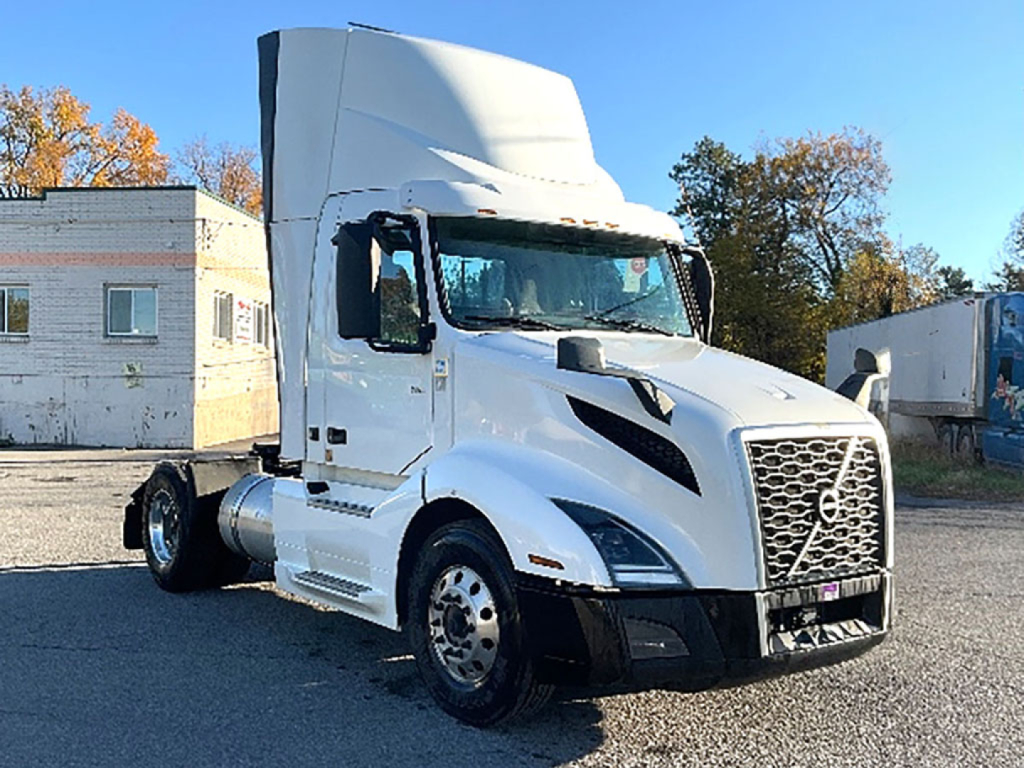
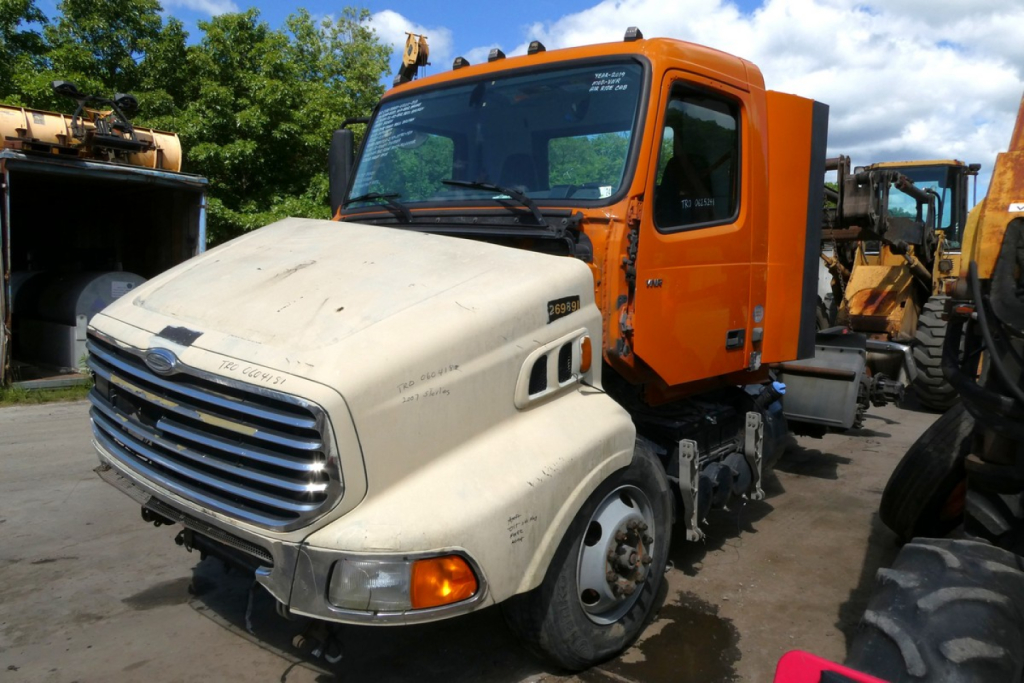
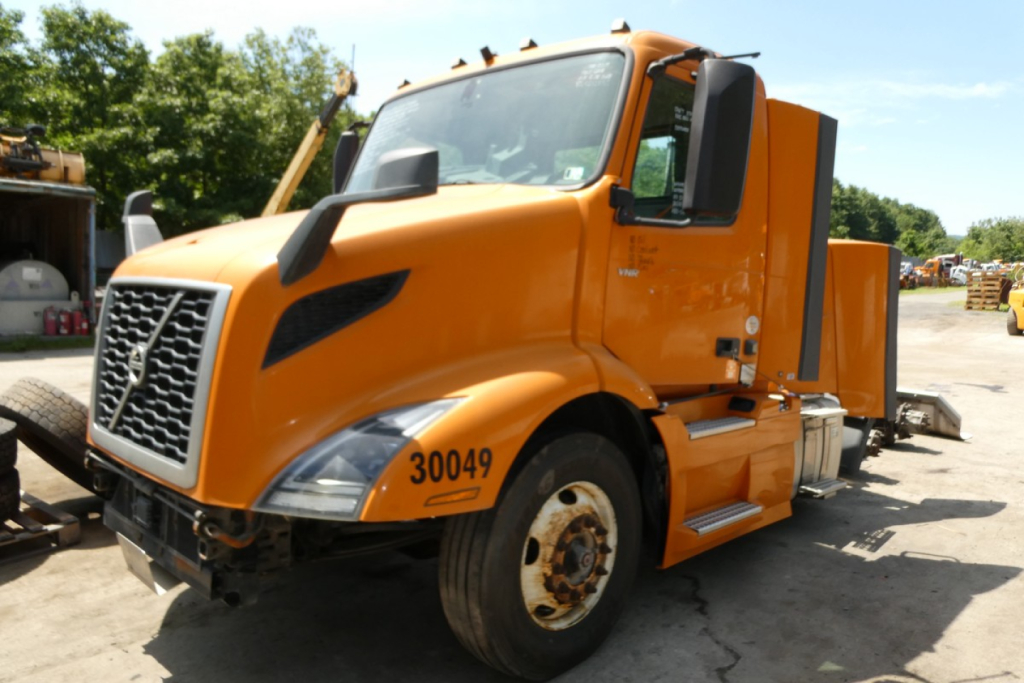
Have used 2019 volvo conventional daycab truck to sell? List it here to reach thousands of buyers.
Used 2019 Volvo Conventional Daycab Trucks in New York
The main spec decisions start with engine, transmission, and rear axle setup. Many 2019 Volvo daycabs are equipped with Volvo D11 or D13 diesel engines, commonly paired with the Volvo I-Shift automated manual, though some trucks may be spec'd with manual transmissions depending on the original application. A D11 daycab can be a strong fit for lighter regional lanes and weight-conscious operations, while a D13 is more common in heavier gross combination weight applications or routes with sustained highway speed and more aggressive grade demands. Rear axle ratings often range from around 23,000 pounds on lighter single-axle configurations up to 40,000 pounds on tandem axle tractors. Gear ratios such as 2.47, 2.64, 3.21, or 3.42 can tell you a lot about the truck's intended use, from fuel-efficient highway work to stop-and-go pulling power.
Chassis and brake spec matter just as much as horsepower. Buyers should look at wheelbase, cab-to-axle, and fifth wheel type to confirm trailer compatibility and turning requirements. A shorter wheelbase daycab is usually easier to position in crowded docks and older industrial areas, while a longer tandem axle setup may better suit van, reefer, container, or heavier flatbed-related tractor duty. Volvo daycabs from this era are often equipped with air ride suspension, air disc brakes, engine brakes, and DEF emissions systems. Air disc brakes are a real advantage in dense traffic and regional service because they improve stopping consistency and usually simplify brake service intervals compared with traditional drum setups. Common inspection points on a used 2019 truck include aftertreatment health, I-Shift operation, dash warning lights, AC performance, steer tire wear, suspension condition, and signs of frame modification or prior fleet repair work.
A 2019 Volvo conventional daycab is usually a buyer's truck when uptime, driver comfort, and operating efficiency all need to line up. Volvo's cab ergonomics, visibility, and automated transmission integration are a major reason these trucks stay popular in fleet service. The right truck depends on whether you need a single-axle city tractor, a tandem regional hauler, or a port and warehouse unit with a specific wheelbase and axle ratio. Buyers comparing listings should read the full spec sheet closely instead of shopping by model name alone, because two Volvo daycabs from the same year can be built for very different jobs.
Frequently Asked Questions about Used 2019 Volvo Conventional Daycab Trucks in New York
What is a 2019 Volvo conventional daycab best used for?
A 2019 Volvo conventional daycab is best suited for regional haul, local freight, drayage, terminal work, and other operations where the truck returns to base daily and does not need sleeper space. Its shorter overall length improves maneuverability in city traffic, warehouse yards, and tight loading areas. Buyers usually choose this configuration for dry van, reefer, container, and short-haul tractor applications.
What engines are common in a used 2019 Volvo daycab?
The most common engines are the Volvo D11 and Volvo D13. The D11 is often preferred for lighter regional work where lower curb weight and good fuel economy matter, while the D13 is more common in heavier tandem axle tractors and applications that require more torque. The right choice depends on trailer weight, terrain, average trip length, and expected gross combination weight.
Is the Volvo I-Shift a good transmission in a used daycab?
The Volvo I-Shift is widely regarded as a strong transmission choice for regional and urban tractor use because it reduces driver fatigue, shifts consistently, and can help with fuel economy when properly maintained. On a used truck, the key is service history and road test performance. Buyers should verify smooth engagement in forward and reverse, check for fault codes, and confirm the clutch and transmission calibration have been maintained correctly.
What should I inspect first on a used 2019 Volvo conventional daycab?
Start with the aftertreatment system, transmission operation, brake condition, suspension wear, and any active warning lights. Then review engine hours against odometer miles to understand idle time, and inspect the frame, fifth wheel, driveline, and steer axle components for signs of heavy-use wear or prior damage. AC operation, tire condition, and electronic system faults also matter because these items can quickly add to reconditioning cost.
How do axle rating and wheelbase affect a Volvo daycab purchase?
Axle rating and wheelbase determine what kind of trailers and freight the truck can handle and how well it will operate in your environment. A lighter single-axle truck with a shorter wheelbase works well for urban and weight-sensitive jobs, while a tandem axle truck with a longer wheelbase is usually a better match for heavier freight and higher gross combination weights. Buyers should match wheelbase, rear axle rating, and fifth wheel placement to their trailer type, loading patterns, and route restrictions.