
Used 2012 Volvo Conventional Daycab Trucks For Sale in New York
Shop used 2012 Volvo conventional daycab trucks. Compare VNM specs, D11 engines, wheelbase, axle ratings, transmissions, and local-route fit.
Learn more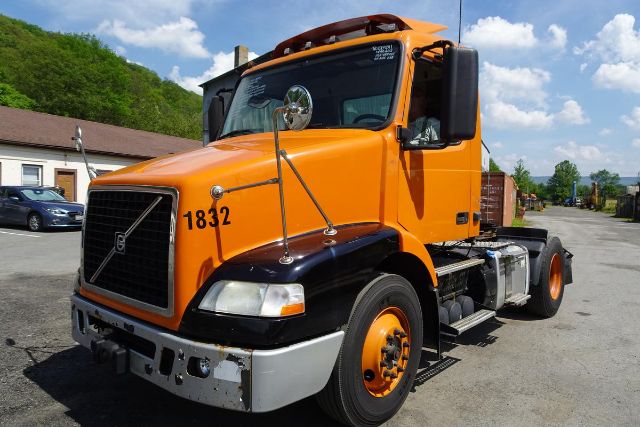

Have used 2012 volvo conventional daycab truck to sell? List it here to reach thousands of buyers.
About Used 2012 Volvo Conventional Daycab Trucks in New York
A common setup on a 2012 Volvo conventional daycab is the Volvo D11 engine in the 385 hp range, paired with either a manual 10-speed or Volvo I-Shift automated manual, depending on original vocation and spec. D11-equipped trucks are popular for fleets that want a lighter daycab with solid fuel economy and enough power for regional freight without stepping into a heavier long-haul platform. Rear axle ratings around 23,000 pounds, front axles near 12,000 pounds, wheelbases in the mid-150-inch range, and 11R22.5 rubber are all typical in this segment. Many of these trucks also carry Volvo air ride suspensions, air disc brakes, electronic engine brakes, and stationary or air-slide fifth wheels. If the truck will spend time in stop-and-go service around New York, brake type, clutch wear, and suspension condition deserve close attention.
On a used 2012 model, emissions equipment and maintenance history matter as much as horsepower. This model year sits in the SCR and DEF era, so buyers should verify DEF system function, fault history, and any aftertreatment repairs. Engine hours can tell more than odometer miles on a daycab that spent years in urban or port service. A truck with moderate miles but high idle hours may show more wear in the DPF, cooling system, cab HVAC, and charging system than the odometer suggests. It is also worth checking for oil leaks around the bell housing area, clutch housing, and rear engine seals, along with suspension bushings, kingpins, steering play, and the condition of air disc brake components if so equipped.
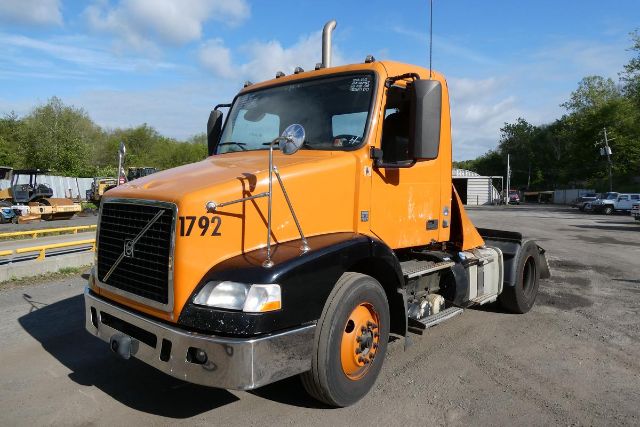
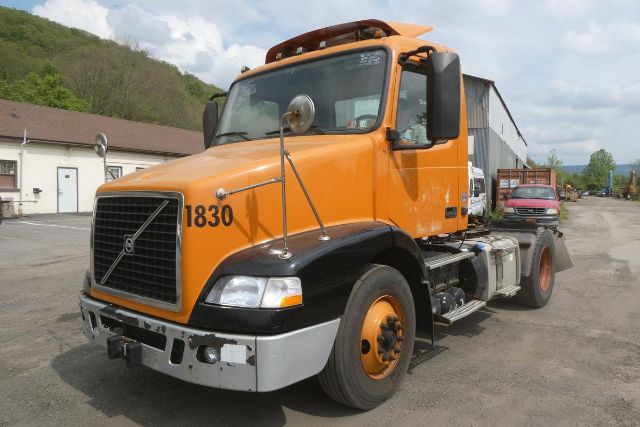
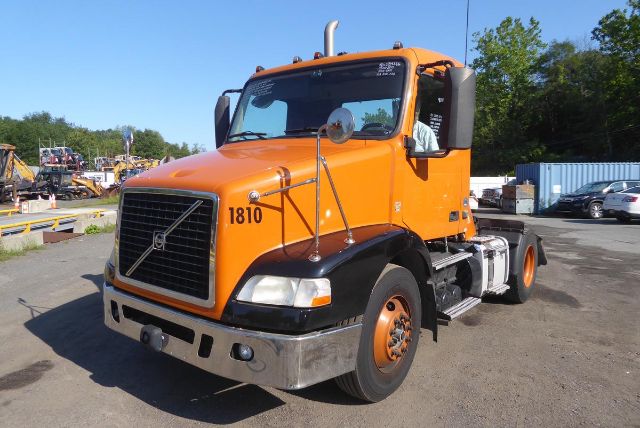
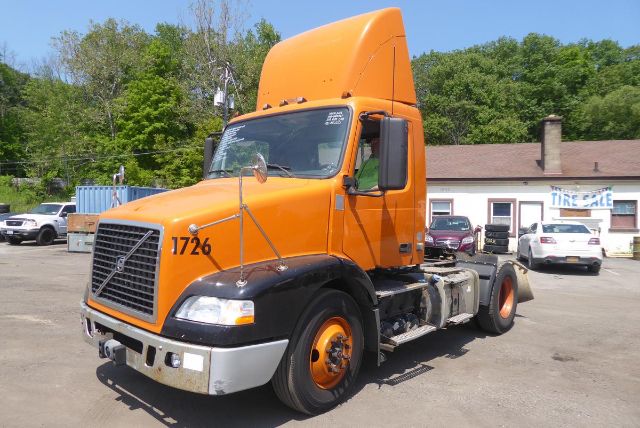
The best used 2012 Volvo daycab for one operation may be the wrong spec for another. A single-axle VNM42T can make sense for local van, reefer, or dedicated route work where payload and agility are priorities. A tandem-axle daycab is better suited to heavier regional freight, tank, dump transfer, or applications that need more traction and higher gross combination capability. Cab-to-axle, cab-to-end, and fifth wheel position should be matched to the trailer fleet to avoid clearance issues and poor weight distribution. Buyers comparing used 2012 Volvo conventional daycab trucks should weigh drivetrain simplicity, emissions condition, axle ratings, and service records before placing too much value on cosmetic appearance alone.
Frequently Asked Questions
What engine is common in a used 2012 Volvo conventional daycab?
A common engine in a 2012 Volvo conventional daycab is the Volvo D11 10.8L, often rated around 385 horsepower in VNM applications. That engine is well suited to regional and local freight because it balances fuel economy, weight, and usable torque. Some buyers prefer the D11 for lighter-duty daycab work, while heavier tandem applications may push buyers toward larger engines in other Volvo models.
Is a 2012 Volvo daycab a good choice for local and regional hauling?
Yes, a 2012 Volvo daycab is typically a strong fit for local and regional service where a sleeper is unnecessary and maneuverability is important. The shorter wheelbase, lighter chassis, and daycab layout make it practical for terminal work, city deliveries, short-haul lanes, and port or warehouse operations. The exact fit depends on axle rating, wheelbase, and fifth wheel setup, so the truck should be matched to the trailer type and average payload.
What should I inspect first on a used 2012 Volvo daycab?
Start with the emissions system, engine condition, transmission operation, and brake and suspension wear. On a 2012 truck, DEF and aftertreatment repairs can become expensive if faults are ignored. Buyers should also compare engine hours to odometer miles, inspect for oil leaks, check steering and kingpin wear, review clutch or I-Shift performance, and verify that the axle ratios and fifth wheel position match the intended application.
What is the difference between a single-axle and tandem-axle Volvo daycab?
A single-axle daycab is generally lighter, shorter, and easier to maneuver, making it a practical choice for local freight and operations where payload demands are moderate. A tandem-axle daycab carries more rear axle capacity, offers better traction, and is better suited to heavier regional work or applications with higher gross combination weights. The tradeoff is added weight, a larger turning circle, and potentially higher maintenance costs.
Are Volvo I-Shift transmissions desirable in a used 2012 daycab?
For many buyers, yes. Volvo I-Shift automated manuals are widely respected for ease of use, consistent shifting, and reduced driver fatigue in stop-and-go work. They can be especially useful in urban or regional operations with frequent starts and traffic. On a used truck, the key is confirming proper operation, software history, clutch condition where applicable, and evidence of regular maintenance rather than choosing based on transmission type alone.