
2020 Volvo Conventional Daycab Trucks For Sale in Illinois
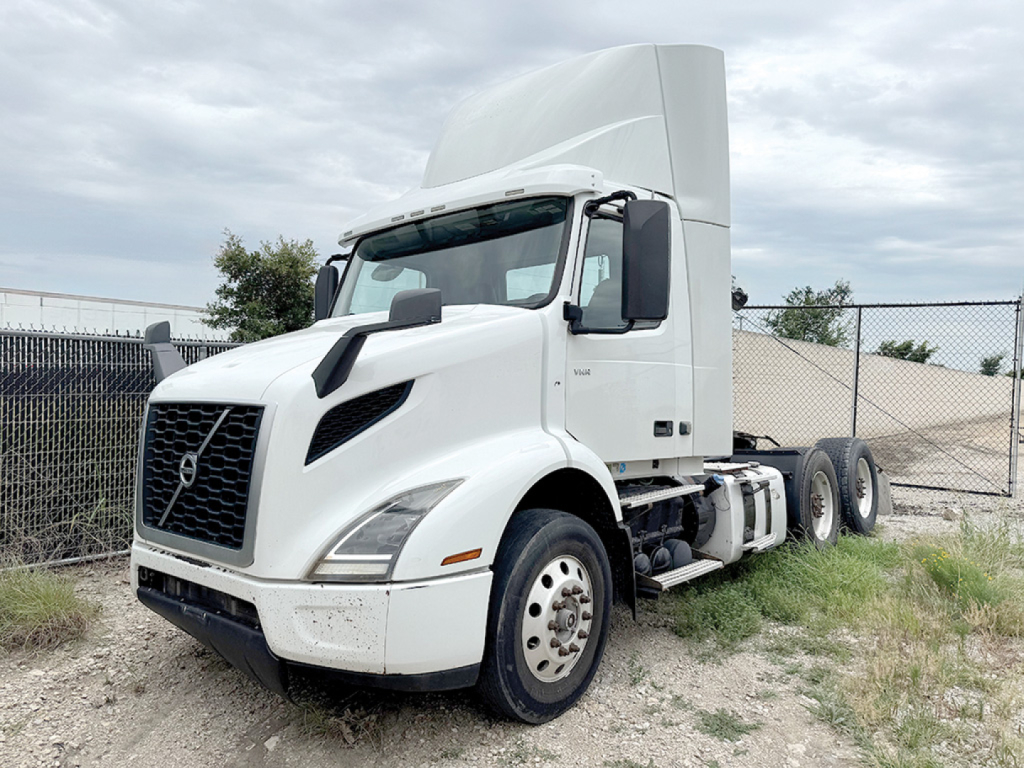
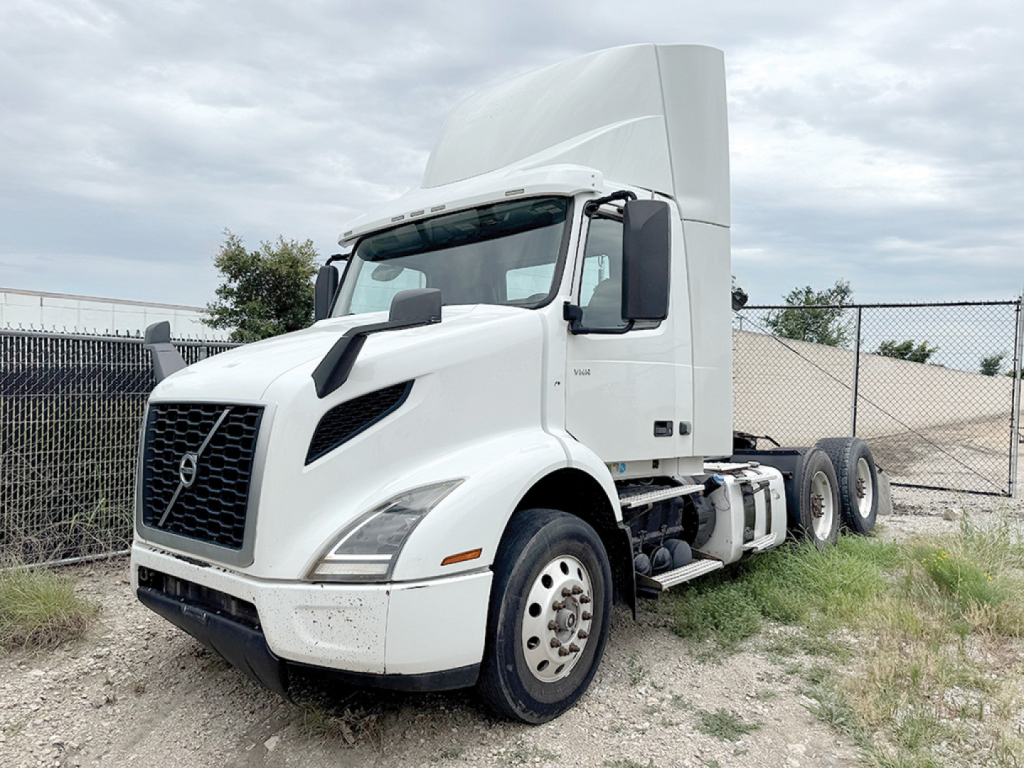
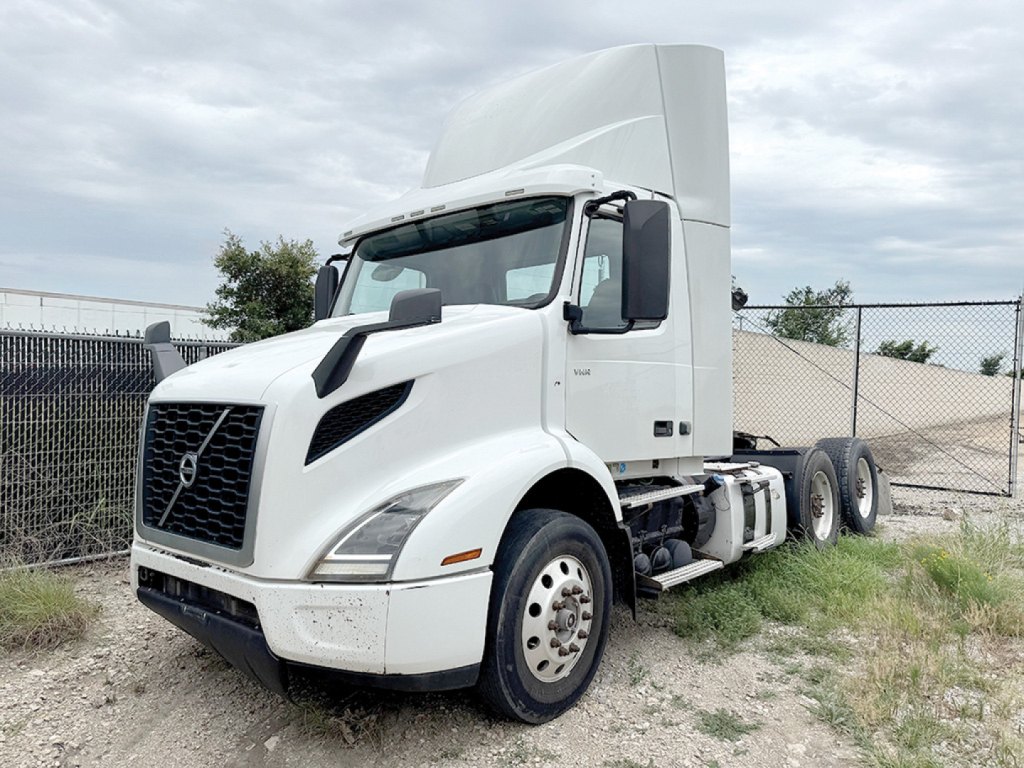
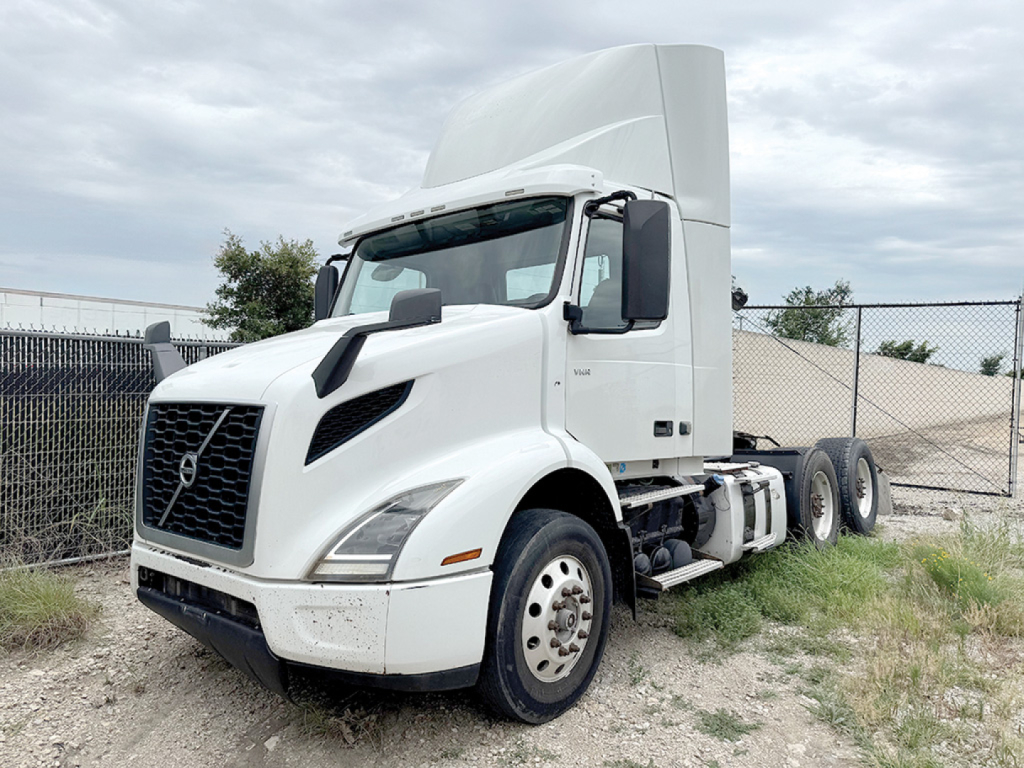
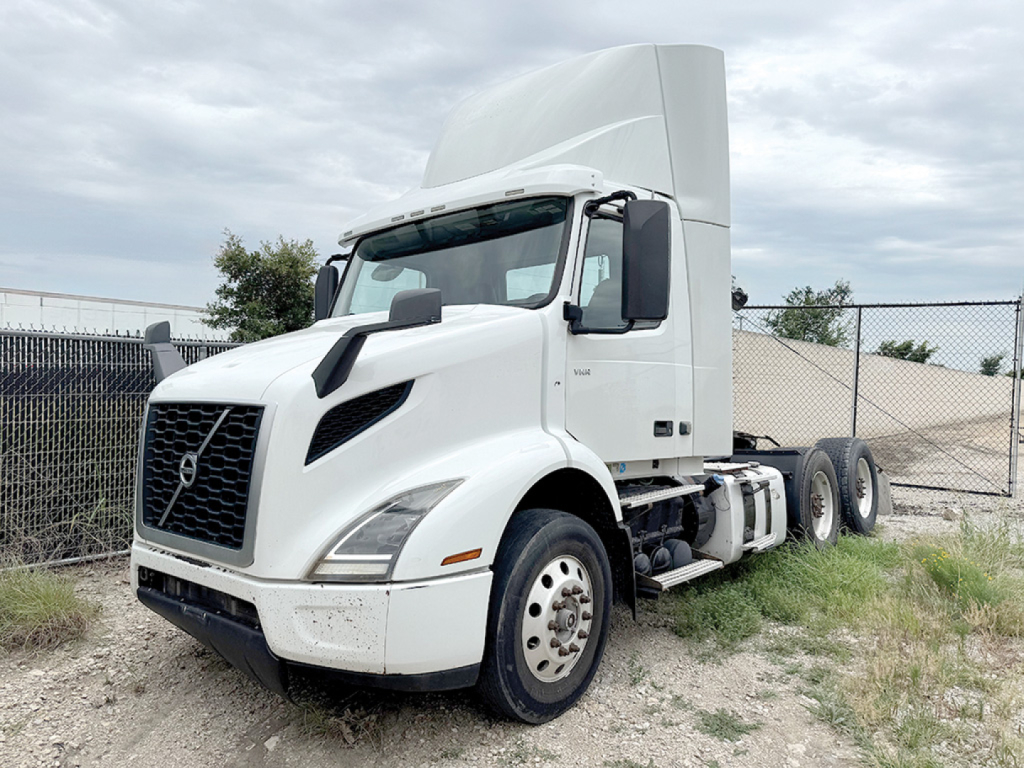
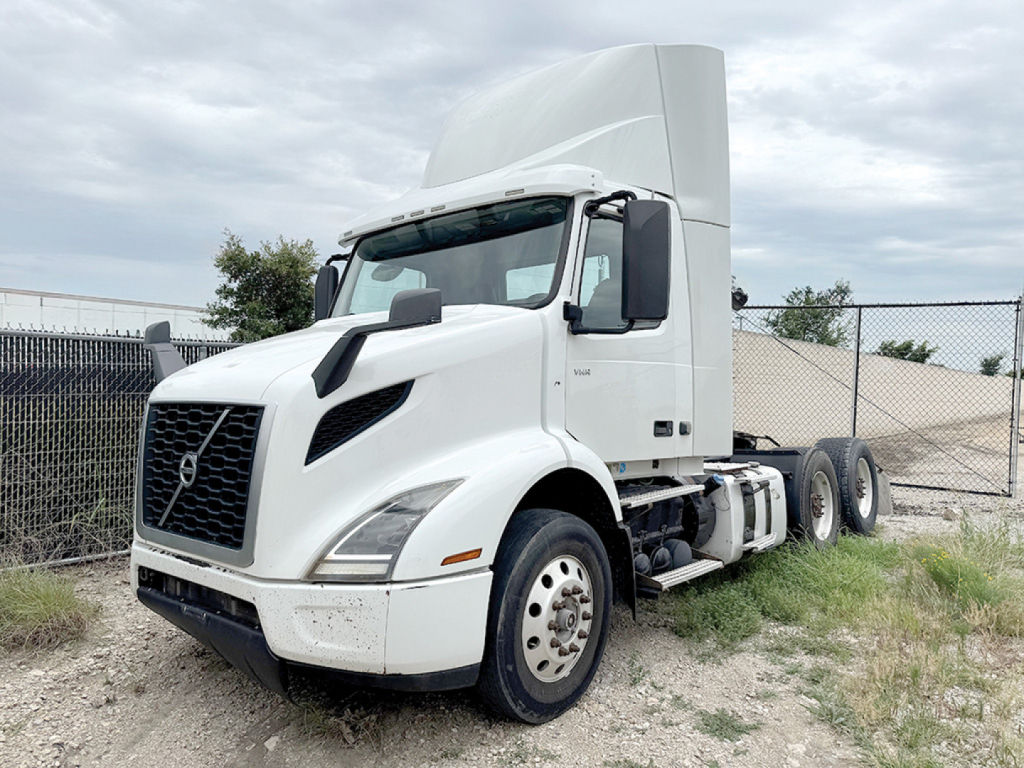
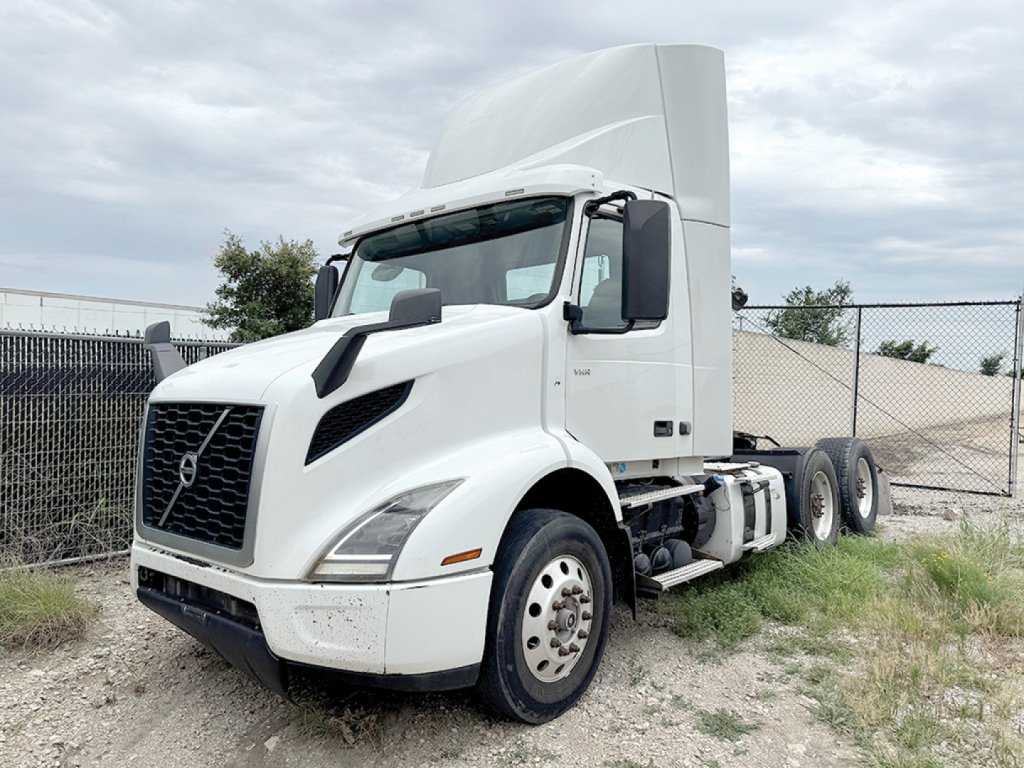
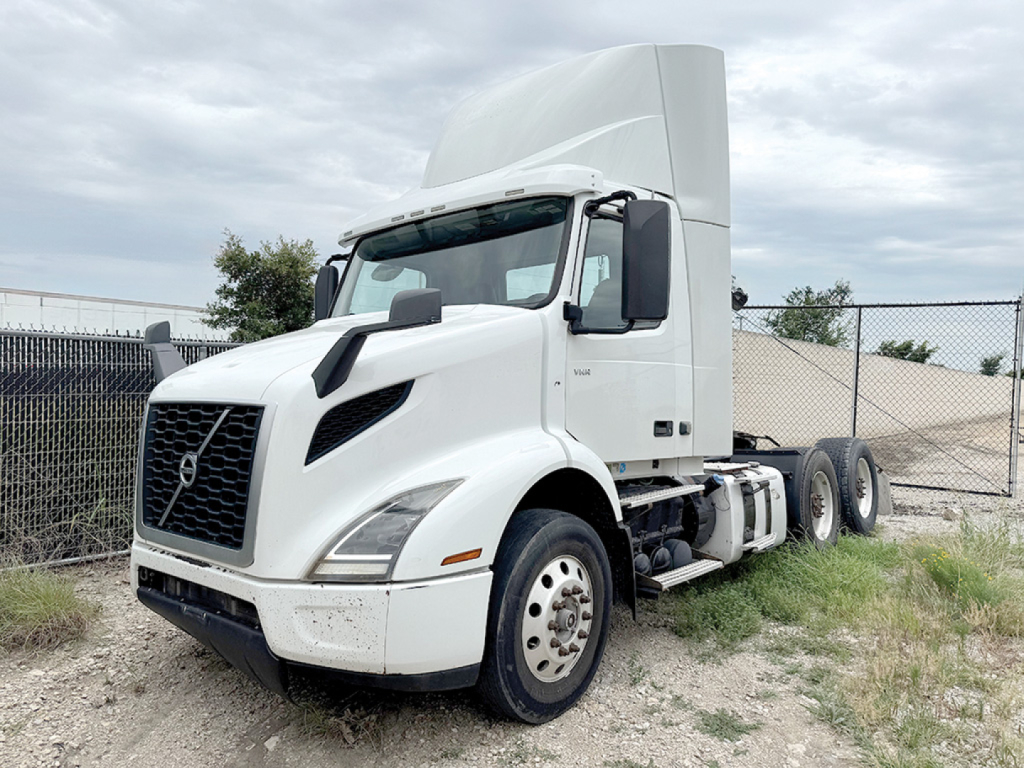
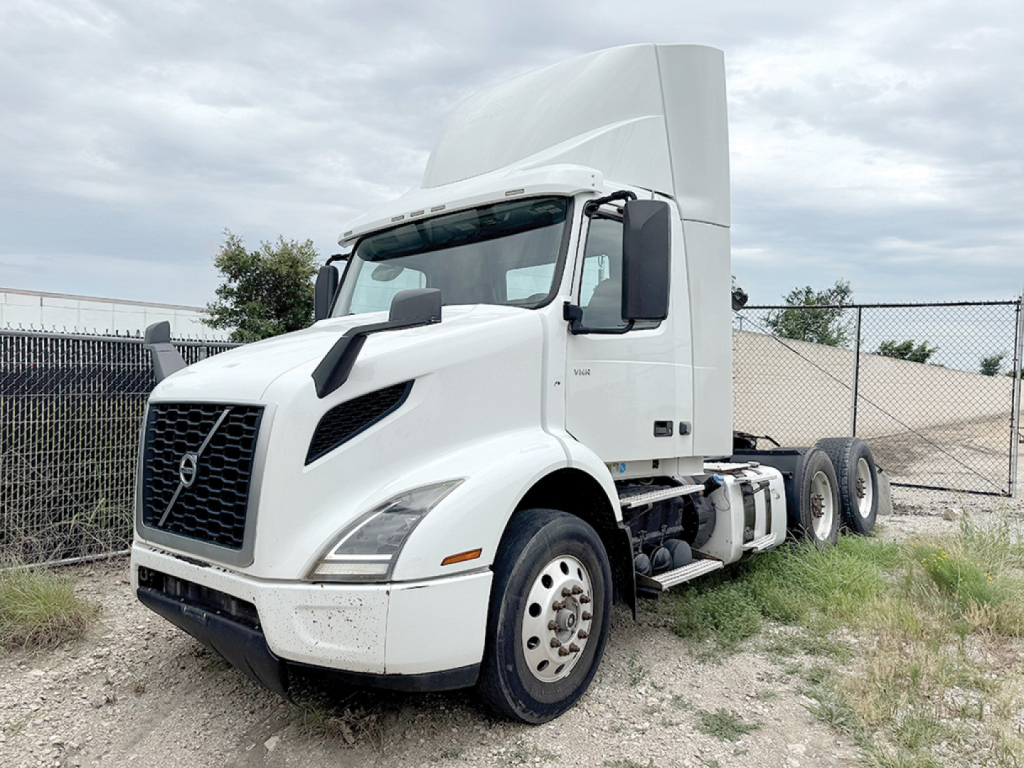
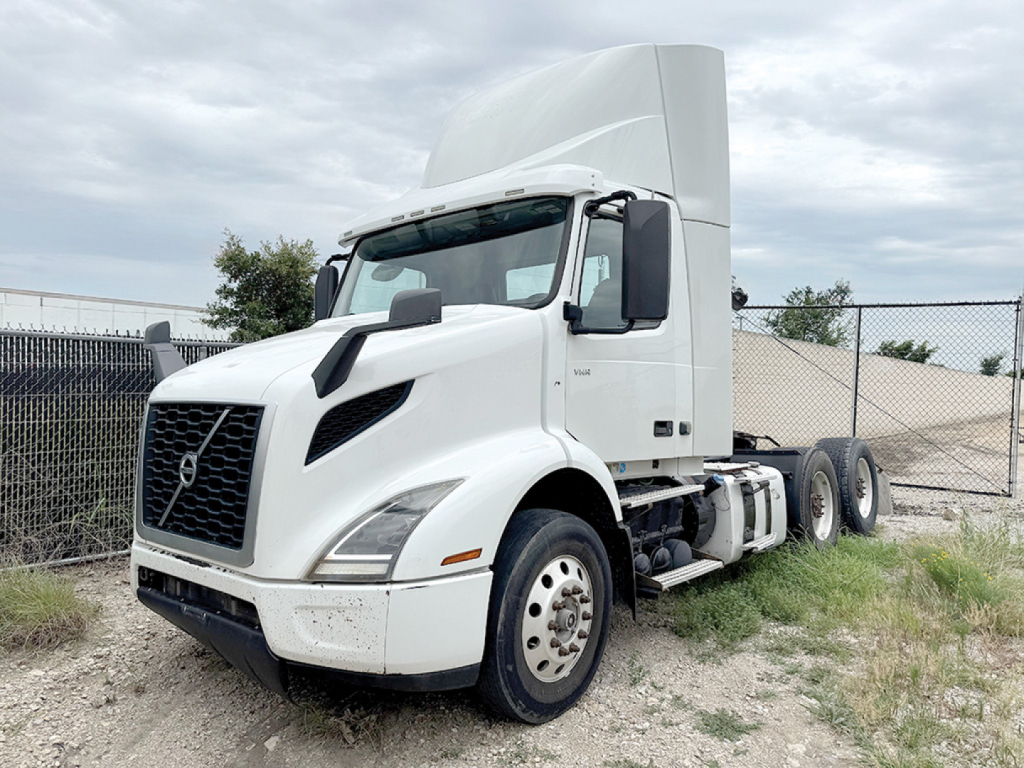
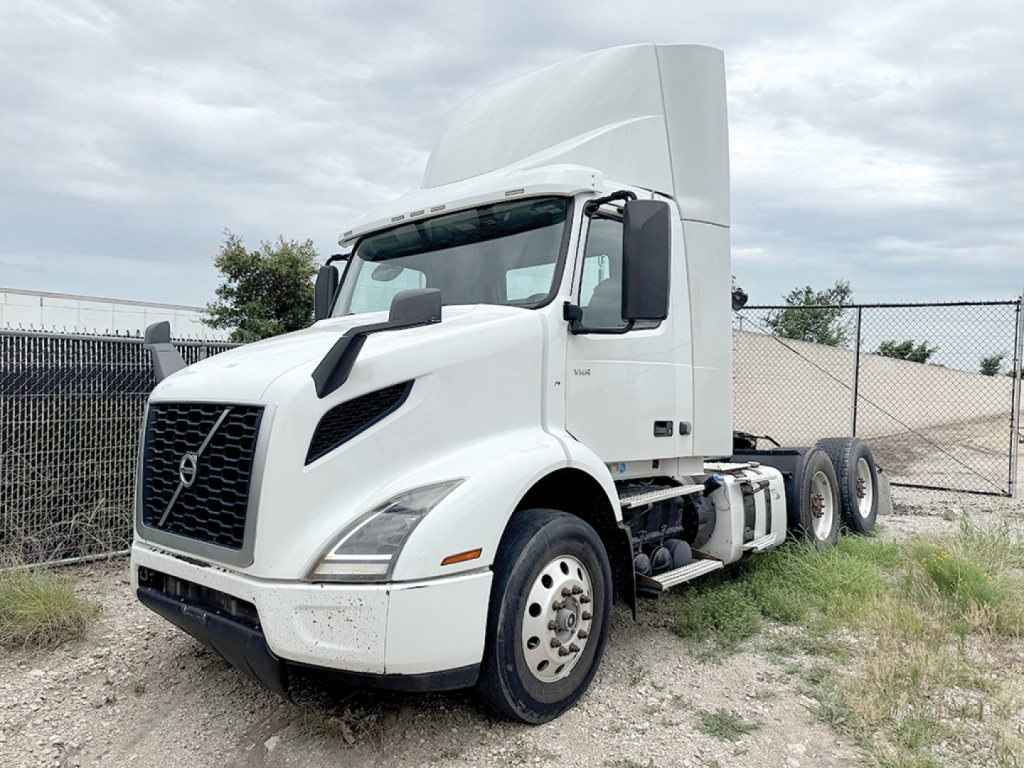
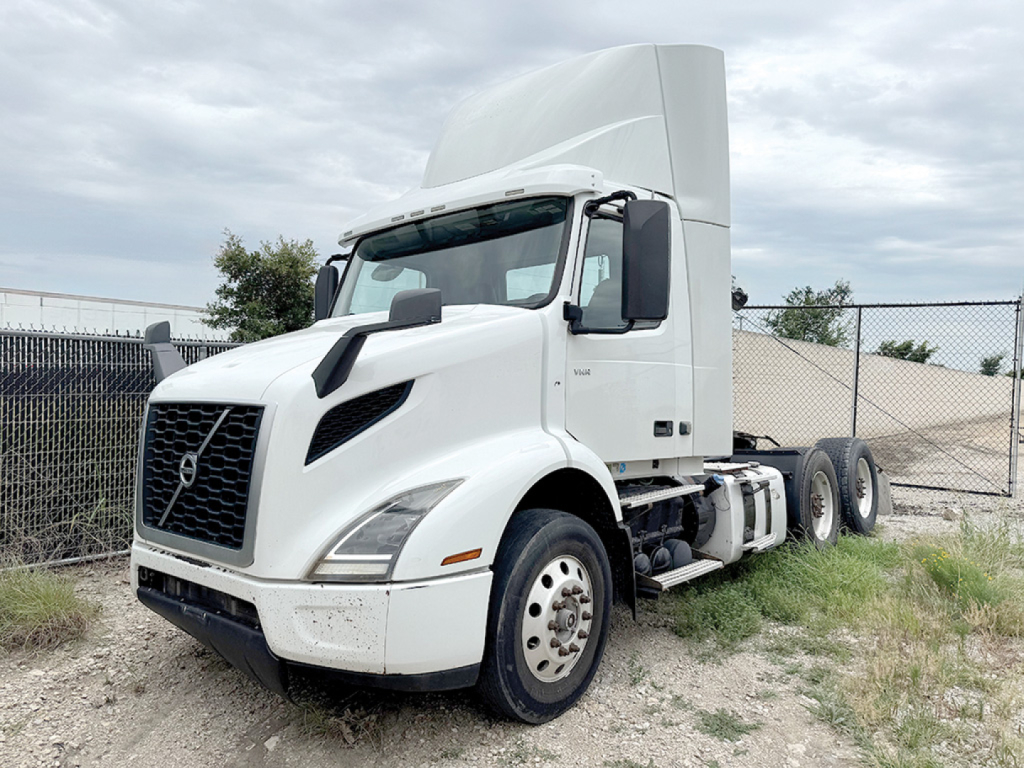
Have 2020 volvo conventional daycab truck to sell? List it here to reach thousands of buyers.
2020 Volvo Conventional Daycab Trucks in Illinois
One of the biggest spec decisions on a 2020 Volvo daycab is engine and drivetrain. Many are equipped with the Volvo D13 around the 425 HP range, often paired with the Volvo I-Shift automated transmission. That combination is popular because it balances pulling power, fuel efficiency, and driver acceptance across mixed-route applications. A 40,000 lb rear axle rating with ratios in the mid-2s is a common regional spec, especially for fleets running highway-heavy lanes where lower RPM at cruise matters. Engine brakes, air ride suspension, and disc brakes are also features many buyers target because they improve control, reduce driver fatigue, and support lower maintenance in demanding service.
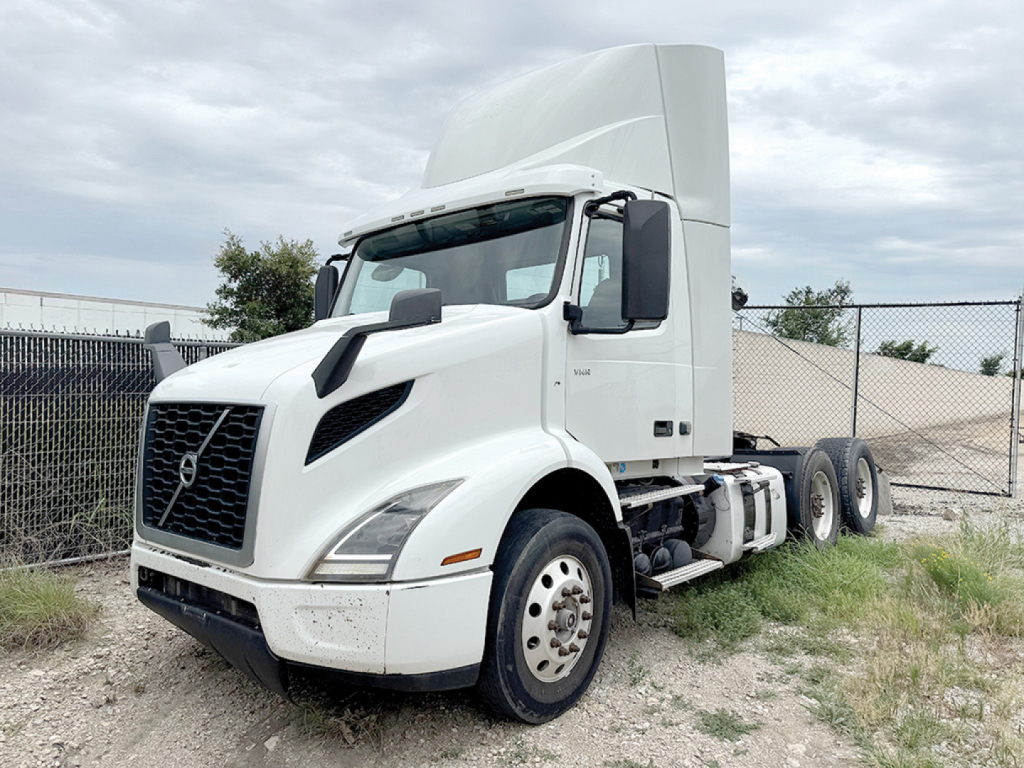
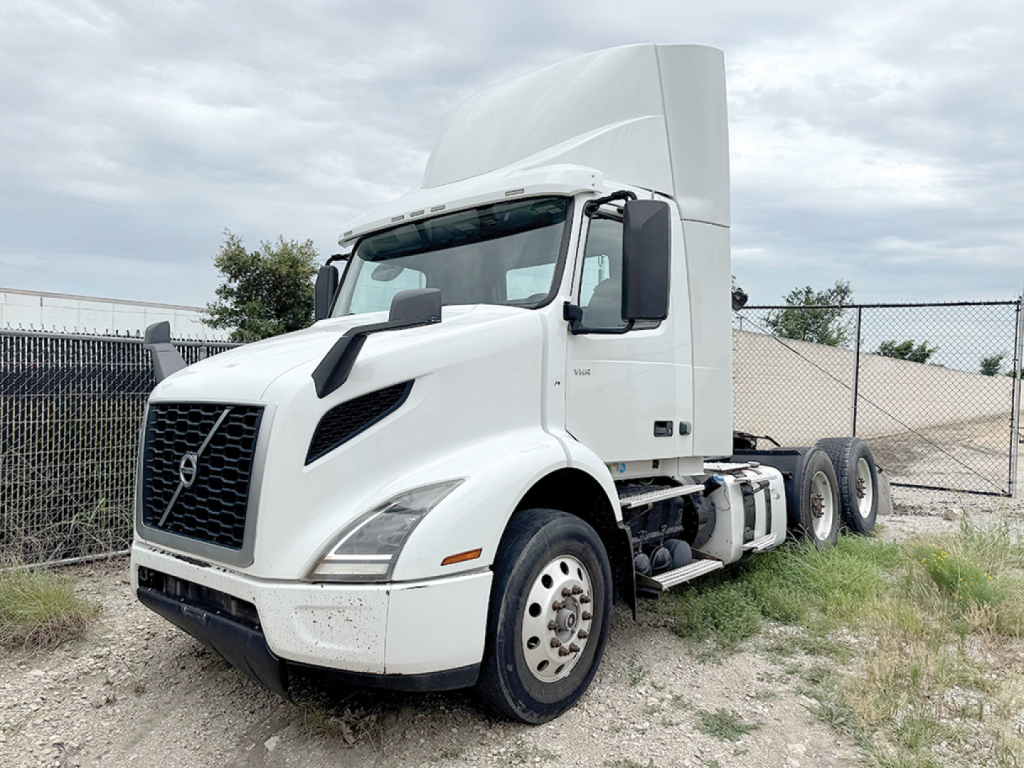
Cab and chassis details matter more on a daycab than many buyers expect. Wheelbase around 176 to 185 inches is common on this class and affects trailer gap, bridge compliance, turning ability, and how the truck carries weight on the steer axle. Adjustable or air slide fifth wheels add flexibility if the tractor will pull different trailer lengths or kingpin settings. Roof fairings, cab extenders, quarter fenders, and dual aluminum fuel tanks are typical fleet specs that support fuel economy and everyday practicality. In regional operations, super singles versus duals on the drive axles can also influence tire cost, weight savings, and roadside service preferences.
A 2020 Volvo conventional daycab is often a strong fit for fleets that want modern safety and driver comfort without stepping into a newer truck price point. Features like collision mitigation, cruise control, tilt and telescoping steering, power windows, and air conditioning are common and help with retention on local and regional routes. When comparing listings, pay close attention to maintenance history, emissions system service, brake type, suspension condition, tire spec, and any signs the truck was matched to a very specific application. The best value usually comes from finding a spec that fits your trailers, payload, lane speed, and daily mileage rather than simply choosing the lowest purchase price.
Frequently Asked Questions about 2020 Volvo Conventional Daycab Trucks in Illinois
What is a 2020 Volvo conventional daycab typically used for?
A 2020 Volvo conventional daycab is typically used for regional haul, local delivery, dedicated fleet work, intermodal drayage, and terminal-to-terminal freight. Its non-sleeper layout keeps overall tractor length shorter than a sleeper truck, which helps in tighter yards, urban docks, and frequent-turn applications. This category is best suited to operations where drivers return home daily or do not need onboard sleeper space.
What engine and transmission are common in a 2020 Volvo VNR 300 daycab?
A common setup in a 2020 Volvo VNR 300 daycab is the Volvo D13 engine rated around 425 horsepower paired with the Volvo I-Shift automated transmission. This combination is widely used because it delivers solid performance for loaded regional freight while keeping shifting consistent across multiple drivers. Buyers often prefer this spec for its balance of fuel economy, ease of operation, and compatibility with modern fleet maintenance practices.
Why does wheelbase matter on a conventional daycab?
Wheelbase affects maneuverability, axle weight distribution, trailer clearance, and ride quality. A shorter wheelbase generally improves turning radius and makes the truck easier to handle in city or yard conditions, while a longer wheelbase can provide more room for fuel capacity and smoother highway manners. On a daycab, wheelbase should be matched to trailer type, kingpin setting, and the amount of weight you expect to carry on the steer axle.
Are 2020 Volvo daycabs good for fuel-efficient regional hauling?
Yes, many 2020 Volvo daycabs are built with fuel economy in mind. Aerodynamic features such as roof fairings, cab extenders, and streamlined mirrors are common, and axle ratios in the 2.47 range are often selected for lower engine RPM at road speed. When paired with the I-Shift transmission and a well-matched trailer, these trucks can be very efficient in regional highway service.
What should buyers inspect first on a used 2020 Volvo conventional daycab?
The first areas to inspect are service records, engine and emissions history, transmission operation, suspension wear, brake condition, and tire setup. On a daycab used in regional or local service, it is also important to check the fifth wheel, frame condition, and signs of repeated docking or yard damage. A truck with the right maintenance history and a spec that matches your trailers usually delivers better long-term value than one that simply looks clean on the surface.