
2017 Volvo Conventional Daycab Trucks For Sale in Illinois
Have 2017 volvo conventional daycab truck to sell? List it here to reach thousands of buyers.
2017 Volvo Conventional Daycab Trucks in Illinois
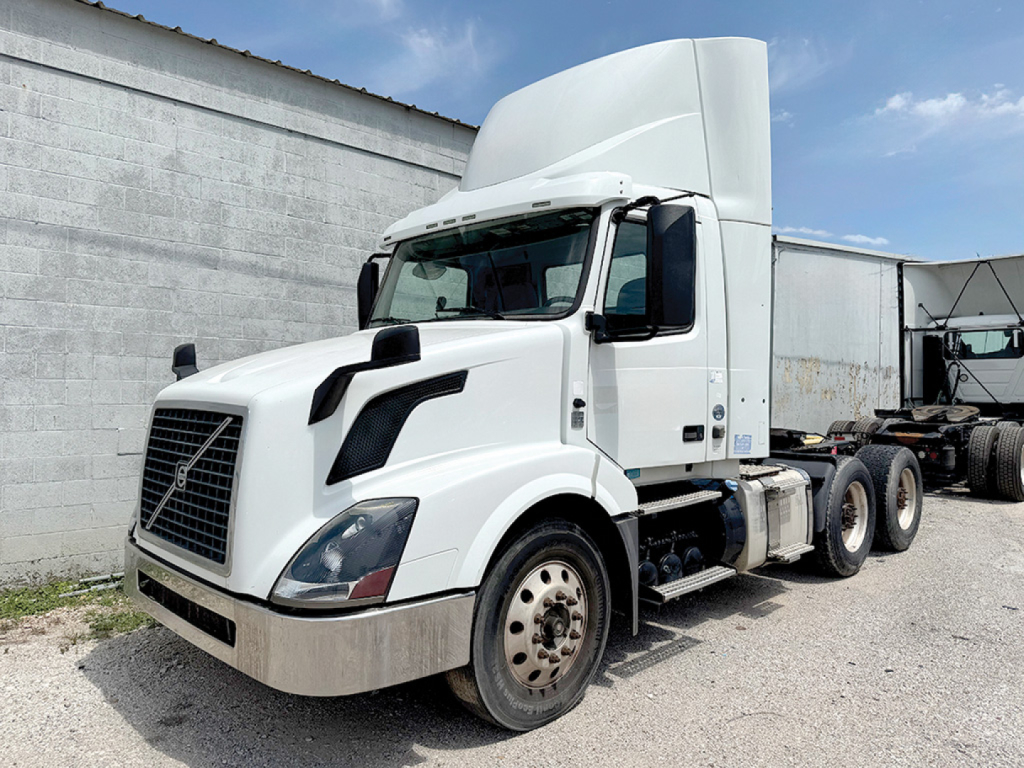
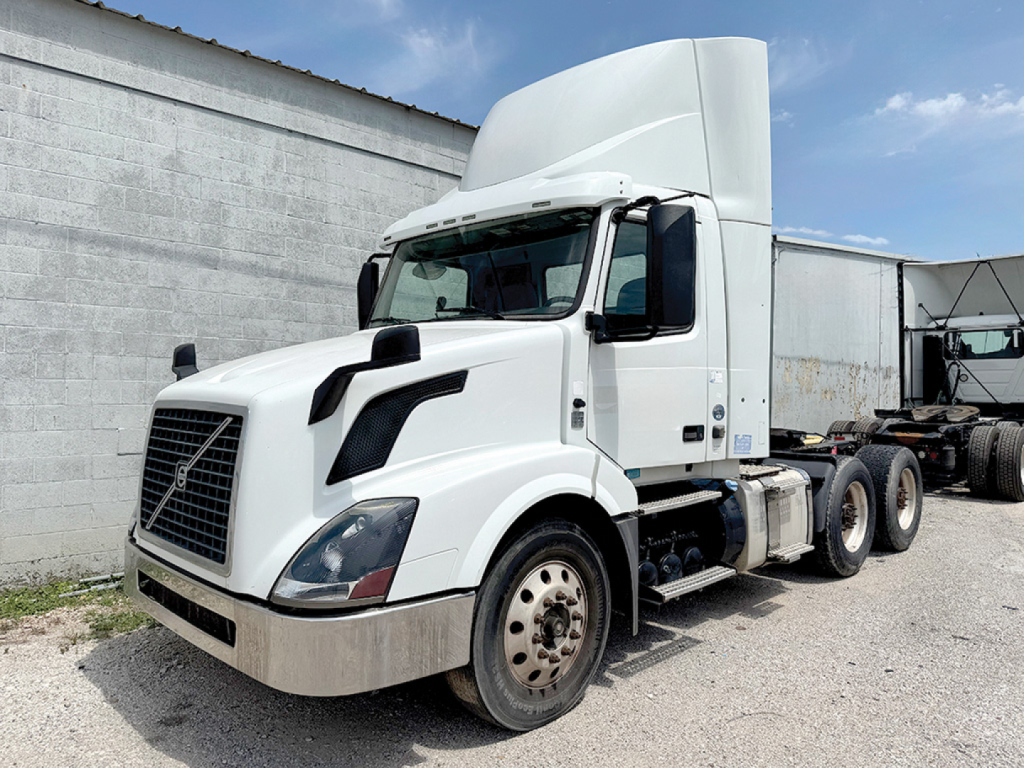
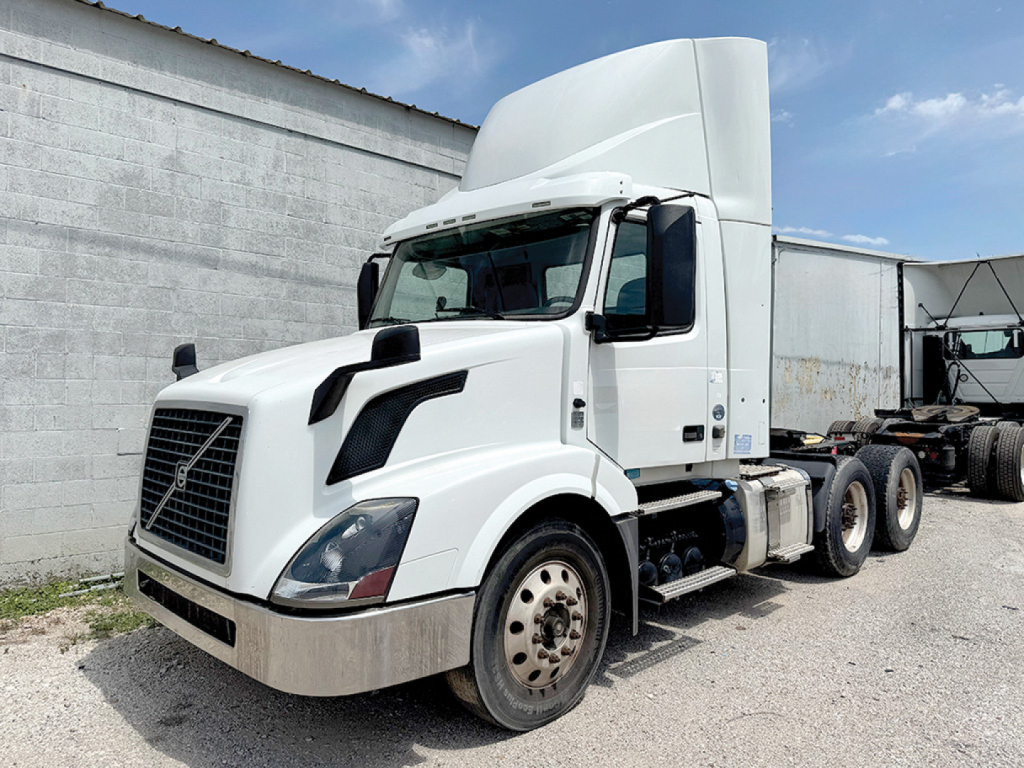
The first decision point on a 2017 Volvo daycab is usually the powertrain. Many are equipped with the Volvo D11 in the 400 horsepower range, often paired with the Volvo I-Shift automated transmission. That combination is well suited for fuel-conscious fleets and owner-operators running moderate gross weights and frequent stop-and-go routes. Pay attention to rear axle ratio, as specs around the mid-2s can favor highway efficiency but still need to match your startability requirements, trailer mix, and terrain. A 40,000 lb tandem, air ride suspension, and engine brake are common features that make these trucks versatile across general freight applications.
Wheelbase, fifth wheel setup, and tire spec matter more on a daycab than many buyers expect. A wheelbase in the high-170-inch range is common on a Volvo VNL 300 and can provide a good balance between ride quality and turning radius. An adjustable fifth wheel adds flexibility if the truck may pull different trailer lengths or operate in mixed fleet service. Disc brakes, low-profile 22.5 tires, aluminum wheels, and aerodynamic pieces like cab extenders and roof fairings can all affect operating cost, maintenance planning, and how well the truck matches your trailers. If the truck will stay in urban Illinois lanes or tight customer yards, overall frame length and axle placement deserve close attention.
Cab condition and driver ergonomics are also important on a used 2017 Volvo conventional daycab. Volvo daycabs are known for a driver-focused layout with good visibility, tilt and telescoping steering, and a generally efficient control setup. For a buyer comparing listings, it makes sense to review engine hours, maintenance records, clutch calibration history on I-Shift units, brake condition, suspension wear, and the current fifth wheel and frame setup. A properly spec'd 2017 Volvo daycab can still be a strong asset for regional freight if the drivetrain, axle ratio, and chassis layout are aligned with the actual job.
Frequently Asked Questions about 2017 Volvo Conventional Daycab Trucks in Illinois
What is a 2017 Volvo conventional daycab best used for?
A 2017 Volvo conventional daycab is best suited for regional and local tractor work where overnight accommodations are unnecessary. Common applications include dry van, reefer, intermodal drayage, dedicated shuttle routes, LTL support, and warehouse-to-distribution-center freight. The day cab configuration reduces overall length and weight compared with a sleeper tractor, which helps in tighter yards, city routes, and frequent hook-and-drop operations.
What engine and transmission are common in a 2017 Volvo VNL 300 daycab?
A common setup in a 2017 Volvo VNL 300 daycab is the Volvo D11 engine paired with the Volvo I-Shift automated manual transmission. Many trucks in this class are rated around 405 horsepower, which is a solid fit for regional hauling and general freight. This powertrain is popular because it balances fuel economy, drivability, and reduced driver fatigue, especially in stop-and-go service or high-traffic lanes.
Why does rear axle ratio matter on a Volvo daycab?
Rear axle ratio directly affects launch performance, cruise RPM, gradeability, and fuel economy. Ratios in the 2.64 range are often chosen for efficient highway and regional operation, but the right choice depends on trailer weight, terrain, and expected average speed. A buyer should match axle ratio to actual use, because a truck spec'd for lighter regional freight may feel sluggish in heavy haul or steep-grade service.
What chassis specs should I compare when shopping used Volvo daycabs?
Key chassis specs include wheelbase, axle rating, suspension type, fifth wheel position, brake type, tire size, and fuel capacity. On a daycab, wheelbase and fifth wheel adjustment have a major impact on trailer clearance, bridge law compliance, and turning radius. Buyers should also confirm whether the truck has air ride suspension, disc brakes, low-profile tires, and aerodynamic equipment that fits the intended route profile and maintenance expectations.
Are 2017 Volvo daycabs a good choice for Illinois regional routes?
Yes, a 2017 Volvo daycab can be a strong fit for Illinois regional service because it suits a mix of interstate, suburban, industrial, and urban freight patterns. The combination of maneuverability, aerodynamic design, and automated transmission options works well for operations running between terminals, rail yards, and distribution centers. The best results come from choosing a truck with the right wheelbase, axle ratio, and drivetrain spec for the freight density and stop frequency of the route.