
Used Conventional Daycab Trucks For Sale in Washington
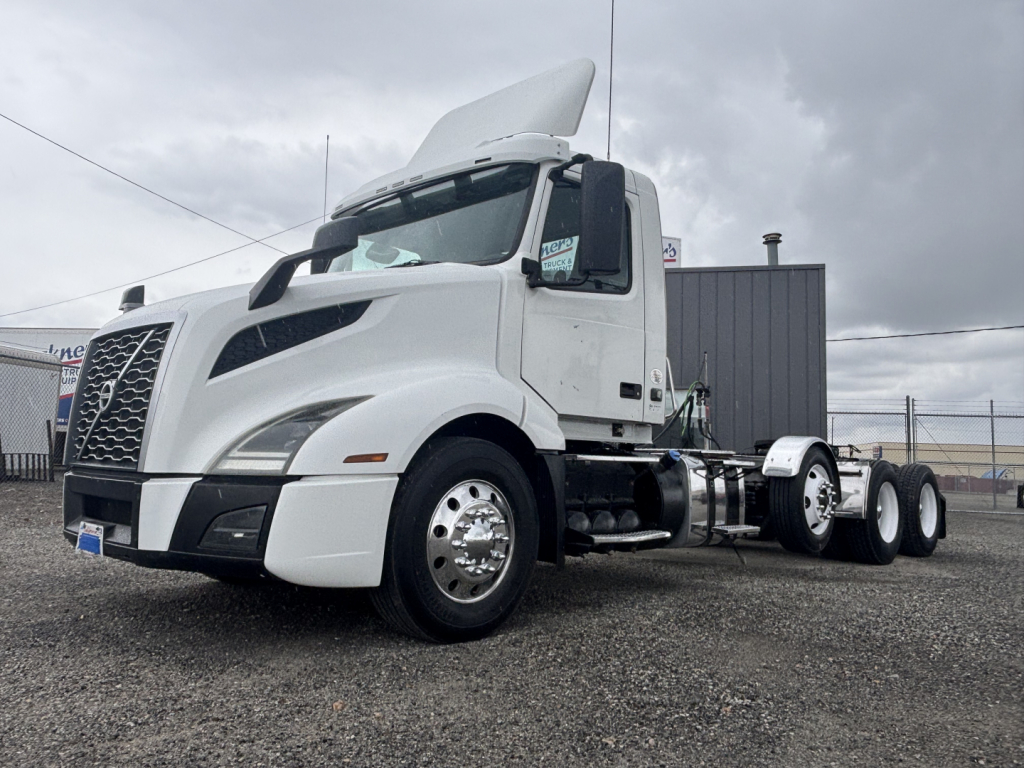
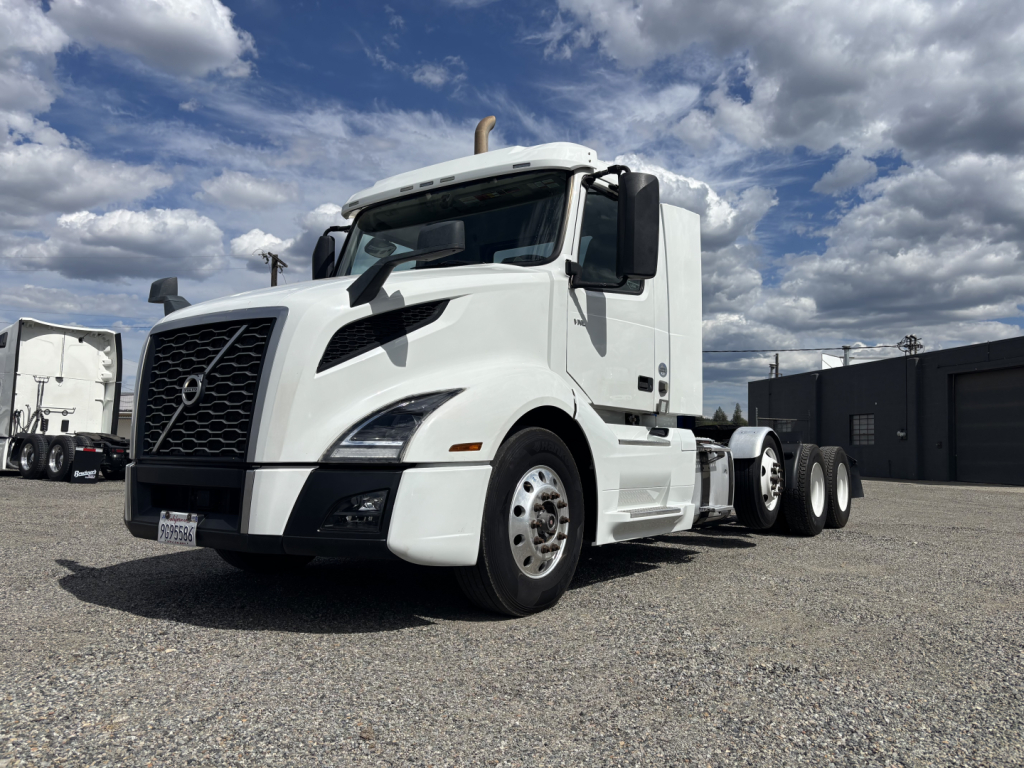
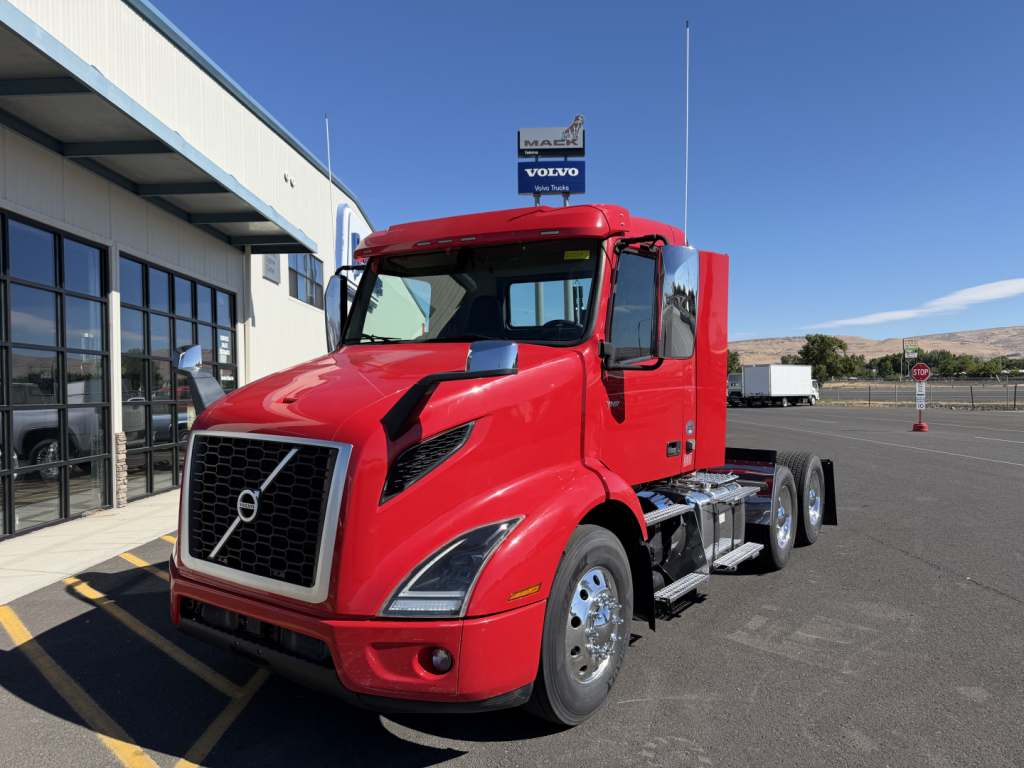
Have used conventional daycab truck to sell? List it here to reach thousands of buyers.
Used Conventional Daycab Trucks in Washington
The biggest buying decisions usually come down to axle layout, wheelbase, and powertrain. Common setups include 4x2 and 6x4 tractors, with some daycabs equipped with lift axles for higher bridge or payload flexibility. Horsepower often falls in the 400 to 500 hp range, paired with automated manual transmissions or traditional manuals depending on fleet preference. Rear axle ratios can make a major difference. A faster ratio can help fuel economy on highway-oriented regional lanes, while a deeper ratio may be better for heavy starts, vocational pulls, or routes with frequent grades. Buyers should also look closely at GCWR, front axle rating, suspension type, fifth wheel position, and frame layout if the truck will be assigned to tank, bulk, container, flatbed, or heavy local work.
Cab configuration and driver environment matter more than many buyers expect on a used conventional daycab. Setback axle and long-hood conventional designs can have different ride quality, visibility, and service access characteristics. Features such as air ride suspension, collision mitigation, adaptive cruise, premium seats, power windows, and clean dash layouts can improve retention and reduce fatigue on repeated local and regional runs. On the practical side, check for PTO provisions, wet kit compatibility, fairing condition, tire wear pattern, brake life, emissions system service history, and signs of frame modifications. If the truck has spent time in port, municipal, or heavy stop-start duty, engine hours can tell as much as mileage.
A good used conventional daycab should match the route before it matches the badge. Lightweight aerodynamic models are often the better fit for high-frequency regional freight and fuel-sensitive operations. Heavier-spec daycabs with lift axles, stronger suspensions, and higher axle ratings are better suited for construction support, aggregate, refuse-related transfer, and specialized trailer work. For Washington buyers, it is smart to balance fuel economy against gradeability, especially if the truck will regularly cross Snoqualmie, Stevens, or other mountain corridors. The right spec is the one that handles your trailers, your terrain, and your daily cycle without carrying unnecessary weight or cost.
Frequently Asked Questions about Used Conventional Daycab Trucks in Washington
What is a conventional daycab truck used for?
A conventional daycab truck is a highway-style tractor without a sleeper, designed for local and regional hauling where the driver returns the same day. Common uses include drayage, short-haul freight, distribution center shuttles, flatbed work, tanker service, dump transfers, and dedicated lane operations. The lack of a sleeper reduces weight and shortens the tractor, which can improve maneuverability and payload efficiency.
What should I check first on a used daycab tractor?
Start with the truck's intended application and verify that the axle configuration, wheelbase, horsepower, transmission, and rear axle ratio match it. After that, review engine hours, maintenance records, emissions system history, brake and tire condition, suspension wear, and any frame or fifth wheel modifications. On a used daycab, signs of severe stop-and-go duty can show up in components even when mileage looks reasonable.
Is an automated transmission a good choice in a used conventional daycab?
For many fleets, yes. Automated manual transmissions are common in modern daycabs because they help with driver consistency, reduce clutch wear, and can improve fuel economy when spec'd correctly. They are especially useful in urban and regional service with heavy traffic. The key is confirming proper calibration, clutch health where applicable, software update history, and that the gearing matches the truck's actual load and terrain.
How do I choose between a lightweight daycab and a heavier-spec daycab?
A lightweight daycab is usually better for van, reefer, and regional highway freight where fuel economy and tare weight matter most. A heavier-spec daycab is the better choice for vocational or severe-duty work, heavier trailers, frequent grade changes, or applications needing lift axles, PTO equipment, or stronger suspension components. The right decision depends on average payload, trailer type, route profile, and how often the truck starts heavy from a stop.
Why do rear axle ratio and wheelbase matter on a daycab in Washington?
Rear axle ratio affects how the truck accelerates, handles grades, and runs at highway speed. In Washington, routes can shift quickly from urban congestion to mountain terrain, so the wrong ratio can hurt both fuel economy and drivability. Wheelbase matters because it influences turning radius, bridge compliance, ride quality, and trailer clearance. A truck running tight yards or port terminals may need a very different wheelbase than one assigned to steady regional highway lanes.