
Used Volvo Conventional Daycab Trucks For Sale in Washington
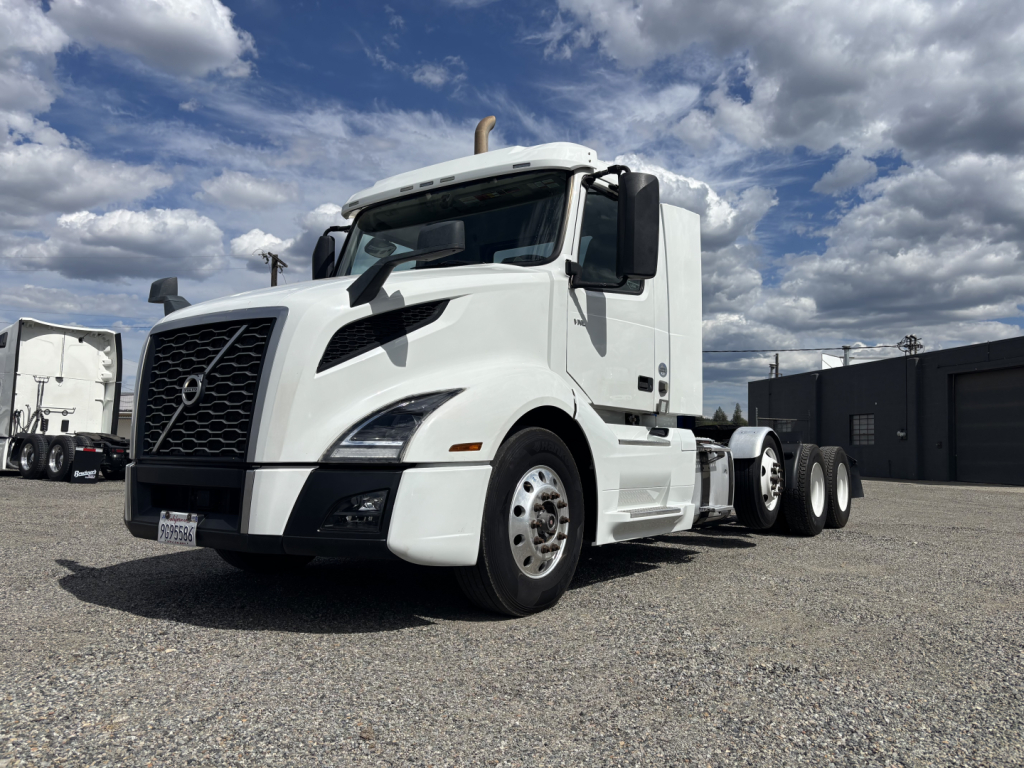
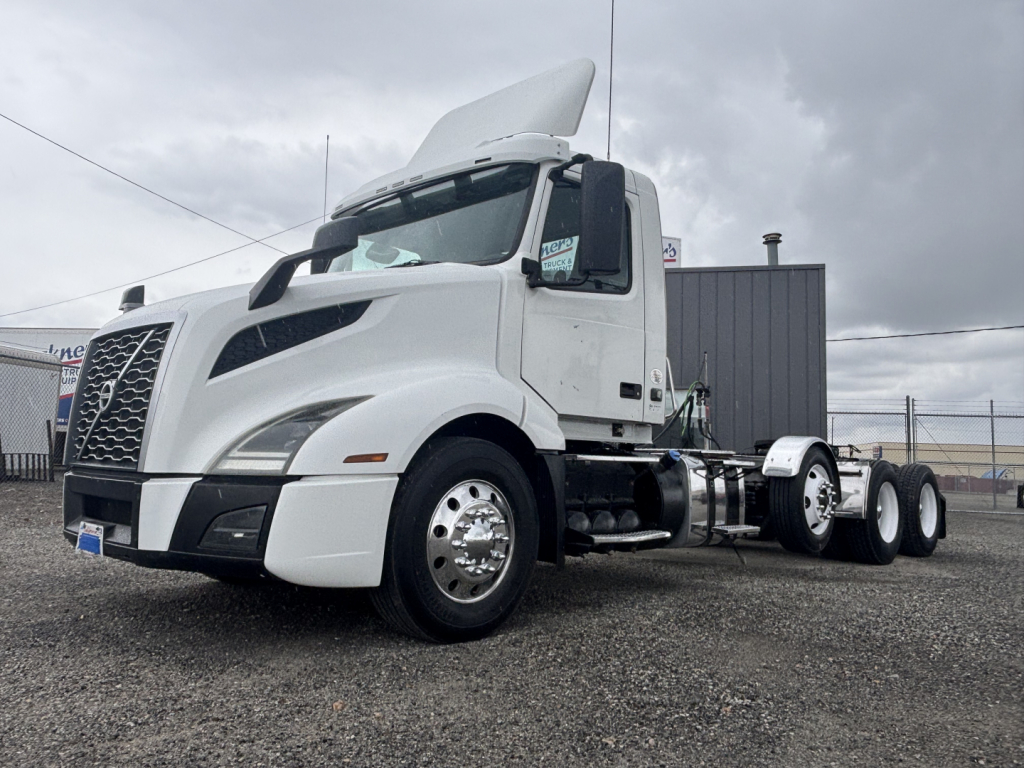
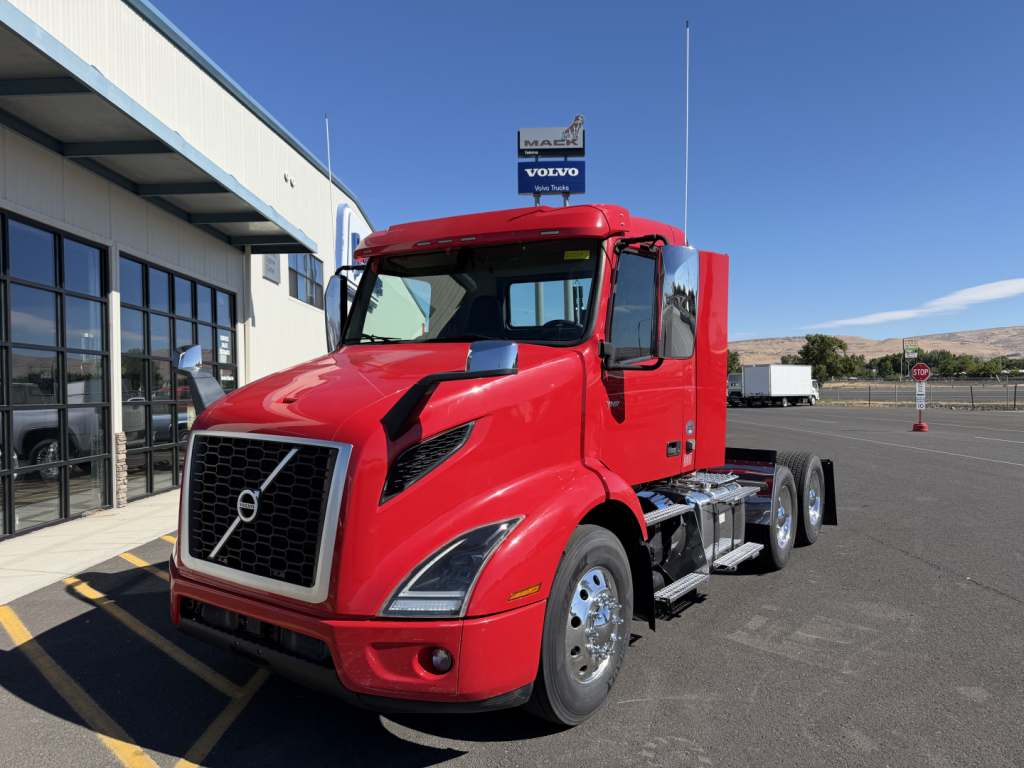
Have used volvo conventional daycab truck to sell? List it here to reach thousands of buyers.
Used Volvo Conventional Daycab Trucks in Washington
A used Volvo daycab often comes equipped with a Volvo D11 or D13 engine, with horsepower commonly ranging from the low 300s into the 400-plus HP range. Many late-model trucks are paired with the Volvo I-Shift automated manual transmission, which has become a major selling point for fleets prioritizing fuel economy, easier driver onboarding, and reduced clutch wear in stop-and-go service. Front axle and rear axle ratings matter, but so does whether the truck has a lift axle or a tandem setup for heavier regional applications. If the truck will spend time crossing Snoqualmie, Stevens, or other grades in the state, engine torque, rear ratio, and gross combination weight expectations should be reviewed together instead of as standalone specs.
Volvo conventional daycabs also stand out for cab ergonomics and active safety technology. Many buyers look for collision mitigation, lane departure warning, adaptive cruise, and integrated telematics, especially on newer used units. The VNL platform is also known for good visibility and a tighter, more comfortable work environment for drivers who spend full days in urban traffic or multi-stop operations. On the chassis side, suspension type, wheelbase, fifth wheel setup, and fuel tank capacity should match the trailer mix and turning requirements. A daycab intended for container work around Seattle-Tacoma can need a different wheelbase and kingpin-to-rear-axle relationship than a tractor assigned to regional dry van or refrigerated freight.
For Washington buyers, corrosion history, maintenance records, and emissions system service are especially important on used trucks. A clean service file on the DPF, DEF system, EGR components, and transmission software updates can tell you a lot about how a truck was operated and maintained. Tire condition, brake life, frame condition, and signs of prior PTO or wet kit installation are also worth checking if the truck may be repurposed. The best used Volvo conventional daycab is not just the newest or lowest-mile option. It is the one with the right powertrain, axle ratings, and chassis layout for the work it will actually do.
Frequently Asked Questions about Used Volvo Conventional Daycab Trucks in Washington
What is the most common Volvo model in the conventional daycab category?
The Volvo VNL is the most common conventional daycab platform on the used market. It is widely used in regional and local tractor applications because it combines highway-style comfort with practical daycab packaging. Buyers will see different axle configurations, horsepower ratings, and wheelbases within the VNL family, so the model badge alone does not tell the full story.
Is the Volvo I-Shift a good transmission for a used daycab truck?
The Volvo I-Shift is generally considered a strong choice in a used daycab because it is well suited for regional haul, stop-and-go driving, and mixed terrain. It can help with fuel economy, reduce driver fatigue, and limit clutch-related wear compared with a manual transmission. On a used truck, service history matters. Software updates, calibration records, and evidence of proper maintenance are important when evaluating long-term reliability.
What specs matter most when buying a used Volvo daycab in Washington?
The most important specs are engine horsepower and torque, rear axle ratio, transmission type, axle ratings, wheelbase, and fifth wheel placement. In Washington, terrain and route profile matter more than they do in flatter markets. A truck running mountain grades or heavier regional loads needs a different powertrain and gearing strategy than a truck doing short urban drayage or local delivery work.
Are Volvo conventional daycabs good for port and regional work?
Yes. Volvo conventional daycabs are commonly used for port drayage, regional van and reefer work, LTL-style operations, and heavier local hauling. Their appeal comes from good driver visibility, efficient automated transmission options, and flexible chassis configurations. The right setup depends on trailer type, average payload, turning radius requirements, and whether the truck needs features like a lift axle or PTO capability.
What should I inspect first on a used Volvo conventional daycab?
Start with maintenance records, engine hours, emissions system history, transmission service, tire wear patterns, brake condition, and frame integrity. Then verify axle ratings, suspension type, and any signs that the truck was previously used in severe service. On Volvo trucks, it is especially smart to review the condition and service history of the DPF and DEF systems, because emissions-related repairs can significantly affect operating cost.