
Used Conventional Daycab Trucks For Sale in New York
Used conventional daycab trucks for regional hauling, drayage, and local delivery. Compare wheelbase, axle ratings, engines, and transmissions.
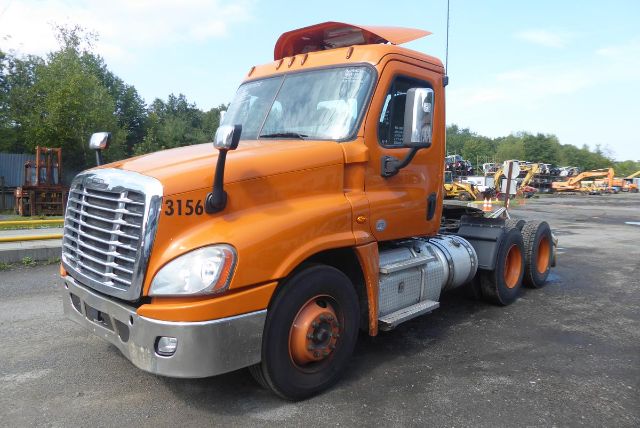
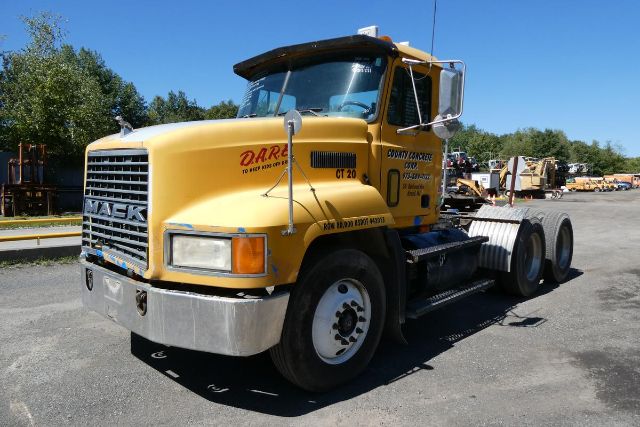
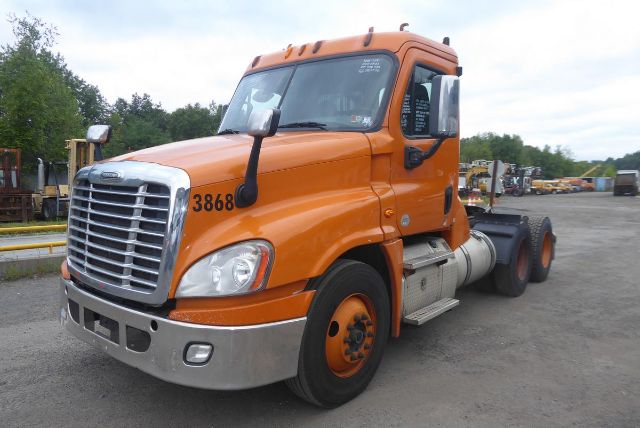
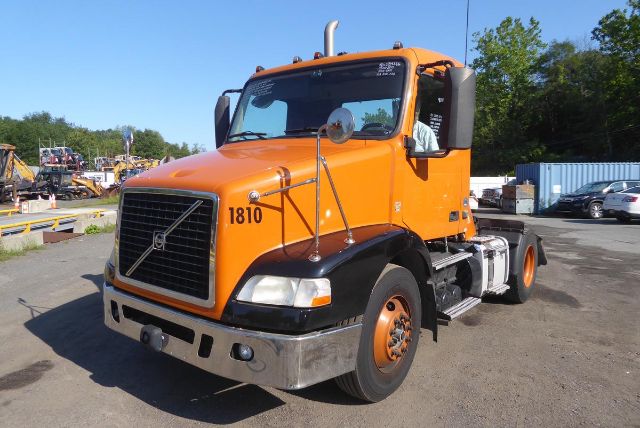
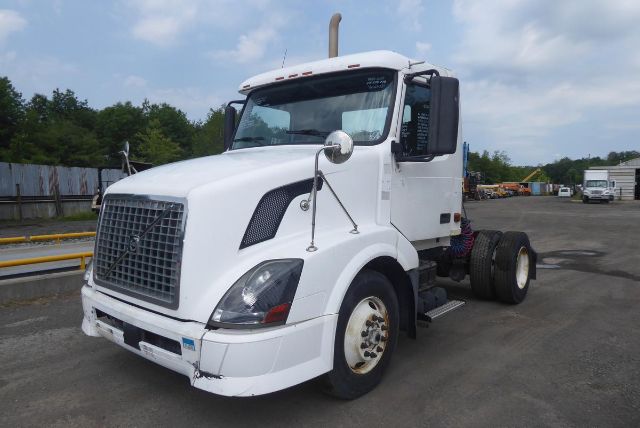
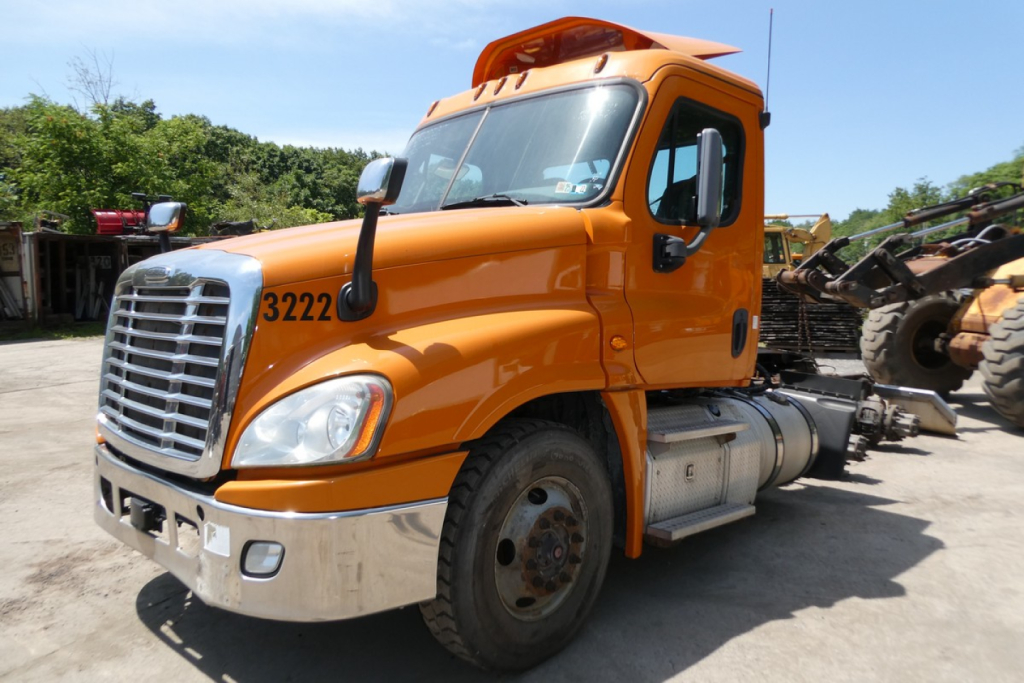
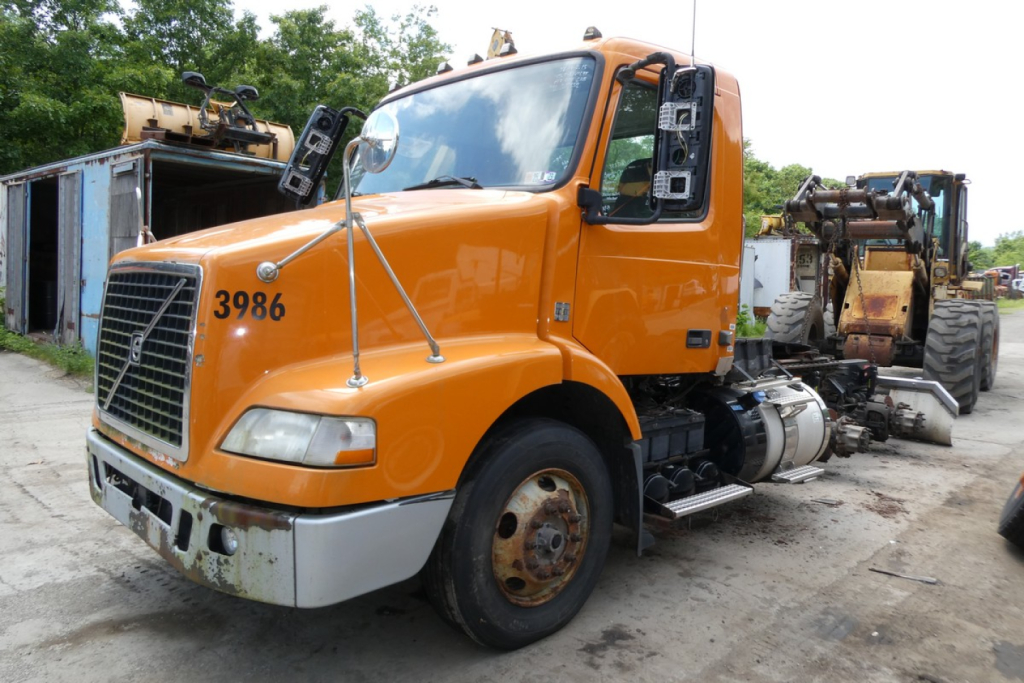
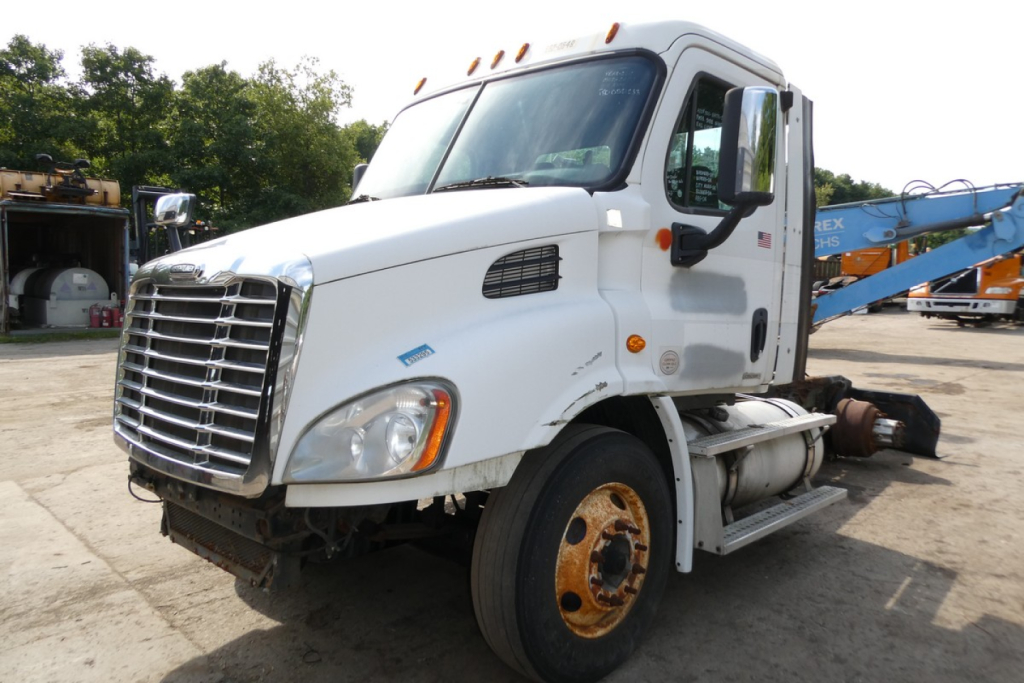
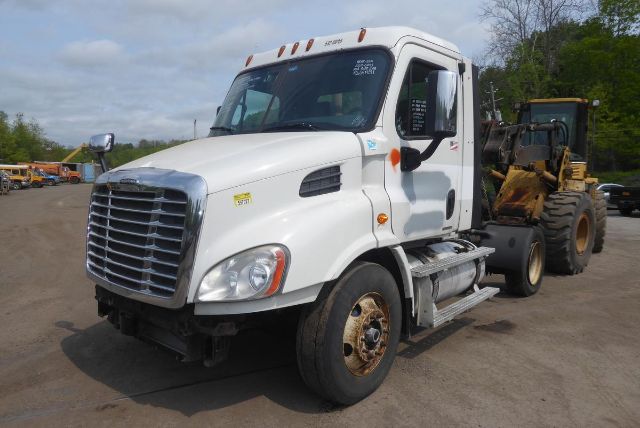
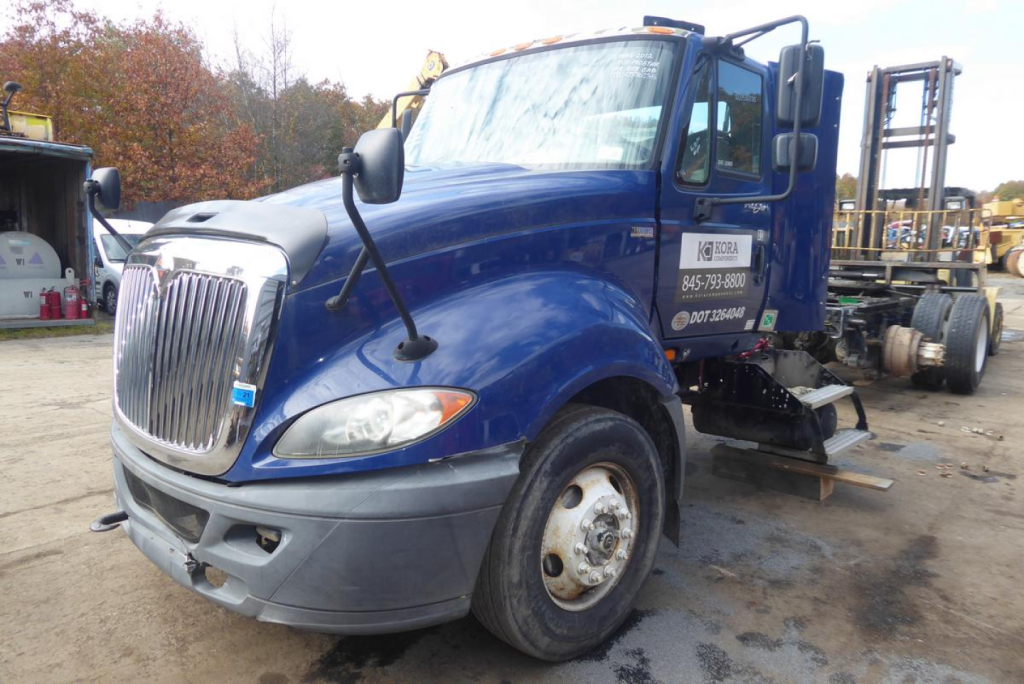
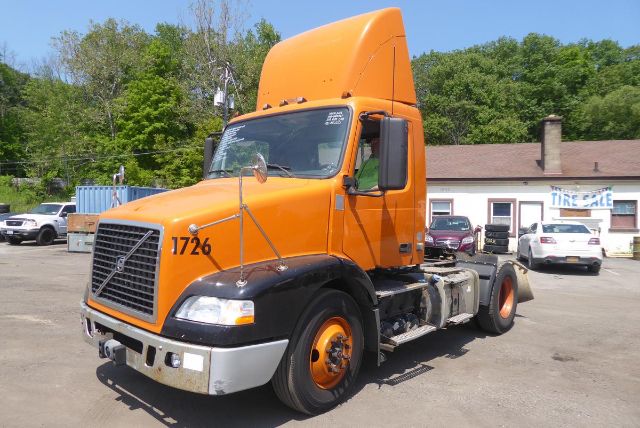
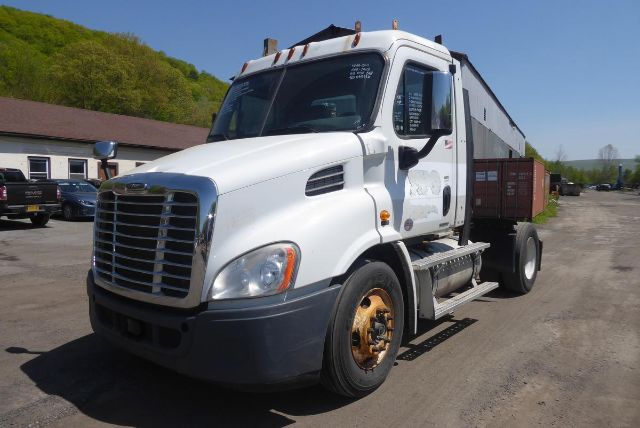
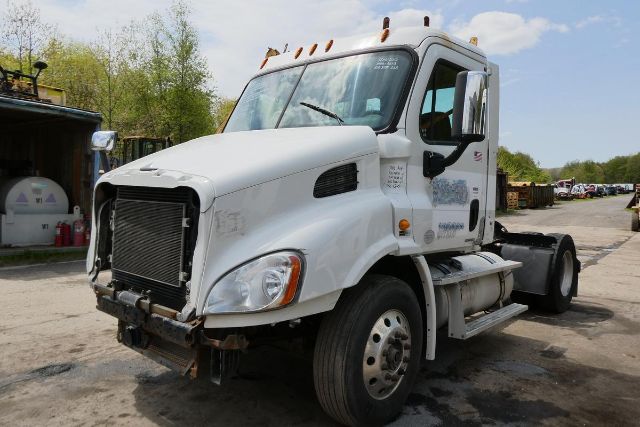
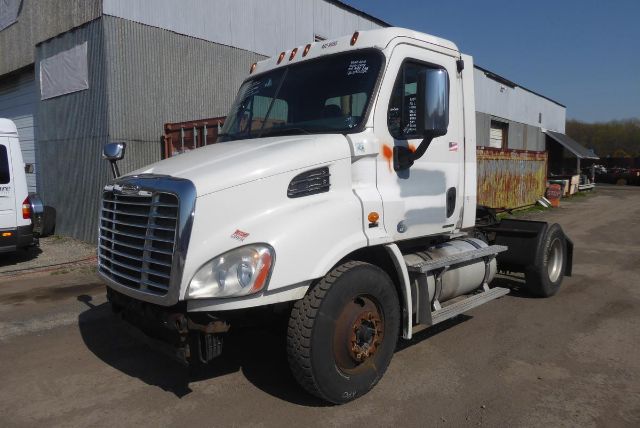
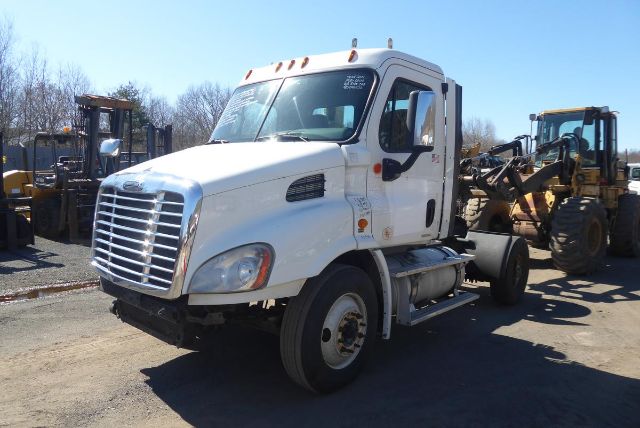
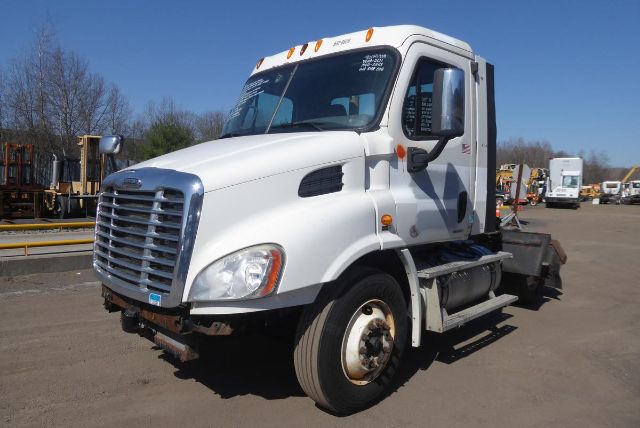
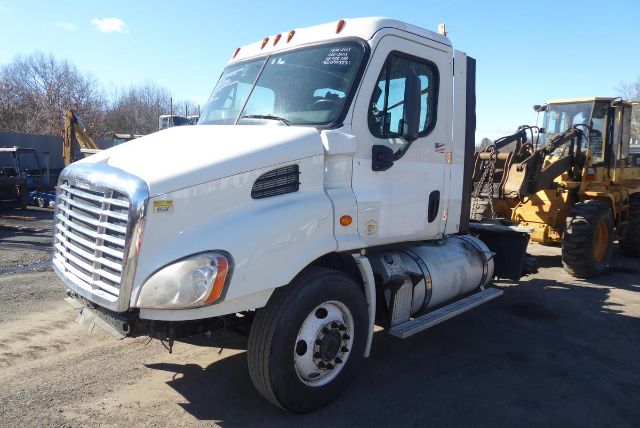
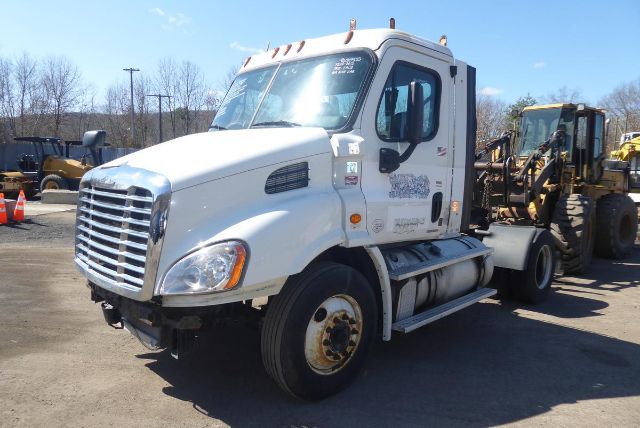
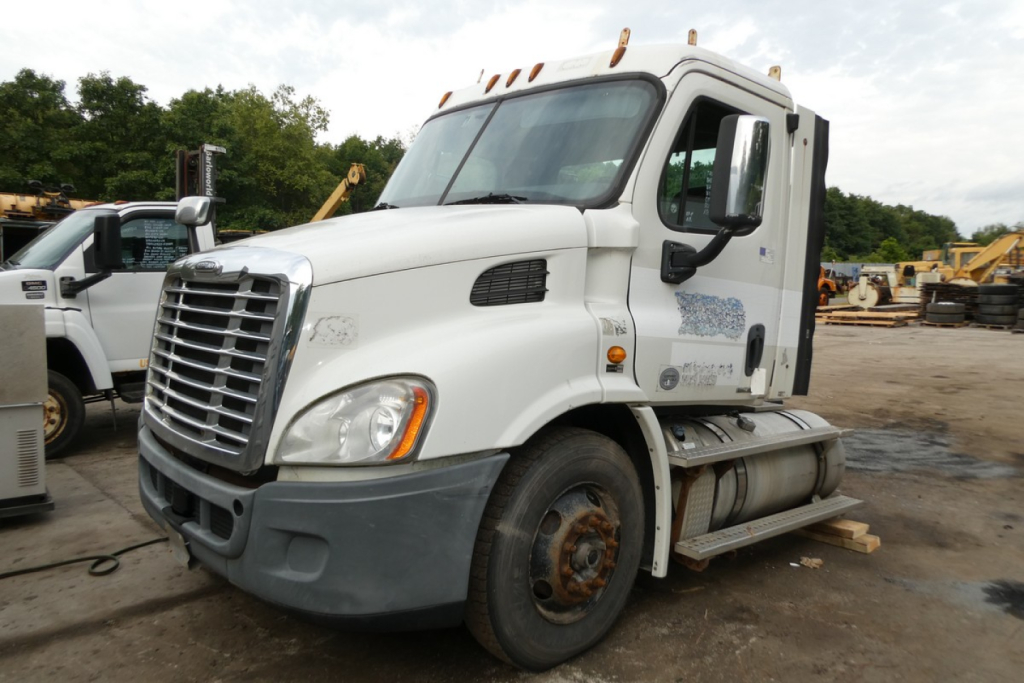
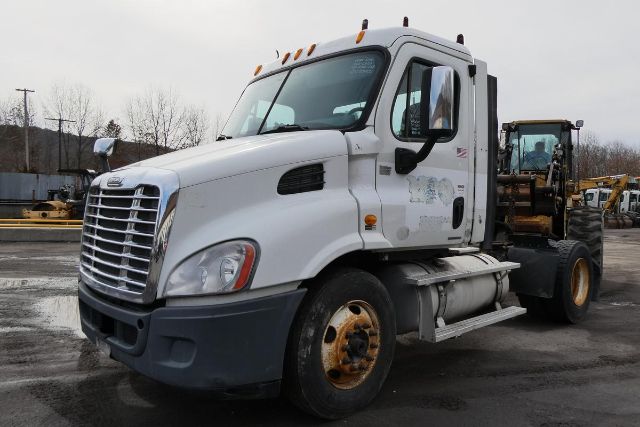
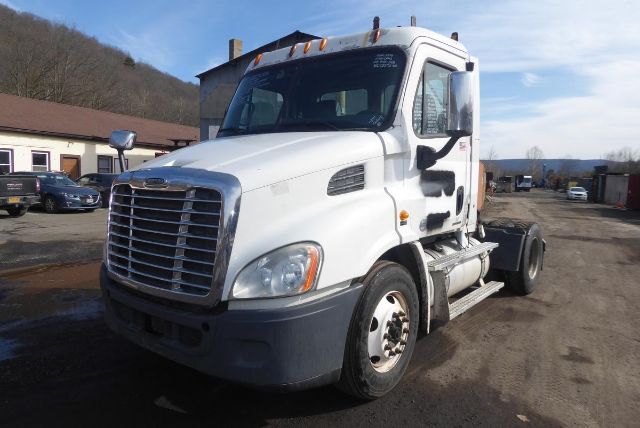
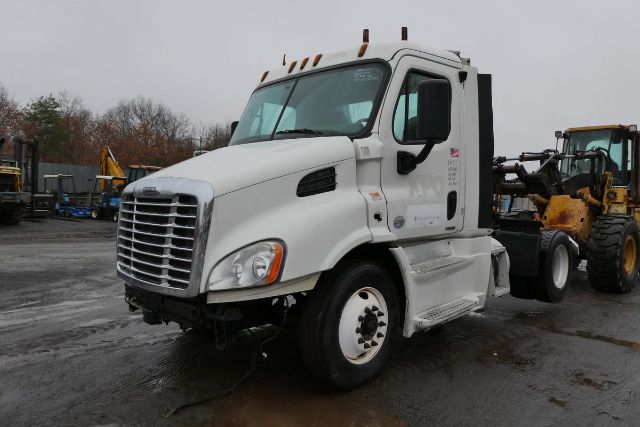
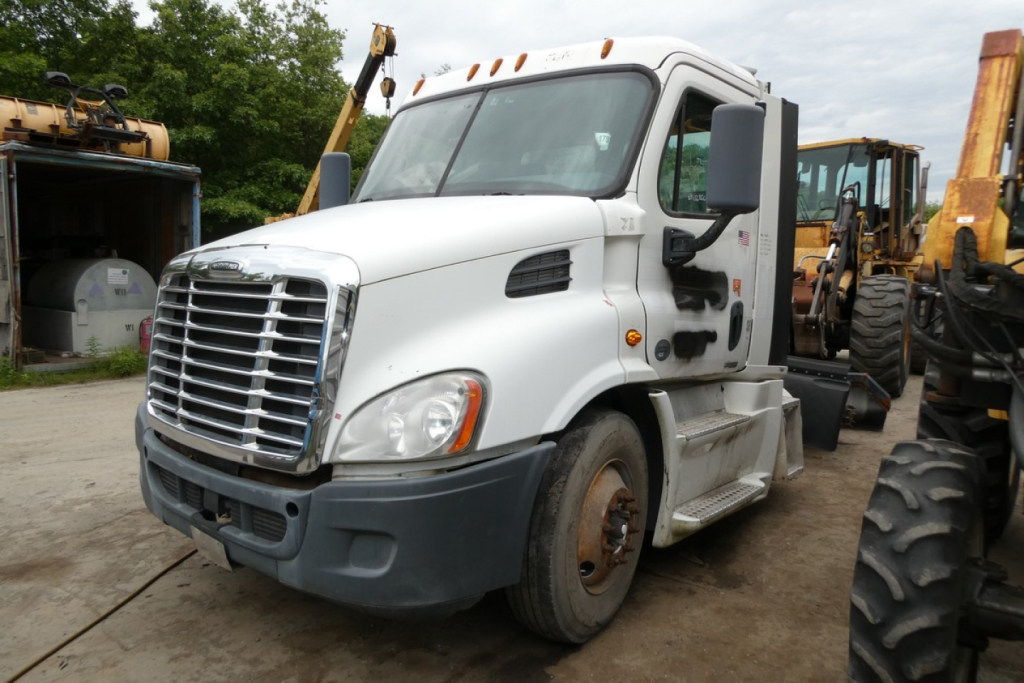
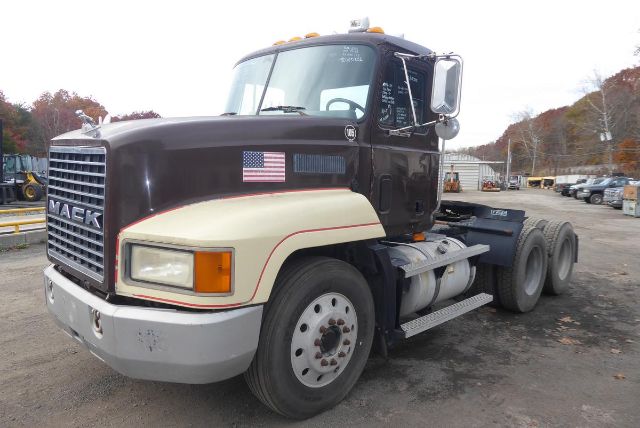
Showing 141 to 168 of 179 results
Have used conventional daycab truck to sell? List it here to reach thousands of buyers.
Used Conventional Daycab Trucks in New York
The main buying decisions usually start with axle rating, wheelbase, and drivetrain. Many used conventional daycabs fall into either lighter single-axle or heavier tandem-axle configurations. A lighter GVW setup in the low-to-mid 30,000-pound range can fit regional van, flatbed, or municipal work where payload and licensing requirements are different from a full tandem road tractor. Tandem daycabs with 40,000-pound rears, air ride suspension, and a sliding fifth wheel are more typical for heavier trailer work and higher GCWR applications. Wheelbases around 150 to 172 inches are common, and that measurement directly affects trailer swing clearance, ride quality, and how the truck handles in tight turns.
Engine and transmission choices matter just as much as cab layout. In the used market, buyers will regularly see power ratings from roughly 260 hp in medium-duty oriented daycabs up to 450 hp or more in highway-spec tractors. Common engines in this category include Detroit DD13, Volvo D11, Cummins ISC and similar regional-haul platforms, along with larger displacement options in some heavier tractors. Ten-speed manuals remain common and straightforward to service, while automated manuals such as Detroit DT12 or Volvo I-Shift are popular for stop-and-go operations because they reduce driver fatigue and can help with fuel economy consistency. Rear axle ratios like 3.08, 3.42, and 3.90 tell you a lot about intended use. Lower numerical ratios generally favor road speed and fuel economy, while deeper ratios can better suit heavier loads, frequent starts, and tighter route work.
Condition matters more on a used daycab than model year alone. Buyers should compare engine hours against odometer readings, confirm whether the truck has a single frame or double frame, inspect suspension type, and check for emissions system history on DEF-equipped units. Air disc brakes, engine brakes, aluminum outer wheels, and air slide fifth wheels can add real operating value depending on the route. Also pay attention to cab-to-axle measurement, cab-to-end dimension, front axle capacity, and rear suspension rating so the tractor matches the trailers and commodities being hauled. A good used conventional daycab should fit the lane, not just the budget.
Frequently Asked Questions about Used Conventional Daycab Trucks in New York
What is a conventional daycab truck used for?
A conventional daycab truck is a road tractor without a sleeper compartment, designed for local and regional hauling where the driver returns the same day. Common uses include container drayage, warehouse transfers, LTL support, short-haul van and reefer work, dump and equipment trailers, and dedicated shuttle routes. The shorter chassis typically improves maneuverability and reduces empty weight compared with a sleeper tractor.
How do I choose between a single-axle and tandem-axle daycab?
The choice depends on trailer weight, axle laws, and the type of freight being moved. A single-axle daycab is lighter, simpler, and often better for local applications with lower gross combination weights. A tandem-axle daycab is the better fit for heavier trailers, higher GCWR requirements, and more demanding road use. Buyers should verify rear axle rating, suspension capacity, fifth wheel setup, and legal weight requirements before deciding.
What wheelbase is best for a used daycab tractor?
There is no single best wheelbase because it depends on trailer length, turning environment, and ride preference. Shorter wheelbases are easier to maneuver in urban yards, port terminals, and tight docks, while longer wheelbases can ride better and offer more flexibility for equipment placement. Cab-to-axle and cab-to-end measurements are just as important because they affect trailer clearance and body or hydraulic installations.
Are automated manual transmissions a good choice in a used daycab?
Automated manuals are a strong choice for regional and stop-and-go work because they reduce clutch wear from inconsistent driving and help reduce driver fatigue. Systems like Volvo I-Shift and Detroit DT12 are common in this category. The tradeoff is that diagnostics and repair can be more specialized than with a traditional 10-speed manual, so service access and maintenance records are important when evaluating a used truck.
What should I inspect first on a used conventional daycab?
Start with the engine, transmission, and emissions system, then move to axle ratings, suspension condition, frame condition, and brake type. Compare ECM hours to odometer mileage, look for signs of repeated regen or aftertreatment problems, and inspect the fifth wheel, driveline, tires, and air system for uneven wear or deferred maintenance. The best used daycab is one whose specs, condition, and service history match the work it is expected to do.